

Diplomacy
The Hasina Extradition: A Test of South Asia’s Democratic Values
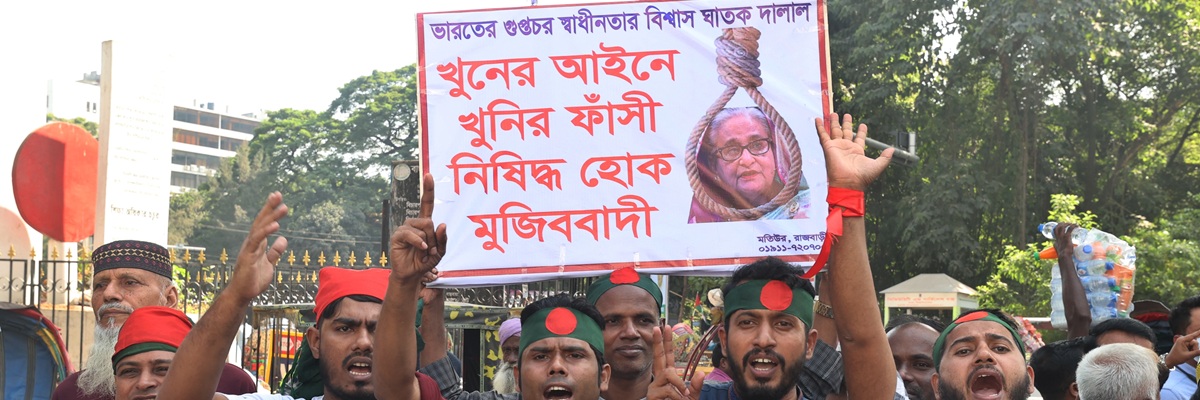
Image Source : Shutterstock
Subscribe to our weekly newsletters for free
If you want to subscribe to World & New World Newsletter, please enter
your e-mail


 Provider of in-depth & balanced analysis on hot issues around the world
Diplomacy
Image Source : Shutterstock
First Published in: Jan.26,2026
Jan.26, 2026
Share Article


In August 2024, Bangladesh witnessed a seismic political upheaval when mass student-led protests forced Prime Minister Sheikh Hasina to flee the country after 15 years in power. What began as demonstrations against a controversial government job quota system quickly evolved into a movement against authoritarianism, corruption and human rights abuses. As protests intensified and security forces responded with deadly force, killing hundreds of demonstrators, Hasina’s grip on power collapsed. Sheikh Hasina fled to India in August 2024 after mass protests toppled her government. While thousands of families in Bangladesh were still searching for their disappeared loved ones. The interim government, led by Nobel Laureate Muhammad Yunus, has since established the International Crimes Tribunal to investigate crimes committed during Hasina’s Tenure. In a landmark decision, the tribunal sentenced her to death in absentia for crimes against humanity. Bangladesh has formally requested her extradition from India, setting the stage for a diplomatic standoff. The case has become a test of whether regional powers prioritize justice for victims or political convenience. India’s decision on Hasina’s extradition will determine whether the South Asia region moves towards accountability for state crimes or continues protecting fallen autocrats, and New Delhi must recognize that genuine regional stability comes not from shielding allies who have committed atrocities, but from supporting the democratic transitions their own people have fought for. South Asia has a long history of leaders escaping accountability by fleeing across borders, creating a culture of immunity and reinforcing a free pass to everyone. Whether it be Gotabaya Rajapaksa of Sri Lanka, who fled during the economic crisis in 2022 or Ashraf Ghani of Afghanistan, who left in 2021 as the Taliban took control of Kabul. The pattern is recurrent, destabilizing regional stability of South Asian countries. Nonetheless, the International Crimes Tribunal in Bangladesh has issued death sentences based on documented evidence against Sheikh Hasina. India could break this cycle without simply handing Hasina over. A conditional extradition can be sought out, one that ensures fair trial standards, and would address both countries’ concerns. India could request the assistance of international observers from the UN or the Commonwealth monitoring the proceedings, ensuring the trial meets global standards. New Delhi could also negotiate for the death penalty to be commuted to life imprisonment, a condition many European countries insist on before extradition. Political scientist Ali Riaz, who has extensively studied Bangladesh’s democratic transitions, argues that “accountability isn’t about revenge, it’s about building institutions strong enough to prevent future abuses.” His research on transitional justice shows that countries which address past crimes, even imperfectly, create more stable democracies than those that sweep them under the rug. Another point to note is that India positions itself as the world’s largest democracy and a champion of human rights, yet protecting Hasina undermines these claims. India has been vocal about human rights abuses in Pakistan and Myanmar. Yet when its ally commits similar crimes, India provides sanctuary. Many predict that India would not extradite Sheikh Hasina due to vested interests. Many Bangladeshis have gone on to adopt anti-India sentiments, creating resentment in many people's hearts. India could address this issue by allowing an independent judicial review of the extradition request rather than making it purely political. Currently, extradition cases in India go through the courts. However, the final decision rests with the executive, it could mean that the government blocks extradition for political reasons. In Hasina’s case, India could publicly commit to letting its own judiciary evaluate the evidence without political interference, then abide by whatever the courts decide. This approach has been seen recently. In January of 2025, the UK Supreme Court ruled on an extradition request involving former Pakistani Prime Minister Nawaz Sharif’s associates, allowing the judicial process to run its course rather than the government making a unilateral decision. Late Legal Counsel to the World Bank, Ibrahim Shihata, stated famously that this “Depoliticized what could have been a diplomatic crisis” between Britain and Pakistan. India could follow a similar path. Furthermore, another point of view is that refusing extradition undermines Bangladesh’s fragile democratic transition and could push the country toward instability. The new government needs to deliver justice to maintain legitimacy. If India protects Hasina, it could further fuel conspiracy theories about Indian interference. Creating an anti-India sentiment, potentially pushing Bangladesh towards China or Pakistan for a new regional alliance. Historically, when people feel that justice is denied, they lose faith in democratic institutions. Political Scientist Ali Riaz’s research shows that countries that failed to address past crimes, for instance, Pakistan after military rule or Sri Lanka post-civil war, continue to face cycles of authoritarianism within the nation. If extradition proves too complicated diplomatically, India could support an alternative that still delivers justice. It could push for a truth and accountability commission. This model has worked in countries emerging from authoritarian rule, such as South Africa used it after apartheid, and Peru established one after Alberto Fujimori’s dictatorship. The focus shifts from punishment to documentation, as well as acknowledgement and institutional reform. Under this arrangement, Hasina would provide testimony, either in person or through live transmission from India to Bangladesh’s commission. She would have to answer questions about disappearances, extrajudicial killings and other alleged abuses. Victims' families would finally get acknowledgement and answers to their losses. Priscilla Hayner, a Human rights activist, in her research shows that truth commissions can help societies move forward when criminal trials become politically impossible. It is a way for the Victims’ families to finally be heard and acknowledged. India’s strategic interests in Bangladesh, trade routes, security cooperation and connectivity projects depend on maintaining trust with whoever governs in Dhaka. The interim government under Muhammad Yunus has recently gained popular legitimacy and international credibility. Starting this relationship but dismissing their primary demand for accountability will have consequences that outlast any short-term benefit of sheltering Hasina. Real regional stability does not come from protecting fallen leaders; it comes from supporting the democratic processes that brought new governments to power and from promoting solidarity. India understood this principle when it brought new governments to power. India understood this principle when it supported democratic movements elsewhere. Bangladesh deserves the same consideration. The extradition question is ultimately about India's foreign policy and whether it's guided by consistent principles or convenient exceptions.
First published in :
World & New World Journal
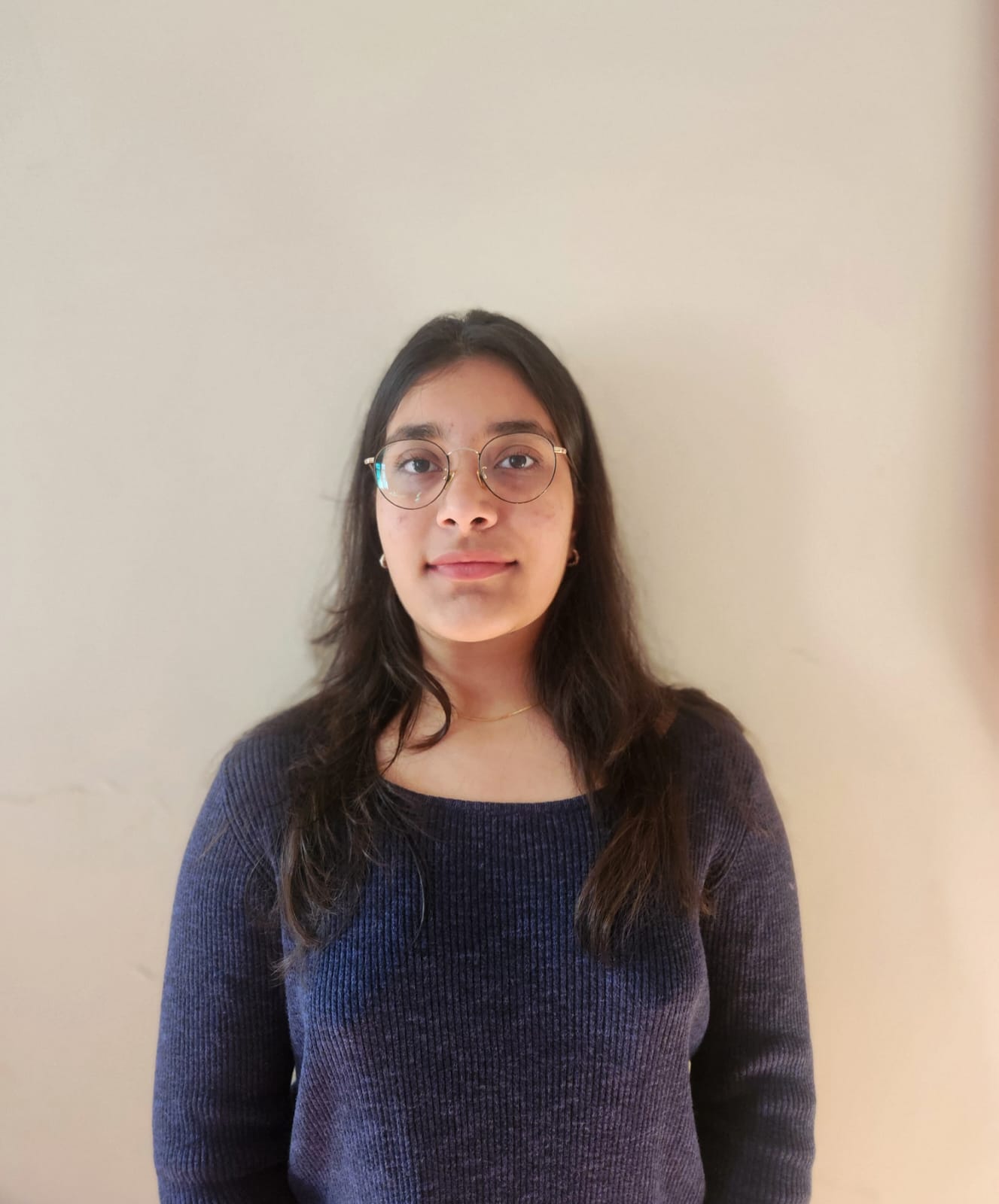
Alesha Mushtaq is a 19 year old undergratudate student at the Lahore University of Management Sciences (LUMS) in Lahore, Pakistan, majoring in Political Science. With a keen interest in geopolitics and regional affairs, she regularly explores South Asian politics through extensive reading and analysis of contemporary governance challenges.
Beyond Borders: Türkiye’s Growing Footprint in the Western Indo-Pacific Amid Global Instability
Opinion – As Israel Pushes for Annexation, Is There Hope for Palestinians?
Sudan’s latest peace plan: what’s in it and does it stand a chance?
Secretary of State Marco Rubio at the 50th Regular Meeting of the Conference of CARICOM Heads of Government
Unlock articles by signing up or logging in.
Become a member for unrestricted reading!