Subscribe to our weekly newsletters for free

Subscribe to an email

If you want to subscribe to World & New World Newsletter, please enter
your e-mail

Energy & Economics
Antipolo City, Philippines - June 1, 2020: RIder use motorcycle to deliver multiple tanks of LPG or liquified petroleum gas to a customer..

Philippines bets on natural gas to accelerate renewable energy

by Gaea Katreena Cabico

한국어로 읽기 Leer en español In Deutsch lesen Gap اقرأ بالعربية Lire en français Читать на русском Climate campaigners label law paving way for natural gas promotion an “insult” as fishers warn of environmental devastation Wilma Abanel is worried about falling fish numbers in the waters she has long relied upon for a living. The Verde Island Passage is a biodiversity hotspot off the coast of Luzon Island in the Philippines. Abanel attributes the decline in the passage to the growing number of liquefied natural gas (LNG) facilities, which she says are damaging marine sanctuaries. “In the past, before the plants were built, our catches were plentiful and we didn’t worry about our daily expenses. We also had no problems sending our children to school,” Abanel said. “But when these plants started to increase, we faced a big problem because it’s not just our livelihood and income that are affected here. More than anything, it’s the destruction of the environment and the impact on our health,” she added. LNG is a natural gas that has been cooled into a liquid that is easier and safer to store and transport over long distances. Once LNG arrives at import terminals, it is warmed up and converted back into gas. From there, the gas is sent through pipelines to homes or power plants, where it is burned to generate electricity. In early January, President Ferdinand Marcos Jr signed the Philippine Natural Gas Industry Development Act, to promote the development of the country’ natural gas as a “safe, efficient, and cost-effective” fuel for power plants and an “indispensable contributor” to energy security. The new law aims to promote natural gas as a “transition” fuel to intermittent renewable energy. Through the measure, the Philippines is not only positioning itself as a key LNG importer but also prioritising locally sourced gas to reduce reliance on foreign supply. Senator Pia Cayetano, who authored the law, explained that securing a steadier local supply would reduce the country’s vulnerability to price fluctuations caused by geopolitical conflicts like Russia’s war in Ukraine. She pointed out that natural gas exploration has declined significantly over the decades. More than 150 wells were drilled in the Philippines in the 1970s, but none have been since 2019, she said. The exploration efforts of Philippine petroleum company PXP Energy Corp, in Reed Bank, a resource-rich area in the West Philippine Sea, have been stalled for years due to a maritime dispute with China, which claims the area as its own. Since 2001, the Malampaya gas field off the western province of Palawan has been providing fuel to power plants that produce roughly a fifth of the country’s electricity. It is expected to run dry by 2027, forcing the Philippines to seek alternative energy sources.  “Malampaya was supposed to be the first of many producing gas fields in the Philippines, but it turned out to be the only one,” Cayetano said in a release. “The country needs more Malampayas: we barely have one left.” However, energy analysts and environmental advocates argue that doubling down on natural gas could still force the country to depend on fossil fuels and further delay the transition to clean energy. Krishna Ariola, an energy campaigner with the Center for Energy, Ecology, and Development, a Philippine think-tank, said: “The [law] is a clear indicator that this is a detour from what was committed by the president with regards to renewable-energy commitments in his previous State of the Nation Addresses. This just looks like a bridge to nowhere.” In his previous addresses, Marcos said the government is actively promoting renewable energy to help the Philippines reach its goal of increasing the share of clean energy in the power mix to 35% by 2030 and 50% by 2040. Problem, not solution The role of natural gas in powering the Philippines is “driving this idea that we need to quickly replace” domestically produced natural gas with LNG,” said Sam Reynolds, an energy finance analyst with the Institute for Energy Economics and Financial Analysis (IEEFA). Although burning natural gas releases considerably less carbon dioxide than coal or oil, critics point out that it remains a major source of planet-warming emissions. It can also release methane, a greenhouse gas more than 10 times as potent as carbon dioxide over a 20-year period, during extraction, transport and processing. Relying on LNG can also lock nations into long-term fossil-fuel infrastructure like import terminals and gas-fired power plants. To limit warming to 1.5C, the world needs to rapidly phase out fossil fuels, including LNG, and fully transition to renewables, scientists stress. Verde Island Passage, where Abanel fishes, hosts five of the six operating gas plants in the Philippines, along with two LNG terminals, and over a dozen other proposed projects. The passage is situated in the Coral Triangle, a region spanning six countries in Southeast Asia and Melanesia that harbours 76% of the world’s known coral species and over 2,000 species of coral reef fish. There are 19 LNG terminals in the Coral Triangle. A report by US nonprofits Earth Insight and SkyTruth warned that expanding gas infrastructure increases the risk of harm from water pollution, heightened shipping traffic, and oil spills, all of which threaten marine ecosystems and local livelihoods. According to the report, over 100 offshore oil and gas blocks are currently producing in the Coral Triangle, with over 450 additional blocks being explored for future extraction. If all existing blocks were to go into production, approximately 16% of the biodiverse region would be directly impacted by oil and gas development. “The Philippines has the second-highest number of oil slicks from transiting vessels in the Coral Triangle. With a large amount of oil and gas blocks in the exploration phase, there is still an opportunity to change course and defend its many sensitive habitats,” the report noted. Under the new legislation, the Philippine Department of Environment and Natural Resources (DENR) is ordered to establish national standards for methane emissions and other pollutants from the natural gas industry not regulated by existing laws. The DENR must also determine and monitor compliance with the environmental standards for the siting, construction, operation and maintenance, expansion, rehabilitation, decommissioning, and abandonment of natural gas facilities. The path from fossil fuels On the day he returned to the White House, Donald Trump lifted a freeze on processing export permits for new LNG projects. IEEFA’s Reynolds said the move’s impact on the Philippines would be minimal, but would add to the “volatility of LNG even more”. “We’re already seeing that play out with China. LNG becomes the target of trade bullying and retaliation, and it creates, overall, a much more uncertain environment,” said Reynolds. “I think that’s going to be very important for the Philippines to consider. Much of its LNG is coming from the United States but to what extent does Trump even exacerbate some of the challenges that the fuel was already facing?” he added. China is the world’s largest buyer of LNG, while the US is the largest exporter. But China has not imported any LNG from the US since February when Trump announced tariffs on the country, reports Nikkei Asia. Many US LNG contracts are set to begin in the coming years but much of this supply may not reach China due to the tariffs, said Reynolds. So Reynolds thinks China will resell increasing volumes of the US LNG they are contracted to buy. “I think that could drive a larger push into Southeast Asia on behalf of Chinese traders.” China National Offshore Oil Corp, the largest offshore oil and gas producer in China, is already supplying LNG to Filipino energy provider First Gen Corporation. As the world warms and the Philippines continues to face devastating climate disasters, gas should have no place in the country’s energy future, environmentalists and clean energy advocates argue. They say the Philippines, one of the most climate-vulnerable nations, must instead prioritise renewable energy. The timing of the law’s passage “can almost be interpreted as an insult to the many who have suffered and continue to suffer from recent climate disasters,” said Jefferson Chua, campaigner at Greenpeace Philippines, referring to the six consecutive tropical cyclones that hit the country in late October and November 2024. “The president must use his significant influence to reverse this decision and improve the policy and infrastructure environment for renewable energy. His administration must mandate a net-zero target that would ensure the phase out of coal, oil and gas and start enabling the transition of energy systems towards a massive uptake of renewables,” he added. CEED’s Ariola said renewable energy should be the country’s “exit plan” from fossil-fuel dependence. “Without the Philippine government tapping our massive potential for renewable energy, we will always be in a revolving door with fossil fuels,” she said. “The industry will keep going back between coal and gas and probably, in the future, other false solutions, unless we’re able to displace them. Unless we allow renewable energy to become dominant.” Abanel, the fisher from Batangas, could only plead for the gas infrastructures in her community to cease operation and for the government to protect Verde Island Passage. “The life of Verde Island Passage is intertwined with our survival. If it gets destroyed, we’ll have nothing left,” she said. This article was originally published on Dialogue Earth under the Creative Commons BY NC ND licence.

Energy & Economics
 March 28, 2018, the US and Chinese flags and texts at a studio in Seoul, Korea. An illustrative editorial. trade war

International trade war - Spice Road against Silk Road

by Joon Seok Oh

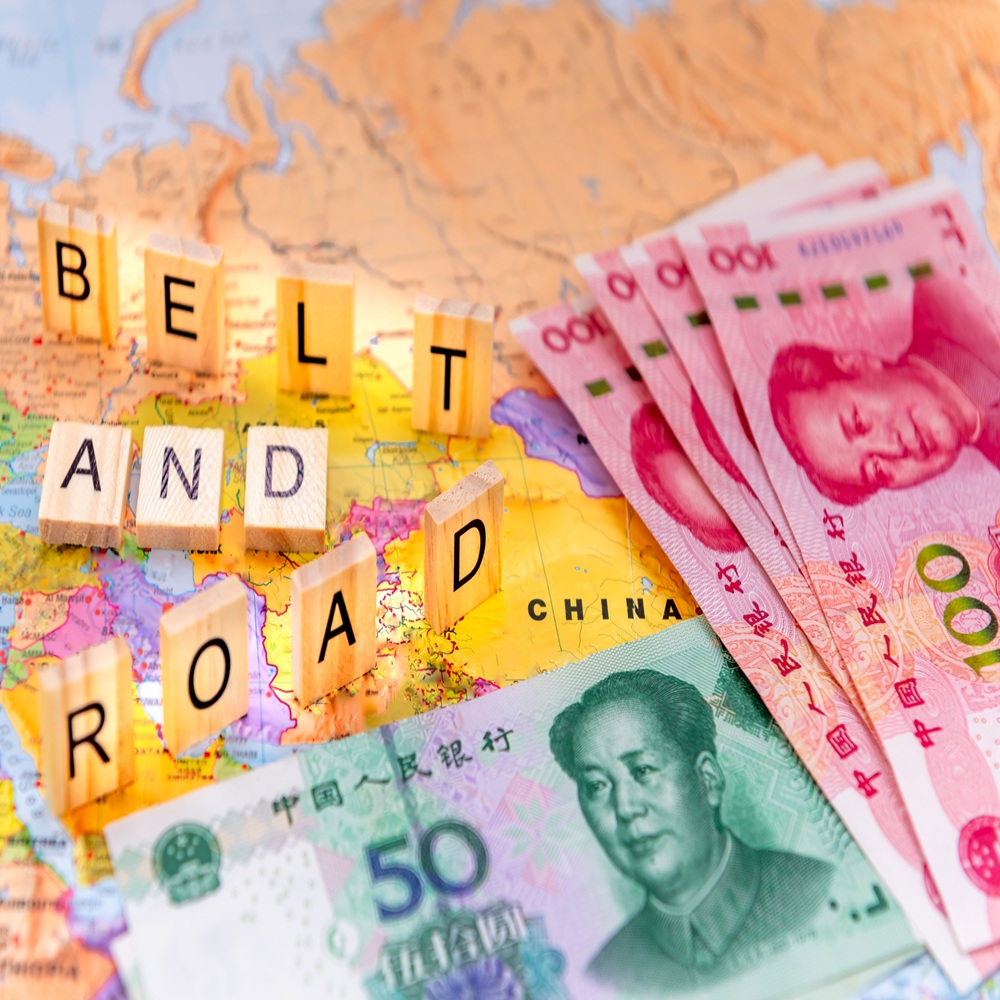
한국어로 읽기 Leer en español In Deutsch lesen Gap اقرأ بالعربية Lire en français Читать на русском AbstractPurpose The purpose of this paper is to analyse the international political economy of Korea and its effects due to geopolitical tension between China and the USA. Design/methodology/approach Economic war between China and the USA has prolonged longer than expected. Aftermath of the COVID-19 pandemic, reforming the supply chain has been the centre of economic tension between China and the USA. Quite recently, with the rapid expansion of Chinese e-commerce platforms, distribution channels come upon a new economic tension between the two. And now is the time to pivot its pattern of conflict from competition into cooperation. In this end, economic diplomacy could be a useful means to give a signal of cooperation. From the view of economic diplomacy, this paper tries to analyse the projected transition of economic war between China and the USA with its implication on the trade policy of Korea. Findings As an implementation of economic diplomacy, China suggested the Belt and Road Initiative (BRI), enhancing trade logistics among related countries to gain competitiveness. In 2023, the Biden administration suggested the India-Middle East and Europe Economic Corridor as a counter to BRI, which will be a threshold for changing trade policy from economic war into economic diplomacy. As a result, it is expected China and the USA will expand their economic diplomacy in a way to promote economic cooperation among allied states, while the distribution channel war would continue to accelerate the economic tension between China and the USA. Korea has to prepare for and provide measures handling this geopolitical location in its trade policy or economic diplomacy. Originality/value This research contributes to the awareness and understanding of trade environments from the perspective of economic diplomacy. 1. Introduction The advent of globalisation has led to widespread economic integration, creating global production networks and markets. However, the COVID-19 pandemic has acted as a significant setback to this trend. In the wake of COVID-19, an economic war has arisen between China and the USA, centred on the restructuring of global supply chains following widespread disruptions. International political economy (IPE) examines the power dynamics between states and the structures of influence within regional economies. Consequently, economic diplomacy has gained unprecedented attention. Economic diplomacy focuses on government actions regarding international economic issues, distinct from political diplomacy through its market-oriented approach in foreign policy. Putnam (1988) categorises economic diplomacy into two levels: unilateralism and bilateralism. Unilateral economic diplomacy (or unilateralism) often relies on hard power, involving decisions on trade liberalisation or market protection without negotiation. Bilateral economic diplomacy (or bilateralism) or multilateral economic diplomacy (or multilateralism), by contrast, involves negotiation among trade partners, resulting in agreements such as regional or global free trade agreements (FTAs). A vast range of state or non-state actors engage in economic diplomacy, navigating the complex interplay between international and domestic factors. Defining economic diplomacy is extremely challenging, but one useful definition is “the broad concept of economic statecraft, where economic measures are taken in the pursuit of political goals, including punitive actions such as sanctions” (Blanchard and Ripsman, 2008).  Figure 1 Recent trend of economic diplomacy To exert influence internationally, ministers and heads of government strive to demonstrate their capacity for national security through two primary approaches, as shown in Figure 1 (above): economic war (or competition) and economic diplomacy (or international cooperation). In the context of global supply chain restructuring, the economic conflict between China and the USA has intensified, marked by threats of supply chain disruptions. This has led to emerging strategies aimed at “crowding out” the USA from global supply chains (去美戰略) or excluding China through alliances such as the Allied Supply Chain and Chip 4. While economic war is inherently “temporary” due to its painstaking nature, economic diplomacy or international cooperation offer a more “long-term” approach because it is gains-taking. This paper analyses the factors contributing to the prolonged nature of this economic war and explores potential outcomes of the supply chain tensions between China and the USA from the perspectives of IPE or geo-economics. In conclusion, it highlights the importance of preparing for trade policy adjustments and strategic economic diplomacy. 2. International trade war and strategic items2.1 Supply chain The supply chain encompasses a network of interconnected suppliers involved in each stage of production, from raw materials and components to the finished goods or services. This network can include vendors, warehouses, retailers, freight stations and distribution centres. Effective supply chain management is a “crucial process because an optimised supply chain results in lower costs and a more efficient production cycle” [1]. Within the supply chain, a leading company typically holds governance power, enabling it to coordinate scheduling and exercise control across the interconnected suppliers, resulting in reduced costs and shorter production times (Gereffi et al., 2005) [2]. Since the 2000s, forward and backward integration have been key strategies for managing time, cost and uncertainty in supply chains. For example, Toyota’s Just-In-Time (JIT) system demonstrated the efficiency of locally concentrated supply chains until disruptions from the 2011 East Japan Earthquake and the Thailand flood. Following supply chain shutdowns in 2020, many businesses shifted from local to global supply chains, utilising advancements of the information technology (IT) and transportation technologies to geographically diversify operations. As the need for a systematically functioning global supply chain has grown, a leading nation, much like a leading company, often assumes governance power in international trade and investment, as illustrated in Figure 2 (below), by aligning with the leadership of a dominant market competitiveness, which makes this leadership valuable.  Figure 2 Supply chain The COVID-19 pandemic dealt a severe blow to the global supply chain, causing sudden lockdowns that led to widespread supply chain disruptions. To mitigate the risks of future global disruptions, supply chains have begun restructuring to operate on a more regionally segmented basis. In this shift toward regional supply chains, China and the USA are at the centre, drawing allied countries within their spheres of influence. This alignment helps explain why the economic war between China and the USA has lasted longer than anticipated. 2.2 Strategic items China has restricted exports of two rare metals, gallium and germanium, which are critical to semiconductor production. Kraljic (1983) highlighted the importance of managing “strategic items” within the framework of supply chain management, as shown in Figure 3. Kraljic emphasises the need to strengthen and diversify critical items. The Kraljic matrix provides a valuable tool for identifying essential items that require focused management within the supply chain.  Figure 3 Kraljic matrix Kraljic identified the importance of managing “bottleneck items” in strategic supply chain management – items that present high supply risk but have relatively low business value. Due to the potential costs associated with non-delivery or compromised quality of strategic items, these must be closely monitored and controlled. From a risk management perspective, establishing medium-term business relationships and collaboration with suppliers is essential. For example, South Korea imports over 90% of its urea for agricultural and industrial purposes from China [3]. Heavily dependent on China for urea supplies due to pricing factors, Korea faced challenges when China imposed export controls on urea, underscoring Korea’s vulnerability within China’s sphere of influence. The European Union (EU) also faces challenges with critical raw materials (CRMs). China remains the EU’s sole supplier of processed rare earth elements, while Chile supplies 79% of its lithium. In response, the EU introduced the CRM Act (CRMA) to support projects aimed at increasing “the EU’s capacity to extract, process, and recycle strategic raw materials and diversify supplies from the third countries” [4]. 2.3 Resilient supply chain alliance In contrast to China’s approach of leveraging supply disruptions to strengthen its influence, the Biden administration in the USA has adopted a cooperative approach focused on building resilient supply chains (Pillar 2) through the Indo-Pacific Economic Framework (IPEF), which includes 14 member countries [5]. The need for resilient supply chains has been further underscored by the Russia–Ukraine crisis. The IPEF aims to address supply chain vulnerabilities by fostering global efforts to reduce risks associated with concentrated, fragile supply chains [6].  Figure 4 Resilient supply chain alliance In Figure 4, the EU Commission presented the Single Market Emergency Instrument (SMEI) in September 2022, a crisis governance framework designed to ensure the availability of essential goods and services during future emergencies. The SMEI operates on three levels: contingency planning, vigilance and emergency. The contingency planning phase focuses on collaboration among member states to mitigate supply chain disruption and monitor incidents. The vigilance phase can be activated when a significant disruption is anticipated, enabling specific measures such as mapping and monitoring supply chains and production capacities. Finally, the emergency phase is activated in cases of severe disruption to the functioning of the single market [7]. Establishing a resilient supply chain through international cooperation may be appealing, yet the reality often falls short of the ambition. In South Korea, the IPEF took effect on 17 April 2024, after an extended negotiation process, marking the first multilateral agreement on supply chains. As a result, during non-crisis periods, the 14 member countries will collaborate to strengthen international trade, investment and trade logistics. In times of crisis, member countries will activate a “crisis response network”. Conversely, opportunities for negotiation with China, South Korea’s largest trading partner, are essential for building supply chain resilience [8]. China has pursued an industrial policy focused on enhancing its supply chain management capabilities. In the semiconductor sector, the decoupling between China and the USA has become increasingly evident. Contrary to expectations, China has adopted a policy of internalising its supply chains, returning to the integration strategies of the 2000s rather than furthering globalisation. A promising opportunity for transformation between the two countries has emerged recently. Since 2015, China and South Korea have maintained bilateral FTA, and with the second phase of FTA negotiations currently underway, there is an opportunity to strengthen trade and investment ties, fostering positive progress through international cooperation. 2.4 China manufacturing exodus During the COVID-19 pandemic, China imposed sudden lockdowns without prior notice or preparation, halting production and logistics cycles. This “zero COVID” policy may have triggered a shift towards “de-risking” China from supply chain disruptions. Although China still offers significant advantages as “the factory of the world,” with vast market potential, prolonged trade tensions with the USA, intensified during the Trump administration, have prompted global manufacturers with substantial USA market bases to relocate operations amid rising geopolitical uncertainties. For example, Nike and Adidas have shifted much of their footwear manufacturing to Vietnam, Apple has begun iPhone production at a Foxconn in Chennai, India, and AstraZeneca has contracted production with India’s Serum Institute. In the pre-globalised era, defining the Rule of Origin (ROO) was straightforward, as a product’s components were usually manufactured and assembled within a single country. However, with the complexity of global supply chains, particularly since 2012, determining ROO has become a time-consuming and subjective process. ROO are classified as either non-preferential or preferential. The USA applies non-preferential ROO to restrict imports from countries like Cuba, Iran and North Korea, while offering trade preference programmes for others. Preferential ROO are used to determine duty-free eligibility for imports from approved countries [9], whereas non-preferential ROO play a crucial role in “country of origin labelling, government procurement, enforcement of trade remedy actions, compilation of trade statistics, supply chain security issues.” [10] China manufacturing exodus may negatively impact capital inflows into Hong Kong, traditionally seen as the Gateway to China. In 2023, Hong Kong’s initial public offering volume fell to a 20-year low of $5.9bn [11]. While China-oriented business remains in Hong Kong, which returns fully to Chinese control in 2047, non-China-oriented businesses have migrated to Singapore. As the certainty of contract and ownership rights forms the foundation of capitalism, this capital flight from Hong Kong is likely to persist. 3. Trade logistics and economic corridors Globalisation has allowed supply chains to leverage interdependence and interconnectedness, maximising efficiency. However, while these efficiencies have been beneficial, they have also created a fertile ground for friction between trade partners due to a “survival of the fittest” mindset and the principle of “winner takes all.” This interdependence has also highlighted vulnerabilities; the global supply chain struggled to manage the disruptions caused by COVID-19, prompting a shift towards regional integration initiatives, such as Association of Southeast Asian Nations, Regional Comprehensive Economic Partnership, United States–Mexico–Canada Agreement and Comprehensive and Progressive Agreement for Trans-Pacific Partnership. As the global economy seeks stability, collaboration over competition has become increasingly essential, with economic diplomacy emerging as a priority. The prolonged economic war between China and the USA arguably needs to shift towards economic diplomacy. The global supply chain is restructuring into regional supply chains, building resilience by operating in regional segments that can withstand crises. Michael Porter introduced the concept of value chain as “a set of activities that a firm performs to deliver a valuable product or service to the market.” [12] Complex finished goods often depend on global value chains, traversing multiple countries. As shown in Figure 5, the value chain consists of supply chain and trade channel components. While the focus has traditionally been on which country holds lead status within a regional supply chain, the emphasis is now shifting to how these regional segments can be interconnected and relayed. In this context, the supply chain competition may evolve into a “channel war” in international trade, where trade logistics will centre on the internal flow of goods, standardising channel processes and establishing authority over these channels.  Figure 5 Supply chain v. trade channel 3.1 Trade logistics It is natural for governments to seek environments that enhance competitiveness within in their countries. In terms of trade, effective trade logistics are essential for maintaining competitive advantage. As a prerequisite, a strong IT management infrastructure is indispensable. As shown in Figure 6, trade logistics encompass the internal flow of goods to market, integrating physical infrastructure with operating software – such as transport hubs, warehouses, highways, ports, terminals, trains and shipping vessels. Key areas of conflict in trade logistics involve the standardisation of channel processes and determining who holds governance over operation of these logistics systems. This is equally relevant within the digital economy. Recently, Chinese e-commerce – often referred to as C-commerce – has aggressively sought to gain control over digital distribution channels, interconnected delivery networks and trade logistics via digital platforms. Chinese platforms such as Taobao, Temu and AliExpress are actively working to increase their monthly active users (MAUs), positing themselves as counterweights to USA-based platforms such as Amazon and eBay in digital trade [13].  Figure 6 Trade logistics When the agenda of establishing international trade logistics is introduced to relevant trade members across various countries, initial progress and effective responses are often achieved. However, efforts soon encounter obstacles related to standardising logistics processes and establishing operational governance. Greater reliance on international institutions could help resolve these issues (Bayne, 2017). Yet governments frequently prioritise domestic interests, and after prolonged negotiations, the risk of international agreements failing increases. Amid the economic war between China and the USA, China launched a trade logistics initiative known as the Belt and Road Initiative (BRI), or One Belt One Road, in 2013. Often referred to as the New Silk Road, the BRI aims to establish economic corridors for trade logistics. The World Bank estimates that the BRI could boost trade flows by 4.1% and reduce trade costs by 1.1% [14]. In response, the Biden administration proposed the India-Middle East and Europe Economic Corridor (IMEC) in September 2023 to strengthen transport and communication links between Europe and Asia as a countermeasure to China’s BRI. IMEC has been well received by participating countries, with expectations of fostering economic growth, enhancing connectivity and potentially rebalancing trade and economic relations between the EU and China [15]. Both BRI and IMEC are ambitious projects aimed at boosting international trade through substantial investments in trade logistics infrastructure. Each seeks to assert governance over international trade channels, signalling that the supply chain war may soon evolve into a trade channel war between China and the USA. 3.2 Economic corridors Economic corridors are transport networks designed to support and facilitate the movement of goods, services, people and information. These corridors often include integrated infrastructure, such as highways, railways and ports, linking cities or even countries (Octaviano and Trishia, 2014). They are typically established to connect manufacturing hubs, high-supply and high-demand areas, and producers of value-added goods. Economic corridors comprise both hard infrastructure – such as trade facilities – and soft infrastructure, including trade facilitation and capacity-building measures. The Asian Development Bank introduced the term “economic corridor” in 1998 to describe networks connecting various economic agents within a region [16]. Economic corridors are integrated trade logistics networks, providing essential infrastructure for connecting regional segments of supply chains. As supply chains increasingly operate in regional “chunks,” linking these segments becomes ever more important. Economic corridors typically include a network of transport infrastructure, such as highways, railways, terminals and ports. Initiatives like the BRI and IMEC use economic corridors as instruments of economic diplomacy, shifting strategies from hard power to soft power, as shown in Figure 7. Because less-developed or developing countries often lack sufficient funding to invest in trade logistics, they tend to welcome these initiatives from developed countries, which offer international collaboration and support. However, these initiatives usually come with the condition that participating countries must accept standardised trade processes and governance led by the sponsoring developed country.  Figure 7 Economic corridor initiatives as economic diplomacy To succeed, economic corridors must meet three key conditions [17]. First, government intervention is essential, as economic corridor initiatives primarily involve public infrastructure investments beyond the scope of the private sector. In realising these projects, governments must reconcile three tensions to ensure their policies are mutually supportive: tensions between politics and economics, between international and domestic pressures and between governments and other stakeholders. Second, intermediate outcomes should be measured and demonstrated as results of economic corridors, allowing participants to experience tangible benefits throughout these longer-term projects. Finally, economic corridors should deliver broader benefits. Participants need incentives to utilise the infrastructure sustainably. These benefits may extend beyond economic welfare, such as wages and income, to include social inclusion, equity and environmental gains, which support the long-term viability of the infrastructure. 4. BRI vs IMEC4.1 Belt and Road Initiative (BRI) - Silk Road The BRI can be a modern-day realisation of the Silk Road concept, connecting Europe as a market base with China as a production base. Unlike the ancient Silk Road, which connected trade routes across Eurasia, the BRI poses potential challenges due to its extensive connectivity. Firstly, there are social and environmental externalities, such as increased congestion and accidents from concentrating traffic flows through limited links and nodes within trade networks. Secondly, while the connectivity may benefit the production and market bases at either end, regions situated between these hubs, through which highways and railways pass, may gain minimal advantage. Thirdly, there is often a mismatch between where costs and benefits are realised. Transit regions that facilitate network traffic often see fewer direct benefits compared to high-density nodes within the network. 4.2 India-Middle East and Europe Economic Corridor (IMEC) - The Spice Road The ancient Spice Roads once connected the Middle East and Northeast Africa with Europe, facilitating the exchange of goods such as cinnamon, ginger, pepper and cassia, which, like silk, served as a form of currency. The IMEC proposes a modern route from India to Europe through the United Arab Emirates (UAE), Saudi Arabia, Israel and Greece. Since its announcement in September 2023, some regional experts have expressed reservations about its feasibility, particularly regarding the connection between the Middle East and Israel. The project has faced delays due to the Israel–Hamas war. Despite these challenges, IMEC holds potential to drive economic growth and strengthen connectivity, especially as countries like Vietnam and India emerge as alternative manufacturing bases for companies relocating from China. For Saudi Arabia and the UAE, IMEC is not viewed as a challenge to China but rather as an opportunity to diversify their economies and solidify their roles within the Middle East region [18]. 5. Conclusion A new trade war between China and the USA has begun, with the Biden Administration’s introduction of IMEC as a counter to China’s BRI. This shift could soon transform the nature of economic war from a focus on supply chains to one on trade channels. The China manufacturing exodus was further accelerated by supply disruptions during the COVID-19 pandemic. Amidst the economic tensions between China and the USA, the restructuring of global supply chains into regional networks has made significant progress. With China maintaining its stance on export controls for strategic items, South Korea must prepare for resilient supply chain management. In relation to China–Korea FTA, which is currently undergoing its second phase of negotiation, South Korea should seek clarity on the transparency of China’s strategic item controls. The Committee on Foreign Investment in the United States (CFIUS) plays a key role in monitoring the quality of inbound investments; similarly, South Korea is experiencing increased inbound investment due to the manufacturing shift from China and should apply similar standards to evaluate investment quality. This emerging economic war between China and the USA is now marked by the competing initiatives of the BRI and IMEC. The BRI can be viewed as a modern Silk Road, linking China with Europe, while the IMEC seeks to establish a trade logistics corridor connecting Saudi Arabia, the UAE, Israel and Greece. The South Korean Government should take proactive steps to prepare for the evolving dynamics of the trade war between China and the USA. CitationOh, J.S. (2025), "International trade war - Spice Road against Silk Road", International Trade, Politics and Development, Vol. 9 No. 1, pp. 2-11. https://doi.org/10.1108/ITPD-06-2024-0031  Notes 1. https://www.investopedia.com/terms/s/supplychain.asp2. According to Gary Gereffi et al, 5 governance types of a lead company could be categorised as market, modular, relational, captive and hierarchy.3. Korea imports urea from 12 countries including Qatar, Vietnam, Indonesia and Saudi Arabia, in addition to China.4. https://single-market-economy.ec.europa.eu/sectors/raw-materials/areas-specific-interest/critical-raw-materials/strategic-projects-under-crma_en5. IPEF was launched on May 23,2022 at Tokyo. 14 member countries are Australia, Brunei, Fiji, India, Indonesia, Japan, Republic of Korea, Malaysia, New Zealand, Philippines, Singapore, Thailand, Vietnam and the USA. 4 Pillar of IPEF are Trade (Pillar 1), Supply Chain (Pillar 2),Clean Economy (Pillar 3) and Fair Economy (Pillar 4).6. Critics say “lack of substantive actions and binding commitments, instead focusing on process-driven framework building.” https://www.piie.com/blogs/realtime-economics/its-time-ipef-countries-take-action-supply-chain-resilience7. https://ec.europa.eu/commission/presscorner/detail/en/ip_22_54438. As of 2023, the first-largest trade partner of Korea is China (Trade volume of $267.66bn), the second is the US ($186.96bn) and the third is Vietnam ($79.43bn)9. As preferential ROO contain the labour value content requirement in the USMCA, it could increase compliance costs for importers. https://crsreports.congress.gov/product/pdf/RL/RL3452410. USITC(1996), Country of Origin Marking: Review of Laws, Regulations and Practices, USITC Publication 2975, July, pp. 2–411. https://www.barrons.com/articles/hong-kong-financial-center-china-46ba5d3612. Porter identifies a value chain broken in five primary activities: inbound logistics, operations, outbound logistics, marketing and sales and post-sale services. https://www.usitc.gov/publications/332/journals/concepts_approaches_in_gvc_research_final_april_18.pdf13. MAU is a metric commonly used to identify the number of unique users who engage with apps and website. MAU is an important measurement to the level of platform competitiveness in the digital trade logistics or e-commerce industry.14. https://home.kpmg/xx/en/home/insights/2019/12/china-belt-and-road-initiative-and-the-global-chemical-industry.html15. https://www.bradley.com/insights/publications/2023/10/the-india-middle-east-europe-economic-corridor-prospects-and-challenges-for-us-businesses16. The Asian Development Bank (ADB), which first used the term in 1998, defines economic corridors as important networks or connections between economic agents along a defined geography, which link the supply and demand sides of markets. http://research.bworldonline.com/popular-economics/story.php?id=350&title=Economic-corridors-boost-markets,-living-conditions17. Legovini et al. (2020) comments traditional cross border agreements of transport investment focuses only on a narrow set of direct benefits and cost. However, economic corridors can entail much wider economic benefits and costs such as trade and economic activity, structural change, poverty reduction, pollution and deforestation.18. Arab Centre Washington D.C. https://arabcenterdc.org/resource/the-geopolitics-of-the-india-middle-east-europe-economic-corridor/ References Bayne, N. (2017), Challenge and Response in the New Economic Diplomacy, 4th ed., The New Economic Diplomacy, Routledge, London, p. 19.Blanchard, J.M.F. and Ripsman, N.M. (2008), “A political theory of economic statecraft”, Foreign Policy Analysis, Vol. 4, pp. 371-398, doi: 10.1111/j.1743-8594.2008.00076.x.Gereffi, G., Humphrey, J. and Sturgeon, T. (2005), “The governance of value chain”, Review of International Political Economy, Vol. 12 No. 1, pp. 78-104, doi: 10.1080/09692290500049805.Kraljic, P. (1983), “Purchasing must be supply management”, Harvard Business Review, Vol. 61 No. 5, September.Legovini, A., Duhaut, A. and Bougna, T. (2020), “Economic corridors-transforming the growth potential of transport investments”, p. 10.Octaviano, B.Y. and Trishia, P. (2014), Economic Corridors Boost Markets, Living Conditions, Business World Research, Islamabad, October.United States International Trade Commission (USITC) (1996), “Country of origin marking: Review of Laws, Regulations, and Practices”, USITC Publication, Vol. 2975, July, pp. 2-4.Further readingPorter, M. (1985), Competitive Advantage: Creating and Sustaining Superior Performance, Free Press.Putman, R.D. (1988), “Diplomacy and domestic politics; the logic of two-level games”, International Organization, Vol. 42 No. 4, pp. 427-600.USITC (2019), “Global value chain analysis: concepts and approaches”, Journal of International Commerce and Economics, April, pp. 1-29.

Energy & Economics
Press Conference by European Commission President Ursula von der LEYEN and Mario DRAGHI on the Report on the Future of EU Competitiveness in Brussels, Belgium on September 9, 2024.

European Competitiveness at Stake: Industrial and Technological Challenges

by Federico Castiglioni

한국어로 읽기 Leer en español In Deutsch lesen Gap اقرأ بالعربية Lire en français Читать на русском Introduction  On 7 April 2025, the Italian Istituto Affari Internazionali and the Dutch Clingendael Institute co-hosted the fourth edition of the Van Wittel/Vanvitelli Roundtable, which is becoming a major recurring event in the policy dialogue between Italy and the Netherlands. The meeting, co-organized by the two policy institutes, took place at the Italian School of Public Administration in Caserta (NA, Italy), bringing together a broad array of stakeholders including experts from academia, think tanks, ministries and civil society.1 This year’s roundtable focused on the critical intersections between industrial innovation, technological sovereignty and (open) strategic autonomy, underlining the urgent need to strengthen linkages between these domains within the broader European framework. Held under the Chatham House Rule and by invitation only, the event created a space for frank and forwardlooking exchanges on how both Italy and the Netherlands can safeguard their national interests while contributing constructively to the collective resilience and strategic capacity of the European Union. One of the most relevant outcomes of this edition was the joint endorsement of a proposal to develop a bilateral policy paper aimed at strengthening collaboration between the two countries, while also feeding into ongoing EU-level initiatives.  1. Increasing security and reducing dependencies The dialogue began with a reflection on the pressing geopolitical challenges facing the European Union. Participants broadly acknowledged that escalating tensions between the United States and China, including an increasingly protectionist American posture – as seen during and potentially following the Trump administration – pose risks for Europe’s role in the international order. The possibility of a global trade war, alongside the gradual withdrawal of the US from traditional multilateralism, is both a threat and a wake-up call for Europe. In the last months, the challenge has become particularly serious, as the US administration threatened multiple times to impose high tariffs on EU products. Rather than becoming collateral damage in this global rivalry, Europe should take active steps to strengthen its strategic positioning and develop a strategy to counter and deter coercion from third countries. This goal, the participants argued, requires avoiding marginalisation through enhanced internal cohesion, greater autonomy from external suppliers, and the ability to act collectively on the world stage. In this light, there was widespread agreement that bilateral relationships such as the one between Italy and the Netherlands can serve as essential building blocks in shaping Europe’s capacity to act with strategic clarity and operational effectiveness.  In the event of a global trade war, another source of instability could come from China. If the US markets shut its doors, China would be faced with an overproduction capacity, due to the misplacement of all the goods destined to the US economy. In this scenario, the only option for Beijing would be to flow the same commodities to Europe, thereby saturating the market and curbing EU competitiveness. This scenario must be avoided. The solution can be only a tough but necessary negotiation with the US to avoid a dramatic fragmentation of global trade. The EU should act reasonably and try to persuade Washington of the existing nexus between global trade, wealth and political stability. The negotiation should start from the assumption that the transatlantic trade with the United States is much smaller than trade within the European Union. As a consequence, all the EU member states have a practical convenience in standing together and speaking with Washington with one voice. The formal and exclusive competence that the Commission holds in the commercial field, granted by the EU Treaties, should be therefore supported politically at the highest levels. At the same time, the Commission and the member states should focus on: 1) developing bilateral agreements with like-minded countries worldwide which believe in open and fair trade; 2) removing non-tariff barriers inside the internal market to boost competitiveness vis-à-vis the rest of the world. The second point is particularly important, as the Commission needs to make the bloc more resilient to external shocks through a set of instruments aimed at enhancing strategic autonomy in a framework of necessary global interdependence.  Indeed, the recipe to achieve this goal has been already identified in the Letta and Draghi reports, which offer sound analyses and strategic directions for European industrial and economic policy. Despite these clear guidelines, the participants’ consensus was that implementation today remains inconsistent due to poor coordination among member states and institutional inertia. It was argued that meaningful progress depends on increased financial support, forward-looking strategic planning and, crucially, the formation of coalitions among like-minded EU member states – especially when the broader EU framework falls short. A recurring theme throughout the discussion was Europe’s evolving role as a global actor; if the ambitions of the bloc go beyond playing the role of an excellent regulatory power, the EU must position itself as a mediator and real broker in a multipolar world. Italy and the Netherlands, with their strong institutional, industrial and diplomatic assets, are natural complimentary partners in this effort, and can help the EU agenda in many respects. One dimension obviously pivotal for both the Union and its member states is the future of our economies. In this regard, participants insisted on the need to place industrial policy at the very heart of Europe’s strategic agenda. The capacity to maintain economic leadership, social cohesion and democratic vitality depends in no small part rests on the continent’s ability to manufacture, innovate and compete. A number of shared structural challenges – most prominently energy affordability, demographic change and the digital transition – must be tackled through integrated strategies that involve both public and private actors. The traditional rigid separation between public sector policy and private investment is therefore outdated and counterproductive. Today’s complex challenges require unified action driven by shared objectives. The Italy–Netherlands partnership, in this context, was identified as a potential nucleus for a new wave of EU-wide strategic thinking. These two countries already hold considerable influence in different sectors and can use their complementary strengths to demonstrate the added value of bilateral cooperation for the entire EU. By jointly addressing pressing infrastructure needs, advancing cooperation on research and innovation, and fostering deeper market integration, Italy and the Netherlands could set a precedent for other mid-sized EU member states. The panel was concluded by a call to action: to jointly draft a detailed position paper, developed in direct dialogue with the European Commission, to define shared priorities and propose concrete initiatives. This policy paper would focus on key areas such as advanced technologies, green innovation, the energy transition and the pursuit of strategic autonomy – laying the foundations for a resilient and forward-looking Europe. Italy and the Netherlands, as major industrial powerhouses, can give a significant contribution, as they already did in the past. 2. Innovation and strategic sectors: Agriculture, defence and semiconductors The second part of the discussion focused on innovation as a cornerstone of European competitiveness. While there was strong recognition of the EU’s ambition in this domain, participants pointed to significant structural weaknesses, particularly underinvestment in research and development and fragmented policy implementation. The Chips Act and the Critical Raw Materials Act were cited as important legislative efforts, but whose success will depend on coherent action across all member states and the mobilisation of private capital and expertise. Among the strategic sectors identified for both countries, agriculture stood out as a particularly relevant case. Agriculture in fact embodies both industrial potential and the need for open strategic autonomy – especially in the context of international trade developments, such as those stemming from EU-Mercosur negotiations and US demands to open European agricultural markets. Italy and the Netherlands are major players in this field. According to Eurostat data, the Netherlands is one of the top three agricultural exporters in the EU, while Italy ranks among the leaders in high-quality agricultural production and is a world leader in agri-food machinery. These comparative advantages create space for deep, complementary cooperation. Participants stressed the need to build a joint framework focused on food quality, innovation testing and the harmonisation of production systems. The Netherlands was recognised for its leadership in digitalisation and agri-tech innovation, while Italy’s sophisticated machinery sector was seen as critical for enabling largescale adoption of new technologies. Importantly, agricultural innovation was also viewed as essential for climate adaptation. With the increasing scarcity of water and the shrinking availability of arable land, Europe’s food systems must evolve to remain viable and resilient. The digital transformation of agriculture, through the adoption of Internet of Things (IoT) and data-driven solutions, presents opportunities to increase productivity and sustainability. However, it also raises challenges, including the need to ensure equitable access to vital semiconductors in order to build digital infrastructure and to address skills gaps in digital literacy. Semiconductors in particular, the hardware backbone of all digital systems, were identified as a cross-cutting capability essential not only to agriculture but to broader industrial policy. For Italy and the Netherlands, enhancing national capacity in this field aligns with the strategic goal of technological sovereignty. Another core issue raised was the generational transition in agriculture. As rural populations age, the sector should be made more appealing to younger, highly educated individuals. This requires a cultural shift: reframing agriculture as a highvalue and socially meaningful profession. The traditional image of the isolated farmer must give way to a narrative that resonates with environmentally conscious youth who see value in returning to the land. However, this shift requires careful policy design to reconcile environmental goals with economic sustainability. Specific strategies were discussed for supporting small farms, which often lack access to advanced technology, and for incentivising large-scale producers to integrate sustainable practices. Italy’s prominence in agricultural machinery offers a further avenue for international engagement. Expanding innovation to developing countries through machinery exports and technical cooperation could support global food security while reinforcing Europe’s leadership. In closing, participants linked these reflections back to the broader topic of European security and defence. The defence industry and the cybersecurity domain face similar issues of dependency and vulnerability. Strategic autonomy in these sectors is not only about accessing raw materials but about entire supply chains – from design and production to deployment. Both Italy and the Netherlands are well-positioned to lead within a broader European effort to secure these strategic infrastructures. Conclusions The roundtable concluded by reaffirming the centrality of the economic dimension to the future of Europe. A clear and robust industrial strategy must return to the forefront of EU policymaking. In the absence of an effective industrial policy framework, too much responsibility remains at the national level, creating disparities and inefficiencies. Europe must shift from aspirational rhetoric to operational pragmatism, investing decisively in sectors that underpin its long-term resilience. The cooperation between the public and private sectors is essential. Both Italy and the Netherlands are undergoing parallel transitions – digital, environmental and demographic. These must be tackled simultaneously, as none can be deprioritised. Change will require acknowledgment of systemic constraints. Among the most urgent priorities is the cost of energy, which undermines industrial competitiveness across Europe. Italy is particularly affected due to its structural vulnerabilities, but this is a shared European challenge. Energy prices must be drastically reduced, and a fully functioning internal (energy) market must be established. Demographic decline poses a new challenge. Unlike previous decades, the EU must now envision growth in a context of population shrinkage. The only answer to this unprecedented challenge lays in innovation, accessible energy and a revitalised industrial base. Hence, the call for new models and economic frameworks capable of adapting to shrinking labour markets while maintaining living standards. Ultimately, the Van Wittell/Vanvitelli Roundtable highlighted that the EU should engage proactively the US to avoid a global trade crisis and forge alliances with like-minded and complementary world players. With the contribution of two important actors such as Italy and the Netherlands, the EU can find new pathways to open strategic autonomy and long-term prosperity. *Updated 23 May 2025 Report of the fourth edition of the Van Wittel/Vanvitelli Roundtable organised at the Italian School of Public Administration in Caserta on 7 April 2025 by the Istituto Affari Internazionali (IAI) and Clingendael Institute. Paper produced in the framework of the project “Van Wittel/Vanvitelli Roundtable”. The project has benefited from the financial support of the Dutch Ministry of Foreign Affairs, the Policy Planning Unit of the Italian Ministry of Foreign Affairs and International Cooperation (MAECI) pursuant to art. 23-bis of Presidential Decree 18/1967, and the Compagnia di San Paolo Foundation. The views expressed in this report are solely those of the authors and do not necessarily reflect the views of the Italian Ministry of Foreign Affairs and International Cooperation and the Dutch Ministry of Foreign Affairs. References 1 - A video of the closing remarks by Antonio Tajani, Italian Deputy Prime Minister and Minister of Foreign Affairs and International Cooperation, and Caspar Veldkamp, Dutch Minister of Foreign Affairs, is available here: https://www.youtube.com/live/mqhfJfW-4s8.

Energy & Economics
Container ship in import export and business logistic, By crane, Trade Port, Shipping cargo to harbor, Aerial view from drone, International transportation, Business logistics concept

The ‘Phony War’: Tariffs as prelude to a US recession

by Dame DeAnne Julius

한국어로 읽기 Leer en español In Deutsch lesen Gap اقرأ بالعربية Lire en français Читать на русском The tariff war launched by US President Donald Trump has entered a phony war stage. But the next six months will reveal the true impact of a threatened trade war. The 8-month period in 1939–40 after Hitler’s invasion of Poland but before major Nazi attacks on the Allies was called the ‘phony war’. It was a time of high uncertainty but relative calm, with a hope in some quarters that the worst risks had been avoided. Today, the pace of the tariff war launched by US President Donald Trump on ‘Liberation Day’ seems to be following the same trajectory. The reaction of ‘shock and awe’ at the pace of action during Trump’s first hundred days culminated with the 2 April announcement of ‘reciprocal tariffs’ imposed on friends and foes alike. The president used executive orders as his legal tool, and Truth Social as his personal communications channel, to dominate the news and evade normal checks and balances. His new tariff regime threw financial markets into a panic and threatened complex global supply chains. A tit-for-tat escalation of tariffs on China added fuel to the fire. Then, within days, the phony war period began with the pausing of most threatened tariffs and the partial reductions negotiated with China. This buoyed the financial markets, reassuring some that the disruptions of President Trump’s first hundred days were part of a strategy that would settle into a pattern of more deals and less economic damage. The partial trade deal with the UK was reassuring, while the latest skirmish between the US and the EU keeps suspense high. But postponing the application of threatened tariffs is more of a ceasefire in Trump’s trade war, not a resolution. Much less a surrender. Positive signs, but backward looking Recent data provide some superficial reasons to be positive about the health of the US economy. US corporate earnings in the first quarter came in mostly on track. Share prices of big tech companies have regained much of the value they had lost in the wake of Liberation Day. US inflation fell slightly in April to an annual rate of 2.3 per cent, showing little sign of impact from tariffs. Even the unwelcome surprise of the 0.3 per cent fall in first quarter GDP (on an annual basis) was partly explained by a surge in imports as US companies built up their inventories to prepare for the tariff threat. All of this data, of course, is backward looking. There are early indications, and strong reasons to believe, that the real damage is yet to come and that the US is entering a period of stagflation that will lead to a recession by the end of this year. Inflation prospects First, consider inflation. While in May the Consumer Price Index (CPI) fell slightly compared to a year ago, it ticked up slightly in April compared to a month ago. That was a reversal in  the first monthly reading after the Liberation Day announcements. The widely watched survey of US consumer sentiment produced by the University of Michigan hit a near record low in May, sliding to 50.8 – just shy of the all-time low seen in June 2022. The survey pinpointed tariffs as leading to that decline in confidence, based on worries about a renewed surge of inflation.  The same survey of expected inflation 12 months ahead rose to an astonishing 7.3 per cent, up from 6.5 per cent expected in April. Were that to become reality it would be the US’s highest level since 1981. Businesses too are concerned. The chief executive of Walmart has warned that ‘even at reduced levels, the higher tariffs will result in higher prices.’ The Yale Budget Lab estimates that the overall US effective tariff rate is now 17.8 per cent compared to 2.5 per cent when President Trump took office in January. There can be little doubt that such a jump in tariffs will spur a rise in inflation in the coming months. A further risk will develop if the large tax cut  package under consideration by Congress results in a substantial rise in the government deficit, which is already running close to 7 per cent of GDP this year. Moody’s credit rating agency downgraded its AAA rating on US government debt in May.  The labour market is tight, with unemployment hovering around 4 per cent.  Fiscal stimulus applied to an economy that is near full employment is a classic recipe for higher inflation. While these risks remain, it is unlikely that the US Federal Reserve will be quick to cut interest rates. Indeed, in its May meeting, it voted to leave interest rates on hold, despite calls from President Trump to lower them. Fed Chair Jerome Powell said ‘We can move quickly when that’s appropriate, but we think right now the appropriate thing to do is wait and see how things evolve.’ This is the prudent policy when there are two-sided risks in a stagflationary environment. Growth prospects Now consider the prospects for growth, where expectations and international repercussions are especially important. The drop in consumer confidence has been cited above.  Many large companies declined to provide sales or earnings forecasts with their Q1 results due to the uncertain environment. The chief executive of Maersk, the global shipping giant, warned that world trade volumes could contract by up to 4 per cent this year – compared to their previous projection of 4 per cent growth. Exports account for 29 per cent of global GDP. A contraction in global trade would represent a global supply shock to growth, not only for the US but especially for trade-intensive countries and regions such as the EU. The end of the ‘phony war’ As July approaches and the tariff ceasefires are due to end, this ‘phony war’ period will evolve into a spreading recognition of the real economic consequences of a trade war. Between now and then, the US may sign a few more deals. But current negotiations with the EU have stalled, provoking new threats by the US and then an agreed deadline of 9 July for more negotiations. Even if a short-term EU–US deal can be agreed, it will still leave US tariffs on EU goods substantially higher than before. Anxiety will build, stockpiles of imported goods will be running down, and businesses will see profits fall. Meanwhile, the US debt ceiling of $36 trillion is fast approaching and a Congressional agreement will be needed sometime between mid–July and early October if the US is to avoid default, according to the Bipartisan Policy Center. The usual brinkmanship will roil financial markets. These next six months will reveal the true impact of the threatened trade war. Uncertainty will give way to damage limitation in the form of higher prices to reflect higher costs, lower consumer demand and postponed investment.  The likelihood of two or three more quarters of below zero growth in the US is high. The irony is that as long as the US consumes more than it produces, higher US tariffs will do little to shrink the US trade deficit. But a tariff-induced recession in the US probably will.  

Energy & Economics
New York City, New York, USA - January 18 2025: Sign with the words,

Donald Trump, the revolt of the lower middle class and the next phase of European integration

by Klaus Welle

한국어로 읽기 Leer en español In Deutsch lesen Gap اقرأ بالعربية Lire en français Читать на русском Abstract The defining political shift of our era is the revolt of the lower middle class. Much more exposed than the better-off to the succession of crises in recent years—from the financial crisis to uncontrolled migration, from Covid-19 to Russia’s aggression against Ukraine—the lower middle class is turning to the populist right and its promise of protection by closure. Unlike the US first-past-the-post system, the EU’s institutional framework emphasises compromise and cross-party cooperation and thus offers a critical buffer against this wave of disruption. But this is not enough to protect our post-1945 political order, which is based on parliamentary democracy, the rule of law and European integration, from both internal and external threats. The EU needs a bold agenda that focuses on competitiveness, growth, migration and defence, all of which are crucial to strengthening our continent. Introduction1 Once is an accident, twice the new normal. With his electoral success, Donald Trump is the new reality in the US, not just an aberration. Trump obviously understands his time better than anybody else, which ensured him his comeback as president of the US, elected by the people against seemingly overwhelming legal and political resistance. He is the new rule of the game, like it or not. The revolt of the lower middle classWhat is the new reality? The party political system in the US and Europe has been fundamentally transformed by the revolt of the lower middle class. Voter analyses in several European countries give a clear picture: in France, Marine Le Pen and the National Rally (Rassemblement National) represent the ‘défavorisés’ like no other party and have replaced in that function the traditional left. Le Pen is successful in the former Communist heartland and mining territory of northern France, where she also assured her own seat in parliament (Ipsos 2024). Similarly, Alternative for Germany (Alternative für Deutschland, AfD) is electorally over-represented among workers and the unemployed and those with below average incomes and education (Moreau 2024a). And the Freedom Party of Austria (Freiheitliche Partei Österreichs, FPÖ) rallies the workers too (Moreau 2024b). This should not come as a big surprise. Right-wing populist parties have been recognised in political science as unconventional workers’ parties for more than a decade (Rydgren 2013). And the transformation of the political space in Europe has been ongoing for more than a decade as well. European Parliament elections are an excellent monitor of the overall situation in Europe and the member states. The outcome of the 2024 European Parliament elections shows us a political space that is basically divided into three parts. One-third of the members now sit on the left, organised in the Green, Socialist and Left groups; a good third are in the centre, encompassing the Liberals and the Christian Democrat European People’s Party (EPP); and close to a third now belong to the populist and radical right (European Parliament 2024). In the US, Trump’s success was assured in 2016 through gains in the ‘rustbelt states’, formerly the Democrat Party’s heartland. In 2020 Joe Biden was able to narrowly turn the tide. With his credibility among workers—acquired over decades through close cooperation with the trade unions—he was able to achieve what presidential candidates from liberal New York and California, Hillary Clinton and Kamala Harris, could not. The Republican Party today is the Make America Great Again Party. It is the party of Donald Trump. The Republican Party of Ronald Reagan and George Bush does not exist anymore. The party that used to represent the highly skilled today represents and owes its electoral success to the lower-skilled working class. ‘National security Republicans’ have lost their political home. Why is the lower middle class revolting? The lower middle class can be identified as those whose economic situation is tense. In other words, they have no financial buffer and anything unexpected happening can push them over the edge. In the US, this group, known as those living ‘from paycheque to paycheque’, is considered to comprise 25% to 30% of the population. A single paycheque not arriving might force people belonging to this group to sell their car; several paycheques not arriving might oblige them to sell their house (Bank of America Institute 2024). Ever since the financial crisis that started in 2008, we have gone in Europe from crisis to crisis. The drawn-out financial crisis was followed by uncontrolled migration as a consequence of Russia’s bombardment of big cities in Syria, and this was followed by Covid-19 and then Russia’s aggression against Ukraine, which caused major spikes in energy and food prices and another massive wave of migration. What we call a ‘crisis’ might equally be considered a lack in performance of the system overall and an indication of increasing loss of control. Russia is being aggressive militarily and in other ways because it believes it can do so and get away with it. External borders prove time and time again to be porous. After the Second World War, the German economy grew by an average of about 5% per year; but in the last five years, this has dropped to 0% and even into the negative. What can be weathered by the better-off is an existential challenge for the lower middle class. If you are not already on the housing ladder by luck of birth, it is increasingly difficult to get onto. The social elevator is stuttering. And while migration is perceived by the upper middle class as the promise of affordable personal services today and care in old age later, for the lower middle class it means competition for affordable housing and state services, and the risk of decreasing educational standards for children in their lower-income living areas. German sociologist Andreas Reckwitz (2020) describes the experience of the lower middle class as one of a double devaluation: economic and cultural. It is economic because formerly well-paid industrial workers are falling increasingly behind the new university-educated service class. And it is cultural because their system of traditional values is regarded as outdated and destined to be superseded. From a horizontal to a vertical understanding of the party political system The traditional horizontal classification of parties on a left to right axis is very misleading now. To understand what is happening, we need to replace the traditional horizontal classification with a vertical one based on social status, income and education. On the basis of the 2021 German federal election and data provided by the Bundestag (data no longer available online) and others (Focus online 2021), we can construct such a vertical system for Germany: 1. Greens and liberals represent younger voters, with a very good income in the case of the liberals and an average income, but outstanding level of education, when it comes to the greens, the new party of the Bildungsbürgertum (the very well-educated). These voters can together be considered the upper middle class and the most dynamic part of society.2. The traditional people’s parties, the Christian Democrats and the Social Democrats, become more popular the older the cohort, with their popularity rocketing among those above 70 years old. The income levels of the voters of these parties are average, as is their education, and this voter base is shrinking. These parties represent the middle class.3. The Left (Die Linke) is over-represented among academics and the unemployed; its electorate has a below-average income. The extreme-right AfD is over-represented among workers, the unemployed and people of working age. The educational levels of these voters are low, and their household incomes are below average. The Left and the AfD both represent the lower middle class. The part of the lower middle class that is represented by the populist right is being promised protection by closure. Right-wing populism is therefore ‘social nationalism’. But it is not just about the programme. Bringing that new coalition of various social groups together is facilitated by charismatic leadership: Trump is a charismatic leader in the sense of Max Weber (1921); and he finds his European equivalents in the likes of Nigel Farage, Boris Johnson, Marine Le Pen and Viktor Orbán. Moreover, the dominance of social media over the traditional media has dramatically decreased the cost of political organisation and provided a chance for newcomers to establish themselves. Social media have also normalised hate, which was banned from the traditional media for very good reasons after the dramatic experiences of racism, National Socialism and Communism in the twentieth century. Political parties based on portraying political adversaries as enemies in the tradition of Carl Schmitt (2007) are profiting more than any other from these new tools. What differentiates Europe from the US? Party political competition in the US If we are observing a revolt of the lower middle class in both the US and Europe, why has the impact been so different up to now? In the US the first-past-the-post system forces everybody to integrate into one of the two major political parties, the Democrats and the Republicans. Both parties therefore represent very large coalitions, which essentially serve an electoral purpose only and cannot be considered programme parties. The fight for content takes place mainly within, among the different caucuses organised in Congress. What you would find in the European Parliament in the EPP, the European Conservatives and Reformists, the Patriots and the Sovereigntists is, in the US, all assembled in one political family, the Republicans. Equally, what you would find in the liberal Renew group, the Socialists and Democrats, the Greens and the Left in Europe has to cohabit within the Democrat Party in the US. The Republican Party can be understood as a broad political coalition which has effectively fallen under the control and leadership of what in Europe might rather be considered the line of Viktor Orbán and the Patriots. The other tendencies are still there but marginalised. They can no longer determine the overall direction but might still be sufficiently strong in Congress to block decision-making or align with the other side when they regard policies as being against their core convictions, such as creating unsustainable debt levels, or on matters related to national security and defence.Europe and its national electoral systemsEuropean states are not immune either. The British, the French and the Hungarian electoral systems provide an oversized seat result for the relatively strongest party, and this increases the opportunities of the extremes. Brexit can be considered one outcome of this. The current political stalemate in France, where the extreme right and the extreme left are holding the system hostage, is another. In systems of pure proportional representation, by contrast, you need more than 50% of the votes for one party or a coalition of several parties to take effective political control. In a first-past-the-post system, as in the US, 20%–30% of the electorate is more than sufficient to take over one of the major political parties and, with that, to potentially run the country. Pure proportional systems therefore provide better protection against a right-wing or left-wing populist takeover. The EU political system On the federal level of the EU on the other hand, the incentives are there for cooperation across the political centre. Decisions in the Council need an oversized qualified majority; the election of a European Commission president by the European Parliament requires an absolute majority of the members elected to the house. These majorities can regularly be found only through cooperation across the aisle and by transcending the traditional left–right schism. The desire to hold important political offices in the EU, therefore, requires a willingness to compromise and forces political parties that are more on the right or on the left to look towards the centre. The final vote on the von der Leyen Commission was carried by a large cross-cutting alliance of the Christian Democrat EPP, the liberal Renew and the Socialists, complemented by the constructive right, centred on Italian Prime Minister Giorgia Meloni, and the constructive left, led by the German Greens. The more radical elements of both the European Conservatives and Reformists and Green groups voted against. The institutional system has a strong impact on the political culture in the EU, which is a culture of cooperation. The political system favours the creation of unity—as the condition for stability on a historically, geographically and culturally divided continent—and therefore the centre. The absence of permanent coalitions and the lack of fixed roles of majority and minority in the division of power in the EU create the opportunity to integrate those on the very right and the very left who are not opposed to the system as such and whose primary aim is not to destroy it: the constructive right and the constructive left. Contrary to the US, where the destructive and anti-system elements can dominate the rest of their respective coalitions, inside the EU that destructive right and left find themselves isolated unless they stop being the system opposition. That is why Ursula von der Leyen was well advised to integrate Raffaele Fitto from Brothers of Italy (Fratelli d’Italia) as vice-president of the European Commission and, at the same time, to continue a constructive dialogue with the co-leader of the Green group Terry Reincke on the importance of climate change policies and actions to preserve the rule of law. Brothers of Italy had not only supported the new asylum pact, in contrast to Viktor Orbán, but had also supported Ukraine in a steadfast fashion, including in the vote to ensure Ukraine profits from the interest on Russian assets. Brothers of Italy is part of the constructive right, stabilising the political system of the EU. Is the EU therefore safe? The EU is a federal union of citizens and states and therefore dependent on support in each and every member state. It is only as strong as its weakest link. Even though, on average, support for EU institutions is close to historical highs and well above the support levels for national institutions, that is not enough (EU 2024). Before Brexit the EU’s weakest link in terms of overall support was the UK. Nowadays its weakest link is France, which is paralysed by the combination of a destructive right, on the one hand, and on the other, a destructive left which, in the form of France Unbowed (La France Insoumise), is holding the socialists and greens hostage. And both extremes are cooperating in the destabilisation of the state. That smells like Weimar. What needs to be done? An agenda for the next phase of European integration An agenda for strength In the worlds of Trump, Vladimir Putin and Xi Jinping, strength is the only thing that counts. Internationally and geopolitically, we are back in the world of nineteenth-century power politics. The rules of the game have changed, and the quicker we understand this the better. We are threatened at the same time from the inside and from the outside. From the inside, by the destructive nationalist populist right and left that are trying to hollow out the political order, established after 1945, based on parliamentary democracy, the rule of law and European integration. From the outside, by aggressive nationalist power politics. And more often than not, these two are connected. The seatbelts need to be fastened. Defending ourselves from threats both inside and outside has to start with the recognition that we are confronted with real issues, not just imagined ones. Hyper-inflation was real and is still stored in today’s price levels. The accumulated inflation during Joe Biden’s four-year term was above 20% (US Bureau of Labour Statistics n.d., author’s calculations), and it will not have been very different in Europe. Growth rates are very low, while debt is rising, and with it the difficulty of states to intervene in times of absolute need. Uncontrolled mass immigration happened. Our capacity to defend our continent is seriously compromised. International respect comes from strength, not from weakness. This is not a case for mass psychotherapy, but political action: the political agenda has to change. The European Parliament nowadays plays a key role in setting the agenda for the upcoming legislative term. Ursula von der Leyen had to negotiate with all the political forces of good will about the programme for the next five years to have any chance of being elected by an absolute majority of the members of the house. The need for the Commission president to negotiate the programme also changes the role of the European political foundations. The Wilfried Martens Centre for European Studies has contributed hundreds of precise policy proposals to the process of reflection in a document entitled The 7Ds for Sustainability. This text centres on defence, debt, digitalisation, demography, democracy, decarbonisation and de-risking globalisation in order to enrich the debate and help set a new agenda (Wilfried Martens Centre for European Studies n.d.). The outcomes of the European elections matter, as they should. With the Greens and the Liberals having together lost more than 50 seats and the so-called progressive majority between the Liberals, Greens, Socialists and the far left having disappeared, European Commission priorities for this legislature have markedly changed. Competitiveness and security, comprising both defence and migration, including border protection, have become the top two priorities. This is underpinned by the different composition of the European Commission and the European Council. With half of the members of both institutions coming from the EPP and the EPP occupying the centre space in the European Parliament as well, concerns about competitiveness, migration and defence, critical to strengthening our continent, which is being challenged from both within and without, now have a stronger voice. An agenda for growth: implementing the Draghi report Like every other policy paper, the Letta and Draghi reports can and are being discussed in detail. But no one can dispute the competence of Mario Draghi in matters monetary and economic. The Draghi report will therefore provide a most important reference point. His report comprises six basic truths that will inspire the legislative proposals of the European Commission in this term, even more so as it was requested by the European Commission president herself. Draghi brings everybody face to face with his or her responsibilities. From my personal reading, his report can be summarised as follows: • Investment is the precondition for future growth. Europe is lagging behind in high-tech investment and has largely lost the new digital economy race. This can be identified as the key reason for the difference in per capita growth between the US and the EU. Mid-tech–based industry, such as the car industry, which provides our current economic backbone, is coming under increasing competitive pressure from China.• Without investment, annual productivity growth falls behind. Europe could maintain and improve its living standard by considerably increasing female and older-age participation in the workplace. Worsening demographics make that quantitative input increase more difficult.• The EU has to return to the strategy of scaling through the development of its own internal market, especially in the less-integrated areas of the service sector.• The Banking Union and the Capital Markets Union are critical to assisting high-tech investors in their efforts to scale beyond national boundaries. Given that high-tech means not only high return but also high risk, venture capital is necessary to accompany that growth.• We have regulated for risk and not for opportunity, as is typical for ageing societies. The regulatory burden has to be reduced.• Common public debt has to come in as a residual answer, dependent in volume on the progress in the above-mentioned areas. Consensus on common European debt could be achieved in the area of defence, which could be considered a European public good. Common European financing would also contribute to more equal burden sharing. An agenda for migration Migration is at the core of right-wing populist parties’ growth. It brings together social and cultural challenges: social challenges in the form of competition for scarce public services and support, and cultural ones in the form of a challenge to traditional constructions of national and cultural identity. Here society is falling apart. What is a promise of improved personal services for the upper middle class and the liberal and green parties representing them is, for the lower middle class, a threat of lower salaries and increased competition for state services, including education. Experiences during the negotiations to form the current Swedish and Finnish governments showed that a tough policy on migration was the one area where populist parties were not ready to adapt or compromise. Preliminary voting analysis from the European Parliament demonstrates that while right-wing populist parties show some diverging views on economics, they clearly differentiate themselves from other political forces on the cultural axis of the political divide (Welle and Frantescu 2025). We have experienced a radicalisation of our political space following the events of mass migration, both in the Mediterranean and following Russia’s aggression in Syria and Ukraine. Russia even actively tries to destabilise its neighbours by transporting refugees to their common borders or via Belarus. Denmark is the only country in the EU that has managed to reduce established right-wing populist parties back to single digits. It has done so by establishing a consensus in society on a tough migration policy that is being continued by its current Social Democrat–led government. At the same time, Denmark represents a country with one of the highest standards of societal development. ‘Going to Denmark’ is even a reference in international development policy. Danish migration policy will therefore need to be studied in more detail so as to understand how far it can provide guidance for the EU as a whole or not. Speedier implementation of the migration pact voted on in the European Parliament in April 2024 therefore has to be a prime priority. But it cannot be the last step. Integration capacity has to become critical to migration policy. An agenda for defence Those who cannot defend themselves are inviting their stronger neighbours to aggress them. A look at maps of Russia over the last 500 years shows us that Russia has expanded continuously at the expense of its weaker neighbours—from basically the city territory of Moscow to becoming the largest state on earth. The military submission of its neighbours is the Russian business model. The peaceful and voluntary integration of the European space, based on the rule of law, is the business model of the EU. These concepts are now geographically colliding. And the grey zone in between, at the very least, is now in danger of Russian aggression and occupation, as demonstrated in Ukraine, where Russia is trying to reintroduce the logic of nineteenth-century empire to the European continent. The US will focus its own efforts increasingly on Asia and the attempt to contain China. Europe will therefore have to provide the lion’s share of its own conventional defence. This can only be effectively organised by making use of the possibilities provided by the EU. The Martens Centre has provided a plan in 10 steps—the European Defence Pyramid—on how to achieve a viable European defence under changed geopolitical circumstances. Starting with more basic ideas at the beginning, it has now been outlined in considerable detail with the help of external experts in The 7Ds for Sustainability – Defence Extended (Ciolan and Welle 2024). Progress is already visible. The Martens Centre suggested the creation of the office of a European defence commissioner and a standing defence committee in the European Parliament. Both are now reality. The proposed increase in financial support for military mobility has now been achieved through the decision of the European Commission to allow the use of regional funds for this purpose. And the new defence commissioner has suggested the creation of an ‘EU DARPA’2 for military research, as developed in the concept papers. Living in dangerous times Europe is being simultaneously challenged internally and externally: internally by right-wing populist parties, which have now conquered nearly 30% of the political space; externally by Russia, which is trying to reintroduce the nineteenth-century rules of empire through military aggression with at least the benevolent acceptance of China. These challenges are not unrelated. Some of the populist parties on the right and left openly make the case for China and Russia. Viktor Orbán’s Hungary has even been rewarded by China with massive investments and the status of an ‘all-weather partner’. Ever since the collapse of the Soviet Union in 1991, we have been living in a world of cooperation. System competition between East and West was replaced by globalisation. System seemingly did not matter anymore. Production went wherever it was the cheapest. Communist China became the capitalists’ best friend in exchange for the transfer of superior technology. In analogy to Lenin, China sold the capitalists the rope with which to hang themselves. The price paradigm replaced the security paradigm. With China now so strong that it can and does challenge the US economically and politically for number-one status globally, and strongly on the rise militarily, this phase has ended. China is preparing for the military strangulation, if not occupation of Taiwan, as demonstrated by its ever more menacing sea exercises around the island every year. Russia waged a war against Ukraine only days after establishing a ‘no limits partnership’ with China, testing the global order established after 1945 when conquering and annexing the territory of a weaker neighbour was outlawed. The West is being challenged both in Asia and in Europe. To defend our European way of life we need to be strong economically and militarily. We need to close the rifts in our societies and constructively end the revolt of the lower middle class. System competition is back, and the security paradigm has replaced the price paradigm. Cite:  Welle, K. (2025). Donald Trump, the revolt of the lower middle class and the next phase of European integration. European View, 0(0). https://doi.org/10.1177/17816858251345566 Footnotes 1. This article is a revised version of an article that originally appeared on the website of the research centre Groupe d’études géopolitiques on 19 March 2025 with the title ‘Trump and the next phase of European integration’. See https://geopolitique.eu/en/2025/03/19/after-trump-the-next-phase-of-european-integration/. Used by permission.2. The Defense Advanced Research Projects Agency is a US Department of Defense agency focused on developing breakthrough technologies for national security. References Bank of America Institute. (2024). Paycheck to paycheck: What, who, where, why? 22 October. https://institute.bankofamerica.Com/content/dam/economic-insights/paycheck-to-paycheck-lower-income-households.pdf. Accessed 24 April 2025.Ciolan I. M., Welle K., eds. (2024). The 7Ds for sustainability – Defence extended. https://www.martenscentre.eu/publication/the-7ds-defence-extended/. Accessed 24 April 2025.EU. (2024). Standard Eurobarometer 102 – Autumn 2024. https://europa.eu/eurobarometer/surveys/detail/3215. Accessed 24 April 2025.European Parliament. (2024). European Parliament 2024–2029. Constitutive session. https://results.elections.europa.eu/en/european-results/2024-2029/. Accessed 24 April 2025.Focus online. (2021). Wer wählte wie? Die Analyse. Frauen und Rentner lassen Union abstürzen, die Jungen bestimmen die Kanzlermacher. 27 September. https://www.focus.De/politik/deutschland/bundestagswahl/analyse-der-bevoelkerungsgruppen-wer-waehlte-wie-akademiker-und-reiche-waehlen-gruen-renter-spd_id_24280744.html. Accessed 24 April 2025.Ipsos. (2024). Sociologie des électorats – Législatives 2024. 30 June. https://www.ipsos.com/sites/default/files/ct/news/documents/2024-06/ipsos-talan-sociologie-electorats-legislatives-30-juin-rapport-complet.pdf. Accessed 24 April 2025.Moreau P. (2024a). AfD: The German far-right at a dead end. Fondapol, 6 November. https://www.fondapol.org/en/study/afd-the-german-far-right-at-a-dead-end/. Accessed 24 April 2025.Moreau P. (2024b). The FPÖ and the challenge of Europe: Ideological radicalism and electoral constraints in Austria. Fondapol, 29 October. https://www.fondapol.org/en/study/the-fpo-and-the-challenge-of-europe-ideological-radicalism-and-electoral-constraints-in-austria/. Accessed 24 April 2025.Reckwitz A. (2020). Society of singularities. Cambridge: Polity.Rydgren J., ed. (2013). Class politics and the radical right. London: Routledge.Schmitt C. (2007). The concept of the political. Chicago: University of Chicago Press.CrossrefUS Bureau of Labour Statistics. (n.d.). CPI inflation calculator. https://www.bls.gov/data/inflation_calculator.htm. Accessed 24 April 2025.Weber M. (2010). Politik als Beruf [Politics as a vocation], 11th edn. Berlin: Duncker & Humblot.Welle K., Frantescu D. (2025). (Forthcoming study on voting behaviour in the European Parliament in the 2019–24 legislature).Wilfried Martens Centre for European Studies (n.d.). Publications: The 7Ds. https://www.martenscentre.eu/publication/#the-7ds. Accessed 24 April 2025.

Energy & Economics
Economic crisis impact of Russian invasion of Ukraine concept. Stacked coins, graph falling down and battle tank on wooden table background copy space. War effect to world economy.

The Economic Effects of the Gaza War on Palestine and Israel

by World & New World Journal Policy Team

I. Introduction Since October 7, 2023, when the Hamas attacked Israel, the Gaza war has entered its third year. Palestinians continue to endure an unprecedented level of violence, trauma, economic hardship, and uncertainty. The war has resulted in a staggering number of casualties and widespread displacement, in addition to massive destruction of physical assets in Gaza, significant reduction of economic output, increased violence in the West Bank, and widespread collapse of basic service provision across the entire Palestinian territories.  As of May 7, 2025, according to Wikipedia and Gaza’s Ministry of Health, 55000 fatalities (53,253 Palestinians and 1,706 Israelis) and more than 110,00 injuries have been reported in Gaza. More than half of the casualties are women, children, and the elderly. An estimated 1.9 million people, approximately 90 percent of Gaza’s population, are currently internally displaced. Seventy percent of Gaza’s Road network, more than 80 per cent of commercial facilities, and close to 90 percent of housing units in Gaza have either severely damaged or have been destroyed.  Since October 7, 2023, the UN has documented over 1,500 clashes between Israeli settlers and Palestinians in the West Bank, resulting in property damage, casualties, and displacement. Over 1,600 Palestinians, half of whom are children, have been displaced due to increased settlers’ violence and access restrictions. Additionally, existing fiscal constraints and growing security concerns have disrupted service provision in the West Bank.  On the macroeconomic front, the Gaza and West Bank face a collapse, which is unmatched in recent memory. The Palestine economy has faced significant contraction, evidenced by a reduced production, sharp decline in gross domestic product (GDP), and soaring unemployment rates. On the other hand, the Gaza war has had significant negative impacts on Israel. The economic and financial costs of war consist of the direct cost of military operations as well as the indirect losses that extend over the medium and long term. One of the most direct costs of the Gaza war was the recall of about 300,000 reservists in the early days, which meant that the Israeli government would bear the cost of conscription, and the Israeli economy would bear loss of output due to their absence from the workforce.Given these situations, this paper analyzes the economic effects of the Gaza war on Palestine and Israel. II. Literature on the Effects of Wars Wars have the potential to alter the parties and “transform the future” of belligerents (Ikle 1991) and they also bring about fundamental changes to the international system (Gilpin 1981).  Scholars in Economics have provided considerable analysis of the macroeconomic effects of a conflict across spatial levels: locally, nationally, regionally, and internationally. Some studies have examined the effects of specific wars such as the Syrian civil war (Kešeljević and Spruk, 2023) or the Iraq war (Bilmes and Stiglitz 2006). For example, an analysis estimated that the Russian invasion of Ukraine had an economic cost of 1% of global GDP in 2022 (Liadze et al. 2023) Others have examined the effects of war in general. For instance, Reuven Glick and Alan Taylor (2010) examine bilateral trade relations from 1870 to 1997 and find large and persistent negative impacts of wars on trade and hence on national and global economic welfare. Similarly, Vally Koubi (2005) investigates the effects of inter- and intrastate wars on a sample of countries and finds that the combined prewar, contemporaneous, and postwar effects on economic growth are negative.  A “war ruin” school emphasized that the destruction caused by wars is accompanied by higher inflation, unproductive resource spending on the military, and war debt (Chan 1985; Russett 1970). By contrast, a “war renewal” school argued that there can be longer-term positive economic effects from war because war can lead to increased efficiency in the economy by reducing the power of rent-seeking special interests, triggering technological innovation, and advancing human capital (Organski and Kugler 1980).  III. Economic Effects of the Gaza War1. Casualties  As Table 1 shows, since the Hamas attacked Israel on October 7, 2023, 55,000 people (as of May 7, 2025, 53,253 Palestinians and 1,706 Israelis) have been killed in the Gaza war according to the Gaza Health Ministry. Scholars have estimated that 80% of Palestinians killed are civilians. A study by OHCHR (The Office of the United Nations High Commissioner for Human Rights) found that 70% of the Palestinians killed in residential buildings or similar housing were children and women.  The majority of casualties have been found in the Gaza Strip. The Gaza Health Ministry’s total casualty count is the number of deaths directly caused by the war.  The 7 October attacks of the Hamas on Israel killed 1,195 people, including 815 civilians. A further 806 Palestinians have been killed in the occupied West Bank (including East Jerusalem).  2. Economic Effects of the Gaza War on Palestine  As Figure 1-1 shows, since October 7, 2023, Palestine’s economy has significantly contracted as a result of continued warfare. As Figure 1-2 shows, economic downturn started from the fourth quarter of 2023. In 2024, Palestine's GDP contracted by 27% compared to the previous year. The decline was driven by a 27% drop in industrial output in the Gaza Strip due to the ongoing Israeli occupation and attack. Especially, economic contractions were recorded in construction (-14.5%), services (-11.0%), financial and insurance activities (-5.3%), information and communication (-3.2%). However, Palestine’s economy began to recover in the fourth quarter of 2024, although it still marked a negative growth.   Figure 1-1: Palestine economic growth rate  Figure 1-2: Palestine economic growth (quarterly) As Figure 2 shows, industrial production in Palestine significantly decreased in 2024 as war has continued between Israel and Hamas. Industrial production in Palestine has been low, averaging -7.62 percent from 2012 until 2025. However, it reached a record low of -29.77 percent in June of 2024. Then industrial production in Palestine increased to 2.1 percent in March of 2025 over the same month in the previous year.   Figure 2: Industrial production in Palestine As Figure 3 shows, inflation rate in Palestine has significantly increased in 2023 and 2024, reaching all time high of 88.93 percent in November of 2024. High inflation resulted from resource shortages as a result of continued warfare and significant production decline. And then inflation rate in Palestine dropped to 1.88 percent in March and -2.51 percent in February of 2025. Inflation rate in Palestine averaged 4.95 percent from 1998 until 2025.   Figure 3: Inflation rate in Palestine As Figure 4-1 shows, unemployment rate in Palestine significantly increased after October 7, 2023, as economy continued to shrink and industrial production fell. Unemployment rate in Palestine increased to 35.20 percent in the first quarter of 2024 from 24.1 percent in the third quarter of 2023. It then dropped to 31.1 percent in the second quarter of 2024 and 28.8 percent in the fourth quarter of 2024. Unemployment Rate in Palestine has been remarkably high, averaging 24.07 percent from 1995 until 2024, reaching an all-time high of 35.60 percent in the third quarter of 2002 and a record low of 8.80 percent in the second quarter of 2000.    Figure 4-1: Unemployment rate in Palestine As Figure 4-2 shows, youth unemployment rate in Palestine increased from 38.40 percent in the first quarter of 2023 to 45.70 percent in the first quarter of 2024 and then slightly dropped to 42.60 percent in the third quarter of 2024 and 38.6 percent in the fourth quarter of 2024. Youth unemployment rate in Palestine has been remarkably high, averaging 41.85 percent from 2009 until 2024, reaching an all-time high of 49.90 percent in the second quarter of 2018 and a record low of 32.90 percent in the first quarter of 2011.   Figure 4-2: Youth unemployment rate in Palestine As Figure 4-3 shows, full-time employment in Palestine plunged to 628000 persons in the first quarter of 2024 from 1143800 persons in the third quarter of 2023. Then it increased to 705700 persons in the fourth quarter of 2024. Full-time employment in Palestine averaged 888133 persons from 2010 until 2024, reaching an all-time high of 1143800 persons in the third quarter of 2023 and a record low of 67900 persons in the first quarter of 2010.   Figure 4-3: Full-time employment in Palestine Despite the continued warfare in Gaza, as Figure 5 shows, exports in Palestine did not significantly decrease. On the contrary, exports in Palestine increased from 148.3 USD Million in August 2023 to 164.20 USD Million in December of 2024. Exports in Palestine averaged 68.15 USD Million from 2001 until 2025, reaching an all-time high of 164.20 USD Million in December of 2024 and a record low of 15.92 USD Million in April of 2002. Exports in Palestine maintained pre-war level in 2025, recording 140.70 USD Million in January of 2025. Top exports of Palestine in 2023 were scrap iron ($68.6M), tropical fruits ($53.8M), pure olive oil ($10.9M), and building stone ($7.56M).  Figure 5: Exports in Palestine Figure 6 shows, imports in Palestine significantly dropped in 2024 as warfare continued in Gaza. Imports in Palestine decreased to 420.30 USD Million in April 2024 from 747.20 USD Million in August 2023. Imports in Palestine averaged 370.00 USD Million from 2001 until 2025, reaching an all-time high of 750.60 USD Million in November of 2022 and a record low of 82.71 USD Million in April of 2002. According to media reports, there are severe food shortages in Gaza, but there is no information about the imports of food after 2023.   Figure 6: Imports in Palestine As Figure 7 shows, since October 7, 2023, government spending in Palestine has significantly declined in 2023 and early 2024, hitting a record low of 461.20 USD million in the first quarter of 2024. And then government spending in Palestine increased to 666.70 USD million in the fourth quarter of 2024 from 616.50 USD million in the third quarter of 2024. Government spending in Palestine averaged 797.95 USD million from 2011 until 2024, reaching an all-time high of 974.90 USD million in the fourth quarter of 2016 and a record low of 461.20 USD million in the first quarter of 2024.   Figure 7: Government spending in Palestine 3. Economic Effects of the Gaza War on Israel  As Figure 8 shows, since October 7, 2023, when the Hamas attacked Israel, government spending in Israel significantly increased as Israel government conducted massive military operations against the Hamas. Government spending in Israel increased from 84100 ILS (Israel new shekel) Million in the third quarter of 2023 to 97973 ILS Million in the fourth quarter of 2023 and 97018 ILS Million in the fourth quarter of 2024. Government Spending in Israel averaged 58676 ILS Million from 1995 until 2024, reaching an all-time high of 97973 ILS Million in the fourth quarter of 2023 and a record low of 39524 ILS Million in the third quarter of 1995.   Figure 8: Government spending in Israel As Figure 9 shows, as Israel government conducted massive military operations against the Hamas, military expenditure in Israel increased to 46505.30 USD Million in 2024 from 27498.50 USD Million in 2023. Military expenditure in Israel averaged 7742.87 USD Million from 1951 until 2024, reaching an all-time high of 46505.30 USD Million in 2024 and a record low of 57.60 USD Million in 1954.   Figure 9: Military expenditure in Israel As Figure 10 shows, Israel recorded a government budget deficit of -33793.00 ILS Million in December of 2023 from 14100 ILS Million in January 2023 because government spending, in particular military expenditure significantly increased. Government budget value in Israel averaged -3405.71 ILS Million from 2005 until 2025, reaching an all-time high of 22839.00 ILS Million in January of 2025 and a record low of -33793.00 ILS Million in December of 2023.   Figure 10: Budget Balance in Israel As Figure 11-1 & 11-2 show, Israel's economic growth plunged to -4.32 percent in the fourth quarter of 2023 from 3.44% in the third quarter of 2023. Israel experienced consecutive negative growth until the third quarter of 2024 as the ongoing conflict with the Hamas had taken a significant toll on economic activity. This marked the weakest growth since 2020, when the covid-19 pandemic severely impacted the economy. However, the Gross Domestic Product (GDP) in Israel expanded 5.46 percent in the fourth quarter of 2024 over the same quarter of the previous year. GDP annual growth rate in Israel averaged 3.73 percent from 1996 until 2024, reaching an all-time high of 16.27 percent in the second quarter of 2021 and a record low of -8.37 percent in the second quarter of 2020.  Figure 11-1: Israel's economic growth rate  Figure 11-2: Israel's GDP growth (quarterly) As Figure 12 shows, industrial production in Israel decreased 7.4 percent in December of 2023 and 9.8 percent in March 2024 and then increased 15.9 percent in December 2024. Industrial production in Israel averaged 5.66 percent from 1960 until 2025, reaching an all-time high of 62.70 percent in June of 1968 and a record low of -29.20 percent in June of 1967.   Figure 12: Industrial production in Israel As Figure 13 shows, unemployment rate in Israel decreased from 4.30 percent in January 2023 to 2.80 percent in November 2023 and 2.60 percent in December 2024. This decline seems to result from the fact that Israeli government called up tens of thousands of reservists to replace conscripts and active-duty soldiers. And then unemployment rate in Israel slightly increased to 2.9% in March 2025. Unemployment rate in Israel averaged 5.89 percent from 1992 until 2025, reaching an all-time high of 11.40 percent in March of 1992 and a record low of 2.60 percent in August & December of 2024.  Figure 13: Unemployment Rate in Israel As Figure 14 shows, the number of unemployed persons in Israel decreased to 119200 in December of 2024 from 184000 in January 2023. Unemployed persons in Israel averaged 192800 from 1991 until 2025, reaching an all-time high of 305400 in September of 2003 and a record low of 119200 in December of 2024.  Figure 14: The number of unemployed persons in Israel As Figure 15 shows, after October 2023, exports in Israel fluctuated between 4470 USD Million in October 2023, 5330 USD Million in March 2024, 4320 USD Million June 2024 and 5250 USD million in December 2024. Exports in Israel averaged 1836.30 USD Million from 1959 until 2025, reaching an all-time high of 6276.70 USD Million in March of 2022 and a record low of 10.80 USD Million in July of 1959.   Figure 15: Exports in Israel As Figure 16 shows, imports in Israel fluctuated between 8090 USD Million in August 2023, 7590 USD Million in December 2023, 7010 USD Million in August 2024, and 8318.70 USD Million in March 2025. Imports in Israel averaged 2500.72 USD Million from 1959 until 2025, reaching an all-time high of 10372.30 USD Million in May of 2022 and a record low of 33.10 USD Million in November of 1959.   Figure 16: Imports in Israel As Figure 17 shows, inflation rate in Israel decreased from 5.40 percent in January 2023 to 3.70 percent in October 2023 and 2.50 percent in February 2024. It then increased to 3.60 percent in August 2024 and 3.80 percent in January 2025. Inflation rate in Israel averaged 26.75 percent from 1952 until 2025, reaching an all-time high of 486.20 percent in November of 1984 and a record low of -2.70 percent in March of 2004.   Figure 17: Inflation rate in Israel As Figure 18 shows, despite on-going warfare in Gaza, gasoline price in Israel did not rise significantly. It increased from 1.82 USD/Liter in September 2023 to 1.98 and 2.14 USD/Liter in January and May 2024, respectively and then dropped to 2.06 and 2.04 USD/Liter in August 2024 and February 2025, respectively. Gasoline prices in Israel averaged 1.78 USD/Liter from 1995 until 2025, reaching an all-time high of 2.30 USD/Liter in June of 2022 and a record low of 0.73 USD/Liter in December of 1995.   Figure 18: Gasoline price in Israel IV. Conclusion The Gaza war has had negative impacts on both Palestine and Israel, but the negative effects were much bigger in Palestine than in Israel. The number of casualties was much higher in Palestine. Especially the war brought down Palestine economy, lowering economic growth, reducing industrial productions, and increasing inflation & unemployment in Palestine. The Israeli economy has also slowed down, and budget deficit increased. However, unemployment went down, and inflation has been stable between 2 and 5 percent. Trade has maintained a pre-war level, although there have been some difficulties. References Bilmes, Linda, and Joseph E. Stiglitz. 2006. The Economic Costs of the Iraq War: An Appraisal Three Years After the Beginning of the Conflict. Cambridge, MA: National Bureau of Economic Research. Chan, Steve. 1985. “The Impact of Defense Spending on Economic Performance: A Survey of Evidence and Problems.” Orbis 29 (2): 403–434.CIA Factbook. 2024. “Ukraine.”Gilpin, Robert. 1981. War and Change in World Politics. New York: Cambridge University Press.  Glick, Rouven and Alan Taylor. 2010. “Collateral Damage: Trade Disruption and the Economic Impact of War.” The Review of Economics and Statistics 92(1): 102-127.Iklé, Fred C. 1991. Every War Must End. New York: Columbia University Press.Kešeljević, Aleksandar, and Rok Spruk. 2023. Estimating the Effects of Syrian Civil War. Empirical Economics.  Koumi, Valley. 2005. “War and Economic Performance.” Journal of Peace Research 42 (1): 67-82. Liadze, Iana, Corrado Macchiarelli, Paul Mortimer-Lee, and Patricia Sanchez Juanino. 2023. “Economic Costs of the Russia-Ukraine War.” The World Economy 46: 874–886.Organski, A. F. K., and Jacek Kugler. 1980. The War Ledger. Chicago: University of Chicago Press. Russett, Bruce. 1970. What Price Vigilance? The Burdens of National Defense. New Haven: Yale University Press.

Energy & Economics
Economical relationship between EU European union and India international trade of Europe, India, international trading, economics concept, investments, flags set on coin euros background

EU–India Free Trade Agreement and its Possible Economic and Geopolitical Ramifications.

by Krzysztof Sliwinski

Abstract The EU-India–Trade Agreement (FTA) negotiations, relaunched in 2022 after a nine-year hiatus, represent a significant step towards deepening economic and geopolitical ties between the European Union (EU) and India. The agreement, with its potential to eliminate tariffs, reduce non-tariff barriers, and enhance market access, particularly in services such as telecommunications, could substantially increase trade volume between the two entities, offering promising economic prospects. By creating a combined market of over 1.5 billion people, the FTA offers significant economic opportunities in sectors such as chemicals, machinery, and transport equipment. More importantly, it serves as a geopolitical tool aligned with the EU’s Indo-Pacific strategy, aiming to strengthen partnerships with like-minded democracies and potentially counterbalance China’s increasing influence, reassuring them about its geopolitical implications. Therefore, this study examines the potential economic and geopolitical opportunities and challenges associated with the EU-India FTA. It concludes that, perhaps unsurprisingly, much depends on the foreign and security policies of great powers such as the US, China, and Russia. Key Words: EU, India, Free Trade Area, Geopolitics Introduction Negotiations regarding the EU-India Free Trade Agreement (FTA) were initially launched in 2007. The talks were suspended in 2013 due to a gap in ambition and resumed after a nine-year pause with a formal relaunch on June 17, 2022, announced by Union Minister Piyush Goyal and European Commission Executive Vice-President Valdis Dombrovskis in Brussels.[i] This relaunch also included separate negotiations for an Investment Protection Agreement (IPA) and an Agreement on Geographical Indications (GIs), reflecting a broader agenda to enhance bilateral economic relations. The EU is India's largest trading partner, accounting for €124 billion in goods trade by 2023 (12.2% of the total Indian trade). India is the EU’s ninth-largest trading partner, representing 2.2% of the total trade in goods. Trade in services reached €59.7 billion in 2023, nearly double the 2020 level, with a significant portion being digital services, highlighting the growing economic interdependence.[ii]       *Data acquired from the European Commission at: https://policy.trade.ec.europa.eu/eu-trade-relationships-country-and-region/countries-and-regions/india_en Negotiation Rounds and Progress Since the relaunch, ten rounds of negotiations have been conducted, with the following timeline detailing key developments:   ·         Acquired through Grok. Prompt: What is the latest on the EU – India FTA Negotiations? At: https://x.com/i/grok?conversation=1922705918707265888 (14 May 2025) What is so important regarding FTAs? Free Trade Areas (FTAs) have become the cornerstone of international trade policy by reshaping global economic landscapes and geopolitical dynamics. These agreements aim to reduce trade barriers and foster economic cooperation among member states; however, their implications extend far beyond mere economic exchanges. Economic Consequences of Free Trade Areas One of the primary economic consequences of FTAs is the creation of new trade opportunities among the member states. By reducing tariffs and non-tariff barriers, FTAs encourage specialisation and efficiency and increase trade volumes. For instance, the African Continental Free Trade Area (AfCFTA) is expected to boost intra-African trade by creating a single market for goods and services that can unlock regional value chains and enhance economic integration.[i]  Similarly, the ASEAN-China Free Trade Area (ACFTA) has expanded trade between Indonesia and China, although the benefits may be asymmetric, with Indonesia's imports growing faster than exports.[ii] However, FTAs can also lead to trade diversion, in which member states import goods at the expense of non-member countries. This phenomenon can harm non-members by reducing market access and undermining global trade liberalisation efforts.[iii] For example, the Trans-Pacific Partnership (TPP), which never entered into force,[iv] and the Transatlantic Trade and Investment Partnership (TTIP), which shared the same fate, were criticised for potentially marginalising non-member states and creating a fragmented global trade system.[v] FTAs often attract foreign direct investment (FDI) by creating more integrated markets. For instance, the Regional Comprehensive Economic Partnership (RCEP) has stimulated FDI inflows into member states such as Japan, Australia, and New Zealand, contributing to GDP growth.[vi] Similarly, establishing Free Trade Zones (FTZs) in China has promoted financial employment and industrial upgrading, particularly in the middle and western regions, balancing regional development.[vii] However, the benefits of FTAs are not always distributed evenly. Some studies suggest that while FTAs may boost economic growth for member states, non-members may experience adverse impacts such as reduced trade volumes and deteriorating terms of trade.[viii] Geopolitical Consequences of Free Trade Areas FTAs often serve as tools for geopolitical influence, allowing powerful states to shape their global economic order. For example, the TTIP and TPP were partly designed to counterbalance China's rising economic influence and establish new trade standards.[ix] Similarly, the RCEP has reinforced China's economic leadership in Asia, while the United States–Mexico–Canada Agreement (USMCA) has allowed the United States to maintain its influence in North America.[x] For smaller countries like Vietnam, FTAs can enhance international recognition and strategic balancing between major powers, contribute to regional integration and stability, influence internal political legitimacy and power dynamics, and provide tools to manage geopolitical risks and external shocks. FTAs, especially New Generation Free Trade Agreements (NGFTAs) such as the EU-Vietnam Free Trade Agreement (EVFTA), act as economic instruments and geopolitical tools that shape Vietnam's global and regional order position.[xi] The geopolitical implications of FTAs are evident in their impact on international trade governance. The proliferation of mega-regional trade agreements has challenged the multilateral trading system under the World Trade Organization (WTO), creating a fragmented trade landscape.[xii] This shift has raised concerns about the marginalisation of developing countries and the erosion of global trade rules. FTAs can also mitigate interstate conflict by increasing war costs. For instance, the African Continental Free Trade Area (AfCFTA) catalyses regional peace, fostering economic interdependence and reducing the likelihood of conflict.[xiii] Similarly, the ASEAN-China Free Trade Area (ACFTA) has strengthened economic ties between Indonesia and China, reducing potential geopolitical tensions in the region.[xiv] FTAs are not always effective in preventing conflict. In some cases, they may exacerbate tensions by creating unequal benefits or excluding certain states. For example, the TPP and TTIP have been criticised for their exclusionary nature, which may have contributed to trade tensions between member and non-member states.[xv] FTAs often serve as building blocks for broader regional integrations. For instance, the EU began a series of FTAs and customs unions before evolving into a deeply integrated economic and political bloc. Similarly, AfCFTA is part of a broader vision for African economic integration, aiming to create a single market and customs union. The proliferation of FTAs has also raised concerns regarding the future of multilateralism. The Doha Round of WTO negotiations has stalled, and the rise of mega-regional trade agreements has further fragmented the global trade system.[xvi] This has led to calls for a more inclusive and equitable approach to trade governance that ensures that developing countries are not left behind.Free trade has profound economic and geopolitical consequences. It shapes global trade patterns, influences regional stability, and affects the distribution of wealth and power. Although FTAs offer significant economic growth and integration opportunities, they also pose inequality, exclusion, and sustainability challenges. EU – India FTA Opportunities Economic The potential Free Trade Agreement (FTA) between the EU and India presents significant economic opportunities for the EU driven by eliminating trade barriers, increased market access, and deeper economic integration. First, the services sector is a critical area where the EU can benefit significantly from an FTA with India. The EU's services exports to India could more than double, while India's services exports to the EU would increase by approximately 50%.[xvii] This growth is attributed to reduced trade barriers and the liberalisation of sectors such as telecommunications, which has been identified as a key area for reform. Arguably, half of the predicted export expansion is driven by reforms to domestic regulations, particularly in the telecommunications sector, which could further enhance the EU's competitive position in the Indian market. The FTA is expected to eliminate tariffs and reduce non-tariff barriers, creating a more level-playing field for the EU businesses in India. The FTA of EU-Indian trade could approximately double, particularly in business services.[xviii] This liberalisation would increase trade volumes and lead to structural changes in both economies, with the EU potentially gaining a competitive advantage in high-value-added sectors. The FTA would create a combined market of over 1.5 billion people, enabling the EU and India to reap the benefits of economies of scale. This integration would be particularly beneficial for manufactured goods, such as chemicals, machinery, and transport equipment, where intra-industry trade could lead to efficiency gains and cost reductions. These economies of scale could also give the EU a competitive edge in global markets, helping to stimulate economic growth and job creation.[xix] Geopolitics and security The EU–India FTA is an economic arrangement and a geopolitical tool that aligns with the EU's broader objectives in the Indo-Pacific region. The EU's geopolitical position and security interests are central to understanding the opportunities and challenges presented by the FTA. The EU's engagement with India through the FTA is deeply rooted in its Indo-Pacific strategy, formally launched in 2021. This reflects the EU's ambition to strengthen its presence in the Indo-Pacific region, an area increasingly characterised by multipolar competition, particularly between the United States and China. The EU's strategy is driven by recognising that the Indo-Pacific is the "pivotal region" of the 21st century, and its economic and security dynamics will shape global governance.[xx] While the EU's new strategy does not take a confrontational stance towards China, it reflects increased concerns about Beijing’s growing assertiveness and the implications of the US-China rivalry for Europe. The strategy advocates for a multifaceted engagement with China, encouraging cooperation and protecting EU interests and values. An FTA with India is a key component of the EU’s strategy. India's growing economic and political influence in the Indo-Pacific region makes it a critical partner for the EU. The EU views India as a like-minded democracy that shares concerns about China's assertiveness and the need for a rule-based international order. This alignment creates a unique opportunity for the EU to deepen its strategic partnership with India by leveraging economic cooperation to strengthen geopolitics.[xxi] The EU's engagement with India is part of its broader effort to strengthen security cooperation in the Indo-Pacific region. The EU and India share concerns regarding maritime security, cybersecurity, and the challenges posed by China's growing influence in the region. The FTA can serve as a foundation for deeper collaboration on security issues such as counterterrorism, non-proliferation, and disaster management.[xxii] The EU's security strategy in the Indo-Pacific also emphasises the importance of upholding a rule-based international order. An FTA with India can help promote this objective by reinforcing shared norms and standards in trade, investment, and intellectual property rights. This alignment is critical in China's increasing assertiveness and need for like-minded partners to counterbalance its influence.[xxiii] The EU's approach to an FTA is also shaped by its identity as a normative power. The EU has historically sought to promote its values, such as human rights, environmental sustainability, and social justice, through trade agreements. The FTA with India allows for advancing these values by incorporating labour rights, environmental protection, and sustainable development clauses.[xxiv] However, its geopolitical and economic realities constrain the EU’s ability to promote its normative agenda. The EU must be pragmatic and balance its value-based approach with the need to secure concessions on market access and other economic interests. This tension is evident in EU trade policy, where strategic and economic interests often precede normative objectives.[xxv] EU – India FTA Challenges Existing literature on the challenges the EU–India FTA poses is sparse. Generally, scholars admit that FTA, especially those negotiated by the EU, can face varying degrees of politicisation and contestation from civil society, as seen with TTIP and CETA.[xxvi] This finding suggests the potential for public opposition to new FTAs. In addition, the EU often pursues ambitious agreements beyond tariff reductions, including behind-the-border measures and regulatory cooperation.[xxvii] While FTAs aim to boost trade, their impact can be uneven. Some agreements have failed to entirely realise the expected benefits of trade and investment flows.[xxviii] There are also concerns that FTAs may reduce policy space for developing country partners to pursue alternative development strategies.[xxix] Economic However, several economic challenges regarding the EU-India negotiated FTA can be easily identified. To begin, the talks were stuck for nearly two decades, mainly because the EU and India had different goals. The EU wants deeper integration, including investment and competition policies, whereas India prefers a more limited agreement. This has led to repeated delays, and little progress has been made. Specifically, market access has been a point of contention, especially in sensitive sectors such as agriculture and automobiles. India imposes high tariffs on EU cars (60-100%) compared to the EU's 6.5% on Indian cars, and it protects its agricultural sector, making it difficult for EU farmers to enter the market. The EU also wanted India to open up services such as accountancy and legal work, but India resisted due to fears of competition.[xxx] The EU has strict rules, such as the Carbon Border Adjustment Mechanism (CBAM) and sustainability directives, which India sees as overregulatory and burdensome. This creates friction, as India worries these rules could act as trade barriers. There are also issues with intellectual property rights, where the EU wants stronger protection, but India resists keeping generic drugs affordable.[xxxi] Finally, the EU has invested heavily in India, around €100 billion by 2020, but India's decision to end bilateral investment treaties in 2016 and stalled talks on investment protection since 2023 creates uncertainty. There is also a trust deficit, with India fearing EU regulatory overreach and the EU worrying about compliance.[xxxii] Geopolitics and security As mentioned above, the EU's engagement with India is part of its broader strategy to deepen ties with the Indo-Pacific region. This strategy is driven by the need to counterbalance rising powers like China and enhance its global influence. The EU's Indo-Pacific Strategy and the Global Gateway Initiative reflect this ambition, emphasising the importance of strategic partnerships with like-minded actors such as India.[xxxiii] China's growing economic and military presence in the Indo-Pacific region poses a significant challenge for the EU and India. The EU has expressed concerns about China's assertive behaviour in the South China Sea and its Belt and Road Initiative (BRI), which is seen as a tool for expanding Chinese influence.[xxxiv] The EU and India share a common interest in promoting rules-based international order and countering China's increasing dominance. This alignment has been a key driver of their strategic partnership, with both sides seeking to enhance trade, technology, and security cooperation.[xxxv] The Russia-Ukraine war has further complicated the geopolitical landscape, with significant implications for EU-India relations. While the EU has strongly supported Ukraine, India has maintained a more neutral stance by prioritising its strategic partnership with Russia.[xxxvi] This divergence in approach has created tensions, particularly in terms of energy security and sanctions, which could impact FTA negotiations. The EU and India face various traditional security challenges that affect their strategic partnerships and FTA negotiations. China's military modernisation and assertive behaviour in the Indo-Pacific region have heightened security concerns for the EU and India. The EU has expressed support for India's role in maintaining regional stability, particularly in China's actions in the South China Sea and along the India-China border.[xxxvii] The EU and India are also concerned about regional instability, including Myanmar and the Korean Peninsula. These issues underscore the need for enhanced security cooperation between the two partners.[xxxviii] As for non-traditional security challenges, climate change and energy security are key areas of cooperation between the EU and India. The EU has emphasised the importance of transitioning to renewable energy sources, while India has sought to balance its energy needs with environmental concerns.[xxxix] In addition, the increasing importance of digital technologies has highlighted the need for cooperation in cybersecurity and data protection areas. The EU and India are interested in collaborating with digital infrastructure and innovation.[xl] Conclusion According to the European Parliament, “India was among the first countries to establish diplomatic relations with the European Economic Community in 1962. With the formal establishment of the EU in 1993, India signed a Cooperation Agreement in 1994, which opened the door to broader political interaction between the two. […] The relationship was upgraded to a 'Strategic Partnership' during The Hague's 5th India-EU Summit in 2004. From 1980 to 2005, EU-India trade grew from €4.4 billion to €40 billion. The EU was India's largest trading partner at the time, accounting for 22.4% of Indian exports and 20.8% of imports”.[xli] Despite these incentives, India's historical emphasis on autonomy and self-reliance can sometimes clash with the EU's multilateral approach.[xlii] Further, India's complex relationship with Russia, particularly its continued reliance on Russian defence technology, presents a challenge for closer EU-India security cooperation.[xliii] Finally, although the EU and India share concerns about China's growing influence, their strategies for managing this challenge may differ. These issues, if left unaddressed, could limit the potential for a deeper and more strategic partnership between the EU and India.[xliv] Time will typically show how much the FTA between the EU and India will facilitate closer security and geopolitical links. Much depends on great powers' foreign and security policies, such as the US, China, and Russia. Their intricate games make the geopolitical chessboard fascinating, if not difficult to predict. REFERENCES  [1] EU and India kick-start ambitious trade agenda. (2022, June 17). Directorate-General for Trade and Economics. https://policy.trade.ec.europa.eu/news/eu-and-india-kick-start-ambitious-trade-agenda-2022-06-17_en[2] EU trade relations with India. Facts, figures and latest developments. (n.d.). European Commission. https://policy.trade.ec.europa.eu/eu-trade-relationships-country-and-region/countries-and-regions/india_en[3] Joseph, J. E. (2024). Critical factors to consider in the trade–security nexus of the African Continental Free Trade Area: A catalyst for establishing peace. African Security Review https://doi.org/10.1080/10246029.2024.2303459[4] Kurniawan, K. (2011). The Economic, Environmental, and Geopolitical Impacts of ASEAN-China Free Trade Area (ACFTA) on Indonesia. https://www.researchgate.net/publication/349858225_THE_IMPACT_OF_ASEAN-CHINA_FREE_TRADE_AREA_ACFTA_AGREEMENT_ON_INDONESIA'S_MAJOR_PLANTATION_EXPORT_COMMODITIES[5] Pasara, M. T., & Dunga, S. H. (2023). Impact of Regional Trade Agreements on Economic Growth: An Econometric Analysis. https://doi.org/10.1007/978-3-031-30541-2_6[6] Following the U.S. withdrawal, the remaining 11 nations (without the U.S.) negotiated a revised agreement called the CPTPP, which is now in force.[7] Tellis, A. J. (2014). The geopolitics of the TTIP and the TPP. Adelphi Series. https://doi.org/10.1080/19445571.2014.1019720[8] Zhang, Q., & Wang, Q. (2024). Impact assessment of multilateral trade agreements on regional economic growth based on quantitative model optimization. Applied Mathematics and Nonlinear Sciences. https://doi.org/10.2478/amns-2024-2831[9] Chen, Y., & Wu, S. (2024). Can the Founding of Free Trade Zones Lead to Financial Employment Boom? --Based on Multi-period Double-difference model. Highlights in Business, Economics and Management. https://doi.org/10.54097/tfrq5c45[10] Zhang, Q., & Wang, Q. (2024). Impact assessment of multilateral trade agreements on regional economic growth based on quantitative model optimization. Applied Mathematics and Nonlinear Sciences. https://doi.org/10.2478/amns-2024-2831[11] Tellis, A. J. (2014). The geopolitics of the TTIP and the TPP. Adelphi Series. https://doi.org/10.1080/19445571.2014.1019720[12] Zhang, Q., & Wang, Q. (2024). Impact assessment of multilateral trade agreements on regional economic growth based on quantitative model optimization. Applied Mathematics and Nonlinear Sciences. https://doi.org/10.2478/amns-2024-2831[13] Boguszewski, M. (2022). Political economy of domestic influences of free trade agreements: A case study of the agricultural sector in Vietnam (Doctoral dissertation, The Education University of Hong Kong).[14] Palit, A. (2017). Mega-regional trade agreements and non-participating developing countries: Differential impacts, challenges and policy options: Competition and Change. https://doi.org/10.1177/1024529417729324[15] Joseph, J. E. (2024). Critical factors to consider in the trade–security nexus of the African Continental Free Trade Area: A catalyst for establishing peace. African Security Review. https://doi.org/10.1080/10246029.2024.2303459[16] Kurniawan, K. (2011). The Economic, Environmental, and Geopolitical Impacts of ASEAN-China Free Trade Area (ACFTA) on Indonesia.[17] Tellis, A. J. (2014). The geopolitics of the TTIP and the TPP. Adelphi Series. https://doi.org/10.1080/19445571.2014.1019720[18] Palit, A. (2017). Mega-regional trade agreements and non-participating developing countries: Differential impacts, challenges and policy options: Competition and Change. https://doi.org/10.1177/1024529417729324[19] Nordås, H. K. (2023). Services in the India-EU free trade agreement. https://doi.org/10.1016/j.inteco.2023.100460[20] Felbermayr, G., Mitra, D., Aichele, R., & Gröschl, J. K. (2017). Europe and India: Relaunching a Troubled Trade Relationship. Research Papers in Economics.[21] Khorana, S., Perdikis, N., & Kerr, W. A. (2015). Global economies of scale in the EU-India trade agreement: are they the key to a return to economic growth? Asia Europe Journal, 13(1), 41–55. https://doi.org/10.1007/S10308-014-0404-8[22] Carteny, A., & Tosti Di Stefano, E. (2024). The EU and the Indo-Pacific: The path towards a comprehensive strategy. In The European Union in the Asia-Pacific: Rethinking Europe’s strategies and policies (pp. 406–428). Routledge. https://doi.org/10.4324/9781003336143-25[23] Kaura, V., & Singh, P. (2022). European Union’s Indo-Pacific Strategy: Policy Implications For India. Indian Journal of Public Administration, 68(4), 542–555. https://doi.org/10.1177/00195561221098175[24] Grgić, G. (2023). Ambition, meet reality: The European Union’s actorness in the Indo-Pacific. International Political Science Review. https://doi.org/10.1177/01925121231191275[25] Pugliese, G. (2024). The European Union and an “Indo-Pacific” Alignment. Asia-Pacific Review, 31(1), 17–44. https://doi.org/10.1080/13439006.2024.2334182[26] Christou, A., & Damro, C. (2024). Frames and Issue Linkage: EU Trade Policy in the Geoeconomic Turn. Journal of Common Market Studies. https://doi.org/10.1111/jcms.13598[27] Leeg, T. (2014). Normative Power Europe? The European Union in the Negotiations on a Free Trade Agreement with India. European Foreign Affairs Review, 19(3), 335–355. https://dialnet.unirioja.es/servlet/articulo?codigo=4834907[28] De Bièvre, D., & Poletti, A. (2020). Towards Explaining Varying Degrees of Politicization of EU Trade Agreement Negotiations. Politics and Governance, 8(1), 243–253. https://doi.org/10.17645/pag.v8i1.2686[29] Lakatos, C., & Nilsson, L. (2016). The EU-Korea FTA: anticipation, trade policy uncertainty and impact. Review of World Economics, 153(1), 179–198. https://doi.org/10.1007/s10290-016-0261-1[30] Mazyrin, V. M. (2025). The EAEU – Vietnam Free Trade Agreement: Expectations and Reality. Outlines of Global Transformations: Politics, Economics, Law, 17(3), 128–148. https://doi.org/10.31249/kgt/2024.03.07[31] Hurt, S. R. (2012). The EU–SADC Economic Partnership Agreement Negotiations: ‘locking in’ the neoliberal development model in southern Africa? Third World Quarterly, 33(3), 495–510. https://doi.org/10.1080/01436597.2012.657486[32] Khorana, S. (n.d.). The FTA: a strategic call for the EU and India? European Council on Foreign Relations, India’s Foreign Policy. https://ecfr.eu/special/what_does_india_think/analysis/the_fta_a_strategic_call_for_the_eu_and_india[33] Carbon Border Adjustment Mechanism. (n.d.). European Commission, Taxation and Customs Union. https://taxation-customs.ec.europa.eu/carbon-border-adjustment-mechanism_en[34] Mishra, A. R. (2015). India cancels EU trade talks over pharma ban. Mint. https://www.livemint.com/Politics/JtJwcwhXDZz4c01D9DGk5I/Govt-cancels-trade-negotiatorlevel-meet-with-EU.html[35] Reiterer, M. (2023). The Indo-Pacific taking centre-stage for the EU’s security policy. EuZ – Zeitschrift Für Europarecht. https://doi.org/10.36862/eiz-euz022[36] Singh, M. (2021). India, Europe and Connectivity: From Shared Views on BRI to Mutual Cooperation? (pp. 133–159). Palgrave Macmillan, Singapore. https://doi.org/10.1007/978-981-33-4608-6_6[37] Kugiel, P. (2021). From Destroyer to Preserver? The Evolution of India’s Position Towards the Liberal International Order and Its Significance for the EU–India Strategic Partnership (pp. 253–273). Springer, Cham. https://doi.org/10.1007/978-3-030-65044-5_12[38] Dominguez, R., & Sverdrup-Thygeson, B. (2021). The Role of External Powers in EU–Asia Security Relations (pp. 415–435). Palgrave Macmillan, Cham. https://doi.org/10.1007/978-3-030-69966-6_19[39] Reiterer, M. (2023). The Indo-Pacific taking centre-stage for the EU’s security policy. EuZ – Zeitschrift Für Europarecht. https://doi.org/10.36862/eiz-euz022[40] Kirchner, E. J. (2022). EU Security Alignments with the Asia-Pacific. Asian Affairs, 53(3), 542–560. https://doi.org/10.1080/03068374.2022.2082165[41] Singh, M. (2021). Multilateralism in a Changing Global Order: Prospects for India–EU Cooperation (pp. 275–290). Springer, Cham. https://doi.org/10.1007/978-3-030-65044-5_13[42] Aspengren, H. C., & Nordenstam, A. (2021). What Strategies Can Do for Strategic Partnerships: Lessons from the EU’s Strategy on India (pp. 67–85). Springer International Publishing. https://doi.org/10.1007/978-3-030-65044-5_4[43] Delivorias, A., & Mácsai, G. (2024). EU-India free trade agreement. In BRIEFING International Agreements in Progress. European Parliament. https://www.europarl.europa.eu/RegData/etudes/BRIE/2024/757588/EPRS_BRI(2024)757588_EN.pdf  [44] Sinha, Aseema, and Jon P. Dorschner. 2009. “India: Rising Power or a Mere Revolution of Rising Expectations?” Polity 42 (1): 74. https://doi.org/10.1057/pol.2009.19.[45] Chandrasekar, Anunita. 2025. “It’s Time to Upgrade the EU-India Relationship.” https://www.cer.eu/insights/its-time-upgrade-eu-india-relationship.[46] Gare, Frédéric and Reuter Manisha. “Here be dragons: India-China relations and their consequences for Europe”. 25 May 2023. https://ecfr.eu/article/here-be-dragons-india-china-relations-and-their-consequences-for-europe/

Energy & Economics
Comparison of Drought and flood metaphor for climate change and extreme weather.

Global Climate Agreements: Successes and Failures

by Clara Fong , Lindsay Maizland

International efforts, such as the Paris Agreement, aim to reduce greenhouse gas emissions. But experts say countries aren’t doing enough to limit dangerous global warming. Summary Countries have debated how to combat climate change since the early 1990s. These negotiations have produced several important accords, including the Kyoto Protocol and the Paris Agreement. Governments generally agree on the science behind climate change but have diverged on who is most responsible, how to track emissions-reduction goals, and whether to compensate harder-hit countries. The findings of the first global stocktake, discussed at the 2023 UN Climate Summit in Dubai, United Arab Emirates (UAE), concluded that governments need to do more to prevent the global average temperature from rising by 1.5°C. Introduction Over the last several decades, governments have collectively pledged to slow global warming. But despite intensified diplomacy, the world is already facing the consequences of climate change, and they are expected to get worse. Through the Kyoto Protocol and Paris Agreement, countries agreed to reduce greenhouse gas emissions, but the amount of carbon dioxide in the atmosphere keeps rising, heating the Earth at an alarming rate. Scientists warn that if this warming continues unabated, it could bring environmental catastrophe to much of the world, including staggering sea-level rise, devastating wildfires, record-breaking droughts and floods, and widespread species loss. Since negotiating the Paris accord in 2015, many of the 195 countries that are party to the agreement have strengthened their climate commitments—to include pledges on curbing emissions and supporting countries in adapting to the effects of extreme weather—during the annual UN climate conferences known as the Conference of the Parties (COP). While experts note that clear progress has been made towards the clean energy transition, cutting current emissions has proven challenging for the world’s top emitters. The United States, for instance, could be poised to ramp up fossil fuel production linked to global warming under the Donald Trump administration, which has previously minimized the effects of climate change and has withdrawn twice from the Paris Agreement. What are the most important international agreements on climate change? Montreal Protocol, 1987. Though not intended to tackle climate change, the Montreal Protocol [PDF] was a historic environmental accord that became a model for future diplomacy on the issue. Every country in the world eventually ratified the treaty, which required them to stop producing substances that damage the ozone layer, such as chlorofluorocarbons (CFCs). The protocol has succeeded in eliminating nearly 99 percent of these ozone-depleting substances. In 2016, parties agreed via the Kigali Amendment to also reduce their production of hydrofluorocarbons (HFCs), powerful greenhouse gases that contribute to climate change. UN Framework Convention on Climate Change (UNFCCC), 1992. Ratified by 197 countries, including the United States, the landmark accord [PDF] was the first global treaty to explicitly address climate change. It established an annual forum, known as the Conference of the Parties, or COP, for international discussions aimed at stabilizing the concentration of greenhouse gases in the atmosphere. These meetings produced the Kyoto Protocol and the Paris Agreement. Kyoto Protocol, 2005. The Kyoto Protocol [PDF], adopted in 1997 and entered into force in 2005, was the first legally binding climate treaty. It required developed countries to reduce emissions by an average of 5 percent below 1990 levels, and established a system to monitor countries’ progress. But the treaty did not compel developing countries, including major carbon emitters China and India, to take action. The United States signed the agreement in 1998 but never ratified it and later withdrew its signature.  Paris Agreement, 2015. The most significant global climate agreement to date, the Paris Agreement requires all countries to set emissions-reduction pledges. Governments set targets, known as nationally determined contributions (NDCs), with the goals of preventing the global average temperature from rising 2°C (3.6°F) above preindustrial levels and pursuing efforts to keep it below 1.5°C (2.7°F). It also aims to reach global net-zero emissions, where the amount of greenhouse gases emitted equals the amount removed from the atmosphere, in the second half of the century. (This is also known as being climate neutral or carbon neutral.) The United States, the world’s second-largest emitter, is the only country to withdraw from the agreement, a move President Donald Trump made during his first administration in 2017. While former President Joe Biden reentered the agreement during his first day in office, Trump again withdrew the United States on the first day of his second administration in 2025. Three other countries have not formally approved the agreement: Iran, Libya, and Yemen. Is there a consensus on the science of climate change? Yes, there is a broad consensus among the scientific community, though some deny that climate change is a problem, including politicians in the United States. When negotiating teams meet for international climate talks, there is “less skepticism about the science and more disagreement about how to set priorities,” says David Victor, an international relations professor at the University of California, San Diego. The basic science is that:• the Earth’s average temperature is rising at an unprecedented rate; • human activities, namely the use of fossil fuels—coal, oil, and natural gas—are the primary drivers of this rapid warming and climate change; and,• continued warming is expected to have harmful effects worldwide. Data taken from ice cores shows that the Earth’s average temperature is rising more now than it has in eight hundred thousand years. Scientists say this is largely a result of human activities over the last 150 years, such as burning fossil fuels and deforestation. These activities have dramatically increased the amount of heat-trapping greenhouse gases, primarily carbon dioxide, in the atmosphere, causing the planet to warm. The Intergovernmental Panel on Climate Change (IPCC), a UN body established in 1988, regularly assesses the latest climate science and produces consensus-based reports for countries. Why are countries aiming to keep global temperature rise below 1.5°C? Scientists have warned for years of catastrophic environmental consequences if global temperature continues to rise at the current pace. The Earth’s average temperature has already increased approximately 1.1°C above preindustrial levels, according to a 2023 assessment by the IPCC. The report, drafted by more than two hundred scientists from over sixty countries, predicts that the world will reach or exceed 1.5°C of warming within the next two decades even if nations drastically cut emissions immediately. (Several estimates report that global warming already surpassed that threshold in 2024.) An earlier, more comprehensive IPCC report summarized the severe effects expected to occur when the global temperature warms by 1.5°C: Heat waves. Many regions will suffer more hot days, with about 14 percent of people worldwide being exposed to periods of severe heat at least once every five years. Droughts and floods. Regions will be more susceptible to droughts and floods, making farming more difficult, lowering crop yields, and causing food shortages.  Rising seas. Tens of millions of people live in coastal regions that will be submerged in the coming decades. Small island nations are particularly vulnerable. Ocean changes. Up to 90 percent of coral reefs will be wiped out, and oceans will become more acidic. The world’s fisheries will become far less productive. Arctic ice thaws. At least once a century, the Arctic will experience a summer with no sea ice, which has not happened in at least two thousand years. Forty percent of the Arctic’s permafrost will thaw by the end of the century.  Species loss. More insects, plants, and vertebrates will be at risk of extinction.  The consequences will be far worse if the 2°C threshold is reached, scientists say. “We’re headed toward disaster if we can’t get our warming in check and we need to do this very quickly,” says Alice C. Hill, CFR senior fellow for energy and the environment. Which countries are responsible for climate change? The answer depends on who you ask and how you measure emissions. Ever since the first climate talks in the 1990s, officials have debated which countries—developed or developing—are more to blame for climate change and should therefore curb their emissions. Developing countries argue that developed countries have emitted more greenhouse gases over time. They say these developed countries should now carry more of the burden because they were able to grow their economies without restraint. Indeed, the United States has emitted the most of all time, followed by the European Union (EU).   However, China and India are now among the world’s top annual emitters, along with the United States. Developed countries have argued that those countries must do more now to address climate change.   In the context of this debate, major climate agreements have evolved in how they pursue emissions reductions. The Kyoto Protocol required only developed countries to reduce emissions, while the Paris Agreement recognized that climate change is a shared problem and called on all countries to set emissions targets. What progress have countries made since the Paris Agreement? Every five years, countries are supposed to assess their progress toward implementing the agreement through a process known as the global stocktake. The first of these reports, released in September 2023, warned governments that “the world is not on track to meet the long-term goals of the Paris Agreement.” That said, countries have made some breakthroughs during the annual UN climate summits, such as the landmark commitment to establish the Loss and Damage Fund at COP27 in Sharm el-Sheikh, Egypt. The fund aims to address the inequality of climate change by providing financial assistance to poorer countries, which are often least responsible for global emissions yet most vulnerable to climate disasters. At COP28, countries decided that the fund will be initially housed at the World Bank, with several wealthy countries, such as the United States, Japan, the United Kingdom, and EU members, initially pledging around $430 million combined. At COP29, developed countries committed to triple their finance commitments to developing countries, totalling $300 billion annually by 2035. Recently, there have been global efforts to cut methane emissions, which account for more than half of human-made warming today because of their higher potency and heat trapping ability within the first few decades of release. The United States and EU introduced a Global Methane Pledge at COP26, which aims to slash 30 percent of methane emissions levels between 2020 and 2030. At COP28, oil companies announced they would cut their methane emissions from wells and drilling by more than 80 percent by the end of the decade. However, pledges to phase out fossil fuels were not renewed the following year at COP29. Are the commitments made under the Paris Agreement enough? Most experts say that countries’ pledges are not ambitious enough and will not be enacted quickly enough to limit global temperature rise to 1.5°C. The policies of Paris signatories as of late 2022 could result in a 2.7°C (4.9°F) rise by 2100, according to the Climate Action Tracker compiled by Germany-based nonprofits Climate Analytics and the NewClimate Institute. “The Paris Agreement is not enough. Even at the time of negotiation, it was recognized as not being enough,” says CFR’s Hill. “It was only a first step, and the expectation was that as time went on, countries would return with greater ambition to cut their emissions.” Since 2015, dozens of countries—including the top emitters—have submitted stronger pledges. For example, President Biden announced in 2021 that the United States will aim to cut emissions by 50 to 52 percent compared to 2005 levels by 2030, doubling former President Barack Obama’s commitment. The following year, the U.S. Congress approved legislation that could get the country close to reaching that goal. Meanwhile, the EU pledged to reduce emissions by at least 55 percent compared to 1990 levels by 2030, and China said it aims to reach peak emissions before 2030. But the world’s average temperature will still rise more than 2°C (3.6°F) by 2100 even if countries fully implement their pledges for 2030 and beyond. If the more than one hundred countries that have set or are considering net-zero targets follow through, warming could be limited to 1.8˚C (3.2°F), according to the Climate Action Tracker.   What are the alternatives to the Paris Agreement? Some experts foresee the most meaningful climate action happening in other forums. Yale University economist William Nordhaus says that purely voluntary international accords like the Paris Agreement promote free-riding and are destined to fail. The best way to cut global emissions, he says, would be to have governments negotiate a universal carbon price rather than focus on country emissions limits. Others propose new agreements [PDF] that apply to specific emissions or sectors to complement the Paris Agreement.  In recent years, climate diplomacy has occurred increasingly through minilateral groupings. The Group of Twenty (G20), representing countries that are responsible for 80 percent of the world’s greenhouse gas pollution, has pledged to stop financing new coal-fired power plants abroad and agreed to triple renewable energy capacity by the end of this decade. However, G20 governments have thus far failed to set a deadline to phase out fossil fuels. In 2022, countries in the International Civil Aviation Organization set a goal of achieving net-zero emissions for commercial aviation by 2050. Meanwhile, cities around the world have made their own pledges. In the United States, more than six hundred local governments [PDF] have detailed climate action plans that include emissions-reduction targets. Industry is also a large source of carbon pollution, and many firms have said they will try to reduce their emissions or become carbon neutral or carbon negative, meaning they would remove more carbon from the atmosphere than they release. The Science Based Targets initiative, a UK-based company considered the “gold standard” in validating corporate net-zero plans, says it has certified the plans of  over three thousand firms, and aims to more than triple this total by 2025. Still, analysts say that many challenges remain, including questions over the accounting methods and a lack of transparency in supply chains. Recommended Resources This timeline tracks UN climate talks since 1992. CFR Education’s latest resources explain everything to know about climate change.  The Climate Action Tracker assesses countries’ updated NDCs under the Paris Agreement. CFR Senior Fellow Varun Sivaram discusses how the 2025 U.S. wildfires demonstrate the need to rethink climate diplomacy and adopt a pragmatic response to falling short of global climate goals. In this series on climate change and instability by the Center for Preventive Action, CFR Senior Fellow Michelle Gavin looks at the consequences for the Horn of Africa and the National Defense University’s Paul J. Angelo for Central America. This backgrounder by Clara Fong unpacks the global push for climate financing.

Energy & Economics
Prime Minister of India Narendra Modi and President of the People’s Republic of China Xi Jinping before the beginning of the BRICS Leaders' meeting.

Bridges or bargains? Examining India and China’s infrastructure expansion in South Asia

by Bharadaz Uday Hazarika

한국어로 읽기 Leer en español In Deutsch lesen Gap اقرأ بالعربية Lire en français Читать на русском India races to match China’s growing influence in South Asia In recent decades, South Asian nations have emerged as pivotal destination points for major infrastructure investments from both India and China. Stretching from the shores of the Indian Ocean to the Himalayan foothills, the growing footprint of these two regional powers is reshaping the landscape of development. While many projects share similar outcomes, they have also raised concerns about their impact on local economies and everyday life. China’s Belt and Road Initiative: Initiation and controversy   Credits: Proposed Belt and Road Initiative. Illustrated in 2017 by Lommes, via Wikimedia Commons. CC BY-SA 4.0. First initiated in 2013, China’s Belt and Road Initiative (BRI) is considered one of the most ambitious international infrastructure endeavours in recent history. Spanning more than 150 nations and involving over USD 1 trillion in investments, the BRI has supported the development of ports, railroads, highways, and energy networks throughout Asia, Africa, and Latin America. As per the Green Finance and Development Center, there has been a revival in BRI financing after the COVID-19 pandemic, largely driven by Chinese policy banks and state-owned companies. In Sri Lanka, however, the BRI has become a cautionary example. The Hambantota Port, built with loans from the Export-Import Bank of China, failed to generate the expected revenue. In 2017, the Sri Lankan government granted a 99-year lease to China Merchants Port Holdings, raising concerns over sovereignty and economic vulnerability. Critics, particularly in Western media, have pointed to this as evidence of what they describe as China’s “debt-trap diplomacy” — a claim that Chinese officials strongly deny. However, some scholars argue that the term “debt-trap diplomacy” is misleading. Deborah Brautigam of Johns Hopkins University argues in her 2020 article “A critical look at Chinese ‘debt-trap diplomacy’: the rise of a meme” argued that debt crises in countries such as Sri Lanka are mainly caused by domestic mismanagement, aggressive infrastructure spending, and global economic pressures — rather than coercion by China. In Bangladesh, foreign initiatives have significantly influenced the country's infrastructure and energy landscape. A key example is the Payra Power Plant, a USD 2.48 billion coal-fired project constructed under the BRI framework with Chinese funding and technical expertise. The plant, operational since 2020, has helped alleviate chronic energy shortages but has been criticized for its environmental footprint and reliance on imported coal. Moreover, concerns have emerged regarding its long-term sustainability and alignment with Bangladesh’s climate commitments under the 2015 Paris Agreement. Another flagship BRI project is the Dhaka Elevated Expressway, a 20-kilometer-long project linking the capital’s airport to major industrial areas. Executed by the China Major Bridge Engineering Company, the project was structured as a public-private partnership under a 25-year build-own-transfer model. While it is expected to ease traffic congestion and boost logistics efficiency, experts have flagged the lack of competitive bidding and limited transparency in financial arrangements. In March 2025, during an official visit to China, Bangladesh's Chief Adviser, Muhammad Yunus, successfully secured a pledge of a total of USD 2.1 billion in investments, loans, and grants for Bangladesh, marking a significant step in strengthening bilateral cooperation between the two countries. In the Maldives, Chinese loans under the BRI supported major housing projects and the Sinamalé Bridge, an important link between Malé and Hulhulé Island. In 2018, reports indicated that the Maldives’ total public debt rose to 72 percent of its GDP, reaching around USD 3.8 billion. By early 2024, worries have resurfaced as the Maldives’ total debt rose to approximately USD 8.2 billion — 116.5 percent of its GDP in the first quarter, up from 110.4 percent during the same period the previous year. About half of that is external debt, with a big portion owed to China, which has extended loans totalling USD 1.37 billion to the country. The growing debt burden has sparked concerns regarding autonomy and repayment conditions. However, Maldives President Mohamed Muizzu has described China as “one of the Maldives’ closest allies and development partners.” He has pledged to deepen cooperation under the Belt and Road Initiative (BRI), with a focus on infrastructure development. In January 2025, the China Machinery Engineering Corporation (CMEC) signed a deal with the Maldivian Ministry of Construction, Housing, and Infrastructure to build major infrastructure on Gulhifalhu Island in the Malé Atoll, further expanding China’s footprint in the country. India’s rise: Neighbourhood First and Act East India, long seen as a regional power, is increasingly using infrastructure as a tool of foreign diplomacy. However, with the exception of Bhutan, most of India’s South Asian neighbors have joined China’s Belt and Road Initiative (BRI), leading to a significant rise in Chinese investments across the region. Since 2018, China has invested more than USD 150 billion in the economies of Bangladesh, the Maldives, Myanmar, Nepal, and Sri Lanka. China’s expanding influence has raised concerns in India, and in response, Prime Minister Narendra Modi has strengthened India’s regional outreach through the “Neighbourhood First” policy, aimed at deepening ties between South Asian countries. Complementing this is the “Act East” policy, which focuses on building closer partnerships with Southeast Asia and the broader Asia-Pacific region. Unlike China’s debt-driven mega-projects, India’s approach emphasizes three core principles: transparency, respect for sovereignty, and people-centric development. India’s infrastructure engagement in Sri Lanka has largely focused on strategic support, including over USD 4 billion in credit lines during the country’s 2022 economic crisis. This assistance covered essential imports such as fuel and food and played a key role in stabilizing the Sri Lankan economy. India has also contributed to energy cooperation, particularly through projects like the Trincomalee Oil Tank Farm and renewable energy initiatives in the north. However, these efforts have drawn criticism regarding transparency and local impact. For instance, a USD 442 million wind energy project awarded to India’s Adani Group without a competitive bidding process sparked concerns over environmental oversight and national sovereignty. India’s flagship initiative in the Maldives — the USD 500 million Greater Malé Connectivity Project (GMCP) — faced backlash from the “India Out” movement, led by opposition figures in 2022 who claimed the project threatened national sovereignty and enabled a foreign military presence. The protest underscored the fragile balance between development and concerns over external influence. In an effort to rebuild trust, India launched a USD 110 million sanitation project in 2024, covering 28 Maldivian islands. Construction on the GMCP resumed in February 2025 following diplomatic negotiations. As a goodwill gesture, India introduced visa-free travel for Maldivian citizens in March 2025 to help repair bilateral ties. The Maitree Super Thermal Power Project, a joint venture between India and Bangladesh with equal stakes, currently provides 1,320 MW to Bangladesh’s grid through its coal-fired facility in Rampal, Khulna, financed under India’s special financing program. A number of projects, such as the Bangladesh-India Friendship Pipeline, have been indefinitely suspended due to the August 2024 change of government in Bangladesh. On April 4, 2025, Modi met with Muhammad Yunus on the sidelines of the BIMSTEC Summit in Bangkok, holding talks for the first time since 2024. The meeting opened up opportunities for reconciliation and restarting the paused projects. The road ahead Despite a history of tension, China and India are key players in South Asia, each with different strategies. China focuses on large-scale BRI projects, while India prioritizes connectivity and capacity building. However, there are areas where India’s and China’s interests overlap, which creates room for cooperation. With South Asia’s infrastructure needs reaching into the trillions, both countries’ initiatives are complementing each other, expanding their influence through trade and investment. While India gains from improved connectivity and trade with its neighbors, it will need to strengthen its economic diplomacy to keep pace with China’s growing influence in today’s geopolitical landscape.

Energy & Economics
In an event center pavilion we see a brand activation that seeks to show what Latin America and its renewable energies will be like

Energy losses are a brake on Latin America’s energy transition

by Fermín Koop

한국어로 읽기 Leer en español In Deutsch lesen Gap اقرأ بالعربية Lire en français Читать на русском Nearly a fifth of the energy generated in the region never makes it to usage. Experts call for more energy planning, investment and control Latin America has made significant steps towards its energy transition. The region already generates 60% of its electricity from renewable sources, a figure that the International Energy Agency expects to continue to rise. However, there is one factor in this journey that receives limited attention – and is affecting the potential to reduce greenhouse gas emissions from energy. Energy losses – the difference between the amount of electricity generated and the amount that is ultimately accounted for via consumer bills – averaged 17% per year in Latin America over the past three decades, according to a report by the Inter-American Development Bank (IDB). It says this is three times higher than in developed countries. That represents between five and six million tonnes of carbon dioxide emissions per year, equivalent to the emissions of 1.3 million cars. Specialists have termed these as “compensatory emissions”, as more electricity generation is required to compensate for the losses. Countries with a higher share of fossil fuel generation, such as Argentina, Mexico and Colombia, are mainly responsible for these additional emissions. Energy losses affect all countries in the region and occur for both technical and non-technical reasons. The former refers to problems in transmission and distribution lines, mostly due to a lack of investment and infrastructure maintenance; the latter corresponds to energy delivered and not paid for by users, such as theft and energy fraud. “Energy losses have the potential to affect the fulfilment of the climate targets,” Ana Lía Rojas, executive director of the Chilean Association of Renewable Energy and Storage (Acera), tells Dialogue Earth. “Every unit of energy that is lost means more generation is needed to meet demand.” Energy losses Most electricity is produced in power plants and sent over long distances through high-voltage transmission lines. It then reaches consumers through the distribution network – the poles and wires that connect homes and businesses. This infrastructure can suffer from various problems that result in technical energy losses. For example, losses due to the resistance of the conductive material through which the energy flows, ageing infrastructure and malfunctioning transformers. While these are inherent problems in electricity transmission, experts agree that there is a general lack of investment in transmission and distribution networks across Latin America. “Decision-makers prioritise having energy, and the grid is left as a second priority. You have to invest in parallel in the grid and in generation – it’s about seeing the system as a whole,” Ramón Méndez, Uruguay’s former energy director, tells Dialogue Earth. “A deficient infrastructure can become a major economic and technical problem.” Between 2015 and 2021, investment in distribution and transmission infrastructure in the region fell by about 40%. Not only can this lead to energy losses, but it also leaves grids more exposed to extreme weather events and can lead to service problems, which particularly affect vulnerable populations. In Latin America, most electricity losses occur in the distribution system. This is mostly due to non-technical factors, such as energy theft, says Santiago López Cariboni. A professor of economics at the University of the Republic of Uruguay, he co-authored the IDB’s energy losses report. “It is energy that is produced and transported, but not consumed legally. People break or tamper with meters or run a cable straight from the grid to their homes or businesses,” López Cariboni tells Dialogue Earth. “Even if governments could cut off the power to all those homes, they wouldn’t do it – it would create a huge social and economic problem.” A user that steals energy consumes up to three times more than one that does not, estimates López Cariboni. By not paying a tariff, people have no incentive to consume less or to have low-consumption technology. According to the IDB report, irregular connections are related to the disorderly growth of Latin American cities in recent decades. The dumping of energy Although it does not generate emissions, renewable energy can also generate a problem of energy losses. This has happened recently in Chile. The share of solar and wind energy reached a record 40% of the country’s energy generation in 2024. However, as their weight in the mix increases, so do energy losses. This phenomenon, also known as curtailment, occurs because the development of renewable projects is progressing much faster than available transmission and storage capacity. In 2024, 5,900 gigawatt hours (GWh) of power were wasted in Chile, 148% more than in 2023. The figure represents 20% of the solar and wind energy generated by the country, estimates Lía Rojas. Jorge Leal Saldivia, a partner at the Chilean renewable energy company LAS Energy, says this wasting corresponds mainly to solar energy generated in the north of the country. “The transmission infrastructure is not in place to be able to bring that energy to central and southern Chile. The lines become congested, and the energy has to be dumped,” he tells Dialogue Earth. Rodrigo Palma, a researcher at the Energy Centre of the University of Chile, tells Dialogue Earth there have been delays in energy planning: “The entry into operation of solar and wind has not stopped, and the rate of entry is greater than the rate of capacity-building by the state. This may slow down the penetration of renewables into our energy system.” By 2040, all coal-fired power plants will have to cease operating in Chile. This is expected to be mostly compensated for by renewable energy. In April, the government announced a tender for eight new projects to upgrade the grid, adding to 12 projects launched last year. One of the biggest initiatives, the Kimal-Lo Aguirre transmission line, is now under review after complaints from social and environmental groups. Possible solutions Half of the 26 countries analysed in the IDB report have experienced greater energy losses in recent years, highlighting the urgent need for solutions. Honduras, Venezuela and the Dominican Republic lose more than 30% of their energy, followed by more than 20% in Jamaica, Paraguay and Guyana. The IDB also highlights how grids face increasing vulnerability and impacts due to climate change. Specialists consulted by Dialogue Earth highlight the need for comprehensive planning by governments to address losses. For technical losses, the incorporation of technology can help, such as smart meters and storage. For the non-technical ones, a social policy perspective needs to be added, says López Cariboni. “Societies justify energy theft by necessity; they see energy as a right,” he explains. “For those who can pay, you can work with sanctions and regulations. But for those who can’t, the state should formalise those losses and take it as part of their budget. It’s more public expenditure, but it’s an expenditure that is already being made.” Martin Dapelo, a member of the board of directors for the Argentine Chamber of Renewable Energies (Cader), questions the lack of progress in the region on smart metering. “It is the first big step. We are missing out on the possibility of measuring in real time,” he tells Dialogue Earth. In storage, Chile has so far been the only country in the region to take the first steps. Distributed generation – energy generated by consumers themselves in small-scale, localised systems – is also on the region’s solutions list. These arrangements place solar or wind farms at the site of consumption, for example among housing or industry. This removes the need for energy transportation, avoiding grid overload. “We have gotten used to the idea that planning has to be indicative, and that it is the market that decides which direction to take with the energy sector. The case of Chile, with an oversupply of solar, but without transmission grids, shows that this is not the case,” say Méndez. “The optimal system is one that looks at the whole and determines the best combination.” This article was originally published by Dialogue Earth under the Creative Commons BY NC ND licence