Subscribe to our weekly newsletters for free

Subscribe to an email

If you want to subscribe to World & New World Newsletter, please enter
your e-mail

Energy & Economics
Forum on China-Africa Cooperation

China promises to expand cooperation with Africa and invest US$ 51,4 billion by 2027

by Mauro Ramos , Ana Paula Rocha

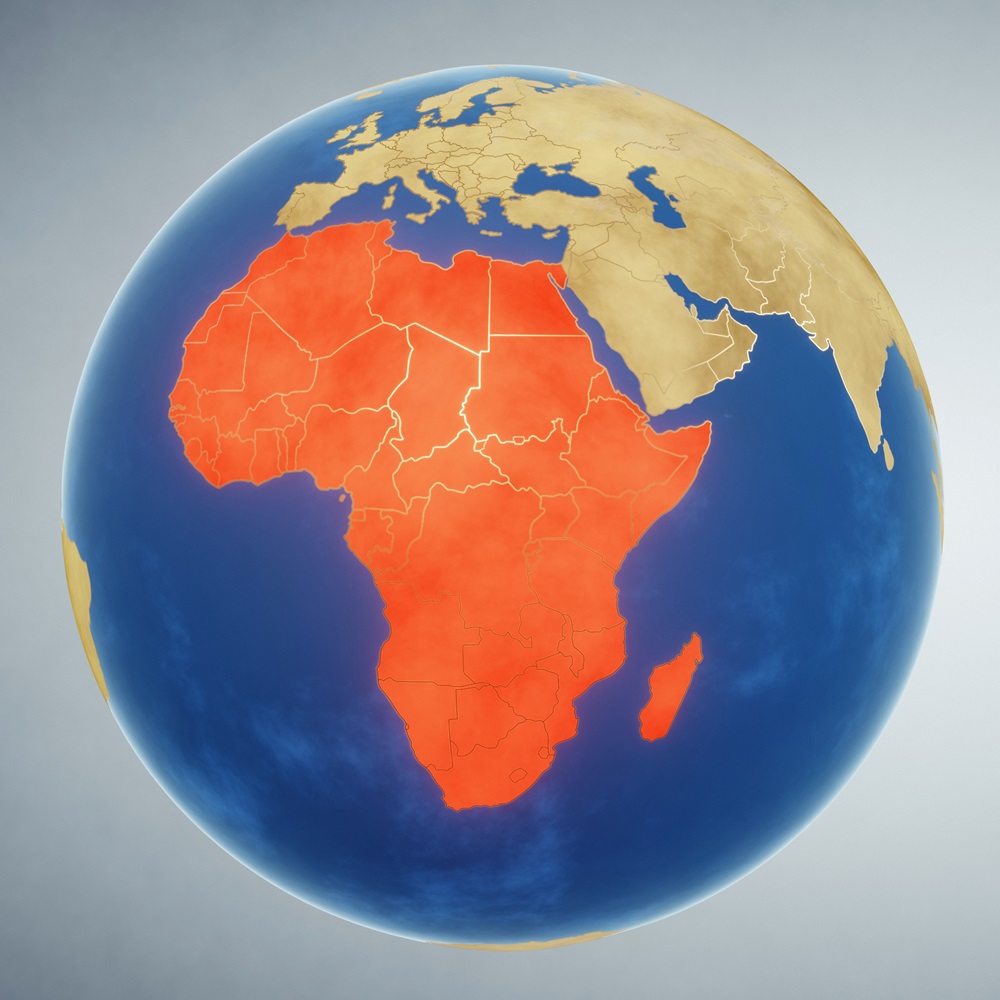
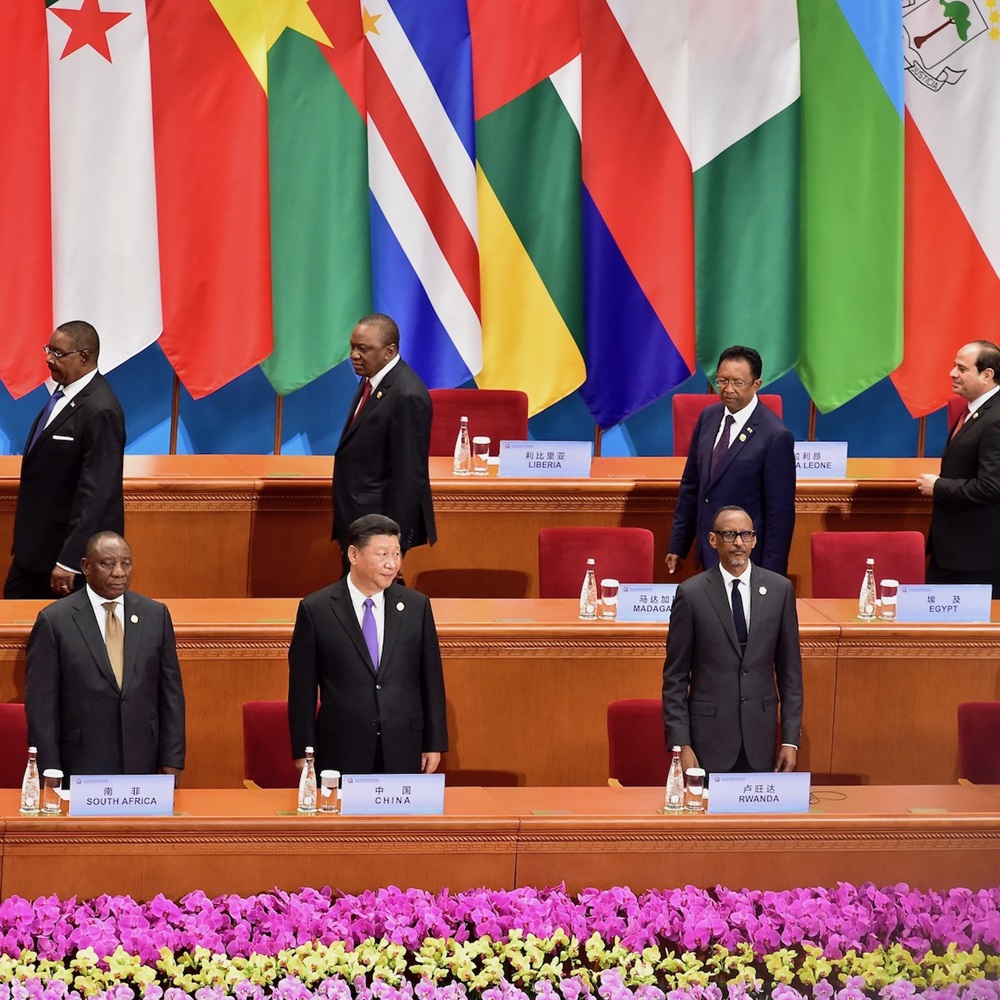
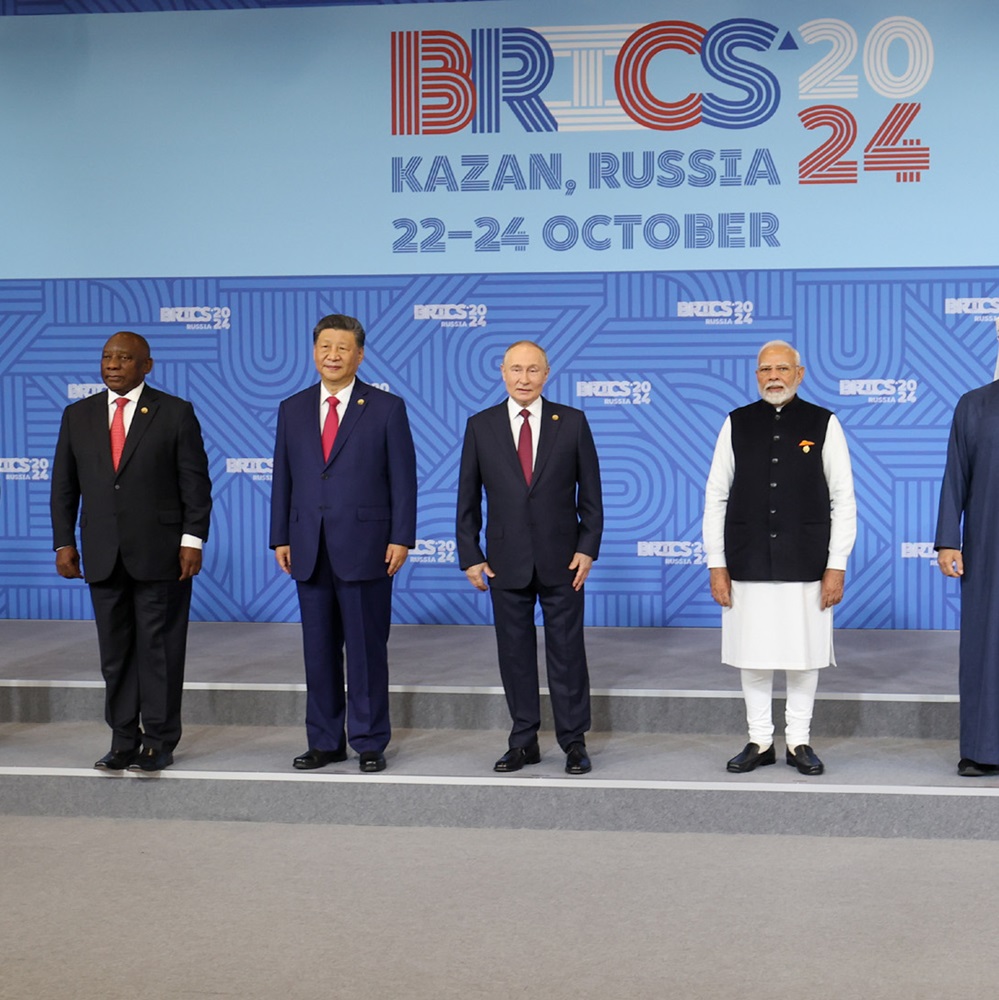
한국어로 읽기Leer en españolIn Deutsch lesen Gap اقرأ بالعربيةLire en françaisЧитать на русском Picture: https://creativecommons.org/licenses/by-nd/2.0/ China now has strategic partnerships with 53 of the 54 African countries; investments range from industry to agriculture After holding bilateral meetings with 25 African heads of state in less than a week, China's President Xi Jinping announced on Thursday (5) the project to implement ten partnership actions with the continent that will be financed by the Chinese government to the value of 360 billion yuan (US$ 51,4 billion). According to the Chinese president, the projects should affect various areas of infrastructure and the transfers should be carried out by 2027. He has been meeting with presidents of African countries in Beijing since Monday (2), before and during the Forum on China-Africa Cooperation (FOCAC, in English), which began on Wednesday (4) and runs until Friday (6). In the current edition, China has decided to sign strategic partnerships with all the African countries with which it has diplomatic relations – or 53 of 54. Raising the level of partnerships is a growing practice in Chinese foreign policy to strengthen ties with countries, mainly in the so-called Global South. The total investment will be divided into a credit line of 210 billion yuan (around US$ 29,8 billion), 80 billion yuan (US$ 11,3 billion) in assistance, and 70 billion yuan (US$ 9,9 billion) of investment by Chinese companies in Africa. Regarding health cooperation, it was planned for the joint creation of an alliance of hospitals and medical centers. China has promised to send 2,000 health workers to the continent and launch 20 programs for health facilities and malaria treatment. According to the WHO, in 2022 Africa had 94% of the world's malaria cases (233 million) and 95% of the deaths caused by the disease (580,000). In agriculture and food, China will provide African countries with 1 billion yuan (around US$ 142,1 million) for emergency food assistance, the construction of standardized agricultural “demonstration areas” of more than 6,600 hectares, the sending of 500 agricultural experts and the creation of a “China-Africa agricultural scientific and technological innovation alliance.” In this sector, the Chinese president said that “two-way investments will be encouraged for new businesses of Chinese and African companies”, to help them gain added value and create at least 1 million local jobs. Common security is the tenth area of cooperation announced. Xi said China will offer 1 billion yuan to train 6,000 military personnel and 1,000 police officers, “and invite 500 young [African] military officers to visit China”. It also announced the creation of a digital technology cooperation center to start 20 digital projects and 30 infrastructure connectivity projects in Africa. This week, the presidents and heads of state of Libya, Mali, Comoros, Togo, Djibouti, the Seychelles, Chad, Malawi and Mauritania signed an agreement to upgrade diplomatic relations with China to the level of strategic partnership. Other countries, such as Nigeria and Cameroon, have adopted what is known as comprehensive strategic partnerships. South African President Cyril Ramaphosa signed a “new era comprehensive strategic cooperative partnership” with the Asian giant, which is now the highest relationship with China among African countries. In addition, two documents were signed, the “Beijing Declaration on Joining Hands to Advance Modernization and Build a High-Level China-Africa Community with a Shared Future for the New Era” and the “Beijing Action Plan (2025-2027)” of the Forum on China-Africa Cooperation. The long name of this Beijing Declaration is part of the country’s diplomatic terminology and is the highest used for a partnership with an entire region. Right to modernization On Thursday (5), Wang Yi, China's foreign minister held a press conference with his counterpart from Senegal, Yassine Fall, and from the Republic of Congo, Jean-Claude Gakosso, to comment on the partnership, results and prospects. Wang Yi emphasized the need to build multilateralism with Africa. “We must always listen to Africa's voice [...] without being condescending.” The Beijing document argues that Africans “are qualified to serve as heads of international organizations and institutions.” African countries, in return, highlighted in the document their appreciation that China was the first country to support the African Union's entry into the G20. China welcomes the fact that more African countries are joining the BRICS, since in addition to South Africa, Egypt and Ethiopia joined the group last year. At the press conference, Wang Yi also called for China and Africa to face together challenges such as “small gardens and high fences”, about the U.S. strategy of protectionism against China. Referring to cooperation with the continent, Wang Yi said the country does not want to “play geographical games, or confront blocs”. “We want to reach a consensus in the international community [...] everyone has the right to modernization.” For his part, Yassine Fall emphasized China's commitment to increasing the supply of exports from African countries to China, the elimination of customs barriers for the least developed countries – which include 33 African countries – and financial support for small and medium-sized enterprises. Translated from Portuguese to English by: Ana Paula Rocha

Energy & Economics
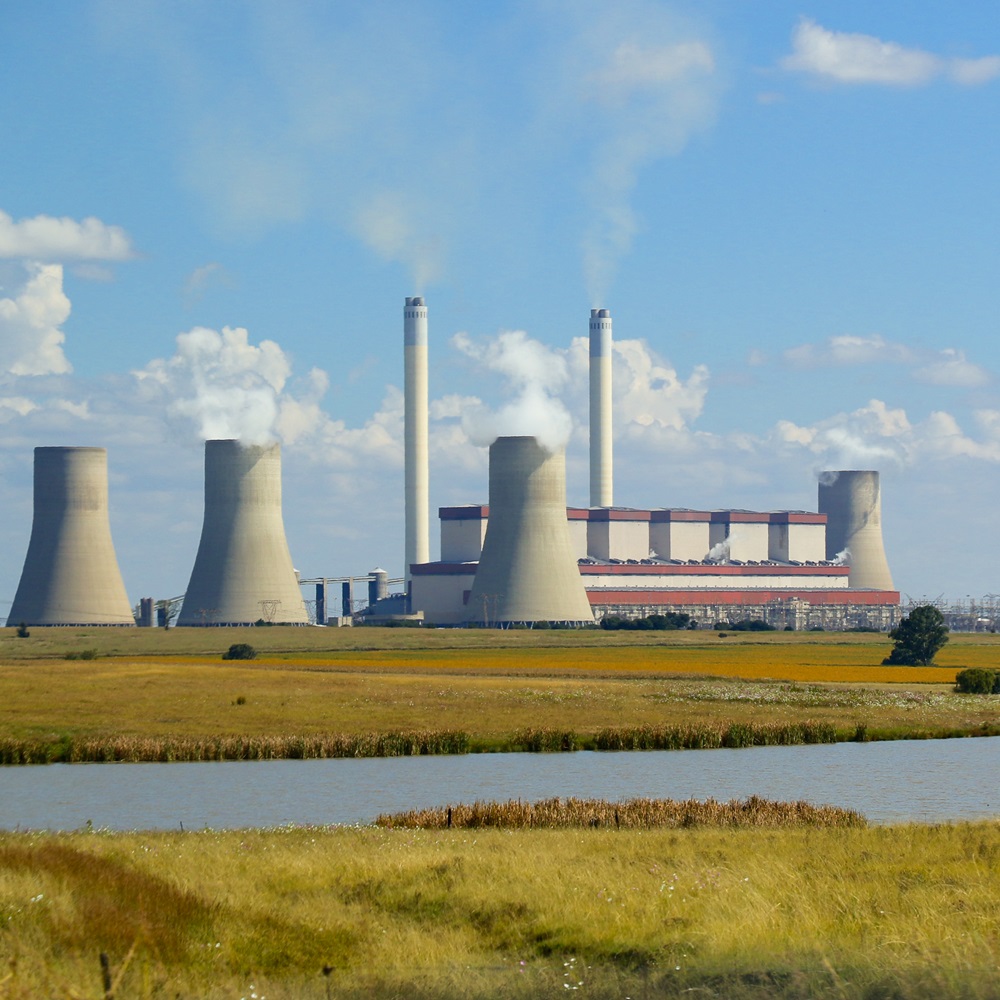
Power plant near Standerton in the South African province of Mpumalanga

Ghana is planning its first nuclear energy plant: what’s behind the decision

by Seth Kofi Debrah

한국어로 읽기Leer en españolIn Deutsch lesen Gap اقرأ بالعربيةLire en françaisЧитать на русском Ghana is considering bids from five companies for the construction of what would be its first nuclear power plant. The companies are: France’s EDF, US-based NuScale Power and Regnum Technology Group; China National Nuclear Corporation; South Korea’s Kepco and its subsidiary Korea Hydro Nuclear Power Corporation; and Russia’s Rosatom. The Conversation Africa’s Godfred Akoto Boafo interviewed Seth Kofi Debrah, director, Nuclear Power Institute, Ghana Atomic Energy Commission, on the pros and cons of adding nuclear power to the country’s power mix, and why Ghana needs to diversify and identify new energy sources. What makes the nuclear option attractive to Ghana? The country’s industrialisation ambitions, fuel constraints, limited resources, climate conditions and international commitments to climate change mitigation are among the factors driving Ghana to include nuclear power in the energy mix. Nuclear power is available all year round, making it reliable. The nuclear power plant is expected to operate as a baseload plant (the production facility used to meet some or all of an area’s continuous energy demand), with a capacity factor of about 92%. A conventional nuclear power plant typically operates for 92% of a calendar year as compared to 54% for natural gas power plants, 24% for solar and 34% for wind power plants. Demand for electricity is growing across the nation. Currently, 84% of the population have access to electricity but may not be connected to the electrical grid. This means the power is available in their area but they may be unconnected due to personal circumstances. Electricity demand is expected to grow rapidly on the back of electrification projects planned by successive governments, like the rural electrification project (which aims at supplying electricity to all communities with a population of 500 or greater) and industrialisation initiatives (such as developing the manufacturing, alumina and iron industries). Another reason for choosing nuclear power is that Ghana sees it as a way of supporting its industrial ambitions in the sub-region. For example, Ghana aims to become a net exporter of electricity in the region through the West African Power Pool, a specialised agency of the Economic Community of West African States. It covers 14 of the 15 Ecowas countries and is intended to supply them with reliable energy at a competitive cost. According to the World Bank, the average electrification rate in west Africa is about 42%, which means that almost half of the region’s population has no access to electricity. Ghana has an 84% electrification rate. Ghana believes nuclear power can help it achieve its industrial ambitions while fighting climate change. As a signatory to the Paris Agreement, Ghana has an international obligation to reduce greenhouse gas. Nuclear power does not produce any of the greenhouse gases. Ghana’s electricity sector is dominated by thermal plants that use natural gas – a fossil fuel. Fossil thermal plants make up 64% of the current energy mix. This is an over-dependence on a single fuel source. Natural gas has competing uses in different sectors, so there are frequent fuel shortages. And the price of natural gas is set by international markets, which leads to price volatility. Ghana has its own source of natural gas. But these reserves are expected to start declining by 2028. How dependable is the country’s current energy mix? Ghana’s current energy mix is made up of 1,584MW installed capacity of hydro, 3,758MW of thermal power plants (mostly powered by natural gas) and 112MW of solar generation. But the dependable capacity (the total amount of electricity that the facility can produce and deliver to the power grid) of renewables is non-existent since the source of their power generation is variable. The dependable capacity of the energy mix of a country matters a great deal. The energy mix must have strong baseload capacity (the minimum amount of electric power needed to be supplied to the electrical grid at any given time) before renewables are considered, to ensure reliability. No industralised nation developed its economy based on variable generation of electricity. They needed a reliable backbone that could be depended on at all times. European countries used natural gas, coal, hydro or nuclear as their baseload capacity and added on variable renewables. If Ghana wants to exploit its natural resources and become an industrial giant, it needs sustainable, reliable and affordable baseload electricity. That can be found in a source like nuclear. What’s the government’s case for nuclear? Ghana doesn’t have many other energy options. It has good sources of hydro but most have already been exploited. Potential small dams are being affected by climate change or variability and illegal mining. And the economic justification for more small hydro plants is in doubt. Ghana started its nuclear power journey as far back as the early 1960s but the idea was never realised. The nuclear power programme was restarted in 2007 under former president John Agyekum Kufuor. The programme has followed the International Atomic Energy Agency’s three-phase approach. Ghana is now at phase 2: vendor selection and site preparation. The plant, which is expected to be constructed along the coast of the country, is planned to come online in early 2030. Given Ghana’s financial constraints, is nuclear power a good idea? Nuclear power plants have proven to be among the cheapest sources of electricity around the world. Even though nuclear has a huge upfront financial burden, its long lifespan (over 60 years) and low running cost makes it one of the cheapest baseload sources of electricity. Around the world, advanced countries seek financial support for their nuclear projects. There are various models to finance nuclear power plant procurement, including the option of a public private partnership. How about nuclear waste and the cost of dealing with it? Ghana already operates one of the few radioactive waste storage facilities in Africa. This means that when Ghana builds a nuclear power plant it will already have capacity in nuclear waste management. Radioactive waste management, which deals with nuclear waste, is an issue that needs to be addressed in the early stages of planning a nuclear plant. This is evident in the International Atomic Energy Agency milestone approach which most countries follow to develop a nuclear programme. It shows all the 19 infrastructure issues that need to be addressed throughout the three-phased approach. It is the only power plant that is responsible in dealing with its waste after its lifetime. In effect, it is the only power plan that plans and pays for its waste management during operation and post operation with dedicated funds for waste management. The costs of managing nuclear waste and the nuclear power plant’s decommissioning at the end of its operating life are included in the nuclear power plant tariff. This is a safety requirement as enshrined in the International Atomic Energy Agency safety standards. Furthermore, the country of origin has strict regulations about decommissioning which have to be adhered to by nuclear power plant owners. One of the major concerns by the public is the treatment or storage of the high level spent fuel that is sometimes referred to as “waste”. High level spent fuel is the fuel that has been used up through irradiation. These used fuels usually have over 90% usable fuel that can be re-used through reprocessing.

Defense & Security
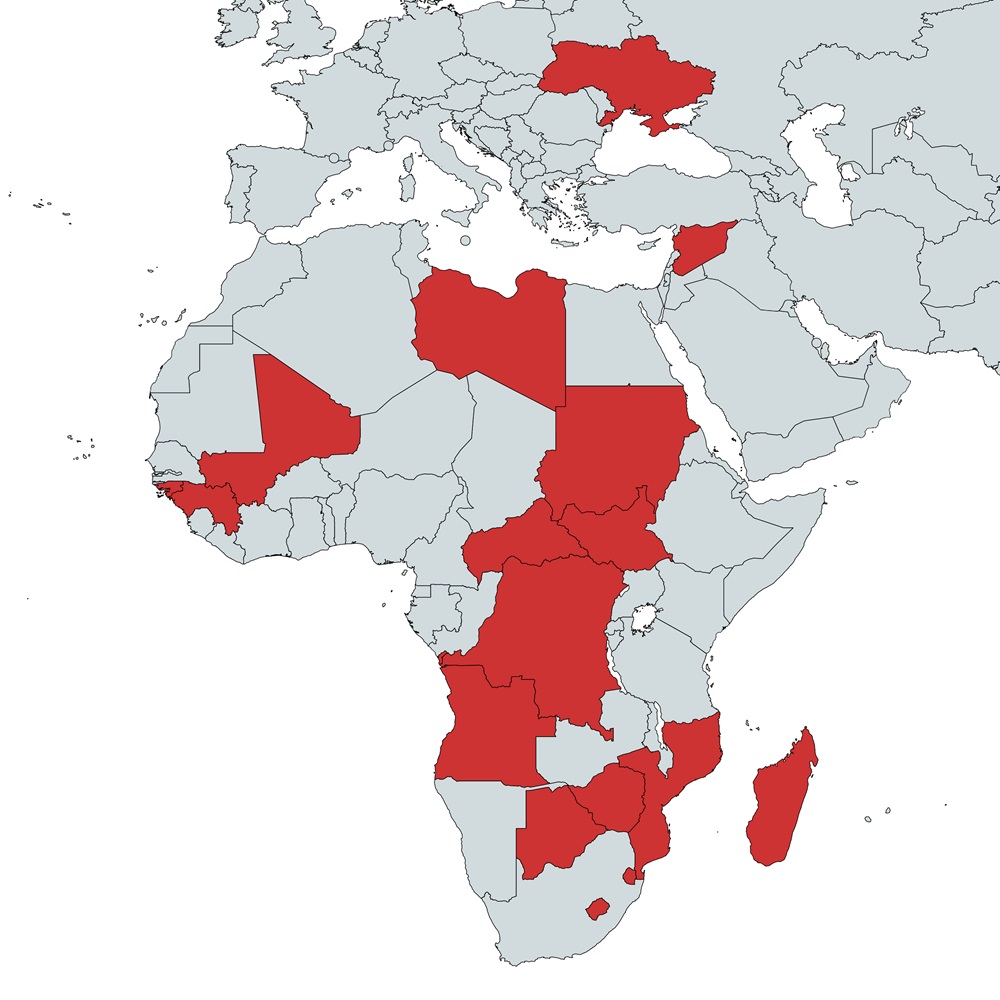
Map Countries where the Wagner Group has been active

The Wagner Group: Russia's Shadow Army and its Impact in Africa

by Isabella Currie

한국어로 읽기Leer en españolIn Deutsch lesen Gap اقرأ بالعربيةLire en françaisЧитать на русском The Wagner Group has maintained an active and controversial presence in Africa since 2017, where it has contributed to regional instability, countered Western influence, and exacerbated human rights abuses. Despite the death of its figurehead in 2023, the emergence of the Africa Corps indicates that Russia’s covert geopolitical strategies in the region will persist. The Wagner Group has gained significant attention since its involvement in the 2022 Russian invasion of Ukraine. As a paramilitary organisation with deep ties to the Russian government, Wagner’s operations blur the lines between state and non-state actions. This ambiguity challenges traditional frameworks of accountability and international law, complicating efforts to address its activities on the global stage. Ukraine is not the group’s only violent contribution to the destabilization of peaceful nations. Wagner has maintained an active presence across Africa since 2017, where it has been accused of numerous human rights violations, including extrajudicial killings, torture, and targeting civilians. The bulk of these activities have unfolded in the Central African Republic (CAR) and Mali. The Wagner Group’s international impact is multifaceted, affecting strategic, economic, and humanitarian outcomes. Functioning as a tool for Russian geopolitical ambitions, the group has contributed to regional instability in Sub-Saharan Africa, countered Western influence by infiltrating anti-Western and anti-colonial movements and sentiments online, and raised significant concerns regarding human rights and international law. In many of its areas of operations, Wagner’s presence has served as a catalyst for conflict escalation, and regional instability. In CAR and Mali, for instance, the group’s presence has been linked to increased violence and human rights abuses and undermining international and regional efforts towards peace and stability. The death of Yevgeny Prigozhin, known as “Putin’s Chef,” on 23 August 2023, came two months after his march on Moscow, sparked by dissatisfaction with the Russian Ministry of Defence’s actions in Ukraine. It is likely that many of the governments and regimes in Africa that “benefitted” from Wagner’s services were deeply concerned about Prigozhin’s death. At the same time, many may have been relieved, hoping that his death might change the brutal and terror-driven campaign of violence that had plagued the Sahel region at the group’s hands. Additionally, Wagner has provided Russia with a platform to pursue state interests through covert operations. Until the invasion of Ukraine, this allowed Putin to maintain plausible deniability regarding association with Wagner and its controversial activities. In addition to military engagements, Prigozhin orchestrated extensive propaganda and disinformation campaigns across Africa. These operations bolstered Russia’s influence in countries that Wagner operated in, while obscuring the ability for international bodies and states to accurately assess and address the allegations of human rights abuses that came alongside Wagner’s deployments. In CAR, the Wagner Group was deployed in 2018 to provide protection for mines, support the government, and offer personal protection for President Faustin-Archange Touadéra. However, Wagner’s role in CAR far exceeded resource and government protection. The group actively engaged in military operations alongside members of the armed forces, leading to numerous accusations of serious human rights violations, including summary executions and sexual and gender-based violence. Despite these allegations, the group continued to receive support from the CAR government. The media outlet, Corbeau News, reported that President Touadéra had authorised Wagner’s sexual violence. This was evidenced in one of Wagner’s most extreme acts in CAR, which occurred in April 2022 when members of the group entered a military hospital in Bangui and sexually assaulted women and new mothers in the maternity ward. One source within the military administration of CAR stated that it was the third time members from the group had entered the maternity ward and assaulted women. In 2021, reports surfaced that Wagner would deploy to Mali to combat a rebel insurgency. This announcement sparked outrage from France, the United Kingdom, and the European Union, who warned Mali against partnering with the group. Similar to its operations in CAR, Wagner’s presence in Mali has been marked by violence and instability. In April 2022, Human Rights Watch released a report detailing the massacre of 300 civilians during a joint military operation involving Malian armed forces and the Wagner Group from 27 March to 31. A key feature of Wagner’s presence has been countering Western influence in strategic regions. The provision of military support to governments and groups engaged in activities against Western-supported entities has been notably destructive. This dynamic was evident in Mali, where in 2022, an extensive disinformation campaign on social media, linked to Wagner, exploited anti-France and anti-imperialist sentiments to undermine the French presence. The campaign, along with “multiple obstructions” from Mali’s military junta led to France announcing the withdrawal of its military forces from Operation Barkhane in Mali in February 2022. Following the announcement, Malians celebrated in the capital, Bamako, and held signs stating, “Thanks Wagner” and “France is a terrorist nation.” Wagner-linked actors then continued their disinformation efforts, attempting to shift blame onto France following the discovery of a mass grave near a military base that French forces had recently vacated. Satellite imagery released by France later revealed Wagner Group mercenaries arranging the bodies in the mass grave. The bodies were believed to have come from a joint-military operation between the Malian armed forces and the Wagner Group in the same area in the days prior. In Africa, Wagner’s operations have been closely linked to the control and exploitation of natural resources. In countries such as CAR and Sudan, Wagner has secured access to valuable resources such as gold and diamonds. Recently, investigative efforts by groups like All Eyes on Wagner have revealed that the group has circumvented sanctions by exporting timber from CAR through Cameroon, in addition to operating an extensive blood diamond trading network. The Wagner Group’s involvement in these countries highlights the group’s role in bolstering autocratic regimes in exchange for strategic and economic benefits. Prigozhin’s march on Moscow in June 2023 had already fuelled significant speculation about the group’s future. Nonetheless, the group’s strategic plan to support autocratic governments, orchestrate foreign interference, and expand influence remains both politically and economically appealing to Moscow. The potential dissolution of the Wagner Group would pose a significant challenge and require the rebuilding of established relationships in countries where it has operated. The emergence of the Africa Corps, a new organisation seemingly poised to assume many of Wagner’s operations, emphasises the strategic and economic value these activities provide for Russia. With the announcement in January 2024 that 100 Russian soldiers from the Africa Corps would deploy to Burkina Faso, it is clear that the Wagner model is one that will continue.

Defense & Security
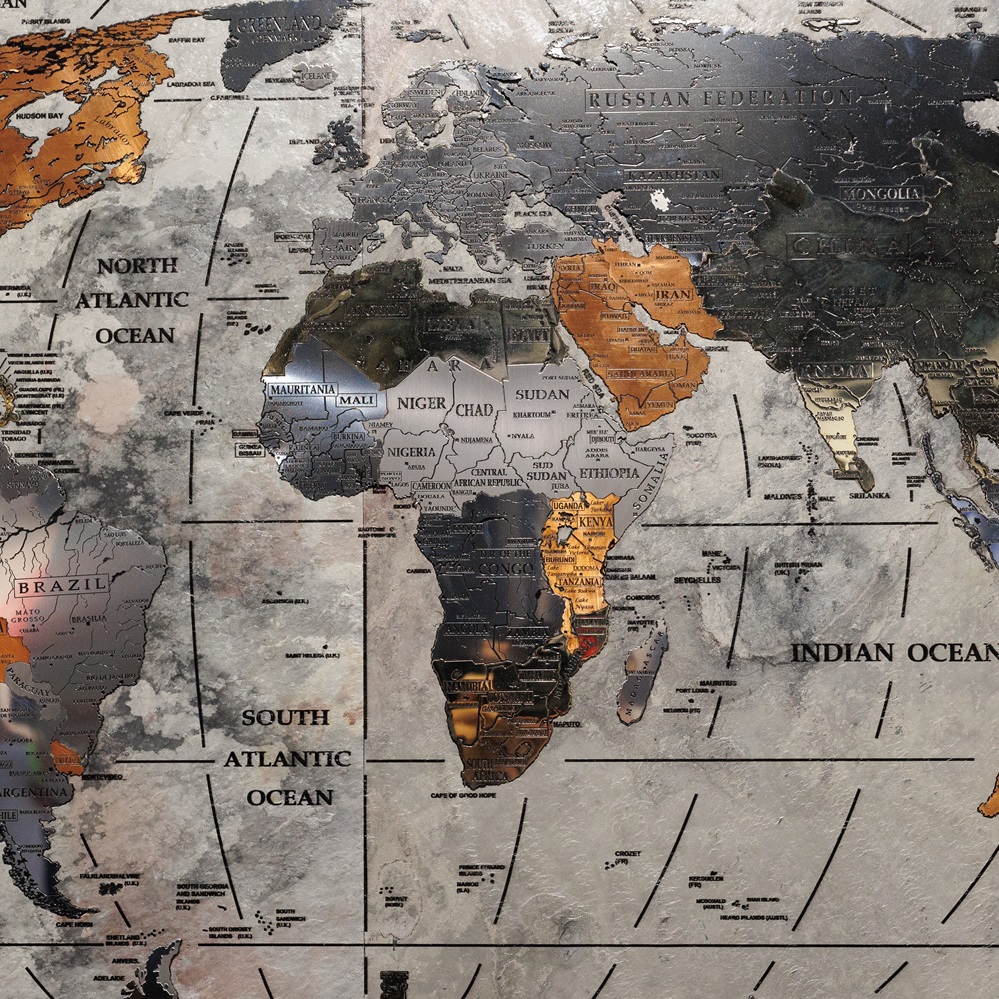
World geographic map made of metallic material with the African continent in the foreground.

Look towards the south

by José Segura Clavell

한국어로 읽기Leer en españolIn Deutsch lesen Gap اقرأ بالعربيةLire en françaisЧитать на русском In a complex moment of geopolitical relations, marked by issues such as armed conflicts or climate change, it is more necessary than ever to pay attention to what is happening in the Sahel and Africa. In a world as turbulent as the one we live in, geopolitics returns to the front pages of newspapers with what is happening in Gaza, the potential consequences of the elections in the United States or France, or, in the Spanish context, the recent visit of our king, Felipe VI, to the Baltic Republics, with particular support and recognition for the Spanish military units serving there, all within the framework of tensions with Russia on the European eastern border. Despite the frequent discussions about the implications these issues have on our lives and our tendency to look beyond our borders for answers, what remains unchanged and continues to surprise me is the lack of interest that the African continent still generates among the public and experts, along with a vast ignorance of the geopolitical importance that the continent is acquiring. For these reasons, today I would like to talk to you about three issues that, from a geopolitical perspective, do not receive the attention and reflection they deserve. First, I would like to remind you that jihadism remains a major threat in many areas of the African continent, especially in the Sahel. In fact, there is barely any discussion about how the security crisis in this part of the world is spreading to the coastal countries of the Gulf of Guinea: Benin, Togo, Ivory Coast, and Ghana. As they often do in Africa, jihadist groups are exploiting structural vulnerabilities, various frustrations, and resentments against states that do not always respond to their citizens' demands as they would like, to recruit young people who will swell their ranks. I recently read a republished article by Óscar Guijarro from the Spanish Institute for Strategic Studies (IEEE, in spanish) titled "The Expansion of Jihadism from the Sahel to the Coastal Countries of the Gulf of Guinea", which I found extremely interesting, especially for Spain. These coastal countries, which appear to have more stable political environments than those in the Sahel, are marked by significant inequalities and socioeconomic divisions in different areas (poor north versus richer south), as well as religious differences that jihadist groups exploit to gain influence. The strategic location of these countries and the presence of forest reserves that are used as resources and refuges facilitate the expansion of jihadism and organized crime, including arms and drug trafficking. While it is true that the European Union is providing support to confront the jihadist threat and that the affected countries are adopting military and cross-border security measures, I believe that at the very least, more attention needs to be paid to this part of the world. Being aware of the importance of jihadist movements' penetration in Africa and their impact on global geopolitics should be a priority. Thousands of people are dying and are being displaced in West Africa due to violence of all kinds, and it cannot be something we ignore. A friend of Casa África, a senior official at the Institute for Security Studies (ISS), Lori-Anne Théroux-Bénoni, spoke in January before the United Nations Security Council on this matter. Ms. Théroux-Bénoni urged the international community not to ignore the Sahel and reminded that strategies to prevent terrorism must acknowledge the deep regional connections that allow extremist groups to recruit, fundraise, and manage their logistics across multiple countries. She asserted that the current situation in the region represents the worst possible scenario of violent extremism, coups d'état, and setbacks in regional integration, and called for international responses. From the ISS, they constantly remind us that the stability of West Africa is important to the global community for multiple reasons, some related to opportunities and socioeconomic development, and others related to terrorist threats, organized crime, and the illegal trafficking of all kinds of goods, from drugs and weapons to people. Regarding governance, Ms. Théroux-Bénoni stated that we must contribute to creating conditions that make coups d'état and political instability less likely. Another issue that I believe doesn't receive enough attention is what some analysts have already dubbed "new Russianism." Colonel and geopolitical analyst Ignacio Fuente Cobo, in articles published by the IEEE, uses this term to define Russia's neocolonial project to expand its influence in Africa, particularly in the Sahel region. While we focus on Ukraine and Europe's eastern flank, the truth is that we fail to fully grasp Russia's strategy of strengthening its presence in Africa. A quick glance at articles about the Sahel reveals that Russia is finding allies among the leaders of the region and a population that prefers Russian assistance over the help traditionally provided by France, for example, to solve their problems. Mr. Fuente Cobo discusses an alternative multipolar world order, whose reinforcement is evident, and Russia's interest in seizing natural resources and evading Western sanctions. The fact is that Russia has shown remarkable skill in exploiting the gaps in European cooperation in the Sahel and has managed to strengthen its position in some countries, particularly through the former Wagner group (now Africa Corps) and the military cooperation. The loss of European influence in the area should concern us and guide the design of our policy in the region, which I believe should always be based on mutual respect, attentive listening to our African partners and friends, and a mutually beneficial partnership that avoids paternalism and, especially, the geopolitical double standards that have discredited the West in the eyes of many countries, now more critical than ever of our decisions on the global stage. To conclude, I would like to highlight one of the many reasons why we depend on the African continent and should pay more attention to it: critical minerals, essential for the global energy and digital transition, a topic discussed by Mar Hidalgo García for the IEEE. In this area, Africa not only attracts Europe's attention. We face competition from other powers, such as the United States, Russia, India, Japan, and Australia. China, for instance, has established a strong presence in Africa, achieved through a long-term strategy that remains consistent regardless of the current leadership and involves more than just words. I believe it would be worthwhile to reconsider the focus on migration that seems to dominate the EU’s African strategy and to look beyond it by establishing strategic partnerships and developing infrastructure to negotiate access to African mineral resources, for example. Countless authors and analysts dedicate time to reflecting on the geopolitical implications of the changes occurring in our neighboring countries and to searching for formulas and strategies that can help us strengthen and improve our relations. What perhaps isn't emphasized enough, besides the need to look towards our southern neighbors and care about what happens to them, is that understanding and cooperating with them is the only way to progress and ensure that Europe remains relevant in the world. An equitable partnership based on mutual respect and a shared future is imperative. For the good of all. Article written by José Segura Clavell, Director General of Casa África, and published in Kiosco Insular, eldiario.es, and Canarias 7 on June 28 and 29, 2024.

Defense & Security
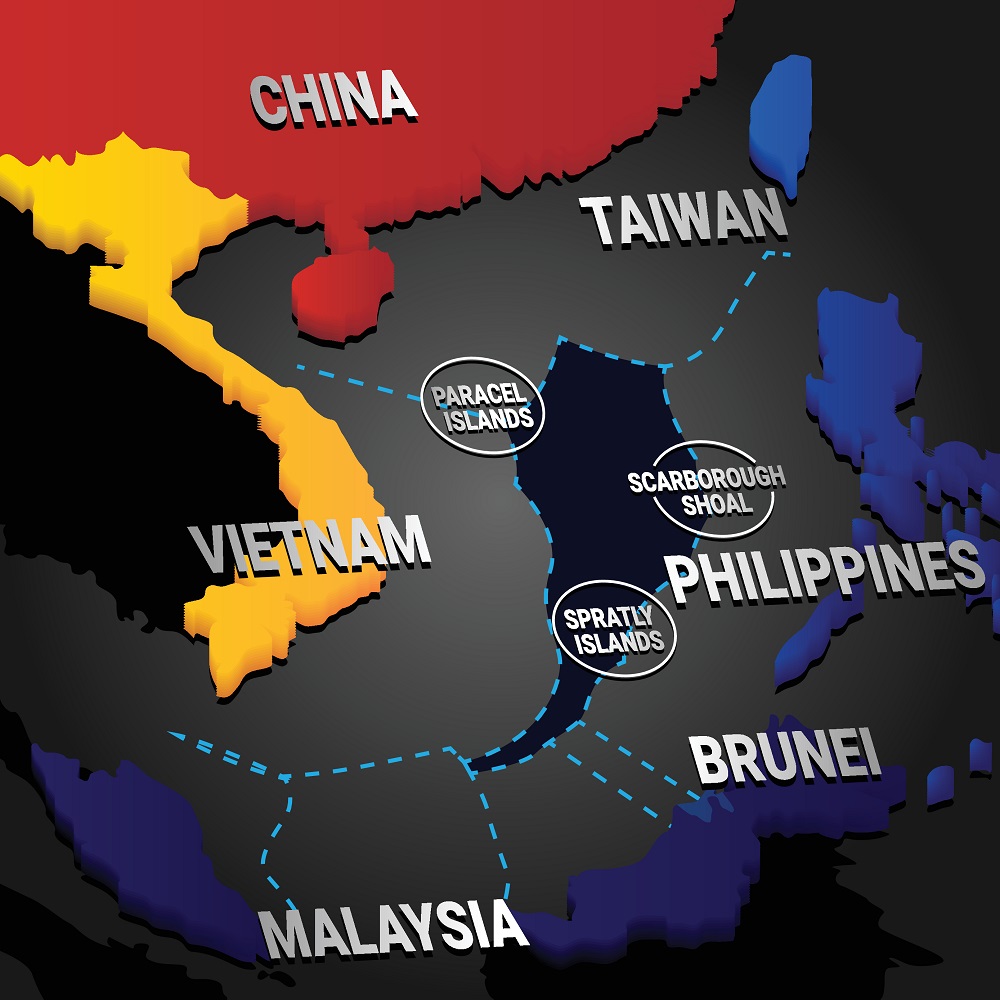
Disputed Claims In The South China Sea.

Africa’s delicate diplomacy in the South China Sea dispute

by Samir Bhattacharya

한국어로 읽기Leer en españolIn Deutsch lesen Gap اقرأ بالعربيةLire en françaisЧитать на русском The ongoing skirmishes in the South China Sea between China and regional states represent another severe threat to the world economy, directly affecting Africa. As China grows increasingly aggressive in its race for global hegemony and influence, and the United States (US) slowly plunges into the battle to prevent China’s rise, the world is watching the unfolding of this rivalry with unease. Although a few places have felt intense pressure from this alarming competition, the South China Sea (SCS) region is where a violent showdown looks increasingly probable. Unlike the war in Ukraine or Gaza, the US and China may start a direct war in the SCS. And amidst this multifaceted new Cold War 2.0, Africa remains cautious. The South China tinderbox On 23 April, another skirmish took place between China and the Philippines when two Filipino patrol boats approached the shallow turquoise waters of a disputed shoal around 194 km west of the Philippine Islands province of Palawan. The patrol boats were there for an underwater survey near the disputed shoal claimed by both China and the Philippines, thus prompting a Chinese response. A Chinese coast guard, via radio, instructed them to leave the area and threatened hostile measures. Following several radio exchanges, the Chinese coast guard damaged both the Philippine patrol boats by firing high-pressure water cannons at them. However, this was not the first time China’s assertion in this region has caused friction with other SCS neighbours, including Japan and South Korea. China has used an unconvincing U-shaped “nine-dash line” that crosses the exclusive economic zones, or EEZs, of Brunei, Indonesia, Malaysia, the Philippines, Taiwan, and Vietnam to demonstrate its claim in the region. Despite their low intrinsic value, the region lies along a vital trade and supply corridor that supports over US$3 trillion in yearly shipborne commerce. Oil, gas, and fishing sources abound in the area. Beijing has declined to acknowledge a 2016 decision from the Permanent Court of Arbitration that ruled Beijing’s broad claims invalid based on historical grounds. China and the Philippines have already fought many times over the Second Thomas Shoal and the Bashi Channel. China has become increasingly aggressive in the region in the last few years, putting regional stability at high risk. So far, these skirmishes will likely remain regional without the risk of any full-scale war. However, there are risks of casualties or even the vessel capsizing. Making of Cold War 2.0 over the SCS Washington’s response to the upcoming crisis is still modest. US President Biden raised concerns about China’s actions in the SCS , including efforts to impede the Philippines from resupplying its forces on the fiercely disputed Second Thomas Shoal. The US has repeatedly warned China that it’s obligated to defend the Philippines, its oldest treaty ally in Asia, if Filipino forces, ships or aircraft come under an armed attack. The US also conducted Balikatan drills (‘shoulder-to-shoulder’ in Tagalog) with the Philippines with more than 16,000 American and Philippines military personnel. Indeed, its resources are thinly stretched, and Beijing seems to be moving ahead. To deter China by stepping up regional defence diplomacy, Washington is exploring the possibility of a security alliance with Japan, Australia, and the Philippines, tentatively called SQUAD. This is in addition to two other existing groupings in the region, “Quad” and “AUKUS,” a defence pact among Australia, the United Kingdom and the US. While AUKUS is a defence pact, Quad is simply a dialogue platform. Africa’s tricky balancing act Even while the socioeconomic repercussions of the Russia-Ukraine war have not yet wholly subsided in Africa, the ongoing skirmishes in the SCS represent another severe threat to the world economy, directly affecting several African nations. Despite being geographically far, the conflict’s spillover effect would impact the continent’s food security in terms of both the availability and pricing of some food crops. In addition, the SCS region represents a crucial geographic sweet spot for Africa as a source of trade and investment, translating into growth and development for many African economies. The crisis can potentially fuel price rise, particularly for oil-importing countries. The prospect of a consequential price rise of essential commodities will have enormous ramifications for domestic stability in most African countries. Furthermore, many African economies heavily rely on trade, investment, and aid from South and Southeast Asia, the crisis will significantly hamper the development and growth of the continent. There are also strategic lessons for Africa to learn from the conflict. China’s principal interest in Africa consists of protecting its BRI investments and ensuring steady trade flow. Africa is also essential for China to fulfil its resource needs, maintaining industrial growth and energy security. Therefore, securing stability in countries where China has invested is in China’s interest, just like keeping a stable relationship with China is in the interest of those investment-starved countries. Further, since many investment projects in China are located in different African countries, these countries should be careful. China can become aggressively irredentist, even in Africa. Currently, China owns a naval base in Djibouti and a ballistic missile tracker Yuan Wang 5, off the coast of Durban. It has strong economic influence across the countries of Africa’s east coast thanks to its Belt Road Initiative (BRI). On the West Coast, China has many seaports financed or constructed by Chinese entities. If the national governments of these countries fail to pay, China would happily take control of these ports through lease as it did in Hambantota, Sri Lanka. In addition to Sri Lanka, other South Asian countries such as Pakistan, Nepal, Bangladesh, and Myanmar also faced dire consequences due to the failure of their BRI debt payment, leading to economic crises, and sometimes even political crises. Therefore, caution would be expected from these African governments. Conclusion China’s increasingly aggressive posture over the SCS raises concerns about the stability of the region. As the current uneasy détente between the US and China bears remarkable similarities to the Cold War, questions are raised regarding the possibilities of a new Cold War 2.0. Questions are also raised concerning the possible reactions from different African countries vis-á-vis Chinese aggression in the region. Undoubtedly, any serious conflict between China and the Philippines would be dangerous. These frequent skirmishes may not lead to a direct war between the US and China. Yet, the risk of vessel capsizing and casualties is high. Any such event would ultimately spark a crisis in Africa. So far, Africa is cautious and continues to balance its great power relationships. Undoubtedly, it is increasingly concerned with the aggressive posture of the Chinese in the region. On the other hand, it needs China for economic purposes. Therefore, Africa will continue to walk the tightrope where it would want US involvement in de-escalating the situation without ruffling any feathers with China. The views expressed above belong to the author(s).

Defense & Security
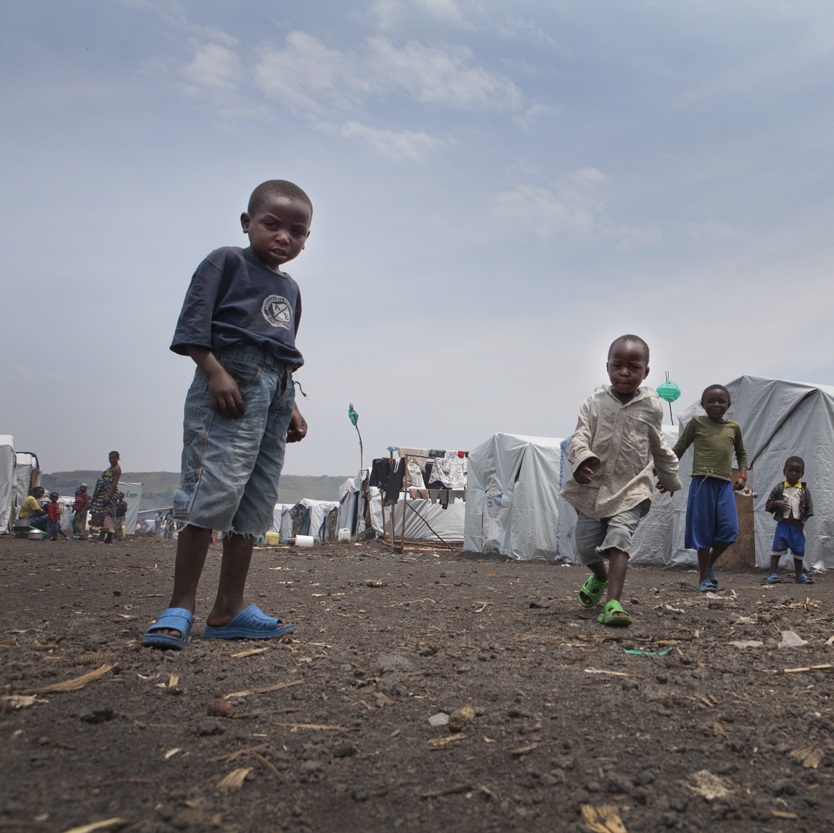
Kanyarucinya

Eastern Democratic Republic of the Congo: Continuing Humanitarian Action in One of the World’s Most Forgotten Crises

by Francine Kongolo

한국어로 읽기Leer en españolIn Deutsch lesen Gap اقرأ بالعربيةLire en françaisЧитать на русском For almost three decades, North Kivu has been plagued by armed conflict, causing repeated displacement of thousands of residents. Despite humanitarian efforts, the needs of displaced people and host communities far exceed available resources, with many affected by ongoing violence and limited media coverage. In North Kivu, South Kivu, and Ituri, three provinces in eastern Democratic Republic of the Congo (DRC), years of conflict and armed violence have led to a deep and complex humanitarian crisis. Hundreds of thousands of people have been and are being displaced, often repeatedly. In places of refuge, camps for displaced people, and among host families, living conditions remain precarious. With growing insecurity and needs, it is increasingly difficult to provide a suitable humanitarian response. This is also due to the lack of funding dedicated to this crisis. According to the International Organization for Migration, the DRC reached almost 7 million displaced people in 2023–the highest number ever recorded in the country. Approximately 81 percent of these people live in the provinces of North Kivu, South Kivu, and Ituri. Armed conflict remains the main cause of displacement. “The fighting was so fierce that we decided to leave our village of Shasha and seek refuge in Sake. Shortly after arriving, my son was injured by shrapnel from a bomb. He was hit in the head, leg and arm. Of course, we’re used to being displaced, but this time it’s awful, the violence is unheard of…” Esther (40, sits at her 11-year-old son’s bedside at the CBCA Ndosho hospital (supported by the International Committee of the Red Cross [ICRC]) in Goma, the capital of North Kivu Province. The two parties have been fighting in the North Kivu region for almost two years. From October 2023 to the beginning of 2024, the violence intensified greatly, causing an increasing number of casualties and injuries among both weapon bearers and civilians. Between 1 October 2023 and 29 February 2024, 540 wounded people were treated by the ICRC at CBCA Ndosho in connection with this conflict. North Kivu: More than two decades of violence North Kivu has been beset by armed violence for almost 30 years. In recent years, the province has seen various armed conflicts that continue to affect communities. “In 1996, we fled to Uganda when the AFDL (Alliance of Democratic Forces for the Liberation of Congo-Zaire) entered the DRC. Then, in 2008, when the CNDP (National Congress for the Defence of the People) war broke out, we were forced to leave our village and flee to Goma. The recent fighting linked to the M23 crisis meant that my nine children and I had to move twice in just one month. Whenever there’s fighting, we move and whenever we move, everything stops,” says Jean, a displaced person living in Kabaya in Rutshuru territory. Thousands of households have been forced to flee their homes. Many have been displaced several times, forced to leave everything behind. Crammed into collective centres or camps for displaced people, and lacking latrines or waste-disposal systems due to a lack of resources and the continuous arrival of new displaced people, they are at risk of epidemics, including cholera. In remote and isolated areas, families and communities who were once displaced themselves host other displaced people unable to reach a town due to distance, weather conditions or dangers they are exposed to during their displacement. Also affected by years of violence, these families and communities are forced to share their meagre resources, at the risk of falling into extreme poverty themselves. The same situation can be observed further north in the province, in Beni territory, where thousands of people are caught between local armed groups, attacks attributed to the Allied Democratic Forces (ADF) (an armed group affiliated to the Islamic State group) and joint military operations against the ADF by the Congolese and Ugandan armies. Access to water, food, shelter, essential household goods, and health care remain critical for displaced people and members of host families. People’s needs, which are constantly growing, are exceeding the response capacity of humanitarian organisations. “As a Pygmy, I grew up in the forest, eating fruit and hunted animals for free. Because of the violence, armed men came and chased us out of the forest, killing my whole family, my four children and my wife. Now I’m a refugee here in Oicha. I’m finding it hard adapting to life outside the forest,” Pierre, 38, says sadly. He lives in one of Beni territory’s camps for displaced people. In the DRC, the ICRC is working to provide emergency assistance to displaced people. From January to December 2023, more than 247,000 people received food assistance and over 103,000 others received household items. Emergency response projects also provided more than 500,000 people with access to drinking water. In addition, under the mandate conferred on it by the states party to the Geneva Conventions, the ICRC strives to prevent human suffering by promoting and strengthening international humanitarian law. Working closely with the DRC Red Cross, the ICRC is helping people who have lost contact with their families to find them. In 2023, the ICRC helped reunite 465 families in the DRC and neighbouring countries. The ICRC also maintains a bilateral and confidential dialogue with armies and non-state armed groups to promote respect for civilians and persons hors de combat, particularly to prevent situations such as sexual violence or the recruitment and use of minors. Out of the spotlight, Ituri sinks deeper Military operations involving the ADF group in the north of North Kivu Province are also spreading into the neighbouring province of Ituri. Tensions over land rights in Ituri have exacerbated divisions between communities and are seen by some as a cause of the violence. Some conflicts and community tensions have led to serious acts of violence, causing the displacement of around 1.7 million people in the province. Attacks recorded against villages, hospitals, schools and even camps for displaced people have not received media coverage and have been met with general indifference. “The war tore away my foot and with it my soul. I won’t be able to return to my home village in this condition. Right now, we’re living off our host families’ charity,” confides Antoine, 50, a displaced person living in Dala, Djugu territory. At least 68 civilians lost their lives in Ituri during violence attributed to armed groups between mid-January and mid-February 2024, as reported by the United Nations Office for the Coordination of Humanitarian Affairs. Precarious situation in South Kivu Since the clashes between the Congolese army and the M23 intensified in January 2024, thousands of people fleeing neighbouring North Kivu have settled in Kalehe territory, South Kivu, adding to the number of people in need in this province. Having also received less attention, the crisis in South Kivu has persisted for several years. The security situation remains marked by the presence of approximately 20 armed groups. Constant clashes among ethnic armed groups, and between these groups and the Congolese army, are causing population displacement. On 31 December 2023, the United Nations estimated that there were 1.5 million internally displaced people. As in North Kivu and Ituri, these population movements are causing the loss of livelihoods. Entire communities, mainly farmers, often find themselves far from their fields and without the seeds to resume their farming activities in their place of refuge. “Being displaced is frustrating. It’s heartbreaking to be living on humanitarian aid while our fields have become scrublands,” laments Judith, who moved to the Mikenge camp for displaced people with her husband, daughter-in-law, and grandchildren. They were forced to abandon their village when armed group members burned it down. To help communities regain their livelihoods, the ICRC often distributes seeds to communities in need. In 2023, 261,552 people received support to help them resume their agricultural activities. More needs but less mobilisation Eastern DRC is said to contain around 100 armed groups. Against this backdrop of proliferating armed groups and subsequent military operations, the violence has, among other things, increased the vulnerability of civilian populations even further. The duration of the chronic crises in North and South Kivu, as well as in Ituri, has led to the “normalization” of their humanitarian consequences, and a low level of donor mobilisation. However, needs are constantly growing, as is insecurity. Of the 113.6 million total population of the DRC, the United Nations estimates that more than 25.4 million people will need aid in 2024.

Defense & Security
Juba, South Sudan, February 2017. People with yellow jerrycans waiting for water at a borehole site. Salesian camp for internally displaced persons (IDPs).

Sudan and the "ghost war"

by Alessia De Luca

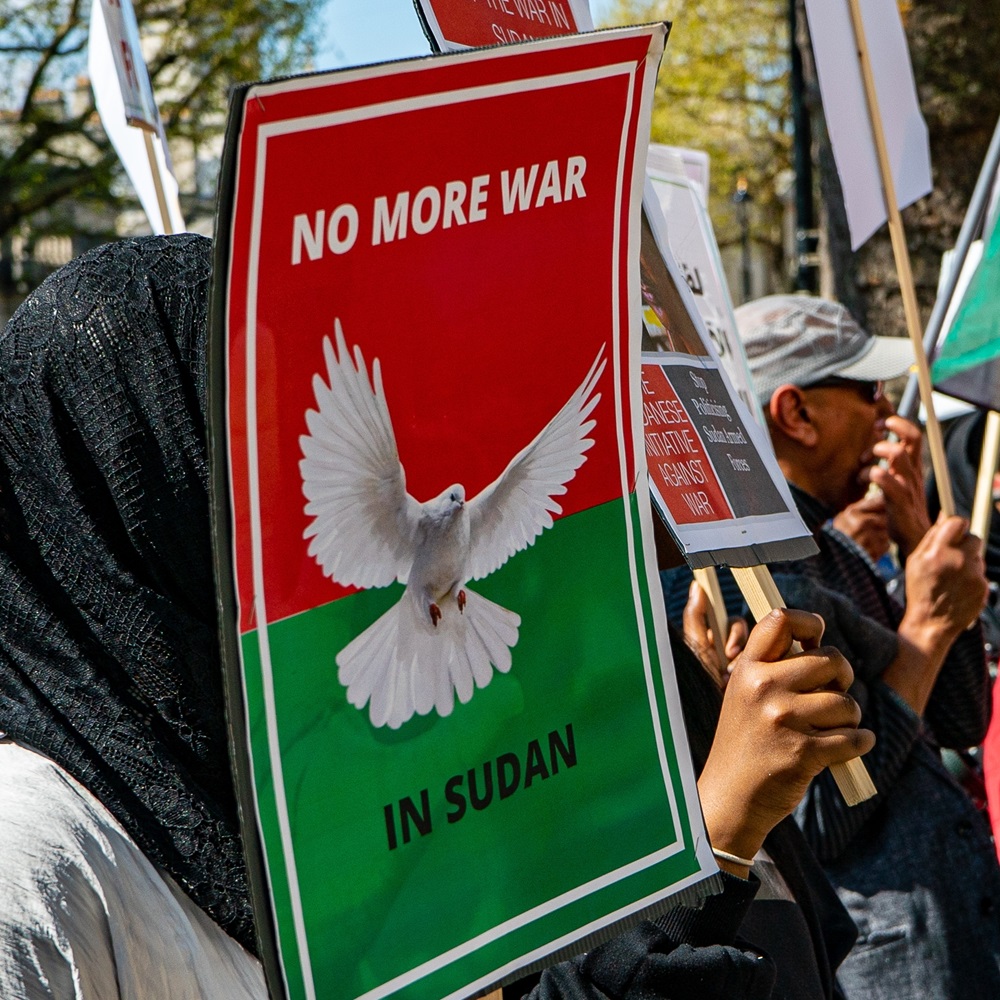
한국어로 읽기Leer en españolIn Deutsch lesen Gap اقرأ بالعربيةLire en françaisЧитать на русском A year after the start of the civil war, the country is overshadowed by violence and mass famine, amidst the silence and indifference of the world. After a year of civil war, Sudan is turning into a failed state. Humanitarian organizations on the ground are sounding the alarm on the first anniversary of the onset of violence. 'In the past year, I have seen my country descend into violence, madness, and destruction,' – said Elsadig Elnour, director of Islamic Relief for Sudan – 'amid the indifference of the rest of the world.' According to Doctors Without Borders, the country is facing a dramatic humanitarian crisis, with over 8.4 million people, about 16% of the population, including 2 million children under 5 years old, forced to flee within the country or across the border, and it is on the brink of mass famine. The conflict, a power struggle between the Sudanese Armed Forces (SAF) led by General Abdel Fattah al-Burhan and the paramilitaries of the Rapid Support Forces (RSF) commanded by Muhammad Hamdan Dagalo, a warlord known as Hemedti, has already caused more than 14,600 casualties, according to the United Nations. However, the humanitarian response has tragically remained inadequate: only 5% of the funds requested have been allocated, making an already critical situation desperate, where Sudanese authorities systematically block the delivery of aid in some areas, while the RSF loot health facilities and supplies. The United Nations High Commissioner for Human Rights, Volker Türk, has warned the international community of the likelihood of further escalation of violence 'as the parties to the conflict arm civilians' – he explained – ‘and more and more armed groups join the fighting'.    A wall of silence? Despite humanitarian alarms, Sudan remains almost entirely absent from the news and global debate, both focused on the wars in Gaza and Ukraine: so far, international donors have allocated almost a thousand times more aid to Kiev than to Khartoum. To break the 'wall of silence' and reverse this trend, France organized an international conference in Paris that raised two billion euros. But it was precisely from the French capital that the director of Save the Children, Dr. Arif Noor, highlighted the shortcomings of international commitment: 'In the first 100 days of 2024' – Noor said – 'the amount of money raised for the humanitarian crisis in Sudan was less than a fifth of the funds allocated in just two days to rebuild Notre Dame Cathedral’. Noor has defined it as 'shocking to note that, after a fire in which no one died, donors have been so generous in funding the restoration of the Cathedral, while 14 million children are left to fend for themselves as war rages in the country, hunger and diseases increase, and schools have been closed for over a year.' Noor and other operators have urged world leaders to work directly with the warring parties to ensure respect for international law, in the context of a conflict characterized by widespread and documented violations against the civilian population, mutilations, and rapes, especially of young people. The wars within the war? On April 15, 2023, after fighting erupted in the capital Khartoum and violence quickly spread to western Darfur, some observers still hoped that the conflict could be contained. Optimists hoped that, as in previous wars in Sudan, the two parties would quickly reach a stalemate and reach a power-sharing agreement. A year later, we can say that the war has taken a completely different turn, fracturing into a myriad of local conflicts affecting various of the 18 provinces into which the country is divided, and intertwining in the country's complex ethnic mosaic, ultimately involving various militias and rebel groups, along with their foreign supporters. Currently, weapons and militias pour into Sudan from the borders with Chad, Libya, and the Central African Republic, and through the Red Sea. According to various sources, mercenaries from Russia and Ukraine now support one militia or another, while competition for access to land and underground resources fuels the violence. And since neither of the warring parties can deliver the decisive blow, both the SAF and the RSF have begun to 'lose pieces,' creating rebel subgroups that in turn operate according to different agendas and interests. In this scenario, no one currently seems capable of restoring control over the entire Sudanese territory. 'We are plunging towards a failed state', observes Tom Perriello, American special envoy for Sudan, while after a year of war, the country witnesses the massive militarization of local communities, a dynamic that is unlikely to be reversed in the short term. The risk of famine? The country engulfed in violence also faces the risk of famine: according to the latest report from the Integrated Food Security Phase Classification (IPC), acute malnutrition will affect most of the country by June, killing half a million people. In the 'extreme' scenario predicted by the Clingendael Institute, up to a million people could die. Due to the war, much of Sudan, especially Darfur, did not yield crops in 2023. Grain production has plummeted while the price of basic food items has increased by up to 88%. These forecasts are expected to worsen as the fighting has now reached the country's 'granary,' the State of Gezira, and although the UN has yet to officially declare famine, few doubt that it is already underway in some parts of Sudan. Further complicating the situation is the fact that, except for a few dozen trucks transported with great difficulty, humanitarian aid does not reach conflict zones. International organizations have reported multiple obstacles, as well as the armed groups' desire to control everything entering and leaving areas under their control by improperly appropriating supplies to resell them on the black market. Currently, hopes that something will intervene to save the country from the abyss it is sinking into are minimal and are directed towards Cairo, where ceasefire talks are ongoing. A separate negotiation, supported by the United States, is expected to resume soon in Saudi Arabia, but a date has not yet been announced. The comment by Lucia Ragazzi, ISPI Africa Program "After the initial weeks since its dramatic beginning in April 2023, the war in Sudan suffered from low priority in the international agenda. However, its consequences continued to manifest in the country and neighboring countries with dramatic intensity. On the one-year anniversary of the war's start, the international conference in Paris has rekindled attention on this serious conflict, taking a step forward to address the severe funding shortfall needed to address the crisis. Increased aid is crucial for a conflict that has already generated the most severe refugee and displacement crisis in the world, risking also becoming the largest food emergency. But, as highlighted by United Nations Secretary-General Antonio Guterres, 'beyond global support for aid, there is a need for concerted and global push for a ceasefire, followed by a peace process.'"

Energy & Economics
U.S. President Joe Biden participates in a bilateral meeting with General Secretary of the Chinese Communist Party Xi Jinping. Monday, November 14, 2022, at the Mulia Resort in Bali, Indonesia.

Retaining US influence in Africa requires bridge-building with China

by Jakkie Cilliers

한국어로 읽기Leer en españolIn Deutsch lesen Gap اقرأ بالعربيةLire en françaisЧитать на русском In a complex new multipolar world, a country’s allies and friends will determine the global pecking order. Despite its large population, Africa is a small global player. Its combined economy is less than 3% of the world economy, and Africa’s political heterogeneity makes it difficult to stand united on contentious issues such as China’s claim over Taiwan or the war in Ukraine. Although most African countries aren’t part of global value chains, external economic challenges and tensions affect them deeply. Africa’s most violent period since independence was in the years before the Berlin Wall collapse in 1989. At the time, tensions between the United States (US) and former Union of Soviet Socialist Republics (USSR) led to intense proxy wars in the Horn of Africa and Angola. Based on that experience, a new era of competition between the US and China doesn’t augur well for the continent. At its peak, the USSR’s economy was only half that of the US, whereas the US and China will be roughly equivalent in the next decade. China is already larger when using purchasing power parity. By 2050, the Chinese economy will be almost 30% bigger. China is the world’s factory, manufacturing cheaper and more than anyone else. It has flooded the world with affordable solar and wind products to fuel the green transition. China is the global trade destination for many and it builds much of Africa’s infrastructure. China and surrounding Asian countries are emerging as the most important source of economic growth globally. According to an in-depth study by The Economist in May 2022, ‘No other country comes near the breadth and depth of China’s engagement in Africa.’ In contrast, US trade and investment with Africa is declining. If the US wants to maintain its influence on the continent, it should find ways to collaborate rather than compete with China. The bill proposed in April by a bipartisan group of senators to renew the African Growth and Opportunity Act (AGOA) for another 16 years shows that influential US groups are willing to engage with Africa for the long haul. With its low levels of trade reciprocity, the AGOA trade model is well suited to Africa’s needs. The US should use AGOA as a carrot to boost Africa’s exports, not a stick for economic coercion to achieve political objectives. The rise of China in a crowded world means the future will be quite different to previous periods of competition and cohabitation. Many of Africa’s ruling elites cast longing eyes towards China’s autocratic development model as a means to reduce poverty. Democracy and the free market haven’t delivered development, they argue. There is a sense of restlessness in Africa, where the median age is only 19. The youth bulge is expanding with limited prospects for formal employment, a healthy life or meaningful education. To analyse the impact of various global futures on Africa’s development, the Institute for Security Studies’ African Futures and Innovation programme has examined recent and likely global power shifts. For the past century, the US has been the most powerful country in the world. It has successfully presented a narrative that equates global development, stability and progress with American interests and values. Many Africans look to the US, given its freedoms and opportunities – although positive views of the US are dropping in number. The image of a violent mob descending on the Capitol in January 2021 shattered the myth of American exceptionalism, exposing a country torn asunder by its political divisions. Rural America’s reaction to globalisation and the rise of domestic populism detracts from US soft power. At the same time, its declining ability to deter others is on display in the Middle East, which is on a knife edge. Instead of oil from Africa, the next commodities boom for the continent will come from minerals needed for the renewable energy transition. This is reflected in a recent United States Institute of Peace report exploring Africa’s role in diversifying US critical mineral supply chains and strengthening the rule of law, transparency and environmental and labour standards. The US faces an uphill struggle since China has already secured much of Africa's known supply of critical minerals. China’s dominant position regarding these resources reflects the extent to which it is in a different league to the former USSR. Instead of confronting China in Africa, the US must find ways to collaborate with it. Africa cannot again serve as an arena for proxy conflicts and competition, this time between the US and China. Plus, it is Russia, not China, that is now the spoiler in Africa. The extent to which Sahelian countries are experiencing a resurgence of military coups with regime protection provided by Russia’s Africa Corps (previously Wagner) augurs poorly for the continent’s future. The more significant challenge is that the West faces a much larger and more powerful cohort of detractors, perhaps most readily depicted as the G7 versus BRICS+. The impunity that the West has provided to Israel for its war in Gaza and further afield reinforces global south views that different standards apply to them compared to the developed north. Current indications point to China becoming more influential in Africa, with many countries turning eastward. Rather than a new unipolar or even bipolar order, the trend is towards a complex, multipolar global power configuration where one’s allies and friends will determine the international pecking order. Learning to rely on them will be a new experience for the US. This article was first published in Africa Tomorrow, the African Futures and Innovation blog. Exclusive rights to re-publish ISS Today articles have been given to Daily Maverick in South Africa and Premium Times in Nigeria. For media based outside South Africa and Nigeria that want to re-publish articles, or for queries about our re-publishing policy, email us.

Diplomacy
Kenyan President William Ruto

Kenyan president will receive White House praise over troops-to-Haiti move − but lack of action across Americas should prompt regional soul-searching

by Jorge Heine

한국어로 읽기Leer en españolIn Deutsch lesen Gap اقرأ بالعربيةLire en françaisЧитать на русском Kenyan President William Ruto will attend a rare U.S. state reception for an African leader on May 23, 2024 – but much of the chat will be about a third country: Haiti. Kenyan troops are preparing to deploy to the Caribbean nation as part of a U.N.-backed mission aimed at bringing stability to a country ravaged by gang violence. The White House event is in part a recognition by Washington of Kenya’s decision to step up to a task that the Biden administration – and much of the West – would rather outsource. Indeed, Haiti has seemingly become a crisis that most international bodies and foreign governments would rather not touch. The U.S., like other major governments in the Americas, has repeatedly ruled out putting its own troops on the ground in Haiti. As someone who has written a book, “Fixing Haiti,” on the last concerted outside intervention – the United Nations’ stabilizing mission known as MINUSTAH – I fear the lack of action by countries in the Americas could increase the risk of Haiti transitioning from a fragile state to a failed one. MINUSTAH was the first U.N. mission formed by a majority of Latin American troops, with Chile and Brazil taking the lead. The outsourcing of that role now to Kenya has sparked concerns from human rights groups. It should also lead to soul-searching questions in capitals from Washington to Brasília, as well as at United Nations headquarters in New York. At the mercy of gangs Haiti’s descent into chaos began almost three years ago with the murder of President Jovenel Moïse in July 2021. Lawlessness in the nation has seen gangs take control of an estimated 80% of the capital Port-au-Prince and thousands killed in the spiraling violence. Today, the country is not only the poorest in the Americas but is also among the most destitute in the world. About 87.6% of the population is estimated to be living in poverty, with 30% in extreme poverty. Life expectancy is just 63 years, compared with 76 in the United States and 72 in Latin America and the Caribbean as a whole. Recipe for disaster International intervention in Haiti has been long overdue. Yet, until now, the attitude of the international community has, from my perspective, been largely to look away. From a humanitarian perspective and in terms of regional security, to allow a country in the Americas to drift into the condition of a failed state controlled by a fluid network of criminal gangs is a recipe for disaster. Yet governments and international organizations in the region are unwilling to step up to confront the crisis directly despite pleas from Haiti and the U.N. The Organization of American States, which in the past played an important role in Haiti and for which I served as an observer to the country’s 1990 presidential elections, and the Community of Latin American and Caribbean States have been criticized over their slow response to the Haitian crisis. The Caribbean Community, or CARICOM, has made a significant effort, holding a number of meetings on the Haitian crisis; several member states, such as the Bahamas, Barbados and Jamaica, have committed to sending police forces to Haiti, albeit in small numbers. The United States, in turn, having left Afghanistan in 2021 after a tumultuous 20-year occupation, appears reluctant to send troops anywhere. Rather, Washington would prefer that others take up the role of peacekeeper this time. In response to the offer from Kenya, the State Department said it “commends” the African nation for “responding to Haiti’s call.” Part of this reluctance in the Americas could also be related to the perception – in my view, a misperception – of how past interventions have played out. The United Nations mission from 2004 initially managed to stabilize Haiti after another rocky period. In fact, the country made significant strides before it was hit by a devastating earthquake in 2010. There were bad missteps, for sure, after 2010. A cholera outbreak brought to Haiti by infected troops from Nepal resulted in more than 800,000 infections and 10,000 deaths. Sexual misconduct by some of the U.N.’s blue helmets further tarnished the mission. But the notion that MINUSTAH was a failure is, in my view, quite wrong. And the end of the mission in 2017 certainly didn’t see improved conditions in Haiti. Indeed, after the mission ended, criminal gangs had the run of the country once again and proceeded accordingly. Yet the perceived failure of the U.N. mission has become the basis of a view held by some Haiti watchers that international interventions are not only unsuccessful or misconceived but also counterproductive. Such a view forms the backbone of the notion of Haiti as an “aid state” – as opposed to a “failed state.” In this view, international interventions and the inflow of foreign funds have created a condition of dependency in which the country gets used to having foreigners make key decisions. This, the argument goes, fosters a cycle of corruption and mismanagement. There is no doubt that some previous interventions left much to be desired, and that any new initiative would have to be conducted in close cooperation with Haitian civil society to avoid such pitfalls. But I believe the notion that Haiti, in its current state, would be able to lift itself up without the help of the international community is wishful thinking. The nation has moved too far down the direction of gang control, and what remains of the Haitian state lacks the capacity to change that trajectory. A duty to intervene? Moreover, there is an argument to be made that the international community bears responsibility for the Haitian tragedy and is duty bound to try to fix it. To use one example from the relatively recent past: Haiti, until the early 1980s, was self-sufficient in the production of rice – a key staple there. Yet, pressured by the United States in the 1990s, the country lowered its agricultural tariffs to the bare minimum and, in so doing, destroyed local rice production. Former U.S. President Bill Clinton later apologized for the policy, but its legacy still lasts. Haiti today has to import most of the rice it consumes, largely from the United States. And there isn’t enough of it to go around for all Haitians – the U.N. estimates that nearly half of Haiti’s population of 11.5 million is food insecure. Indeed, from its very beginning as an independent nation in 1804, Haiti has suffered the consequences of its unique place in history: It was simply too much for white colonial powers to see Haiti thrive as the first Black republic resulting from a successful slave rebellion. France retaliated over the loss of what was once considered the world’s wealthiest colony by exacting reparations for a century and a half. Payments from Haiti flowed until 1947 – to the tune of US$21 billion in today’s dollars. The United States took 60 years to recognize Haiti and invaded and occupied the nation from 1915 to 1934. Any thoughts of atoning for past actions, however, seem far from the minds of those looking on as the chaos in Haiti spirals. Rather, many appear to have the kind of mindset expressed in 1994 by current U.S. President Joe Biden when, as a senator discussing the rationale for various interventions, he noted: “If Haiti just quietly sunk into the Caribbean, or rose 300 feet, it wouldn’t matter a whole lot for our interests.”

Defense & Security
Fighters standing over a destroyed tank

The expansion of jihadism from the Sahel to the coastal countries of the Gulf of Guinea (reprint)

by Óscar Garrido Guijarro

한국어로 읽기Leer en españolIn Deutsch lesen Gap اقرأ بالعربيةLire en françaisЧитать на русском This analysis is part of the Geopolitical Conflict Overview 2023. Abstract The security crisis in Sahel is spreading to the northern regions of the Gulf of Guinea coastal countries: Benin, Togo, Côte d’Ivoire, and Ghana. Until recently, counterterrorism experts were wary of the jihadists' ability to expand along the West African coastline because these states, unlike their Sahelian neighbors, are more politically stable and have greater control over their borders. However, while the coastal countries are not as fragile as those in the Sahel, they have structural vulnerabilities, perpetuated by a north-south division in terms of development and economic opportunities. There is a religious factor also: unlike the Sahel, the Gulf of Guinea countries have a large Christian population and elites that sometimes have tended to marginalize Muslims. Thus, jihadist groups are being effective in exploiting this resentment against the state among the communities of the northern border regions of these countries, and they are succeeding in recruiting young Muslims with socio-ethnic links to the Sahel. Introduction The security crisis affecting the central Sahel is spreading to the northern regions of the coastal countries of the Gulf of Guinea: Benin, Togo, Ivory Coast, and Ghana. Thus, violent incidents and terrorist attacks are crossing the porous borders from Burkina Faso into the coastal states. Between January 2021 and July 2023, 459 incidents — 171 social disturbances and 288 episodes of violence — have been recorded in the northern regions of Benin, Togo, Ghana, and Ivory Coast (Reliefweb, 2023).    Source: https://reliefweb.int/report/benin/outil-de-veille-multirisques-pour-les-pays-cotiers-dafrique-de-louest-benin-cotedivoire-ghana-togo-granit-au-30-septembre-2023 The network of protected forest areas in the region facilitates jihadist expansion. Ivory Coast, Ghana, Togo, and Benin host approximately 588 forest reserves covering around 142,000 km2. 188 of these reserves, including four of the five largest ones, are located within ten kilometers of an international border. In Ivory Coast alone, there are 249 reserves. None of them are separated by more than twenty-six kilometers from a border, and over a quarter of them border another reserve. These protected areas are crucial for preserving the remaining wildlife in the region but are at the center of an unprecedented security problem. As hideouts and routes for acting unnoticed, the reserves are a resource that favors the expansion plans of terrorist groups (Brottem, 2022a). The jihadist[1] group linked to both the Islamic State in the Greater Sahara (ISGS) and the regional franchise of Al Qaeda, Jama'at Nasr al-Islam wal-Muslimin (JNIM), has been operating with impunity in these forest reserves for years. This movement was first observed along the transhumance corridors extending from southern Algeria to these forests on the borders of the coastal states shortly after France began its anti-terrorism operations in Mali in 2013. The local jihadists, familiar with these corridors, moved south in search of safe resting spaces in the forests during the French operations in the Sahel. These forest reserves hinder aerial surveillance, provide access to food and fuel supplies, and facilitate discreet recruitment of young people to join the jihadist cause among marginalized communities (Bernard, 2021). So, groups like JNIM and ISGS have demonstrated their effectiveness in transforming a range of armed actors — bandits, rebels, militants, smugglers, local militias, and poachers — into allied and auxiliary groups, establishing a unity of purpose to undermine state control and facilitate illicit activities (Nsaibia, 2020). The maritime outlets of these four countries and their strategic position favor the establishment of organized crime in their territories, operating in their ports and coasts as logistical and distribution centers. Thus, the Gulf of Guinea and specifically Ivory Coast, Ghana, Togo, Benin, and Nigeria constitute entry and transit points in the routes of arms trafficking and cocaine and other narcotics. Other significant criminal activities include tobacco smuggling, motorcycles, and motor vehicle trafficking. This illicit trafficking directly fosters terrorist activity since, apart from the link between terrorist groups and criminal networks for the acquisition of weapons, a relationship can be established between the illegal flow of certain products and the ‘modus operandi’ of jihadist organizations. The illicit trafficking of fertilizers is an example, as they are introduced as contraband products from Ghana to Burkina Faso and used for the creation of improvised explosive devices (Collado, 2021). Thus, in the northern regions of the coastal countries, there has been a growing presence of jihadist groups that, before committing attacks, undergo a process of local approach and establishment. The arrival of this type of violence in the coastal countries of the Gulf of Guinea is a source of particular concern for the governments of these four countries, as well as for the international community, which fears that the destabilization in the region may lead to new humanitarian crises or exacerbate pre-existing problems. Benin, Togo, Ivory Coast, and Ghana are economically stronger than their northern Sahel neighbors, but they also have weaknesses: factors such as the lack of economic and educational opportunities among youth, ethnic disputes, differences in living conditions between northern and southern populations, or conflicts over land ownership facilitate the potential establishment of terrorist groups (Summers, 2022). Until recently, counterterrorism experts were skeptical of the jihadists' ability to expand along the West African coast because these states, unlike their Sahelian neighbors, are more politically stable and have greater control over their borders. According to this logic, stronger security forces and government structures made jihadism unwelcome. However, while coastal countries are not as fragile as those in the Sahel, they have structural vulnerabilities perpetuated by a north-south division in terms of development and economic opportunities. Underdevelopment prevails in the north due to the distance from economically booming cities near the ports. The north-south gap is exacerbated by poor infrastructure and lack of roads. Northern populations are often deprived of resources — such as access to employment and education — which are available in the more industrialized southern regions (Bernard, 2021). In addition to these socioeconomic and intercommunity differences, a religious factor comes into play: unlike the Sahel, countries in the Gulf of Guinea have a significant Christian population and elites that sometimes tend to marginalize Muslims (Guiffard, 2023). Benin The activity of jihadist groups in Benin has significantly increased since 2019. The most affected areas are in the northern regions, where the population shares many geographic and ethnic similarities with the neighboring states. In recent years, several jihadist groups have taken advantage of Benin's forests to seek refuge and escape the pressure of regional counterterrorism efforts. A key area is the complex formed by the W-Arly-Pendjari National Parks (WAP), a UNESCO World Heritage site region divided between Benin, Burkina Faso, and Niger. The national parks have often allowed these non-state armed groups to operate undetected, turning the region into a launching pad for their expansion into the West African savanna.    Source: United Nations Environment Programme Until recently, jihadist groups had used the area of the W National Park in Benin mainly as a rear base for operations in Burkina Faso and Niger. However, between 2019 and 2023, attacks by terrorist groups were repeated, most of the time against state security forces. The main jihadist groups operating in northern Benin are JNIM, its Burkinabe allied group Ansaroul Islam, as well as ISGS (Cristiani, 2023). The presence of these armed groups in the W National Park is disrupting conservation efforts and local livelihoods, fueling conflicts between farmers and nomadic herders over land and water. These jihadist groups are being effective in recruiting young Muslim herders from Benin, mostly Fulani, with socio-ethnic ties to the Sahel (Brottem, 2022b). This is a peripheral region where its inhabitants have been routinely overlooked by central governments and they lack social services, making these populations particularly vulnerable to infiltration and recruitment by Islamist groups. Over the past three years, there has been a growing influx of radical Islamic preachers facilitating the integration of jihadists into local communities through their preaching and infiltration into local Islamic schools (Lepidi, 2023). The next step is to impose the Sharia law, especially on women, and in some cases, they have already forced underage girls into marriage. Additionally, jihadists are engaging in smuggling activities of various goods such as gold, weapons, or money, and they trade with herds (International Crisis Group, 2023a). As has occurred in neighboring countries, jihadist groups exploit resentment against the state among communities in the border regions of northern Benin, where there is widespread discontent with central authorities. Authorities and official institutions in Benin are often seen as incapable of providing solutions to local problems and are criticized as opaque, discriminatory, and corrupt (Lepidi, 2023). For jihadists, Benin's geographical position is crucial. Its location as an intermediate stop for travelers moving from Mali or Burkina Faso to Nigeria makes it an important stronghold for facilitating the expansion of terrorist groups between Nigeria and the Sahel. Additionally, the fact that Hausa is the common language in northern Nigeria and is widely used in some areas of northern Benin contributes to facilitating cross-border operations of Nigerian bandits and jihadists (Zenn, 2023). The jihadists in northern Benin are taking control during the night. They move in motorcycle caravans with only one headlight on and descend upon villages to attack or engage in illicit activities. Locals note that these unpredictable nocturnal movements allow members of these groups to be intermittently present in many areas, making it difficult for state security forces to respond. The vast dimensions of the national parks on the border between Benin, Burkina Faso, and Niger make monitoring them and providing security in adjacent communities a challenging task. The jihadists operating in this area have displaced civilian authorities and eliminated security agents through threats and attacks. This vacuum leaves local communities even more exposed to kidnappings and extortions (Brottem, 2022a). Government authorities in Benin assure they are taking terrorist threats seriously and claim to have detained seven hundred suspects, most of them from Benin, Nigeria, Niger, and Burkina Faso. The first alarm signal, confirming Benin was in the jihadists' sights, occurred in May 2019 when two French tourists were kidnapped near Pendjari National Park, in Benin territory, by a jihadist group from Burkina Faso. The two were released after the French army intervened, but their Beninese guide was killed (Vidjingninou, 2022). Less than two years later, in February 2021, JNIM carried out its first attack also in the northern part of the country. Among other actions, in September 2022, the jihadists killed two customs officers and kidnapped three government-affiliated individuals, signaling an alarming resurgence of jihadist violence in northern Benin. Meanwhile, in June 2022, JNIM carried out an attack in neighboring Togo, highlighting that the expansion of jihadism towards the West African coast had gained momentum (Zenn, 2023). Togo On April 7, 2023, the Togolese National Assembly voted to extend the state of emergency in the Savanes region, in the north of the country, by twelve months. The measure was first approved in June 2022 and has been extended since then. The state of emergency reflects the Togolese government's concern about the growing threat of non-state armed groups along the Togo-Burkina Faso border (Agence France Presse, 2023). This extension followed the jihadist attack in February 2023 that claimed the lives of thirty-one civilians in the town of Kpendjal, in the Savanes region (Crisis24, 2023). It is the deadliest attack by terrorist groups in the country's history. Although the attack remains unclaimed, reports by local media suggest that JNIM militants are behind it. Togo recorded its first attack in early November 2021 when jihadists from Burkina Faso clashed with Togolese military forces at a security post in Sanloaga, in the Savanes region (Zenn, 20212). In May 2022, another attack resulted in the deaths of eight soldiers in Kpendjal, on the border with Burkina Faso (Reuters, 2022). Most of the militants' activity in Togo has targeted security forces at rural outposts, although civilians in villages in the region have also been subject to attacks. The northern region of Savanes, with a population of 860,000 inhabitants in an area of 8,600 km2, harbors significant economic, social, and political issues that have facilitated the penetration of jihadist groups from the Sahel: massive unemployment, lack of infrastructure, distance from the central power, a sense of marginalization of rural and northern populations compared to urban elites in the south, and stigmatization and underrepresentation of minority Fulani nomadic communities in local governments. Additionally, it should be noted that the smuggling of light weapons and drugs has become an outlet to alleviate unemployment among the population in the border region with Burkina Faso. In fact, control of the underground economy in this area has become one of the driving forces behind the expansion of jihadist groups into northern Togo (Merz, 2022). Ivory Coast In June 2020, on the border with Burkina Faso, JNIM terrorists carried out the first jihadist attack to hit Ivory Coast since the 2016 shootings at the Grand-Bassam tourist resort by Al Qaeda in the Maghreb. Although the 2020 attack was a rare occurrence in Ivory Coast, it was not surprising, as jihadist militants operating between Burkina Faso and Ivory Coast had been able to grow and develop their capabilities largely due to the limited coordination, up to that point, between the two governments. JNIM militants established their presence in the border region between Burkina Faso, Ivory Coast, and Mali in 2015. Even though organized political violence was sporadic and the network was presumably dismantled by security forces, remnants of these groups maintained their presence in the area (Nsaibia, 2020). In May 2020, Ivory Coast and Burkina Faso decided to join forces to confront the common threat and launched a large-scale joint operation on both sides of the border against JNIM fighters, dubbed as Operation Comoé. The result of the operation was the dismantling of a base of jihadist militants near the village of Alidougou, the death of eight fighters, and the arrest of twenty-four suspects in Burkina Faso and fourteen in Ivory Coast. Weapons, ammunition, USB drives, and mobile phones were also seized in the operation (Jeune Afrique, 2020) A short time after the end of Operation Comoé, on June 11, 2020, JNIM fighters attacked a military post in the border village of Kafolo, killing fourteen Ivorian soldiers. This event demonstrated that, even after a large-scale joint operation, the jihadists were able to regroup and launch, in a matter of days, a devastating attack with a significant number of casualties, in a process much faster compared to the lengthy coordination process between Ivorian and Burkinabe authorities (Nsaibia, 2020). The attack served as a wake-up call for the Ivorian government, which retaliated with airstrikes and soon announced that it had located and arrested the alleged mastermind behind the Kafolo attack. In response to the attack and the persistent insecurity along the northern borders of the country, the government also authorized the creation of an operational military zone in the north to enhance border surveillance and prevent the infiltration of jihadist militants. Ivorian authorities have also established a community police force that works in collaboration with local citizens to relay information to security forces and have undertaken awareness campaigns in the northern regions (Le Figaro, 2020). However, in response to the terrorism problem, Ivory Coast has combined military action with a socio-economic approach by investing in programs aimed at providing social welfare and livelihood opportunities, especially to youth and women living in villages directly threatened by jihadism. Additionally, the government is aware that the country is the largest economy in the Francophone West Africa and maintains close ties with the former colonial power. Thus, Ivory Coast is a showcase of the West, and for jihadists, destabilizing the country would have significant propagandistic value (International Crisis Group, 2023b). Ghana Although in Ghana the jihadist threat may not be as perceptible as among its coastal neighbors, the penetration of jihadists from Burkina Faso into the northern provinces is also a concern. Thus, in the northern part of the country, favorable conditions for recruitment exist: a significant Muslim population and economic difficulties within the community. Ghana is exposed to jihadist activity within its territory due to its proximity to the Cascades region in Burkina Faso and northern region of Ivory Coast. In fact, the growing presence of jihadist fighting groups in the Cascades region, as well as the intensification of a strategy of attacks against neighboring Ivory Coast, make northern Ghana an ideal cross-border region for retreat and control for armed groups, especially because these areas offer access to highly attractive illegal activities such as clandestine gold mining or cattle theft (Merz, 2022). The fact that jihadist activity in Ghana is apparently lower could be related to several factors. The first is that it is the only Anglophone country in the region, which may be hindering (though not preventing) cross-border recruitment by the Francophone jihadists of JNIM (Moody, 2022). Another factor is that the government has taken the threat very seriously and has made significant efforts to improve security. Thus, military presence has been significantly strengthened in the north, where the army strives to involve the local population and encourage citizens to report suspicious incidents near their homes. This was demonstrated especially with the campaign 'If you see something, say something,' which encouraged the local population to call an anti-terrorism hotline if they saw anything suspicious (Africa Defense Forum, 2022a). Despite the anti-terrorism prevention measures, there is evidence that jihadist groups are established in the northern part of the country. Thus, after the military operation Otapuanu in southeastern Burkina Faso in March 2019, in which Burkinabe military forces attempted to dismantle JNIM and ISGS groups, authorities in that country reported that extremist elements had been discovered in northern Ghana. There is also evidence that in the Sahel, there is a considerable number of Ghanaian jihadist fighters. It is estimated that up to two hundred Ghanaian youths have left the country to join jihadist groups in Burkina Faso or Mali and that, in the future, they may return to their home villages to engage in religious proselytism activities. Additionally, everything indicates that JNIM uses Ghana as a resource stockpile area, particularly motorcycles, which suggests that jihadists are likely already familiar with the terrain of the country (Moody, 2022). In November 2019, military forces from Ghana and Togo detained one hundred and seventy suspected jihadist militants on Ghanaian territory near the border between both countries. This was part of a joint security operation, called Koudanlgou III, which objective was to thwart terrorist plans and other criminal activities that the detainees were allegedly involved in (Ghana Web, 2019). In October 2022, Ghanaian security forces detained an Islamic cleric and twelve of his followers for alleged terrorist activities in the town of Nangun, in the Karaga district. Apparently, the individuals had ties to a jihadist group in Burkina Faso (Geopolitical Report, 2022). In April 2023, one thousand special forces troops from the Ghanaian army were deployed to Bawku in the Upper East region after three immigration officials were shot, one of whom was killed (My Info Gh, 2023). Response to the terrorist threat Following the kidnapping of two French citizens and their guide in Benin in May 2019, the country's authorities questioned whether they had done everything in their power to confront the terrorist threat. Despite warnings, the Beninese government had not strengthened security in the border area. Regarding Pendjari National Park, it was only monitored by forest guards from African Parks, a South African NGO. State security forces were not present, even though this forest reserve borders the Arly Forest and the Pama department in Burkina Faso, known to be hotspots for criminal groups and jihadists (Barry, 2019). In response to the increasing threat, the coastal states of West Africa have been adopting a military approach in the fight against terrorism by enhancing cross-border security. Thus, over the past two years, Ivory Coast, Ghana, Togo, and Benin have expanded troop deployments in their northern regions. These coastal states have relatively small armies ranging from ten thousand to sixteen thousand personnel and are generally not sufficiently trained and equipped. The governments of these countries have shown particular interest in acquiring drones for border surveillance and conducting targeted attacks. Additionally, they are seeking to strengthen regional bilateral relations to carry out joint operations and share information (Stratfor, 2022). In the realm of international organizations in West Africa, multilateral institutions and initiatives face two problems: insufficient funding and disputes and rivalries among their members, which limit effective cooperation and coordination in the fight against terrorism. The main initiatives comprising the regional security architecture are the G5 Sahel Joint Force (which is expected to disappear following the new security pact signed in September 2023 by Mali, Burkina Faso, and Niger, consolidating the shift towards Russia and the expulsion of France) (Al Jazeera, 2023); the Economic Community of West African States (ECOWAS) Standby Force; the Multinational Joint Task Force combating Islamic State in West Africa (ISWAP) and Boko Haram in the Lake Chad Basin; and the Accra Initiative, a multilateral security cooperation mechanism established by Benin, Burkina Faso, Ivory Coast, Ghana, and Togo in 2017, which also includes Mali and Niger as observer members. Five years after its creation, the Accra Initiative has agreed to assemble a multinational military force to help curb the spread of jihadism. This operational force will consist of ten thousand soldiers, the majority of whom will be stationed in Tamale (Ghana), with an intelligence component in the Burkinabe capital, Ouagadougou. Despite the recent withdrawal of European forces from the Sahel, the Accra Initiative has received €135 million from the European Union. It is estimated that the joint multinational force requires $550 million to operate effectively, and member states hope that, in addition to the European Union, funding can be provided by the African Union, ECOWAS, and Britain. Nigeria has agreed to join this initiative as an observer and provide air and logistical support (Africa Defense Forum, 2022b). Additionally, according to a German newspaper published last August, EU foreign ministers have already reached an agreement to launch a civilian-military mission in the coming months in Ivory Coast, Ghana, Togo, and Benin. The number of police officers and soldiers to be deployed in the Gulf of Guinea has not yet been defined, as the mission is pending official approval by the community institutions. According to the source cited by the German newspaper, there is concern among European countries that jihadist groups will expand their activities in the region and destabilize the coastal countries of the Gulf of Guinea. The governments of Benin and Ghana have already issued the necessary invitation for the European mission to establish itself in their territory (Schiltz, 2023). Future perspectives of the conflict The political instability and coups d'état in the Sahel countries, which have led to the withdrawal of French military presence from Mali, Burkina Faso, and Niger, offer new opportunities for jihadist groups to expand their positions, spread across the territory, and thereby increase their ability to threaten the coastal countries of the Gulf of Guinea. On the other hand, the trajectory of the Wagner Group mercenaries’ presence in the Sahel is uncertain following Prigozhin's death, but in any case, Russian paramilitaries do not appear to be the solution to the region's security crisis. The political fragility of the coup governments in the Sahel and regional insecurity will mutually reinforce each other, and it is to be expected that the jihadist threat to Benin, Togo, Ivory Coast, and Ghana will continue to grow. However, several factors could hinder the progression of jihadist groups further south, starting with the need to forge local alliances. Jihadist groups are numerically small, which makes it difficult for them to hold territory. One of their main strengths lies in the alliances they can establish locally, through persuasion or threat, with local leaders and marginalized communities. However, as jihadist groups move southward, they will find it difficult to establish lasting bases and gain support from inhabitants of predominantly Christian regions. Additionally, they will lose much of their ability to move undetected among the local population. Nevertheless, the recent wave of coups d'état in the Sahel has demonstrated that it is not necessary for jihadists to spread throughout the entire territory of a country to create a crisis that leads to a failed state and chaos (Walther, 2023). From what is highlighted in this chapter, it is evident that preventing the terrorist threat depends on military decisions and actions, but also on better political and social integration of the populations living in the peripheral regions of the north. Although there may not be a deliberate policy of discrimination, the sense of marginalization seems to be one of the reasons why young people from these regions decide to collaborate with or join the cause of jihadist groups. The counterterrorism response should involve strengthening the social and investment presence of the state in the northern regions of these countries with the aim of improving access to basic services or employment opportunities, and also by enhancing dialogue between security forces and the population. In this conflict, nothing is yet decided, and it will be crucial, to prevent jihadist expansion in the region, for the cooperation of West African countries in regional organizations such as the Accra Initiative and ECOWAS. Likewise, military collaboration with the European Union will be of great assistance, as many of its countries are currently concerned (and would be affected tomorrow) by the expansion of the jihadist threat in the Gulf of Guinea. ----------------------------------------------------------------------------------------------------------- [1] Jihadism is a type of ideology characterized by the frequent use of terrorism with the aim of restoring the original greatness of Islam both spiritually and politically. This restoration involves the re-Islamization of Muslim societies from the strictest orthodoxy and the aspiration to create political structures that uphold and promote the realization of these principles. The scope of action may be solely regional, but all lines coincide in the desire to achieve the unity of all Muslims, and the willingness to spread Islam throughout the world. (https://www.wikiwand.com/es/Yihadismo).  References · Africa Defense Forum (2022a). Dans sa lutte contre l’extrémisme, le Ghana exhorte ses citoyens à dire quelque chose s’ils voient quelque chose. Africa Defense Forum. Disponible en: https://adf-magazine.com/fr/2022/06/dans-salutte-contre-lextremisme-le-ghana-exhorte-ses-citoyens-a-dire-quelque-chosesils-voient-quelque-chose/ (2022b). Accra Initiative Takes Aim at Extremism’s Spread. Africa Defense Forum. Disponible en: https://adf-magazine.com/2022/12/accra-initiative-takes-aim-atextremisms-spread/ · Agence France Presse (2023). Togo Extends Northern 'State of Emergency. Agence France-Presse. Disponible en: https://www.voaafrica.com/a/togoextends-northern-state-of-emergency-/7040918.html · Al Jazeera (2023). Mali, Niger and Burkina Faso establish Sahel security Alliance. Al Jazeera. Disponible en: https://www.aljazeera.com/news/2023/9/16/mali-nigerand-burkina-faso-establish-sahel-security-alliance · Barry, Diawo (2019). Menace jihadiste: Bénin, Togo et Ghana à l’heure de la mobilisation générale. Jeune Afrique. Disponible en: https://www.jeuneafrique.com/mag/776657/politique/menace-jihadiste-benintogo-et-ghana-a-lheure-de-la-mobilisation-generale/ · Bernard, Aneliese (2021). Jihadism is spreading to the gulf of guinea littoral states, and a new approach to countering it is needed. Modern War Institute. Disponible en: https://mwi.westpoint.edu/jihadism-is-spreading-to-the-gulf-of-guinea-littoralstates-and-a-new-approach-to-countering-it-is-needed/ · Brottem, Leif (2022a). Jihad Takes Root in Northern Benin. The Armed Conflict Location & Event Data Project. Disponible en: https://acleddata.com/2022/09/23/jihad-takes-root-in-northern-benin/ (2022b). The Growing Threat of Violent Extremism in Coastal West Africa. Africa Center. Disponible en: https://africacenter.org/spotlight/the-growing-threat-ofviolent-extremism-in-coastal-west-africa/ · Collado, Carolina (2021). Evaluación de la amenaza yihadista y sus posibilidades de expansión en el golfo de Guinea. Revista Internacional de Estudios sobre Terrorismo. Disponible en: https://observatorioterrorismo.com/eedyckaz/2021/08/5-Evaluacion-de-laamenaza-yihadista-y-sus-posibilidades-de-expansio%CC%81n-en-el-Golfo-deGuinea-Carolina-Collado.pdf · Crisis 24 (2023). Togo: Attack in Kpendjal Prefecture, Savanes Region, Feb. 10. Crisis 24. Disponible en: https://crisis24.garda.com/alerts/2023/02/togo-attack-inkpendjal-prefecture-savanes-region-feb-10 · Cristiani, Dario (2022). Jihadist Violence Grows in Benin. The Jamestown Foundation. Disponible en: https://jamestown.org/program/jihadist-violencegrows-in-benin/ · Geopolitical Report (2022). Islamic cleric, 12 others arrested on suspected terrorism charges. Geopolitical Report. Disponible en: https://www.geopolitical.report/islamic-cleric-12-others-arrested-on-suspectedterrorism-charges/ · Ghana Web (2019). 170 persons arrested at Ghana-Togo border over suspected terrorism, illegal mining activities. Ghana Web. Disponible en: https://www.ghanaweb.com/GhanaHomePage/NewsArchive/170-personsarrested-at-Ghana-Togo-border-over-suspected-terrorism-illegal-miningactivities-800980 · Guiffard, Jonathan (2023). Gulf of Guinea: Can the Sahel Trap Be Avoided? Institut Montaigne. Disponible en: https://www.institutmontaigne.org/en/expressions/gulfguinea-can-sahel-trap-be-avoided · International Crisis Group (2023a). Containing Militancy in West Africa’s Park W. Crisis Group Africa Report, 310. Disponible en: https://www.crisisgroup.org/africa/sahel/burkina-faso-niger-benin/310-containingmilitancy-west-africas-park-w (2023b). Keeping Jihadists Out of Northern Côte d’Ivoire. Crisis Group Briefing, 192. Disponible en: https://www.crisisgroup.org/africa/west-africa/cotedivoire/b192-keeping-jihadists-out-northern-cote-divoire · Jeune Afrique (2020). Opération antijihadiste conjointe Côte d’Ivoire-Burkina: Abidjan salue d’excellents résultats. Jeune Afrique. Disponible en: https://www.jeuneafrique.com/987353/politique/operation-antijihadiste-conjointecote-divoire-burkina-abidjan-salue-d-excellents-resultats/ · Le Figaro (2020). Attaque djihadiste: la Côte d'Ivoire crée une zone opérationnelle militaire dans le Nord. Le Figaro. Disponible en: https://www.lefigaro.fr/flashactu/atttaque-jihadiste-la-cote-d-ivoire-cree-une-zone-operationnelle-militairedans-le-nord-20200713 · Lepidi, Pierre (2023). Au Bénin, la lutte antidjihadiste fait craindre une stigmatisation accrue des Peuls. Le monde. Disponible en: https://www.lemonde.fr/afrique/article/2023/01/27/au-benin-la-lutte-antidjihadistefait-craindre-une-stigmatisation-accrue-des-peuls_6159588_3212.html · Merz, Rafael (2022). The jihadist threat in northern Ghana and Togo. KonradAdenauer-Stiftung. Disponible en: https://www.kas.de/en/web/westafrika/laenderberichte/detail/-/content/thejihadist-threat-in-northern-ghana-and-togo-2 · Moody, Jessica (2022). Jihadist Attack on Togo Highlights Threats to Neighboring Ghana. The Jamestown Foundation. Disponible en: https://jamestown.org/program/jihadist-attack-on-togo-highlights-threats-toneighboring-ghana/ · My info Gh (2023). Government deploys 1,000 Special Forces to Bawku following deadly attack on immigration officers. My Info Gh. Disponible en: https://myinfo.com.gh/2023/04/government-deploys-1000-special-forces-tobawku-following-deadly-attack-on-immigration-officers/ · Nsaibia, Héni (2020). In Light of the Kafolo Attack: The Jihadi Militant Threat in the Burkina Faso and Ivory Coast. The Armed Conflict Location & Event Data Project. Disponible en: https://acleddata.com/2020/08/24/in-light-of-the-kafolo-attack-thejihadi-militant-threat-in-the-burkina-faso-and-ivory-coast-borderlands/ · Reliefweb (2023). Outil de veille multirisques pour les pays côtiers d’Afrique de l’Ouest. Reliefweb. Disponible en: https://reliefweb.int/report/benin/outil-de-veillemultirisques-pour-les-pays-cotiers-dafrique-de-louest-benin-cote-divoire-ghanatogo-granit-au-31-juillet-2023 · Reuters (2022). Eight soldiers killed in Togo, raising spectre of first deadly Islamist attack. Reuters. Disponible en: https://www.reuters.com/world/africa/eightsoldiers-killed-attack-north-togo-government-says-state-tv-2022-05-11/ · Schiltz, Christoph (2023). EU plant zivil-militärische Mission in Westafrika. Welt. Disponible en: https://www.welt.de/politik/ausland/article247127834/Golf-vonGuinea-EU-plant-zivil-militaerische-Mission-in-Westafrika.html · Stratfor (2022). How Coastal West Africa Is Responding to an Expanding Jihadist Threat. Stratfor Worldview. Disponible en: https://worldview.stratfor.com/article/how-coastal-west-africa-respondingexpanding-jihadist-threat · Summers, Marta (2022). Actividad yihadista en el Magreb y en el Sahel occidental. Anuario del Terrorismo Yihadista 2022. Disponible en: https://observatorioterrorismo.com/eedyckaz/2023/07/ESPANOL-ANUARIO2022_final.pdf · Vidjingninou, Fiacre (2022). Bénin: l’étau terroriste se resserre au Nord. Jeune Afrique. Disponible en: https://www.jeuneafrique.com/1292906/politique/beninletau-terroriste-se-resserre-au-nord/ · Walther, Olivier (2023). Sahelian jihadists go? Mapping Territorial Transformations in Africa. Disponible en: https://mapping-africa-transformations.org/how-far-southwill-the-sahelian-jihadists-go/#MAPTA · Zenn, Jacob (2021). Togo Suffers First Al-Qaeda Affiliated Jihadist Attack». The Jamestown Foundation. Disponible en: https://jamestown.org/wpcontent/uploads/2021/11/TM-pdf-Draft-1.pdf (2023). Benin Becomes Bulwark Against Terrorism in West Africa. The Jamestown Foundation. Disponible en: https://jamestown.org/program/brief-benin-becomesbulwark-against-terrorism-in-west-africa/ Appendix  Table: Demographic, Economic, and Social Indicators. Source: https://www.cia.gov/the-world-factbook/