
Subscribe to our weekly newsletters for free

Subscribe to an email

If you want to subscribe to World & New World Newsletter, please enter
your e-mail

Energy & Economics
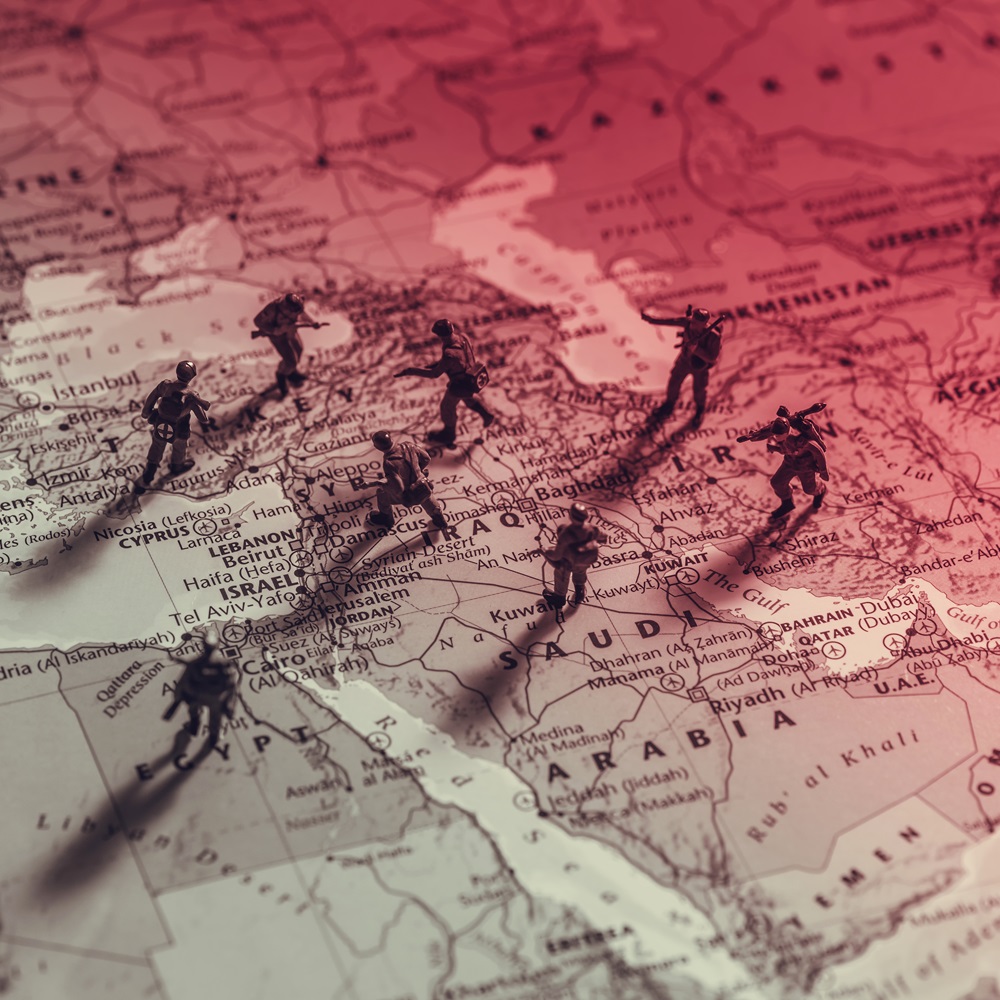
Middle East Conflict. Conceptual photo

How might a wider Middle East conflict affect the global economy?

by Ahmet Kaya

한국어로 읽기 Leer en español In Deutsch lesen Gap اقرأ بالعربية Lire en français Читать на русском The world economy is underperforming as a result of tight monetary policies, weaker global trade, a slowing Chinese economy and uncertainty around the US election. An escalation of conflict in the Middle East could increase uncertainties, harming inflation reduction efforts and hurting growth. It has been over a year since the Hamas-led attack on Israel. Israel’s response in Gaza has resulted in widespread destruction and significant loss of life. The conflict has since expanded beyond Gaza, involving the Houthis in Yemen, Hezbollah in Lebanon and Iranian strikes targeting Israel. In addition to the awful humanitarian cost of the conflicts, the war and the possibility of its further expansion pose significant repercussions for the global economy. This article discusses three potential ways in which the current conflict and a wider conflict in the Middle East could affect the global economy. Increased geopolitical uncertainties First and foremost, an escalation of the Middle East conflict could lead to greater geopolitical uncertainties. Figure 1 shows the evolution of the geopolitical risk (GPR) and geopolitical acts (GPRA) indices (Caldara and Iacoviello, 2022) – these are text-based measures of heightened uncertainties due to adverse geopolitical events such as wars, terrorism and international tensions. (See this article for more discussion about these measures.) Following the Hamas-led attack on 7 October 2023, both the overall GPR index and its ‘war and terror acts’ component spiked strongly, to a level higher than that seen during the ISIS attack in Paris in November 2015. Both indices eased significantly in the months following October 2023 despite the continuation of the conflict. But they jumped again following Israel’s attack on southern Lebanon in September 2024. As of mid-October 2024, the GPR and GPRA remain, respectively, 21% and 35% higher than their historical averages.   What might be the consequences of such elevated levels of risk? Research tells us that higher geopolitical risk raises oil prices (Mignon and Saadaoui, 2024). It also reduces global investment and increases inflation (Caldara et al, 2022). Greater geopolitical risk has a significantly negative impact on business and consumer confidence in several advanced economies (de Wet, 2023). This is because consumers typically cut non-essential spending and businesses postpone investment decisions during turbulent times. This reduces firm-level investment, particularly for businesses with higher initial investment costs and greater market power (Wang et al, 2023). Higher geopolitical risks also reduce global trade and financial flows, causing greater volatility in capital flows in emerging markets (Kaya and Erden, 2023). Oil production cuts and higher energy prices The second way in which the Middle East conflict could affect the global economy is its impact on energy prices, both directly through production cuts and indirectly through greater uncertainties. In response to Israel’s actions against its neighbours, the Organization of the Petroleum Exporting Countries (OPEC) could reduce oil production to penalise countries supporting Israel. A similar action in the 1970s led to a significant jump in oil prices, which contributed to years of stagflation, with higher global inflation and recessions in major economies. Before Israel's attack on Lebanon at the end of September, oil prices had been declining due to falling demand, particularly from China. On the supply side, oil production had increased in Canada and the United States, countering the production cuts by OPEC, and Saudi Arabia was expected to increase oil production from December. But the situation quickly reversed following Israel’s attack on Lebanon. Oil prices jumped by nearly $10 per barrel within a week, before easing by around $5 per barrel. While the immediate oil price impact of Israel’s attack has mostly faded, the potential for higher oil (and other energy) prices still poses a risk to global inflation and economic activity (Liadze et al, 2022). To provide further context for the potential scale of this impact, we can show what would happen if oil and gas prices were to remain $10 higher for two years than the baseline levels projected in the Summer Global Economic Outlook from the National Institute of Economic and Social Research (NIESR), using NIESR’s Global Macroeconometric Model (NiGEM). The results demonstrate that the $10 rise in oil and gas prices increases inflation by around 0.7 percentage points in major economies in the first year (see Figure 2). The impact is higher in China, where the economy relies relatively more on oil imports for its strong manufacturing industries. The inflationary pressures persist for two years despite central banks’ efforts to curb inflation by increasing interest rates.   The effect of higher oil and gas prices on real GDP is shown in Figure 3. In the scenario described above, GDP would fall by 0.1-0.2% in major economies immediately. Partly due to higher interest rates, real GDP would continue to weaken for three years following the shock. After this, economic activity would start to return to base levels as oil and gas prices revert to their levels in the baseline forecast.   Increased shipping costs and supply chain disruptions A wider conflict in the Middle East could also affect the economy through higher shipping costs and supply chain disruptions. Houthi attacks on commercial ships in the Red Sea in late 2023 showed that such disruptions can have a huge impact on global trade through shipping, which comprises 80% of world trade volume. Following the rocket attacks by the Houthi rebels, some commercial shipping re-routed from the Red Sea to the Cape of Good Hope, leading to significant delays in travel times and increased freight costs. As a result, the Shanghai Containerized Freight Index – a measure of sea freight rates – rose by around 260% in the second quarter of 2024 with additional disruptions to supply chains. Our analysis shows that an increase of 10 percentage points in shipping cost inflation can lead to import prices rising by up to around 1% and consumer inflation increasing by around 0.5% in OECD countries. As Figure 4 shows, the impact of shipping costs on inflation shows its full effects over six quarters. This means that inflationary concerns could be with us for the next year and a half as a result of higher shipping costs that may emerge from any possible escalation of the Middle East conflict.   Wider economic implications and policy responses While rising geopolitical risk and increased oil and shipping costs can each individually exert upward pressure on inflation and may slow down economic activity in the global economy, the combined impacts are likely to be greater. Countries with stronger trade and financial ties to the Middle East and those that rely heavily on oil imports as an input for domestic production would be most affected. On the monetary policy front, central banks may have to take a more hawkish stance in response to rising inflationary pressures from the Middle East conflict. This could lead to higher interest rates, which would further dampen economic activity, particularly in an environment where there are already recessionary concerns in some major economies. Beyond its immediate economic implications, an escalation of the Middle East conflict could trigger large-scale displacement of people, which would increase economic and social pressures on neighbouring countries. Many countries may also have to increase their military spending in response to growing regional tensions. Given that public debt levels are already elevated in many countries due to successive shocks to the global economy over the past decade, any additional defence spending could come at the expense of public infrastructure investments that would otherwise boost productivity growth. Overall, the global economy is already underperforming as a result of the lagged effects of tight monetary policies, weaker global trade, a slowing Chinese economy and uncertainties surrounding the upcoming US election and possible changes to US trade policy. A potential escalation of conflict in the Middle East could exacerbate the situation by increasing uncertainties, harming efforts to bring down inflation and reducing global GDP growth. Over the medium and long term, it could further damage the global economy, with the possibility of refugee crises as well as increased defence spending, making the effects more complex and longer lasting. This work is licensed under a Creative Commons Attribution-ShareAlike 4.0 International License.
Energy & Economics
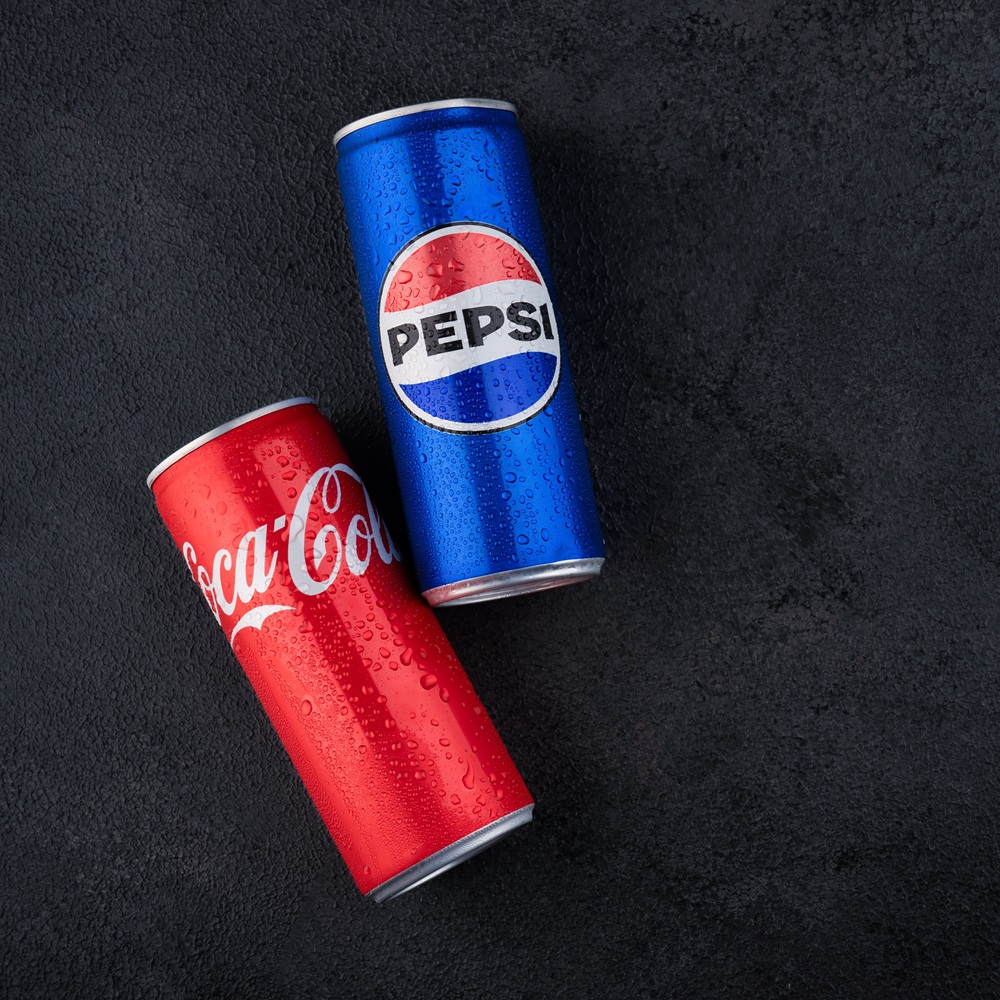
Mersin, Turkey-09 12 2024: A cold Coca Cola or pepsi  bottle or metal can with water droplets on it. Coca Cola on black background

The geopolitical impact on global brands: Coca-Cola and Pepsi in the Middle East and Muslim markets

by World & New World Journal

Coca-Cola and Pepsi are among the most recognized and consumed soft drinks in the world, with Coca-Cola leading as the global favorite (World Population Review, 2025). However, in recent years, geopolitics has shaped their presence in certain regions, particularly in the Middle East and Muslim-majority countries. The reason behind this is interesting, these brands are often seen or associated with the United States (Hebblethwaite, 2012), a nation whose fame in these regions has always been questioned and been controversial, and whose policies in the region have long sparked controversy and criticism. Overview of Coca-Cola and Pepsi in the US Coca-Cola was born on May 8th, 1886, when Dr. John Pemberton delivered his newly perfected syrup to Jacob’s Pharmacy in downtown Atlanta, USA. After 139 years, what started as medicine evolved into the iconic soft drink that is enjoyed in more than 200 countries and territories every day (The Coca Cola Company, 2025). On the other hand, a few years later, in 1893, Brad’s drink, later rebranded as Pepsi-Cola, was invented in New Bern, North Carolina, USA by Caleb Brandham, as an aid in digestion (History of the Birthplace, 2018). Pepsi’s presence worldwide also covers more than 200 countries and territories and can be said it is Coca-Cola’s closest rival. While these brands have built a reputation, they have a long history, their competition has been fierce to the dominance of their market across the globe. The term “Cola Wars” represents this fierce competition. Cola wars gained global attention and likely reached their peak around the 1970s and 1980s in the US, while nowadays the fight keeps on, those years were key in how their presence around the globe has resulted nowadays. A bit of the context of the Cola Wars; during the beginning of the 20th century Coca-Cola led the market, while Pepsi had a rough time and went bankrupt in 1923. After its restructured, Pepsi maintained but Coca-Cola advertisements, such as those featuring Santa Claus, made it difficult for Pepsi to compete and by the time of WWII, Coca-Cola could be found in 44 countries already. In 1965 Pepsi merged with Frito-Lay-Inc trying to gain better footholds in restaurants and supermarkets. At the time Coca-Cola was expanding its brand into other soft drinks beverages, Pepsi could simply not compete against them. But by the mid-1970s, Pepsi launched its “Pepsi Challenge”, a genius blind test marketing bet in which over 50% of Americans chose Pepsi over Coca-Cola due its sweeter taste, of course Pepsi claimed its first victory over giant Coca-Cola and started its rise. Coca-Cola's response came with celebrity endorsement and the diet coke in the early 80’s. But by the mid 80’s, Pepsi sales skyrocketed due to its collaboration and promotion with Michael Jackson and appearance in several movies like Back to the Future. Coca-Cola had an identity crisis at the time, but after going back to its roots, (Weird History Food, 2022) once again it came back to fight and claimed its important place in the industry. Coca-Cola and Pepsi around the world While the Cola Wars were largely defined within the American market, their global expansion strategies took very different trajectories once they reached international audiences. Coca-Cola made their debut in the international market in the early 20th century, but it was until WWII when it got international recognition. A marketing associated with American optimism and modernity was followed by the company, and during the war, the company produced millions of bottles for US troops abroad, introducing the drink to soldiers and civilians across Europe, Africa and Asia. The strategy transformed Coca-Cola from a domestic beverage into a global cultural symbol. Pepsi, meanwhile, took a more opportunistic route. After financial struggles between the 1920s and 1930s, the brand re-emerged with a more aggressive global approach. Its internationalization came in 1949 with exports to Canada and later expanded to Mexico, Brazil and the Philippines, but it was until the Cold War, when its real global expansion began (FBIF Food & Beverage Innovation, 2014), when it merged with Frito-Lay and diversified its portfolio. By 2024, PepsiCo generated $92 billion net revenue (PepsiCo, 2025) while Coca-Cola grew 3% to stand at $47.1 billion net revenues (The Coca-Cola Company, 2025) that same year and their products and diversifications not only include the classical soft drinks, but also other beverages and foods. Yet despite their shared dominance in over 200 countries, both face different degrees of acceptance depending on local political, cultural and religious attitudes. The role of geopolitics: soft power, sanctions, wars, risks and opportunities As stated already, both brands are known globally, however, it is important to highlight that their presence in different regions of the world has been shaped by other actors more than just commercial advertisements, or even due to their advertisements and commercial strategies. Let me explain in more detail. In the case of Coca-Cola, during WWII and the Cold War, many people outside of the United States associated the product with American culture, Coca-Cola became a symbol of American soft power and globalization, clearly seen in war advertisements featuring soldiers enjoying cokes suggesting the commonly used “bring people and nations together” phrases. (Edelstein, 2013) On the other hand, with a more social-cultural strategy, Pepsi used the American pop-culture as their approach to gain attention worldwide. Michael Jackson, Madonna, Britney Spears, Beyoncé, among others (Kalgutkar, 2024) were iconic in the brand. In addition, Pepsi’s marketing leveraged music, youth, and rebellion, giving a softer and aspirational appeal. However, this cultural and ideological symbolism also made both companies vulnerable to political backlashes and somehow have defined their reputation and presence in some areas of the world. In the 1950’s, France coined the term “coca-colonization” denouncing American influence. During the Cold War, Coca-Cola became a capitalist symbol (in the eyes of outsiders), and it was banned in the Soviet Union, an opportunity Pepsi took advantage of there. Later, when the Berlin Wall fell, Coca-Cola became a representation of freedom. (Hebblethwaite, 2012) However, the most notable geopolitical response came when the Arab League boycotted the brand between 1968-1991 in the 13-nation organization, because it chose to operate in Israel while the Palestinian land was under occupation. Pepsi capitalized on this absence, solidifying its position in the Arab markets. In addition to the Arab League boycott, there are other cases where sanctions imposed by the US to different countries have led to a small or lack of sales of the products, such as Myanmar, North Korea, Cuba or the Soviet Union, back on time. Moreover, occasional protests and bans in countries like Iran, Venezuela or Thailand (Hebblethwaite, 2012) has also affected the brands at certain points of the history and of course have created an image and reputation in the society, with positive, neutral or negative perceptions. Moving towards present day, after the war in Gaza broke out in October 2023, pressure on the brands reappeared on the Middle East; Coca-Cola, who has a factory in the illegal settlement in East Jerusalem in the Atarot Industrial Zone, was accused of complicity and violations of the international law, in addition to being “related” with the Israeli army. These led to the BDS Movement to add it to a boycott list, which led to protests and has also been spread across other Muslim-majority countries. Of course, sales have dropped sharply in different countries in the region like Egypt and Bangladesh. (Boycat Times, 2025) Pepsi, on the other hand, even though it has a major presence in the Middle East market built over the space left by Coca-Cola during the 1968-1991 boycott, has also been affected by the War in Gaza and the boycotts in the region. PepsiCo reported stagnation in beverage growth across Egypt, Lebanon and Pakistan, compared with 8-15% growth a year earlier the war started. (Awasthi, 2024) The boycott of these American brands in the Middle East and some Muslim-majority markets has led to important losses in the share market and the sales itself. For instance, Coca-Cola sales reportedly fell by 23% in Bangladesh and dropped by over 10% in Egypt, overall, there is an estimation of 7% regional revenue loss in the MENA region. The losses of the American brands had become an opportunity to the local brands, like Pakistan’s Cola Next and Pakola (shared market increased from 2.5% up to 12% after the boycott (The Economic Times, 2024)), Qatar’s Kinza or Egypt’s V7, which have up to 40% in market share growth and up to 350% growth in exports, canalizing consumer preferences for local alternatives. (The Economic Times, 2024), (Awasthi, 2024), (CBC, 2024), even in the West Bank, the Palestinian Chat Cola has been positioned in the market, with sales of over 40% in 2023 compared to the previous year. (Associated Press, 2025) Coca-Cola and Pepsi boycotts are not the only ones, other companies like McDonald’s or Starbucks have also been affected in the region, due to similar or same reasons. Even more, in Canada, another great example is the “americano” [coffee] being renamed as “canadiano”, (Barista Magazine, 2025) as response to the economic and political tensions developed earlier this year between Canada and the USA. Despite the boycotts, Coca-Cola and PepsiCo have a base in the region, and they have seek opportunities to continue, through investments (Coca-Cola invested $22 million in upgrading technology in Pakistan) or new strategies (PepsiCo reintroduced Teem soda in Pakistan with a “Made in Pakistan” printed on the label) (Shahid, DiNapoli, & Saafan, 2024). Overall, both companies are trying to maintain, penetrate and expand their products in the market, they have been using and relying on bottling companies as a strong tool for those purposes, creating alliances with local companies as well as innovating and testing different new products in the region. Conclusion The current boycott of Coca-Cola and Pepsi across the Middle East and Muslim-majority countries is not only a reflection of political anger – it is a window into how geopolitics can directly reshape consumer economies. What once symbolizes Western globalization, and cultural appeal has now become a marker of political identity and economic nationalism. In a society driven by consumerism – where success is often measured by how much one owns – people tend to care less about genuine human values such as love, kindness, respect, empathy and consideration (MET, 2022). Ironically, today that statement seems reversed. For many consumers, boycotting Western brands has become not only a moral choice but also an act of solidarity and empowerment. Beyond economics, the boycott also reflects a psychological and cultural response. For many consumers in the Middle East, choosing what to drink has become a symbolic act of identity, resistance and empathy. Avoiding brands such as Coca-Cola and Pepsi offers a sense of agency and unity Palestine, turning everyday consumption into an expression of political consciousness. Although both companies remain resilient and continue to invest heavily in local markets, their challenges go beyond short-term losses. The rise of local brands such as V7. Kinza and Cola Next highlights a deeper regional shift – where consumers are not merely reacting to politics, but redefining loyalty based on ethics, identity and sovereignty. In the long term, this phenomenon could accelerate the regionalization of the markets, as local producers gain confidence and international corporations are compelled to adapt – by respecting cultural sensitivities, building genuine local partnerships, and ensuring transparency across their supply chains. Ultimately, the story of Coca-Cola and Pepsi in the Middle East demonstrates that in today’s interconnected world, soft power is no longer a one-way export. Consumer behavior itself has become a form of diplomacy – capable of rewarding inclusion or punishing complicity.ReferencesAssociated Press. (2025, 03 02). Coca-Cola's appeal to Palestinians fizzles amid war. Retrieved from VOA News: https://www.voanews.com/a/coca-cola-s-appeal-to-palestinians-fizzles-amid-war/7991182.htmlAwasthi, S. (2024, 09 15). Middle East conflict bites Coca-Cola, Pepsi. Retrieved from SBS News: https://www.sbs.com.au/news/podcast-episode/middle-east-conflict-bites-coca-cola-pepsi/z445sv6glBarista Magazine. (2025, 02 25). Move Over, Americano: The ’Canadiano’ Has Arrived. Retrieved from Barista Magazine Online: https://www.baristamagazine.com/move-over-americano-the-canadiano-has-arrived/Boycat Times. (2025, 09 02). Everything You Need to Know: Why We Boycott Coca Cola. Retrieved from Boycat Times: https://blog.boycat.io/posts/boycott-coca-cola-israel-gaza-palestineCBC. (2024, 09 04). Muslim countries' local sodas see boost amid Coke and Pepsi boycott over Gaza. Retrieved from CBC: https://www.cbc.ca/news/business/coke-pepsi-boycott-1.7313370Edelstein, S. (2013, 05 13). A visual remix of the American Dream as pictured in Mid-Century media. On the front lines with Coca Cola pt II. Retrieved from Envisioning the American Dream: https://envisioningtheamericandream.com/2013/05/30/on-the-front-lines-with-coca-cola-pt-ii/FBIF Food & Beverage Innovation. (2014, November 18). PepsiCo's path to global dominance: from beverage brand to food empire. Retrieved from Food Talks: https://www.foodtalks.cn/en/news/54496Hebblethwaite, C. (2012, September 11). Who, What, Why: In which countries is Coca-Cola not sold? Retrieved from BBC News: https://www.bbc.com/news/magazine-19550067History of the Birthplace. (2018, October 18). Retrieved from Wayback machine: https://web.archive.org/web/20181004163206/http://www.pepsistore.com/history.aspKalgutkar, N. (2024, November 28). Pepsi’s Advertising: An Iconic Campaigns and Pop Culture Impact. Retrieved from Treehack: https://treehack.com/pepsis-advertising-an-iconic-campaigns-and-pop-culture-impact/MET. (2022, 07 29). The effects of living in a consumer society. Retrieved from MET: https://group.met.com/en/mind-the-fyouture/mindthefyouture/consumer-society/#:~:text=July%2029%2C%202022,the%20operation%20of%20a%20company.PepsiCo. (2025). Who we are. Retrieved from PepsiCo: https://www.pepsico.com/who-we-are/about-pepsicoShahid, A., DiNapoli, J., & Saafan, F. (2024, 09 05). Coke and Pepsi boycott over Gaza lifts Muslim countries' local sodas. Retrieved from Reuters: https://www.reuters.com/business/retail-consumer/coke-pepsi-boycott-over-gaza-lifts-muslim-countries-local-sodas-2024-09-04/The Coca Cola Company. (2025). Our Company. Retrieved from The Coca Cola Company: https://www.coca-colacompany.com/about-usThe Coca-Cola Company. (2025, February 02). Coca‑Cola Reports Fourth Quarter and Full Year 2024 Results. Retrieved from Thr Coca-Cola Company: https://www.coca-colacompany.com/media-center/coca-cola-reports-fourth-quarter-and-full-year-2024-results#:~:text=For%20the%20full%20year%2C%20net,the%20timing%20of%20concentrate%20shipments.The Economic Times. (2024, 09 04). Coca-Cola and PepsiCo lose popularity to local Cola brands due to boycott over Gaza in Muslim countries. Retrieved from The Economic Times: https://economictimes.indiatimes.com/news/international/business/coca-cola-and-pepsico-lose-popularity-to-local-cola-brands-due-to-boycott-over-gaza-in-muslim-countries/articleshow/113064771.cmsWeird History Food. (2022, 07 24). Do You Remember the Cola Wars: Coca-Cola vs. Pepsi? Retrieved from YouTube: https://www.youtube.com/watch?v=jtwkKrjHlhcWorld Population Review. (2025). World Population Review. Retrieved from Top-Selling Soft Drinks by Country 2025: https://worldpopulationreview.com/country-rankings/top-selling-soft-drinks-by-country