Subscribe to our weekly newsletters for free

Subscribe to an email

If you want to subscribe to World & New World Newsletter, please enter
your e-mail

Diplomacy
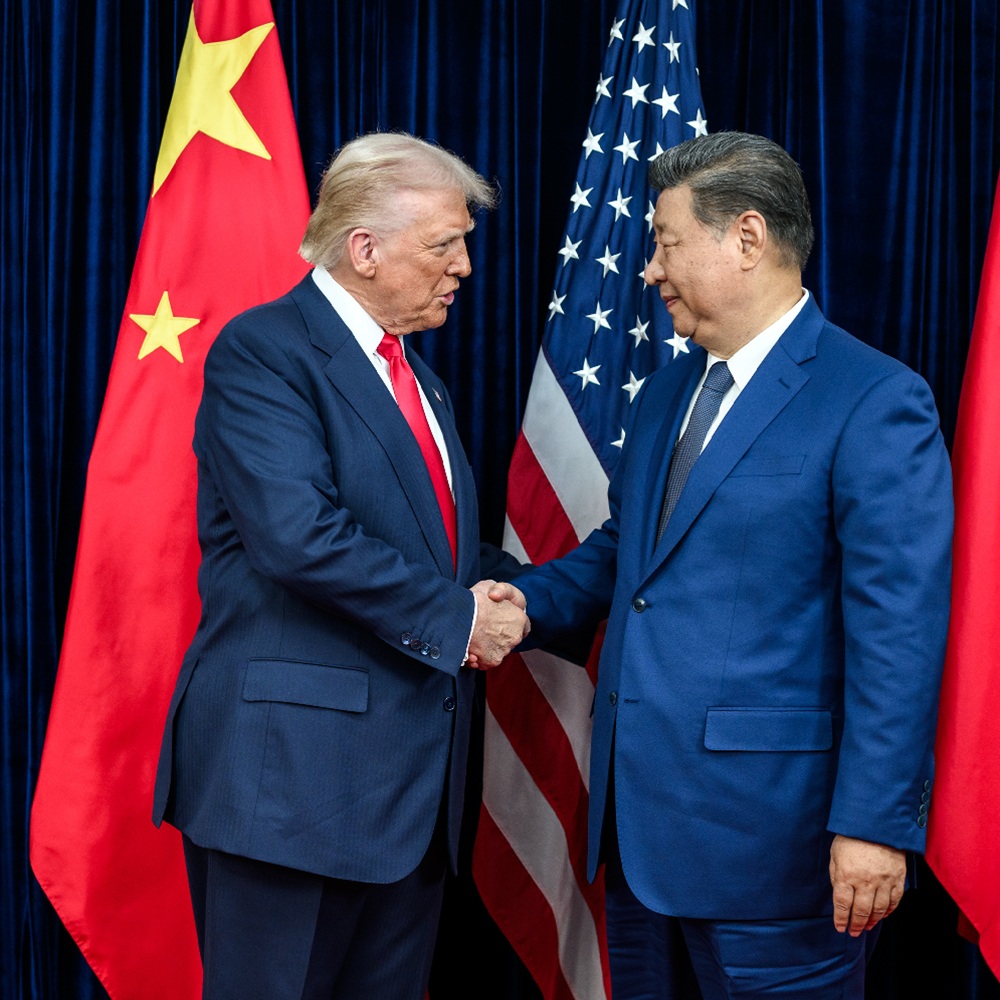
President Donald Trump greets Chinese President Xi Jinping before a bilateral meeting at the Gimhae International Airport terminal, Thursday, October 30, 2025, in Busan, South Korea. (Official White House Photo by Daniel Torok)

Between Tactical Easing and Strategic Confrontation: The Busan Moment in China-US Relations

by Bo Ma , Yiyi Xu

On 30 October 2025, Chinese President Xi Jinping and US President Donald Trump held their first in-person meeting since 2019 on the sidelines of the Asia-Pacific Economic Cooperation summit in Busan. The encounter marked a cautious “tentative reengagement” after six years of sustained friction, signalling neither a diplomatic thaw nor a substantive breakthrough, but a forced recalibration. Both sides recognised that prolonged confrontation was increasingly costly, yet neither was willing to display strategic vulnerability or compromise on core interests. The central challenge of this “six-year reunion” was how to balance unavoidable competition with limited cooperation. The Busan meeting did not resolve long-standing disputes, but it did illuminate the evolving structure of bilateral engagement: limited economic de-escalation coexisting with sustained tensions in security and technology. Trust remained thin, and risk management defined the tone. Within this framework of cautious interaction and enduring rivalry, both sides resumed dialogue while leaving key structural contradictions unresolved. Tactical Easing: A “Mutual Ceasefire” over Rare Earths and Tariffs Building on preliminary understandings reached during earlier Kuala Lumpur discussions, the Busan meeting yielded limited but concrete outcomes. Washington agreed to suspend part of its planned tariff increases and delay the expansion of export restrictions. Beijing, in turn, postponed implementation of newly announced controls on rare earth elements and related technologies. These reciprocal measures were explicitly time-limited, with a one-year horizon.While framed as mutual concessions, the steps reflected pragmatic political calculations within each country’s domestic context. President Trump sought short-term economic calm to support financial markets and reassure key Midwestern constituencies ahead of the election cycle. Beijing, for its part, aimed to preserve a stable external environment through managed openness, gaining room for continued economic restructuring and technological adaptation. Yet the truce was fragile. China’s decision to delay export controls was not a concession but a strategic withholding of leverage. As the supplier of roughly 60 percent of the world’s mined rare earths – critical to semiconductors, electric vehicles, wind turbines, and US defence platforms such as the F-35—Beijing retains significant influence over global supply chains. The Busan easing was therefore less a structural breakthrough than a tactical pause: a deferral of escalation rather than a resolution of underlying tensions. Diplomatic Silence over Taiwan: Strategic Caution and Latent Risks The Busan meeting made no reference to the Taiwan issue—an omission that is rare in the history of China–US summitry. Following the talks, President Trump remarked that President Xi “understands the consequences” of attempting to seize Taiwan but declined to clarify whether the United States would intervene militarily. Secretary of State Marco Rubio similarly emphasised that Washington would not trade Taiwan’s interests for economic concessions. Taiwan thus became the “elephant in the room”: too consequential to ignore, yet too politically volatile to confront directly. For Beijing, Taiwan constitutes an inviolable sovereignty red line. For Trump, raising the issue risked derailing trade-focused dialogue and undermining his image of diplomatic control. Both leaders chose strategic silence as a means of avoiding escalation. This silence did not indicate convergence, but rather mutual restraint under high pressure. Taiwan has become a latent variable in every round of China–US engagement: absent from formal discussions, yet structurally embedded in the broader strategic equation. The longer it is avoided, the more its political cost accrues. In the future, renewed tensions—whether triggered by trade disputes or maritime incidents in the South China Seas—could rapidly return Taiwan to the center of bilateral confrontation. Taiwan’s “absence” in Busan does not reduce its relevance; it only signals that the crisis has been temporarily displaced from public diplomacy rather than defused. Institutionalised Decoupling: From Policy Choice to Structural Reality The diplomatic silence over Taiwan reflected tactical caution, while at a deeper level, the Busan meeting underscored the entrenched technological and institutional divergence between China and the United States. Trump signalled that US firms such as NVIDIA might engage in selective transactions involving mid-range AI chips, but reaffirmed that the most advanced semiconductor products would remain tightly restricted. This reaffirmed Washington’s “technology defense logic,” in which high-tech rivalry is governed by national security imperatives rather than market access concerns. In Beijing’s view, technological self-sufficiency is equally central to national resilience and regime security. Both sides now frame their strategic contest as a “struggle over national trajectory,” where concession is viewed as structural vulnerability. As a result, each is doubling down on domestic institutional insulation rather than pursuing negotiated guardrails. This bifurcation has produced a dual trajectory: modest stabilisation in trade flows paired with accelerating fragmentation in high-end technologies. Both governments are using this brief “technological cooldown” to advance structural measures. Washington is deepening coordination with allies and expanding export control and investment screening regimes. Beijing, for its part, is formulating new legal instruments—including draft frameworks akin to a Science and Technology Security Law and prospective regulations on critical technologies—to consolidate oversight over strategic sectors. While these initiatives are not yet fully codified, they reflect a clear intent to embed technology governance within national security architecture. In this context, technology has lost its value as a bargaining lever in diplomacy. Both sides tacitly acknowledge that strategic technologies can no longer be traded without compromising sovereignty. Technological decoupling has thus evolved from a temporary response into a systemic condition. The Busan “easing” did not reflect progress toward convergence, but rather a managed pause in an increasingly institutionalised contest. From High-Intensity Confrontation to Managed Competition The Busan meeting marked a shift in China–US relations from high-intensity confrontation to limited management. The two sides temporarily stabilised trade and exercised restraint on political and security fronts, while competition in technological and institutional domains remained entrenched. This was not reconciliation, nor a turning point, but the formation of a provisional equilibrium. For China, Busan offered a space for economic adjustment and accelerated efforts toward technological autonomy. For the United States, it maintained strategic pressure while averting short-term escalation. Beneath the optics of diplomacy, structural divergence and strategic mistrust persist. Across the Indo-Pacific, this “uneasy coexistence” is increasingly becoming the regional default. The significance of Busan lies not in concrete outcomes, but in the shared recognition that strategic confrontation must be managed, even if it cannot yet be resolved. This article was published under a Creative Commons license and may be republished with attribution, check original source for more information.

Defense & Security
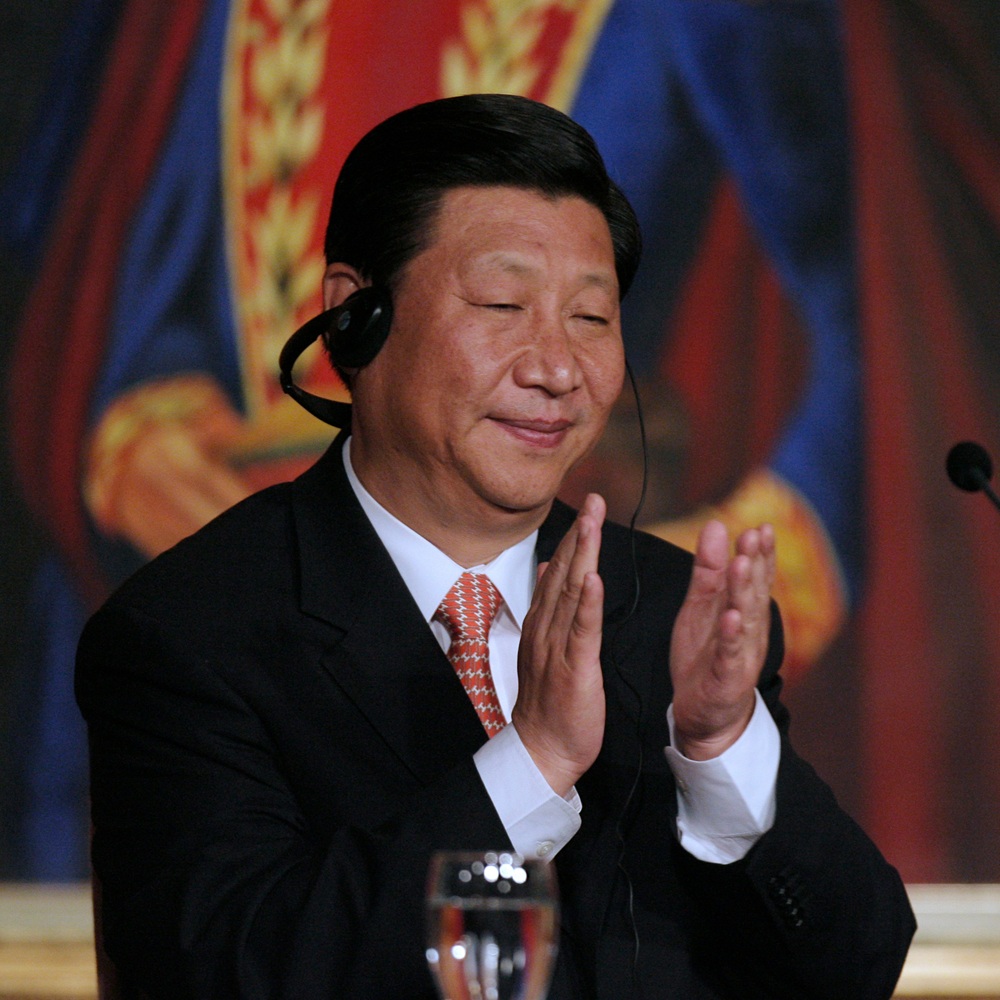
Caracas (Venezuela) Feb. 18, 2009. The President of the People's Republic of China, Xi Jinping, arrival to Caracas, Venezuela, on official visit in febraury 18, 2009.

Why China is watching Trump’s Venezuela campaign closely

by Tom Harper

Donald Trump’s campaign against Venezuela escalated recently with the US president announcing that the country’s airspace should be considered “closed”. This is a move that has preceded US military interventions in the past, perhaps most notably in Iraq in 2003. It remains to be seen whether Trump’s declaration will be followed by military action or is just a means of raising the pressure on the Venezuelan leader, Nicolás Maduro, in an attempt to force him from office. But regardless of what happens next, what has been notable is the reaction of China. In a December 3 briefing, Chinese foreign ministry spokesperson Lin Jian said that closing Venezuelan airspace would violate international norms and infringe on national sovereignty. Jian added that China rejects interference in Venezuela’s internal affairs “under any pretext” and called on all parties to keep Latin America a “zone of peace”. This stance is no great surprise. China has developed strong relationships with several Latin American countries, including Venezuela, as part of a broader strategy to expand its presence in regions long dominated by the US. Trump’s threats of military action could jeopardise the influence China has built there. China has been involved in Latin America for centuries. But its ties to the region have grown rapidly over the past 25 years or so, with China becoming an indispensable partner to many Latin American countries. Brazil is a clear example of this indispensability. The election of Jair Bolsonaro’s right-wing government in 2018 led to expectations that Brazil would tilt towards Washington. However, such expectations were soon dampened due to China’s role as a major consumer of Brazilian goods. By 2020, China was Brazil’s largest trading partner, accounting for over 30% of total exports from the country. Ties between Brazil and China have only deepened under Bolsonaro’s successor, Luiz Inácio Lula da Silva. This has been helped by the intensification of the US-China trade war, which has seen Brazil become a crucial alternative source of agricultural products such as soybeans that China has historically imported from the US. This relationship has enabled China to exert economic pressure on the US. Brazil’s large soybean exports to China have increased the global supply, which has suppressed prices for all suppliers – including those in US. China has been a similarly indispensable partner to Venezuela since the days of Maduro’s predecessor, Hugo Chávez, who took power in the Latin American state in 1999. Chávez was a keen advocate of a multipolar international order, a concept that has gained traction as Beijing’s political and economic power has grown. Over the years, China has become the main destination for Venezuelan oil. In 2024, China bought around 268,000 barrels of oil from Venezuela on average every day – a figure that, in reality, is likely to be higher as Venezuelan oil is routinely mislabelled to bypass US sanctions. Venezuelan oil is key for China. Beijing has been attempting to diversify its sources of natural resources in recent years as part of efforts to retain its global advantage in cheap manufacturing and wean itself off a dependency on Middle Eastern oil. Trump’s threats to intervene militarily in Venezuela may, at least in part, be aimed at challenging Chinese interests. Indeed, the White House issued an official statement on December 2 affirming the Trump administration’s commitment to the Monroe Doctrine. Signed in 1823, the doctrine said the US would reject other countries’ influence in Latin America. A new “Trump Corollary” to the doctrine states that “the American people – not foreign nations nor globalist institutions – will always control their own destiny in our hemisphere”. Challenging Chinese influence Any US military action in Venezuela will probably increase paranoia across the region. Trump warned recently that any country he believes is making illegal drugs destined for the US is vulnerable to a military attack, and singled out Colombia. On December 2, Trump told reporters at the White House that he “heard” Colombia was “making cocaine”. “They have cocaine plants”, he added. The Colombian president, Gustavo Petro, hit back immediately on social media, saying: “To threaten our sovereignty is to declare war”. But China is unlikely to step in militarily to defend countries in Latin America from US aggression. While China has used its developmental influence there to pursue some political objectives – most notably persuading El Salvador, the Dominican Republic and Honduras to renounce diplomatic recognition of Taiwan in recent years – its engagement with Latin America has largely been transactional. China’s strategy in Latin America is driven primarily by economic considerations, and Beijing has generally been reluctant to enter into formal alliances with states there. This hesitance to commit to defending its partners could strain relations with countries in the region that may expect Beijing to support them in the event of a crisis. However, Trump’s Latin America campaign does provide China with some opportunities. Just as European countries concerned about Russia’s expansionist intentions have become a key market for American arms, it’s possible that Latin America becomes a lucrative destination for Chinese weaponry. Venezuela is already buying Chinese arms, varying from riot control equipment to missiles and – possibly in the future – fighter jets. China has also sold military equipment to Argentina, Bolivia and Ecuador. The US appears to be taking an increasingly active interest in Latin America. As outlined in its recently published National Security Strategy, the Trump administration is looking to readjust the US’s “global military presence to address urgent threats” in the western hemisphere. Having carefully built up its influence in Latin America over many years, China’s leadership will be keeping a keen eye on how events unfold there in the months ahead.

Defense & Security
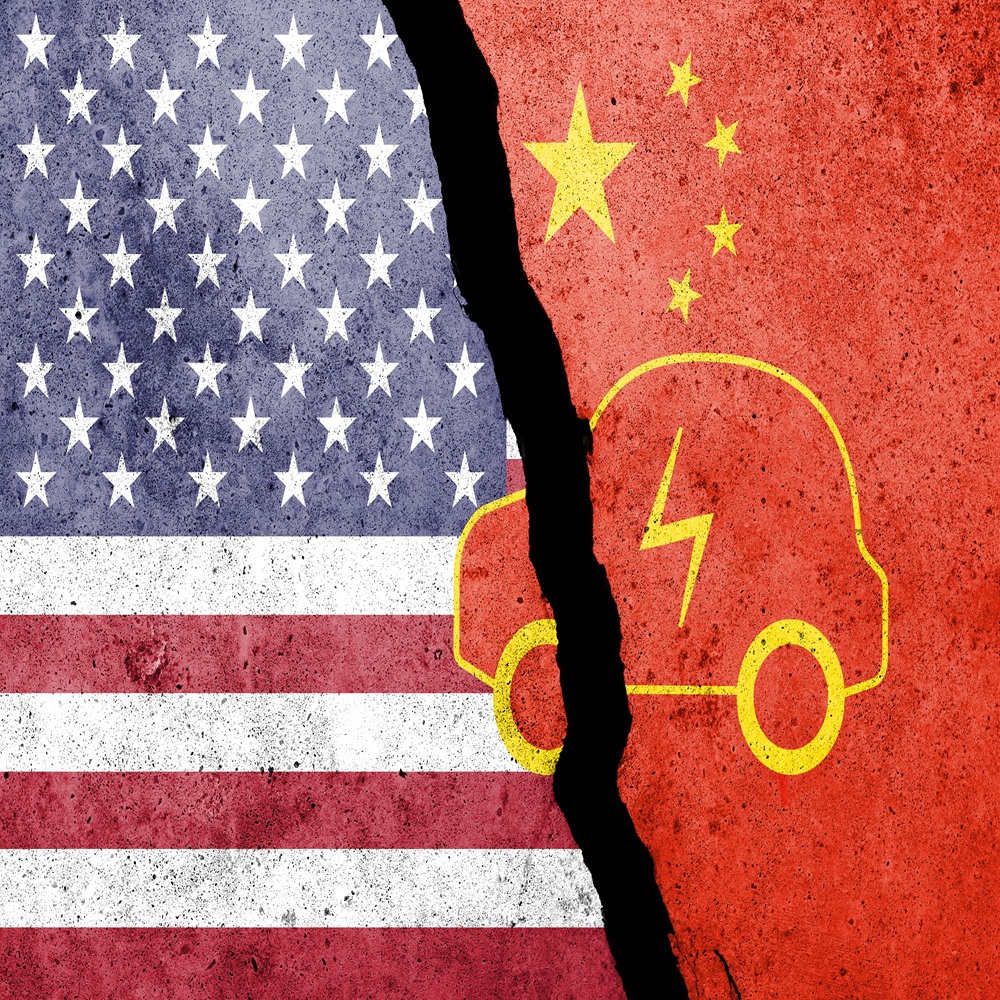
Electric car made in China. Duty for EV cars made in China. Trade, tariffs, duty and customs war

Connected Cars as Geopolitical Weapons: The National Security Battle Over Chinese EVs

by World & New World Journal

According to the IEA by 2024, more than 20% of new cars sold worldwide were electric, exceeding 17 million and positioning China as the leader in the market with more than 11 million sales. In comparison, the European and US markets also saw a growth in the sector, but not comparable to the Chinese counterpart. Figure 1: Global EV sales, 2014-2024. Source (IEA, 2025) Figure 2: EVs registrations share in China, US and Europe: 2018-2023. Source: IEA, 2025. On the other hand, autonomous vehicles, whose market value size was estimated at USD 68.09 billion in 2024, are also trending worldwide, North America being the largest market in 2024 (market share of 37.1% and passenger vehicles leading the market with 69% of the global revenue), while the Asia Pacific region is the fastest-growing market. Figure 3: Autonomous Vehicle Market. Source: Grand View Research. (Grand View Research, 2025) Recently, despite the data and market share, discussions and analysis of the vehicle industry have moved into new concerns related to security risks, trade protectionism and unfair competition. Why? Because the vehicle industry has evolved and adopted new technologies, at the same time, concerns have shifted accordingly. These changes have relied on or prioritized human convenience and connectivity over everything else. A New Security Paradigm for Mobility: Are Connected Cars Data Weapons A simple answer is no, but there are elements that can change the answer into a yes in the future. Vehicles are evolving into connected machines, with software-driven platforms, sensors, cameras, connectivity modules and AI systems. Thus, the vehicle industry is entering a new era where data is key, and whoever controls it, is likely to control the market itself. As mentioned before, vehicle-related security risks have sparked discussions in recent years. Nowadays, practically any vehicle sold has a certain degree of connectivity, naturally this leads to a continuous and massive collection of information (sensitive or not), including for example: real-time location, driving patterns, biometric data, audio recordings, images from the Advanced Driver-Assistance Systems (ADAS) and more. For common people this might pass unnoticed but for governments, the fact of collecting and storing data or having the possibility to do so has become a critical point and a threat to their national security. After all, fear is real, and the more connected a vehicle is, the higher the chances that it can become a surveillance device, for example. The speculations can grow as much as our/their imagination leaves them, but after all, security risks and fear related to them exist. In line with the security risks, the possibility of software backdoors hidden in operating systems or telematic units is another possibility. Naturally, if exploited this possibility, these vulnerabilities could allow a remote shutdown of vehicles or fleets, manipulation of navigation systems or even data extraction could occur. In simple terms, this could open the door to cyberattacks, including the potential loss of control of a vehicle. Once again, the possibility of these ideas has reshaped and changed the paradigm of connected vehicles Actual measures and global regulatory trends As governments start recognizing these security threats associated with connected vehicles, many have begun implementing several regulations to protect their national security. For instance, the UK, Israel, the USA and the EU are among the most active actors. One of the branches of the economic war between the US and China is exactly the mobility industry, the fierce competition between both nations has tightened the nationalist policies of President Trump, in fact the US has rapidly adopted a national-security lens for automotive imports. There have been discussions in Congress and even the Commerce Department has proposed rules allowing Washington to prohibit connected car technologies linked to foreign adversaries. In addition, there is huge pressure over the United States-Mexico-Canada Agreement (USMCA), specifically in the encouragement to revise the vehicles entering the US and the promotion of US vehicle-manufacturing companies. For those reasons, the US had imposed tariffs on Chinese-made vehicles (from 25% up to 100% on 2024 during Biden’s administration and later a 35.5% extra tariff on Chinese-made EVs) and had set several rules in line with the USMCA, to limit or protect the American market from Chinese vehicles, as it argued that China is taking advantage of the USMCA by using Mexico or Canada as the entry points to the American market, avoiding tariffs and minimizing costs. According to experts, this Chinese circumvention of US tariffs can occur in three main ways. First through transshipment – products enter Canada or Mexico and then they are shipped to the USA. The second way is by incorporating the Chinese products into the North American supply chains. And the third way is through direct Chinese investments in manufacturing facilities in Mexico or Canada. At the same time, across the Atlantic the EU has also been working on tightening regulations through the Cyber Resilience Act, as well as strengthening the General Safety Regulations, both focusing on the application of rigorous standards to vehicle cybersecurity, data governance, and supply-chain transparency. Also in Europe, recently, a British newspaper reported that military and intelligence chiefs had been ordered not to discuss official business while riding in EVs, and cars with Chinese components had been banned from sensitive military sites. In addition, the former head of the intelligence service MI6 claimed that Chinese-made technology, including cars, could be controlled and programmed remotely. Consequently, the UK has begun evaluating supply chains for hidden dependencies in infotainment systems, telematics, and semiconductors. In the same line, Israel has adopted rigid measures, the Israeli army has begun withdrawing Chinese-made vehicles from officers, citing espionage concerns. Other measures implemented include auditing imported vehicles to ensure no remote-access pathways existence, plus the encouragement of local automakers and tech firms to develop secure telematics modules to minimize foreign reliance. What is China’s role in this new paradigm? To understand the role of China in the EVs and connected vehicles is important to highlight the low labor costs in China, coupled with government subsidies and a well-structured and established supply chain, these three factors gave the Chinese firms huge advantages over their competitors. However, those are not the only factors involved in the equation, the promotion of EVs over internal combustion vehicles and the adoption and development of technologies that turn “simple” vehicles into connected vehicles are important to mention too. All these factors have been well capitalized by Chinese firms, in consequence, China has become the world’s largest EV exporter and somehow a threat for the West. As mentioned throughout the article, the security risks have sparked discussions and concerns, and it is fair, as Chinese-made vehicles have become competitive and technologically well-connected, much, that nowadays are in conditions to fight for the global automotive market. Therefore, there is a clear sense of concern among Western governments, especially in conditions of a politicized world that we live in nowadays. Naturally Beijing argues that bans and investigations on their Chinese-made vehicles are forms of economic protectionism and rejects any claims related to espionage, data leaks or misuse. While, it has also responded by tightening its own domestic rules: foreign vehicles are prohibited from accessing sensitive regions, including areas near government buildings and military facilities. Benefits and challenges for other key players and global automakers Automakers from Korea, Japan or the European and American are being directly benefited from the rising Chinese scrutiny of connected cars, meaning that new export and investment opportunities could be achieved by them. If these countries can materialize transparent software supply chains, strong cybersecurity frameworks, and local data-storage compliance, their advantage would increase. Specifically Korean and Japanese firms – which are proven reliable players with a strong presence worldwide and strengths in battery technology and infotainment systems –, can position themselves as trusted suppliers in those markets that are worried about Chinese-made vehicles and their possible espionage or security risks. On the other hand, however, there are big challenges ahead. If each country or region decides to have proper regulations, major hurdles will appear. For example; compliance costs will rise as automakers must meet different cybersecurity rules across regions; the technology surrounding software auditing, and the transparency of the supply chains itself will require significant investments; the supply chain and design of vehicles will be affected and in consequence production cost will increase; and, if there are different digital standards or rules, it is likely that there could be some limitations in the global interoperability. Conclusions While the rapid growth of EVs worldwide can be considered a good sign for sustainability goals – as they displaced over 1 million barrels per day of oil consumption in 2024 –. Recently there have appeared certain concerns related to security risks – proven or not – trade protectionism and unfair competition. On top of that, the transformation of cars into fully connected digital platforms has created a new paradigm, in which certain nations – mostly western nations – have started to be worried and rethinking their mobility through the lens of national security. In consequence, governments have tightened rules related to data, cybersecurity and foreign software dependencies. This new vision is already changing and transforming the vehicle industry, while the most affected, being the Chinese firms – due the natural competition and geopolitical reasons – there are other global automakers that, if they take the chance, could become key players – as far as they prioritize transparency in supply chains, security and technological trust. The new paradigm has shifted what used to be an ordinary, everyday product into a critical national infrastructure that must be subject to regulation. Finally, this paradigm also highlights the importance of data sovereignty and how important it has become and will be in the future. Referencias Carey, N. (2025, December 2). China floods the world with gasoline cars it can't sell at home. Retrieved from Reuters: https://www.reuters.com/investigations/china-floods-world-with-gasoline-cars-it-cant-sell-home-2025-12-02/ European Commision. (2025, March 5). Industrial Action Plan for the European automotive sector . Retrieved from European Commision: https://transport.ec.europa.eu/document/download/89b3143e-09b6-4ae6-a826-932b90ed0816_en Financial Post. (2025, December 11). Why China's EVs are dangerous to Canada: CVMA. Retrieved from YouTube: https://www.youtube.com/watch?v=WV7bn29lpOQ Grand View Research. (2025). Autonomous Vehicle Market (2025 - 2030). Retrieved from Grand View Research: https://www.grandviewresearch.com/industry-analysis/autonomous-vehicles-market IEA. (2025). Trends in electric car markets. Retrieved from IEA: https://www.iea.org/reports/global-ev-outlook-2025/trends-in-electric-car-markets-2 Introvigne, M. (2024, February 6). Should Chinese Electric Cars Be Banned in the West? Retrieved from Bitter Winter: https://bitterwinter.org/should-chinese-electric-cars-be-banned-in-the-west/?gad_source=1&gad_campaignid=11726773838&gbraid=0AAAAAC6C3PdZ9Jx_edcTzlW0hHoO8yN2D&gclid=CjwKCAiA3L_JBhAlEiwAlcWO59TNJrosoZkG7MwAid0bRuGKs5KY0P7csiXimfUzLlbYshtFMafkdxoCqvQQAvD_Bw Leggett, T. (2025, June 10). China's electric cars are becoming slicker and cheaper - but is there a deeper cost? Retrieved from BBC: https://www.bbc.com/news/articles/cy8d4v69jw6o Meltzer, J. P., & Barron Esper, M. (2025, September 23). Is China circumventing US tariffs via Mexico and Canada? Retrieved from https://www.brookings.edu/articles/is-china-circumventing-us-tariffs-via-mexico-and-canada/#:~:text=Chinese%20intermediate%20goods%20used%20in,to%20the%20production%20of%20new: https://www.brookings.edu/articles/is-china-circumventing-us-tariffs-via-mexico-and-canada/#:~:text=Chinese%20intermediate%20goods%20used%20in,to%20the%20production%20of%20new Navarrete, F. (2024, May 21). Aranceles de EU a autos chinos ponen en aprietos a México. Retrieved from El Financiero: https://www.elfinanciero.com.mx/empresas/2024/05/21/aranceles-de-eu-a-autos-chinos-ponen-en-aprietos-a-mexico/ Oertel, J. (2024, January 25). European Council on Foreign Relations. Retrieved from https://ecfr.eu/article/security-recall-the-risk-of-chinese-electric-vehicles-in-europe/: https://ecfr.eu/article/security-recall-the-risk-of-chinese-electric-vehicles-in-europe/ Radio biafra. (2025). Fearing data leaks, Israel bans Chinese-made cars for army officers. Retrieved from Radio biafra: https://radiobiafra.co/ Schuman, M. (2025, November). China’s EV Market Is Imploding. Retrieved from The Atlantic: https://www.theatlantic.com/international/2025/11/china-electric-cars-market/684887/ Zhang, Z. (2025, December 4). China’s EV dominance sparks EU retaliation. Retrieved from East Asia Forum: https://eastasiaforum.org/2025/12/04/chinas-ev-dominance-sparks-eu-retaliation/

Diplomacy
Flag USA and China on Computer Chip . Global chip shortage crisis and China-United States trade war concept.

Leading States in the Race for Artificial Intelligence in the Current International System

by Danna Fernanda Mena Navarro

1. Introduction: AI as a Reconfiguration of the Global Order Artificial intelligence (AI) has become one of the most influential factors shaping the contemporary international system. Major powers are competing to lead the new technological revolution that impacts the economy, security, foreign policy, defense, communications, and scientific innovation. The development of AI depends on three strategic inputs: 1. Human talent (research, data engineering, mathematics, computer science). 2. Computational capacity and access to large volumes of data. 3. Robust innovation ecosystems, with companies, universities, and aligned industrial policies. Global spending on artificial intelligence is expected to exceed USD 52 billion over the next three years, consolidating AI as the central axis of the Fourth Industrial Revolution (IDC, 2023; Stanford AI Index Report, 2024). 2. Talent as a Global Strategic Resource More than 60% of top AI researchers work in the United States, and about half of them are immigrants, primarily from China, India, Europe, and Iran (Stanford AI Index Report, 2024). The so-called brain drain is not merely an academic issue, but a geopolitical one: • States compete to attract talent through visas, high salaries, and access to frontier laboratories. • Innovation in AI depends on who concentrates the largest amount of specialized human capital. The United States dominates due to its ability to attract international researchers, while China compensates through massive investment and domestic talent production. 3. The United States Leads the AI Race for Three Main Structural Reasons 1. Innovation, talent, and industry: The United States leads in high-impact research publications and AI startups (more than 50% worldwide). Private investment exceeded USD 350 billion in 2023 alone. Key companies include Google, Meta, Microsoft, OpenAI, NVIDIA, Tesla, and IBM, among others. 2. Computational infrastructure and chips: The country concentrates the most advanced computational infrastructure and controls cutting-edge chips (such as the NVIDIA H100), a resource that China cannot yet produce at the same level. 3. AI and national security: The United States allocates more than 16 federal agencies and billions of dollars annually to AI development for defense, cybersecurity, and intelligence (White House AI Budget, 2024). 4. China: The Emerging Superpower on the AI Path China ranks second globally in the AI race but follows a more aggressive, centralized, and ambitious strategy. • Massive investment as state policy: China has pledged to invest more than USD 150 billion by 2030 in AI under its Next Generation Artificial Intelligence Development Plan (AIDP) (Government of China, 2017). • Domestic talent production: China trains more AI engineers than any other country. Annual graduates in science and engineering reach 4.7 million, compared to 600,000 in the United States (UNESCO, 2023). However, a significant portion migrates to the U.S. due to better research conditions. • China’s role in the global AI industry: China leads in AI-based facial recognition, with generative AI startups such as Baidu, SenseTime, Alibaba Cloud, and Tencent AI Lab. It produces massive numbers of publications, although with lower scientific impact than those from the United States. AI is widely implemented in governance, security, and smart cities. • The chip dilemma: China depends on advanced semiconductors produced only by Taiwan (TSMC), South Korea (Samsung), and the United States/Netherlands (ASML). • Export controls: Export restrictions imposed on China since 2022 limit its ability to train frontier models, although the country is making radical investments to achieve chip sovereignty. 5. Europe, India, Israel, Canada, and Other Relevant Actors • Europe: The United Kingdom, Germany, France, and the Netherlands generate a solid ecosystem in algorithmic ethics, digital regulation (AI Act), and applied research. • India: The world’s main hub of engineering talent and a global provider of technological services. • Israel: A powerhouse in cybersecurity and military AI, with per-capita innovation comparable to Silicon Valley. • Canada: The birthplace of deep learning (Geoffrey Hinton, Yoshua Bengio) and a strong center for basic research. 6. Africa on the AI Chessboard: Intentions, Challenges, and Opportunities Although Africa does not lead the AI race, its geopolitical role is growing rapidly for four strategic reasons. Africa is a major producer of critical minerals. AI depends on lithium, cobalt, graphite, and rare earth elements, and Africa holds 70% of the world’s cobalt reserves (in the DRC), as well as other strategic minerals in Zambia, Namibia, South Africa, and Mozambique. This places the continent in a key position within the supply chains for batteries, computers, and data centers. There is also a rapid expansion of digital infrastructure. China, through Huawei and ZTE, has built around 70% of Africa’s 4G network, as well as Ethiopia’s first smart data center and technology innovation hubs in Egypt, Kenya, and South Africa. Africa is entering the AI space through fintech, digital health, smart agriculture, and biometric systems. In terms of AI policy, African countries with formal AI strategies include Egypt, Rwanda, Kenya, and South Africa. • Threats and challenges: limited computational infrastructure, a deep digital divide, the risk of dependence on external technological solutions, the use of AI for political surveillance (as seen in Ethiopia and Uganda), and a shortage of specialized talent. 7. China and Africa: The Intersection of AI, Data, and Geopolitics China combines its role in AI with its influence in Africa through investments in digital infrastructure, the sale of surveillance systems, the construction of data centers, and technical training programs. This creates interdependence but also raises concerns: Africa could become dependent on Chinese systems that are difficult to replace. Data may become centralized on foreign platforms, and the risk of a technological debt trap adds to existing financial dependence. 8. AI, Regulation, and Global Governance The rapid expansion of AI calls for international treaties on data use, security standards, limits on military automation, and ethical regulations to protect civil society. Governance will be decisive in determining not only who leads, but also how this technology will be used in the coming decades. In this context, global AI governance has become a new field of geopolitical competition. While the European Union promotes a regulatory approach based on human rights and risk prevention, the United States favors market self-regulation and innovation, and China advances a model of state control and technological sovereignty. Multilateral organizations such as the UN, the OECD, and the G20 have begun discussing common principles, but there is still no binding international regime. The absence of clear rules increases the risks of an algorithmic arms race, the use of AI for mass surveillance, and the deepening of global inequalities in access to and control over technology. 9. Conclusions The United States leads due to innovation, global talent attraction, and computational capacity. China follows closely with a comprehensive state-led strategy and dominance in global digital infrastructure. Europe, India, Israel, and Canada contribute key elements to the global ecosystem. Africa, while not a leader, occupies an increasingly strategic role due to its resources, data, markets, and alliances. The race for AI will define not only the global economy, but also the balance of power in the international system of the 21st century. References -Stanford University.(2024). AI Index Report 2024. Stanford Institute for Human-Centered Artificial Intelligence. https://hai.stanford.edu/ai-index/2024-ai-index-report?utm_source=chatgpt.com -International Data Corporation. (2023). Worldwide Artificial Intelligence Spending Guide. IDC. https://www.idc.com/data-analytics/spending-guide/ -State Council of the People’s Republic of China (2017). Next Generation Artificial Intelligence Development Plan. Government of China https://fi.china-embassy.gov -UNESCO. (2023). Global Education Monitoring Report: science, technology, engineering and mathematics. United Nations Educational, Scientific and Cultural Organization. https://www.unesco.org/en -The White House. (2024). Federal AI Budget and National AI Strategy. Executive Office of the President of the United States. https://www.whitehouse.gov/presidential-actions/2025/12/eliminating-state-law-obstruction-of-national-artificial-intelligence-policy/ -European Commission.(2023).Artificial Intelligence Act. Publications Office of the European Union. https://digital-strategy.ec.europa.eu/en/policies/regulatory-framework-ai -Organisation for Economic Co-operation and Development. (2023). OECD. Artificial Intelligence Policy Observatory. https://www.oecd.org/en/topics/artificial-intelligence.html

Diplomacy
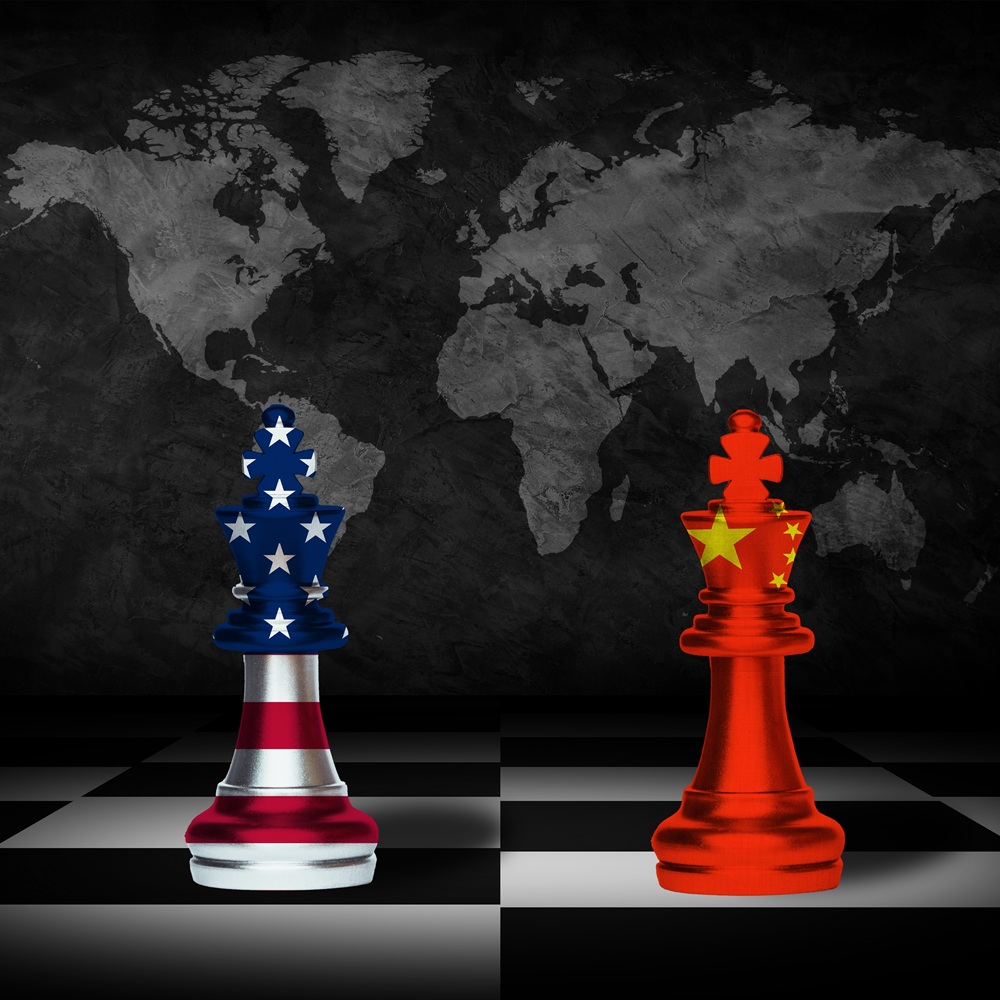
USA and China trade relations, cooperation strategy. US America and China flags on chess pawns soldiers on a chessboard. 3d illustration

New World Order: China vs the United States

by Manuel Alejandro Nuñez Vilcabana

Abstract This research article seeks to analyze the current geopolitical landscape, specifically the strategic confrontation between China and the United States and its impact on the international context. In this regard, the concept of the “World Order” refers to the hegemony that the United States held in the West following the end of the Cold War. Over the years, a new concept emerged, the “New World Order,” which defines the relationships that develop after a historical stage of international hegemony. The research begins by defining the variable “World Order” and its evolution into the “New World Order.” It then focuses on post-Cold War U.S. foreign policy, which shaped the course of the West. This is followed by an analysis of China’s foreign policy in recent years, which has generated a shift in the international paradigm. Finally, the study aims to analyze the confrontation between both countries for global hegemony through various international policies and geopolitical strategies. In conclusion, the concept of the “New World Order” for the 21st century is based on the strategic rivalry between China and the United States within an increasingly multipolar system. Both countries have defined foreign policies: the United States seeks to maintain hegemony, while China aims to create an international environment in which all participants can benefit. The conflict itself defines the “New World Order.” Keywords: China, United States, New World Order, geopolitics, international economy. Introduction Currently, there is an ongoing struggle between two powerful states that influence the reality of other countries around the world: the United States and China. These economic and military powers are at an impasse. On one hand, the United States seeks to maintain its influence and hegemony in the West, setting the agenda in international organizations and resolving global conflicts according to its own rules. On the other hand, China, which has a historical rivalry with the U.S., has become the world’s second-largest economy due to its economic development and has joined powers such as Russia and India to counter the US ambitions. The old “World Order” is in decline, making it necessary to update this category of international relations and define what the “New World Order” is, what it consists of, why it emerges, and, above all, how it could be addressed. For this reason, this research article first defines what is understood by the “World Order.” It then analyzes the crisis of this “World Order” in the 21st century, which has led to the emergence of a “New World Order” spearheaded by China’s rise on the international stage. The study continues by examining the United States and the general actions it has taken to reach this critical point, followed by an analysis of the Chinese Communist Party under Xi Jinping’s leadership, and finally, it explores how this confrontation impacts international reality. World Order To understand the concept of “World Order,” it is necessary to begin with a preliminary conceptual analysis of its underlying roots. “Hegemony” and “Power” are two key concepts for understanding the definition of “World Order.” “Hegemony” can be understood as the midpoint between the processes of influence and dominance in interstate relations, beyond its legal content in public or international law. The term has been used by Marxist and structuralist currents, but for general understanding, hegemony is predominantly the ability to lead or direct others. This can be understood from any perspective, whether international, social, or interpersonal. (Bobbio & Matteucci, 1981a) Hegemony cannot be understood without the exercise of power. In this context, power in the social sphere is the capacity of one person to influence another. A person becomes both agent and object simultaneously; the one who exercises power over another has the ability to influence decisions, activities, motivations, and more. (Bobbio & Matteucci, 1981b) The hegemonic process is explained through the exercise of power. “Power”, being the ability to influence an external agent, inherently requires being prepared to surpass this external agent in order to maintain a constant exercise of power and prevent, under any circumstances, the influenced agent from reacting and obstructing the full exercise of power. Consequently, it can be understood that the “World Order” is viewed from a hegemonic structural perspective, where the power exercised by one party — in this case, a country or countries — is largely consensual. This differs from a non-hegemonic order, where multiple actors coexist and compete for dominance over others. Even so, a notable distinction exists with respect to domination, which is the factual exercise of power. In other words, domination can exist without hegemony. (Cox, 2013) Naturally, under this definition, one might assume that the “World Order” follows a linear historical trajectory, with a clear beginning, middle, and end, along with defined actors and positions. This, however, is not the case. The “World Order” is a process marked by constant crises, emerging actors as they develop economically, socially, and militarily, specific interests seeking to influence others, and, above all, a continuous struggle for being the state at the top. (Schulz, 2023) Historically, the concept of “World Order” emerged after the Cold War. Another way to understand the term is through the hegemony of a political-economic model, materialized in the social and cultural expressions of countries. After the Cold War, a “neoliberal” model was established and adopted by most Western countries to perpetuate U.S. interests. Through “liberal” or “neoliberal” policies, a process of domination or hegemony is observed. (Duque-Vargas, 2021) Over the years, academia has reevaluated global events and defined categories through historical processes, which, due to circumstances, reemerge with new actors and in different geographic locations. Today, the concept of the “Cold War” is used as a framework to understand the struggle between powers. The so-called “New Cold War” refers to the confrontation between the U.S. and either Russia or China (Sanz Díaz & Sáenz-Rotko, 2022). It does not describe warfare in the same sense as from 1947 to 1991 but rather as a model of confrontation between powers, with the U.S. as a constant actor. From a political-philosophical perspective, liberalism has been and continues to be widely debated. To simplify — since defining this current is beyond the scope of this study — liberalism is politically expressed in liberal democracies and economically in the opening of markets to the international context and the development of capitalism as an economic model. (Bobbio & Matteucci, 1981b) Today, debate persists around the concept of “neoliberalism,” which emerges from liberalism, and no definitive canon has been established. Therefore, this term will not be defined to avoid straying from the focus of the study. Finally, the concept of “World Order” adopted for this study is a fusion of the concepts previously analyzed. The political-economic model in most Western countries over the past twenty-five years has been liberal democracy, imposed by the United States after the Cold War, expressed through culture, education, language, and other societal aspects, and continues to this day. (Dabat & Leal, 2019) In summary, the concept of “World Order” reflects the understanding that the United States maintained global hegemony over the past twenty-five years. This was due to its superior economic and military capacity, which shaped the political actions of other Western countries that adopted the pre-established model (liberal democracy). This allowed the U.S. to stimulate its market, thereby reinforcing and perpetuating its hegemony. Crisis of the 20th-Century “World Order” The World Order is affected by constant crises, as previously noted, but it is currently in a phase referred to as the “Interregnum.” This definition, noted by Gramsci, is understood as the midpoint where nothing is fully defined. It is a neutral moment, where there is neither progress nor regression, reached either because the dominant forces are unable to maintain their hegemony without detaching from coercive tools or, conversely, because the forces of change are insufficient to achieve their objectives. (Sanahuja Perales, 2022) This “stalemate” generates conflicts not only between countries but also within society itself. The post-capitalist economic model responds to this issue. Due to the technological rise of mass communication (social media) and the constant need to produce to sustain the model, problems of social identity emerge. As the identity of the “self” disappears, the identity of the “we” is eliminated; society itself disappears, leaving only a sum of undefined societies with shared problems such as anxiety and depression, which validate themselves through social media that consumes them. (Touraine & Guilpain Peuliard, 2016) The “World Order” after the Cold War established a globalizing mechanism that led to a paradigm of worldwide impoverishment, which is paradoxical to the intended outcome. This can be explained by the fact that the new production model adopted by large corporations sought to regress in social standards, promoting increased profits and reduced costs. This led major factories to relocate to countries where social policies were more easily circumvented, ignoring the regulations of their countries of origin, nullifying the consequences of their actions, and impoverishing the capacity of these populations to recover economically and socially. Consequently, this created not only a model of economic crisis but also a process of global social injustice with long-term consequences. (Chomsky, 2001) It is important to understand that the 20th-century “World Order” was not only afflicted by moral issues but also by global crises, such as the COVID-19 pandemic. In this context, international organizations demonstrated their inability to prevent the very problems they were originally established to address. It is essential for international organizations to promote new guidelines that cover sensitive issues such as global health. Within this framework, the “New World Order” is characterized by a human-centered approach and common development objectives. (Caldera Ynfante, 2020) To address the challenge of identifying problems affecting the international community, CEPLAN developed a series of nine “megatrends,” which are: population aging, increased global urbanization, a poly-nodal world, growing social inequalities and persistent social conflicts, crises of liberalism and globalization, changes in disease patterns and health systems, scarcity of natural resources, climate change and environmental degradation, and accelerated technological innovation and development. While these megatrends focus on the Peruvian context, they were formulated considering international agendas such as the 2030 Agenda and prospective analyses. (Observatorio Nacional de Prospectiva, n.d.) Emergence of the “New World Order” Under these circumstances, it becomes necessary to renew definitions and ask: are we still in the post–Cold War era? The answer is no, and it is necessary to present updated sociological and international relations categories. For this reason, the term “New World Order” is used when analyzing factors such as deindustrialization, failures in multilateralism, and the emergence of new powers capable of determining and imposing new positions. (Ramírez Montañez & Sarmiento Suárez, 2021) A large amount of studies presents a central point: the United States is losing its hegemonic control. This can be explained by the policies adopted by different governments, the economic decline due to historical recessions such as that of 2008, the absence of a political model to replace the failed attempt at liberal democracy in the region, internal social crises caused by various factors, and the emergence of China as an antagonist to its objectives. (Lechuga Cardozo & Leyva Cordero, 2020) United States and Hard Power The foreign policy of the United States has been widely studied by international relations scholars. It is often the focus of imaginative interpretations that sometimes verge on the absurd. Naturally, it is necessary to study such an important country with historical and economic significance with objectivity. After the September 11 attacks on the Twin Towers, U.S. foreign policy took on a singular purpose: to be the world’s foremost power. This entails determining the direction of global affairs, whether through diplomatic or coercive means — military or economic. The various tools used to achieve this purpose have included multilateralism (as seen during the Obama and Biden administrations) and the radical unilateralism presented by Trump. (Domínguez López, 2021) This doctrine, however, has a history that predates the Twin Towers. Following the collapse of the Soviet Union and the end of the Cold War, the United States promoted the creation of international organizations, learning from the failures of those established after World War I. These new international organizations were intended to preserve peace and develop new mechanisms for political and economic cooperation. Naturally, as the victorious power of both World Wars, and in the absence of a figure of comparable stature, the U.S. determined the future of these organizations, their purposes, and their rules. (Barbé, 1995) It is therefore necessary to understand that U.S. domestic policy effectively became its foreign policy. In other words, every state seeks to maintain order within its territory, continuously develop, and achieve a peak that can be consistently surpassed. This was how the United States viewed the world: as its canvas. (Lascano, Vedia & Colotta, 2020) Theoretically, the U.S. has a clear distinction from other states regarding hard power. Hard power is defined as a country’s military capability at strategic points around the world. The United States maintains military bases in various parts of the globe, on islands and specific territories, to impose its authority. (Peña Galindo, 2018) This military power is accompanied by economic power derived from arms development. War serves as a mean to develop the American industry, whose involvement — necessary from a business standpoint, though not necessarily military — has become central to debates due to the close relationship between political power, state structure, and the military-industrial complex. (Lorden Zeddies, 2023) The US model has been vigorously copied by various political figures. For example, Jair Bolsonaro, a member of Brazil’s right-wing party, positioned himself as a “Latin American Trump.” (Rodrigues, 2019) This demonstrates the influence of American doctrine on Western countries. Bolsonaro is not the only figure in the region; others include Javier Milei and Nayib Bukele, while in Europe, Giorgia Meloni serves as a counterpart. In the most recent U.S. elections held on November 5, 2024, Donald Trump won the presidency of the White House again. This would be his second term, and his positions, rather than moderating, became increasingly radical. His slogan, “Make America Great Again,” calls for a historical revision of what the United States represented in the world, from a colonialist perspective. Additionally, his various speeches against Mexican immigrants have been characterized as xenophobic. (Bussaja, 2024) It is evident, then, that the U.S. stance continues to be one of maintaining dominance and hegemony. The New Giant: China Xi Jinping assumed leadership of the People’s Republic of China in 2013. His first objective was the creation of a “New Silk Road,” referencing the Silk Road of the 2nd century that connected Europe, Africa, and Asia. This new route was designed to connect China with the rest of the world, opening its markets and leaving behind its historically insular past. (Zhongguo, 2019) This initiative also reflects the early stages of Jinping’s domestic policy based on soft power. The theory of soft power defines a country’s influence through economic strategy. In other words, it involves intervening in international markets to the extent necessary — or even obligatory — for the countries involved in the global landscape. In most cases, this is manifested through the accumulation of ports in different countries, controlled or financed by a single nation, with priority given to these key points as essential for its development. (Peña Galindo, 2018) This strategy not only promotes the economic development of a state but also enables the formulation of new political relationships. In China’s case, we see outreach to Japan, India, and Russia. (Rosas, 2008) Naturally, China initially sought to engage with these countries due to geographic proximity, but over time, and with the growth of its industry, it sought relationships with more distant nations. In Latin America and the Caribbean, China has established various agreements on economic, political, and social cooperation. However, as can be inferred, these initiatives have limitations due to China’s cultural gaps; while China seeks to open its cultural world to Latin America — and vice versa — the result is not an intercultural process but rather a multicultural one. (Staiano, 2019) This approach poses a challenge for the United States. In Latin America, the U.S. has historically held strong influence, but its challenges in various areas have allowed China to enter Latin markets freely. Countries in the region are not indifferent to China’s initiatives. The Chinese market offers cheaper products, more technologically advanced goods, and cultural visibility for the general public. (Zapata & Martínez-Hernández, 2020) A clear example of China’s soft power in South America is the Chancay mega-port in Peru. This port opens multiple opportunities for the region and the world. Asian products cost less and take fewer days to arrive. It increases tariff revenue in Peru and promotes the development of economic corridors in the region. (Villagra, 2023) Finally, China’s strategy is historically grounded in the “Century of Humiliation,” a historical period that continues to affect the Chinese Communist Party’s self-perception. Since China’s opening to the international market, measures have been taken to achieve the overarching goal: to “cleanse” its history. Communication strategies such as the “Wolf Warrior Diplomacy,” Peripheral Diplomacy, and its new international relations model based on win-win principles have made Xi Jinping one of the most recognized and lauded leaders when evaluated objectively in historical context. (Mazuelos Chávez, 2022) China vs. the United States The power dynamic between the U.S. and China has persisted over time. During his presidency, Obama made decisions that marked a rapprochement with China, but this paradigm shifted under Trump’s administration, which adopted a protectionist and nationalist policy line, culminating in a tariff war in 2018. China, on the other hand, maintained its party ideals, and under Xi Jinping, distanced itself from any hegemonic ambitions, promoting economic engagement with peripheral countries, respect for international organizations, and goodwill in international politics. (Barrera G et al., 2021) China’s stance is evident in the increase of exports to various countries. In multiple conferences, President Xi Jinping consolidated China’s economic openness, generating investment confidence in other countries by presenting a strong economic ally that does not interfere in domestic politics. Furthermore, economic exchanges benefit both parties. (Xu, 2021) Thus, on one hand, the U.S. seeks to protect its economy by radicalizing protectionist measures, triggering a tariff war, disturbing the international context, and increasing tensions with the Asian continent. Meanwhile, China’s economic model functions effectively as long as it opens itself to other countries, proposing alliances that mutually benefit both sides. Consequently, in the years leading up to the coronavirus pandemic, a confrontation between China and the U.S. was anticipated. By 2021, all signs pointed to an inevitable economic clash. Beyond tariff measures, questions arose as to whether China might repeat the same mistakes the U.S. made in managing hegemony, which have been analyzed over time and through unfolding events. (Gerig, 2021) Under these tensions, the U.S. emphasized that its intentions revolved more around physical warfare than economic conflict. Unlike China, the U.S. has allies that are more strategically positioned militarily but weaker economically. This is why a military agenda is promoted: in a hypothetical conflict, U.S. military capacity, combined with access to the Atlantic and Pacific Oceans, its military bases, and its industrial complex, would tilt the balance of war in its favor. Strategically, China has greater capacity to influence peripheral markets, making it difficult for the U.S. to initiate a conflict, as it would lack long-term trading partners, discouraging its production chain. (Gerig, 2021) Eventually, both countries need each other to maintain economic and technological development. China has independently developed innovative technologies but requires a large market to justify its multi-million-dollar investments, while the U.S. keeps many of its factories in China due to low labor costs. Trump’s first-term policies were later moderated by Biden, who adopted a more conciliatory approach, opening diplomatic channels while still emphasizing the importance of maintaining U.S. hegemony. (Fernández Tabío, 2022) So, where did this confrontation materialize? By 2023, Latin America became the preferred arena for both countries. Both sides recognized its importance, and peripheral economies were the center of attention. The notable difference between the two was, once again, their engagement strategy. The U.S. took a coercive approach toward Panama, whereas China approached Peru through port investments, creating new maritime routes that benefit the entire southern continent. (Carbajal-Glass, 2023) By 2024, with Trump’s second administration, the U.S. strongly opposed the rise of Asia, returning to isolationism. China maintained its perspective of mutual cooperation, while the U.S. pursued a militaristic stance, attempting to obstruct China’s cooperative development with Latin America and India. Even so, U.S. efforts were insufficient to prevent Asia’s engagement with other Western countries. Currently, China holds significant influence in Europe, Africa, and Latin America. (Nascimento, 2024) Discussion After conducting this comprehensive analysis of the “World Order” and its evolution into the “New World Order,” it becomes clear that the struggle for hegemony occurs between China and the United States. This confrontation is primarily economic, although it has cultural, military, social, and political dimensions. It is not comparable to the Cold War, but the term is used as a representation of a past that seems to echo in the present. (Crivelaro Neto, 2024) The “New World Order” for the 21st century represents a context of economic, political, military, cultural, and social crisis. The confrontation between these two major powers defines the current trajectory of the world. Countries that lack the capacity to participate in this confrontation (peripheral economies) nevertheless become geostrategic points of contention. This is evident in the case of Latin America. The diplomatic and cooperative relationships that China has built in recent years have strengthened its ability to confront the United States. (Rosas, 2008) The geopolitical landscape is fraught with uncertainty generated by the development of the conflict itself, making it difficult to establish definitive guidelines or perspectives in the analysis. The U.S., through its foreign policy, seeks to maintain its hegemony. Donald Trump exemplifies this approach. The American perspective is to prevent any other country from determining what should be done. This approach is not only aimed at countering China, which has become its primary adversary, but also applies to other countries, including the European Union, which remains its ally. China presents itself as the leader of this “New World Order” through its alliances in Asia and Latin America because it possesses the greatest capacity to confront the U.S., withstand policies directed against it, and develop new strategies through economic and technological development, preventing the U.S. from achieving international stability. The global reality (New World Order) is, in any case, a multipolar system. Finally, the United States faces multiple challenges. Since the COVID-19 pandemic, several events have contributed to its weakening. Moreover, the Biden administration has left a significant debt to the American people, and the crisis of liberal democracies continues to deepen. Trump represents the American mindset, while Xi Jinping is its most important adversary. This confrontation will ultimately be resolved with a single winner in a zero-sum equation. Conclusions Addressing the main objective of this research, the “New World Order” projected for the 21st century is the conflict between China and the United States. This impasse, as discussed, represents a deadlock in the international arena. It is necessary to allow more time for events to unfold. In due course, a winner will emerge in this economic contest. Nevertheless, it is undeniable that the United States remains at the forefront, and figures such as Donald Trump clearly exemplify the country’s continued hegemonic perspective. In the case of China, Xi Jinping’s government has marked a decisive shift in foreign policy, achieving what the reform and opening period did not: transforming China into an international market. Only time will determine whether it can withstand U.S. measures. Furthermore, it is essential to closely observe, despite the party’s secrecy, the geopolitical actions that the Chinese Communist Party undertakes. Finally, the confrontation between the United States and China, in economic terms, is real and affects the entire world. It impacts the development of new international policies, the emergence of social and health crises, and the formulation of new bilateral agreements between states thousands of kilometers apart. This confrontation represents the “New World Order” — an order without a concrete order — something only time can define, perhaps as a precursor to an international paradigm shift. References Barbé, Esther. (1995). Relaciones internacionales. Tecnos. Barrera G, R. A., Suárez G, L., & Ospina, L. M. (2021). La balanza comercial de América Latina con China y Estados Unidos en el contexto de la guerra comercial entre Trump y Xi Jinping. Cuadernos Latinoamericanos de administración, 17(33). https://www.redalyc.org/journal/4096/409672512004/409672512004.pdf Bobbio, Norberto., & Matteucci, Nicola. (1981a). Diccionario de política. abcchdefghij (1a ed., Vol. 1). Siglo Veintiuno. Bobbio, Norberto., & Matteucci, Nicola. (1981b). Diccionario de política. klmnopqrstuvwxyz (1a ed., Vol. 2). Siglo Veintiuno. Bussaja, J. (2024). Make America Great Again (MAGA): The Covert Call for Colonialism’s Comeback. SSRN Electronic Journal, 1–11. https://doi.org/10.2139/SSRN.4790796 Caldera Ynfante, J. (2020). Biocracia y derecho fundamental al nuevo orden mundial en la postpandemia COVID-19. Utopía y Praxis Latinoamericana, 25(4), 33–48. https://doi.org/10.5281/zenodo.3931044 Carbajal-Glass, F. (2023). Riesgo político, seguridad y geopolítica: América Latina y la competencia estratégica Estados Unidos-China. URVIO Revista Latinoamericana de Estudios de Seguridad, 36, 104–117. https://doi.org/10.17141/URVIO.36.2023.5842 Chomsky, N. (2001). Democracia y mercados en el nuevo orden mundial. Globalización y sindicalismo, 1, 47–83. Cox, R. (2013). Fuerzas sociales, estados y órdenes mundiales: Más allá de la Teoría de Relaciones Internacionales. Relaciones Internacionales, 24, 129–162. https://repositorio.uam.es/bitstream/handle/10486/677391/RI_24_7.pdf Crivelaro Neto, D. (2024). CHINA X EUA: RESTABELECIMENTO DA COMPETIÇÃO PELA LIDERANÇA DA ECONOMIA MUNDIAL. Revista Contemporânea, 4(3), e3445. https://doi.org/10.56083/RCV4N3-178 Dabat, A., & Leal, P. (2019). Ascenso y declive de Estados Unidos en la hegemonía mundial. Problemas del desarrollo, 50(199), 87–114. https://doi.org/10.22201/IIEC.20078951E.2019.199.67934 Domínguez López, E. (2021). De Bush 43 a Biden: cambios en el sistema-mundo y ajustes de política exterior en Estados Unidos. Política Internacional, 3(2), 27–42. Duque-Vargas, N.-H. (2021). Educación para una cultura de paz en el orden mundial posguerra fría. Revista Guillermo de Ockham, 19(2), 277–292. https://doi.org/10.21500/22563202.4086 Fernández Tabío, L. R. (2022). Estados Unidos, geoeconomía y pugna hegemónica con China. Política Internacional, 4(3), 19–31. https://www.redalyc.org/pdf/7620/762081507003.pdf Gerig, M. (2021). El retorno de la Trampa de Tucídides: la Gran Estrategia de Estados Unidos y China frente a la disputa hegemónica desde la perspectiva de la economía política de sistemas-mundo. Geopolítica(s). Revista de estudios sobre espacio y poder, 12(1), 99–122. https://doi.org/10.5209/geop.68341 Lascano y Vedia, J. R., & Colotta, M. (2020). Formulación de una política exterior: su dimensión política y social. Revista Relaciones Internacionales, 29(59), 103–130. Lechuga Cardozo, J. I., & Leyva Cordero, O. (2020). Escenarios 2020 del Orden Mundial. Análisis desde la Prospectiva Estratégica. Ánfora, 27(48), 137–161. https://doi.org/10.30854/anf.v27.n48.2020.672 Lorden Zeddies, N. (2023). Defensa y negocios: el complejo industrial militar en los Estados Unidos [Universidad Europea]. https://titula.universidadeuropea.com/handle/20.500.12880/5577 Mazuelos Chávez, J. A. (2022). El sueño chino de rejuvenecimiento nacional y la política exterior bajo Xi Jinping. Agenda Internacional, 29(40), 31–55. https://doi.org/10.18800/agenda.202201.002 Nascimento, L. G. do. (2024). La geoeconomía y geopolítica de las rivalidades China-Estados Unidos en las estrategias del Asia-Pacífico vs Indo-Pacífico. Relaciones Internacionales, 57, 191–207. https://doi.org/10.15366/RELACIONESINTERNACIONALES2024.57.010 Observatorio Nacional de Prospectiva. (s. f.). Recuperado 16 de octubre de 2025, de https://observatorio.ceplan.gob.pe/megatendencia Peña Galindo, A. (2018). ¿Soft power o Hard power? Reflexiones teóricas sobre la política exterior brasileña. Revista Relaciones Internacionales y Estrategias de seguridad, 13(2), 97–121. https://dialnet.unirioja.es/descarga/articulo/6819790.pdf Ramírez Montañez, J., & Sarmiento Suárez, J. (2021). Nuevo orden internacional a inicios de la segunda década del siglo XXI. Estudios Internacionales, 52(197), 153–166. https://doi.org/10.5354/0719-3769.2020.55138 Rodrigues, G. (2019). ¿EL TRUMP DEL TRÓPICO? POLÍTICA EXTERIOR DE ULTRADERECHA EN BRASIL. Análisis Carolina, 06, 1–11. Rosas, M. C. (2008). China y Estados Unidos en el siglo XXI: ¿hacia una nueva bipolaridad? Comercio exterior, 58(3), 198–217. Sanahuja Perales, J. A. (2022). Interregno. La actualidad de un orden mundial en crisis. Nueva Sociedad, 302, 86–94. https://hdl.handle.net/20.500.14352/72807 Sanz Díaz, C., & Sáenz-Rotko, J. M. (2022). ¿Segunda Guerra Fría? Un análisis desde la Historia y las Relaciones Internacionales. Relaciones Internacionales, 51, 167–184. https://doi.org/10.15366/RELACIONESINTERNACIONALES2022.51.009 Schulz, J. S. (2023). Crisis sistémica del orden mundial, transición hegemónica y nuevos actores en el escenario global. Cuadernos de Nuestra América, 3, 34–50. https://ri.conicet.gov.ar/handle/11336/206913 Staiano, M. F. (2019). La relaciones internacionales entre China y América Latina: encontrando un camino común hacia un nuevo orden mundial. Anuario en Relaciones Internacionales del IRI, 1–10. http://sedici.unlp.edu.ar/handle/10915/95952 Touraine, Alain., & Guilpain Peuliard, Odile. (2016). El fin de las sociedades. Fondo de Cultura Económica. Villagra, M. E. (2023). Megapuerto de Chancay: Repercusiones en el Comercio Sudamericano e Impacto Geoestratégico. Revista Seguridad y Poder Terrestre, 2(2), 75–86. https://doi.org/10.56221/SPT.V2I2.28 Xu, Y. (2021). Los efectos internos de la apertura exterior de la Economía China [Universidad de Valladolid]. https://uvadoc.uva.es/bitstream/handle/10324/52272/TFG-J-341.pdf?sequence=1&isAllowed=y Zapata, S., & Martínez-Hernández, A. A. (2020). Latin American Foreign Policy before the hegemony of the United States and China’s emerging power. Colombia Internacional, 104, 63–93. https://doi.org/10.7440/COLOMBIAINT104.2020.03 Zhongguo, J. (2019). La Nueva Ruta de la Seda: Universalismo y pluriversalismo para un nuevo orden mundial. Memoria Académica, 32, 24–46. https://www.memoria.fahce.unlp.edu.ar/art_revistas/pr.13112/pr.13112.pdfInformaciónadicionalenwww.memoria.fahce.unlp.edu.ar

Defense & Security
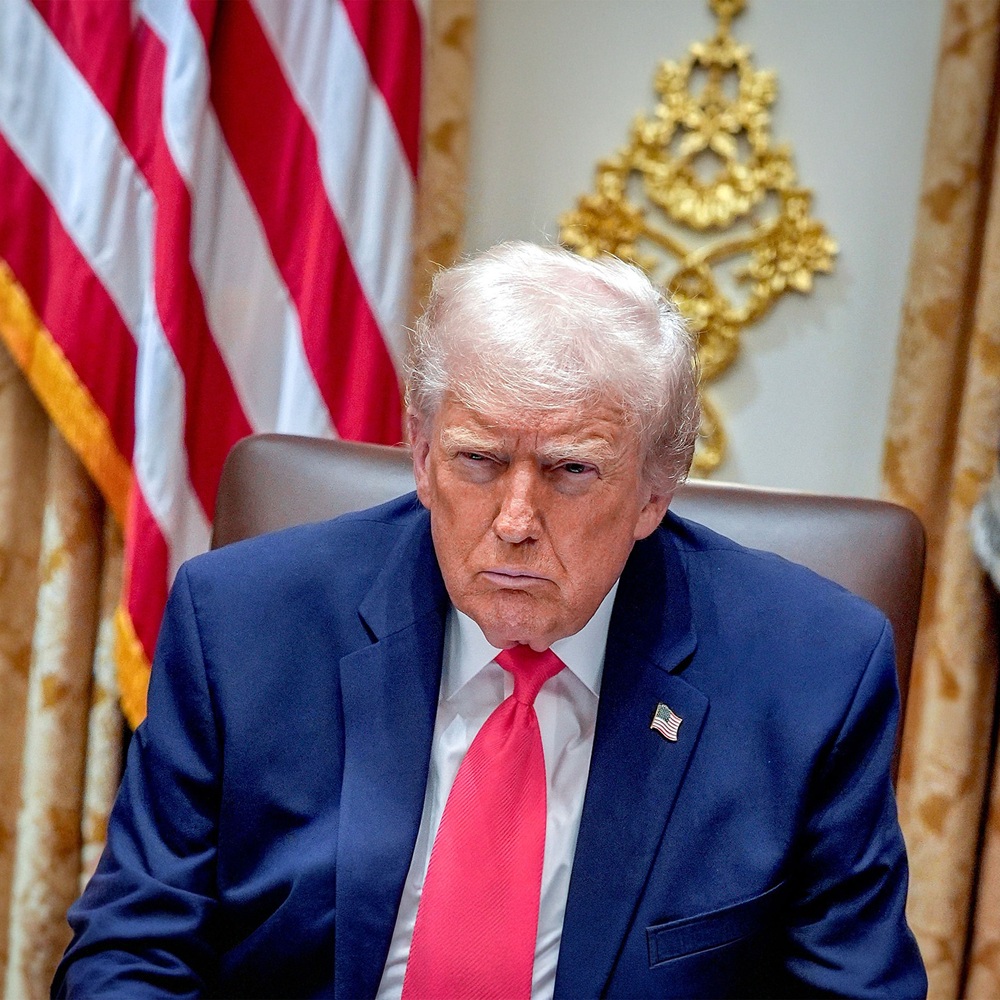
President Donald Trump Speaks During Cabinet Meeting in the Cabinet Room of the White House, Washington, DC on December 2, 2025

Opinion – The Mearsheimer Logic Underlying Trump’s National Security Strategy

by Mark N. Katz

The recently released Trump Administration’s National Security Strategy (NSS) has upended what had been the decades-long consensus about American foreign policy. Most notable in it is the Trump Administration’s prioritization of the Western Hemisphere as an American security concern, its deemphasis on defending America’s traditional European allies, its identification of China as far more of a threat than Russia, and its determination not to be drawn into conflicts in the Middle East and Africa. But while the 2025 Trump Administration National Security Strategy breaks with much of previous American foreign policy, the logic behind it is not something completely new. Even though the document makes no mention of him, the policy outlined in the NSS comports with what John Mearsheimer described in his influential book, “The Tragedy of Great Power Politics”, which was first published in 2001 and updated in 2014. In his book Mearsheimer declared that no nation has ever achieved global hegemony. According to Mearsheimer, America is the only country that has achieved predominant influence in its own region (the Western Hemisphere) and has also been able to prevent any other great power from dominating any other region. Mearsheimer wrote, “States that achieve regional hegemony seek to prevent great powers in other regions from duplicating their feat. Regional hegemons, in other words, do not want peers” (2014 edition, p. 41). Trump’s 2025 National Security Strategy has, whether knowingly or not, adopted these aims as well. It discusses the various regions of the world in the order of their priority for the Trump Administration: the Western Hemisphere first, followed by Asia (or Indo-Pacific), Europe, the Middle East, and lastly Africa. With regard to the Western Hemisphere, the NSS unambiguously calls for the restoration of “American preeminence in the Western Hemisphere,” and states, “We will deny non-Hemispheric competitors the ability to position forces or other threatening capabilities, or to own or control strategically vital assets, in our Hemisphere.” This is very much in keeping with what Mearsheimer described as America being a regional hegemon in the Western Hemisphere. As for the other four regions of the world, though, the Trump Administration seeks either to prevent any other great power from becoming predominant — or it doesn’t see this as a possibility that needs to be worried about. According to the NSS, the Middle East was a priority in the past because it was the world’s most important energy supplier and was a prime theater of superpower conflict. Now, however, there are other energy suppliers (including the U.S.) and superpower competition has been replaced by “great power jockeying” in which the U.S. retains “the most enviable position.” In other words: the Trump Administration does not see any other great power as able to become predominant in this region which is now less strategically important than it used to be anyway. Similarly, the NSS does not see any other great power as even seeking to become predominant in Africa. The NSS thus sees America’s main interests there as mainly commercial. By contrast, China is seen as a threat in the Indo-Pacific region. The NSS, though, discusses Chinese threats in the economic and technological spheres before turning to the military one. A continued U.S. military presence in the region is seen as important for preventing Chinese predominance. But Japan, South Korea, Taiwan, and Australia are all enjoined by the NSS to increase their defense spending in order to counter this threat. The NSS also identifies “the potential for any competitor to control the South China Sea” as a common threat that not only requires investment in U.S. military capabilities, “but also strong cooperation with every nation that stands to suffer, from India to Japan and beyond.” Unlike the Middle East and Africa, then, the NSS does identify a rival great power as striving for predominance in the Indo-Pacific region. Countering it, though, is not seen as just being America’s responsibility, but also that of other powerful states in the region. The strangest section in the 2025 NSS is the one on Europe. While acknowledging that “many Europeans regard Russia as an existential threat,” the NSS envisions America’s role as “managing European relations with Russia” both to “reestablish conditions of strategic stability” and “to mitigate the risk of conflict between Russia and European states.” This is very different from the decades-long U.S. policy of seeing America’s role as defending democratic Europe against an expansionist Soviet Union in the past and Putin’s Russia more recently. Indeed, the NSS’s claim that the European Union undermines “political liberty and sovereignty” and its welcoming “the growing influence of patriotic European parties” (in other words, anti-EU right wing nationalist ones) suggests that it is not Russia which the Trump Administration sees as a rival, but the European Union. The 2025 NSS does call for a “strong Europe…to work in concert with us to prevent any adversary from dominating Europe.” The NSS, though, seems to envision the European Union as either greater than or equal to Russia in threatening to dominate European nations. In his book, Mearsheimer did not envision the European Union as a potential great power rival to the U.S. Indeed, there isn’t even an entry for it in the book’s index. The way that the NSS envisions the world, though, comports with how Mearsheimer described America’s great power position: predominant in the Western Hemisphere and able to prevent any other great power from becoming predominant in any other region of the world. Mearsheimer, though, is a scholar who described the position in the world that he saw the U.S. as having achieved and which would seek to maintain. The 2025 NSS, by contrast, is a policy document laying out how the Trump Administration believes it can best maintain this position. And there is reason to doubt that it has done so realistically. Keeping non-Hemispheric great powers out of the Western Hemisphere will not be easy when there are governments there that want to cooperate with them. Further, devoting American resources to being predominant in Latin America when this will be resented and resisted could not only take away from America’s ability to prevent rival great powers from becoming predominant in other regions, but could counterproductively lead Latin American nations than have already done so to increase their cooperation with external great powers which the Trump Administration wants to avoid. Further, the Trump Administration’s efforts to reduce the influence of the European Union runs two risks: the first is that such an effort will succeed, but that the rise of anti-EU nationalist governments throughout the old continent results in a Europe less able to resist Russian manipulation and incursion. The second is that Trump Administration efforts to weaken the European Union backfire and result not only in a Europe united against American interference but unnecessarily emerging as a rival to the U.S. It would be ironic indeed if pursuing the NSS’s plan for upholding what Mearsheimer described as America’s ability to predominate over the Western Hemisphere combined with an ability to prevent any rival from predominating over any other region ended up undermining America’s ability to do either.

Diplomacy
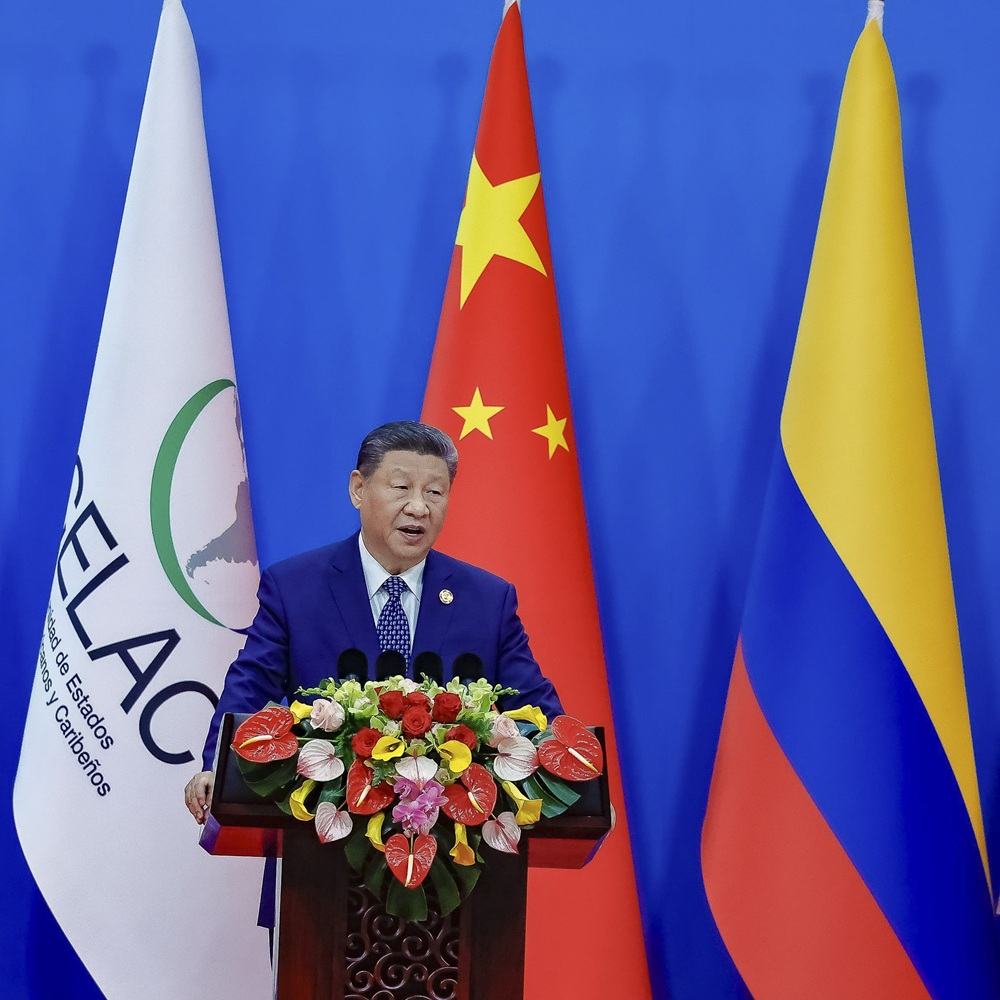
Presidente da República, Luiz Inácio Lula da Silva, Sessão de abertura do IV Fórum CELAC-China. China National Convention Center II, Pequim - China. Foto - Ricardo Stuckert / PR Lula Oficial, CC BY-SA 2.0 <https://creativecommons.org/licenses/by-sa/2.0>,

China and the Trump corollary to the Monroe Doctrine

by Tings Chak

China’s policy paper supports the “Proclamation of Latin America and the Caribbean as a Zone of Peace” — a pointed contrast to US twenty-first century gunboat diplomacy. On December 10, 2025, US forces seized the oil tanker Skipper off the coast of Venezuela, carrying over a million barrels of crude. “Well, we keep [the oil],” President Trump told reporters. Venezuela’s foreign ministry called it “blatant theft and an act of international piracy,” adding: “The true reasons for the prolonged aggression against Venezuela have finally been revealed. It has always been about our natural wealth, our oil.” That same day, on the other side of the world, China released its third Policy Paper on Latin America and the Caribbean (the first since 2016) outlining a vision of partnership “without attaching any political conditions.” The timing captures the choice now facing Latin America. Two documents released within a week — Trump’s National Security Strategy (NSS) on December 5 and China’s policy paper five days later — lay bare fundamentally different approaches to the hemisphere. The Monroe Doctrine returns Trump’s NSS makes no pretense of diplomatic subtlety. It declares a ‘Trump Corollary’ to the Monroe Doctrine, asserting US opposition to “hostile foreign incursion or ownership of key assets” in the hemisphere. The Western Hemisphere is now America’s “highest priority”, with three threats requiring military response: migration, drugs, and China. Countries seeking US assistance must demonstrate they are “winding down adversarial outside influence” — a demand that Latin American nations cut ties with Beijing. The strategy promises “targeted deployments” and “the use of lethal force” against cartels. It states that Washington will “reward and encourage the region’s governments … aligned with our principles and strategies.” Unsurprisingly, the US Secretary of State Marco Rubio rushed to congratulate Chile’s Trump-inspired extreme right wing candidate José Antonio Kast, who won the presidency with 58% of the vote (the most right-wing leader since Pinochet). The tanker seizure shows what this doctrine looks like in practice. Since September, US strikes on boats have killed 95 people. The USS Gerald R. Ford carrier group patrols the Caribbean. As Colombian President Gustavo Petro observed, Trump is “not thinking about the democratization of Venezuela, let alone the narco-trafficking” — only oil. After declaring that a new phase of attacks could include “land strikes on Venezuela”, Trump threatened the Colombian president that “he’ll be next” as well as invasion of Mexico. China’s alternative China’s policy paper operates from an entirely different premise. Opening by identifying China as “a developing country and member of the Global South,” it positions the relationship as South-South cooperation and solidarity rather than great power competition. The document proposes five programs: Solidarity, Development, Civilization, Peace, and People-to-People Connectivity. What distinguishes this paper from its 2008 and 2016 predecessors is its explicit call for “local currency pricing and settlement’ in energy trade to “reduce the impact of external economic and financial risks” — new language directly addressing the weaponization of the dollar. This trend has been underway, as highlighted by the R$157 billion (USD 28 billion) currency swap agreement between Brazil and China, signed during Brazilian president Lula’s visit to the Asian country in May this year. China’s policy paper supports the “Proclamation of Latin America and the Caribbean as a Zone of Peace” — a pointed contrast to US twenty-first century gunboat diplomacy. And it contains a line clearly responding to Washington’s pressure: “The China-LAC relationship does not target or exclude any third party, nor is it subjugated by any third party.” The historical pattern Of course, the focus on the “China threat” to “US pre-eminence” in the region is not new. In August 1961, progressive Brazilian Vice President João Goulart visited China, the first high-ranking Latin American official to do so after the Chinese Revolution. At a mass rally in Beijing, he declared that China showed “how a people, looked down upon by others for past centuries, can emancipate themselves from the yoke of their exploiters.” The US response was swift. American media constructed a narrative linking Brazilian agrarian reform movements to a “communist threat from China.” On April 1, 1964 (less than three years after Goulart’s visit) a US-backed military coup overthrew him. Twenty-one years of dictatorship followed. The playbook remains the same. In the 1960s, the pretext was “communist threat”; today it’s “China threat.” And what’s at stake is Latin American sovereignty. What makes this moment different is economic weight. China-LAC trade reached a record US$518.47 billion in 2024, according to China’s Ministry of Commerce. China’s share of trade with Mercosur countries has grown from 2% to 24% since 2000. At the May 2025 CELAC-China Forum, Xi Jinping announced a USD 9 billion investment credit line. In 1964, Latin America had few alternatives. Today, China presents another option. The question before the Latin American people The right-wing surge across the continent is undeniable — Kast in Chile, Milei in Argentina, the end of MAS rule in Bolivia. These victories reflect the limitations of progressive governments when addressing crime, migration, and economic stagnation. But they also reflect how US-generated crises become the terrain on which the right wins. The question is whether Latin American governments (including right-wing ones) want to be subordinates in what Trump’s strategy calls an “American-led world.” Even Western liberal analysts are alarmed. Brookings describes the NSS as “essentially assert[ing] a neo-imperialist presence in the region.” Chatham House notes that Trump uses “coercion instead of negotiation”, contrasted with China, “which has been providing investment and credit … without imposing conditions.” That being said, China’s presence in Latin America is not without contradictions. The structure of trade remains imbalanced — Latin America exports raw materials and imports manufactured goods. Meanwhile, labor and environmental concerns linked to specific Chinese private enterprises cannot be ignored. Whether the relationship enables development or reproduces dependency depends on what Latin American governments demand: technology transfer, local production, industrial policy. This agenda for a sovereign national project must be pushed forward by the Latin American people and popular forces. At present, the differences between the two visions being presented of the “US-led world” and a “community with a shared future” have never been starker. This article was produced by Globetrotter. The original article is under a CC BY-SA license

Diplomacy
Ulsan, South Korea - September 28th, 2024: View of HD Hyundai Heavy Industries Ulsan Headquarters, South Korea. A key player in shipbuilding, this landmark facility.

South Korea, Taiwan and Vietnam show that economic statecraft is not just the preserve of great powers

by Robyn Klingler-Vidra

Make American shipbuilding great again (Masga) may sound like an effort by the US to bolster its economic strength and project power internationally, but Masga is not an American policy. It is a South Korean initiative that emerged following trade talks with the US in June. Rather than responding to the Trump administration’s tariff threats solely through trade negotiations, Korean officials saw an opportunity to show their American counterparts that South Korea deserved better treatment. They suggested that South Korea bring its shipbuilding prowess to the US. South Korea is perhaps most famous as an exporter of K-pop, cars and semiconductors. But it is also a global powerhouse in shipbuilding. The shipyard in the south-eastern Korean city of Ulsan alone produces roughly ten times more ships annually than the entire US shipbuilding industry. And as the US tries to counter China’s rapidly growing naval fleet, Korean assistance is something that is clearly needed. The US navy secretary, John Phelan, declared earlier in 2025 that US shipbuilding programmes “are a mess”. He added: “I think our best one is six months late and 57% over budget … That is the best one.” Masga was launched in August, with South Korean conglomerates HD Hyundai and Samsung Heavy Industries signing a US$150 billion (£112 billion) deal to modernise US shipbuilding capabilities. It is a clear example of a middle power, a term for countries that lack the dominance of great powers but matter because they possess distinctive industrial, resource or diplomatic capabilities, using economic statecraft to punch above its weight. Economic statecraft has largely been used to describe actions taken by great powers like the US and China to enable and restrict access to their consumer markets, investment coffers and production capabilities. The aim is to achieve foreign policy goals or national security objectives by inflicting damage on or beating the capabilities of a rival power. One classic example is the US government’s use of sanctions against Russia over its war in Ukraine and Iran over its nuclear programme. The overt linking of economic tools like sanctions and tariffs to defence objectives in Washington’s recent national security strategy is another striking illustration of this. Middle powers have traditionally not actively pursued economic statecraft to achieve their objectives. They have instead looked to secure a seat at key tables through cooperative participation in regional and multilateral forums. But some of these countries are now asserting their power more explicitly, through preemptive moves like Masga. Using economic statecraft Taiwan is perhaps the most obvious case of a middle power engaging in economic statecraft. The country has used its critical role in global semiconductor supply chains as leverage to protect itself against Chinese invasion. Former Taiwanese president Tsai Ing-wen referred to international reliance on the island’s chip industry as a “silicon shield” in 2021. Taipei imposes strict controls on tech sales and screens investment, particularly from China, to protect its position. And Taiwan’s industry-leading firms, such as TSMC, also invest heavily to maintain their technological edge. Vietnam offers another example. Consistent with its “bamboo diplomacy” foreign policy model, Hanoi hosts leaders from China, Russia and the US, seeking flexibility rather than rigid alignment. The aim is clear: to maximise Vietnam’s national interests pragmatically and with autonomy. With the world’s sixth-largest reserves of rare earths, Vietnam is now looking to use critical minerals as a tool of economic statecraft. The government voted to ban rare-earth exports on December 11, citing the need to reorient the sector towards domestic processing and higher-value manufacturing rather than merely the export of basic raw materials. Rare earths are essential components in numerous products that are central to our daily lives, including smartphones, semiconductors and electric vehicles. By restricting foreign access to these essential inputs, Vietnam is striving to secure its long-term position in the supply chains of highly in-demand resources. Together, these cases show how economic statecraft is not only the preserve of great powers. Middle power states are selectively granting and restricting access to their economic strengths to reshape markets and security relationships. Korea’s shipbuilding, Taiwan’s chip production and Vietnam’s rare earths illustrate this more assertive approach. They are no longer confined to reactive measures or behind-the-scenes diplomacy in regional forums or multilateral negotiations. These states are proposing economic and military partnerships, as seen in initiatives such as Masga and Tsai’s assertion that everyone needs to care about Taiwan, given how essential chips are to the world economy. Great powers are taking notice. In October, HD Hyundai and US defence contractor Huntington Ingalls Industries announced they are together building next-generation navy vessels. This marks the first time a South Korean firm will build a US navy ship. And Washington has also reportedly been courting Hanoi with elevated diplomatic status and promises of mining support. For other middle powers, the lesson is clear: identify and leverage the strategic economic strengths that other countries depend on.