New World Order: China vs the United States
by Manuel Alejandro Nuñez Vilcabana
Abstract
This research article seeks to analyze the current geopolitical landscape, specifically the strategic confrontation between China and the United States and its impact on the international context. In this regard, the concept of the “World Order” refers to the hegemony that the United States held in the West following the end of the Cold War. Over the years, a new concept emerged, the “New World Order,” which defines the relationships that develop after a historical stage of international hegemony.
The research begins by defining the variable “World Order” and its evolution into the “New World Order.” It then focuses on post-Cold War U.S. foreign policy, which shaped the course of the West. This is followed by an analysis of China’s foreign policy in recent years, which has generated a shift in the international paradigm. Finally, the study aims to analyze the confrontation between both countries for global hegemony through various international policies and geopolitical strategies.
In conclusion, the concept of the “New World Order” for the 21st century is based on the strategic rivalry between China and the United States within an increasingly multipolar system. Both countries have defined foreign policies: the United States seeks to maintain hegemony, while China aims to create an international environment in which all participants can benefit. The conflict itself defines the “New World Order.”
Keywords: China, United States, New World Order, geopolitics, international economy.
Introduction
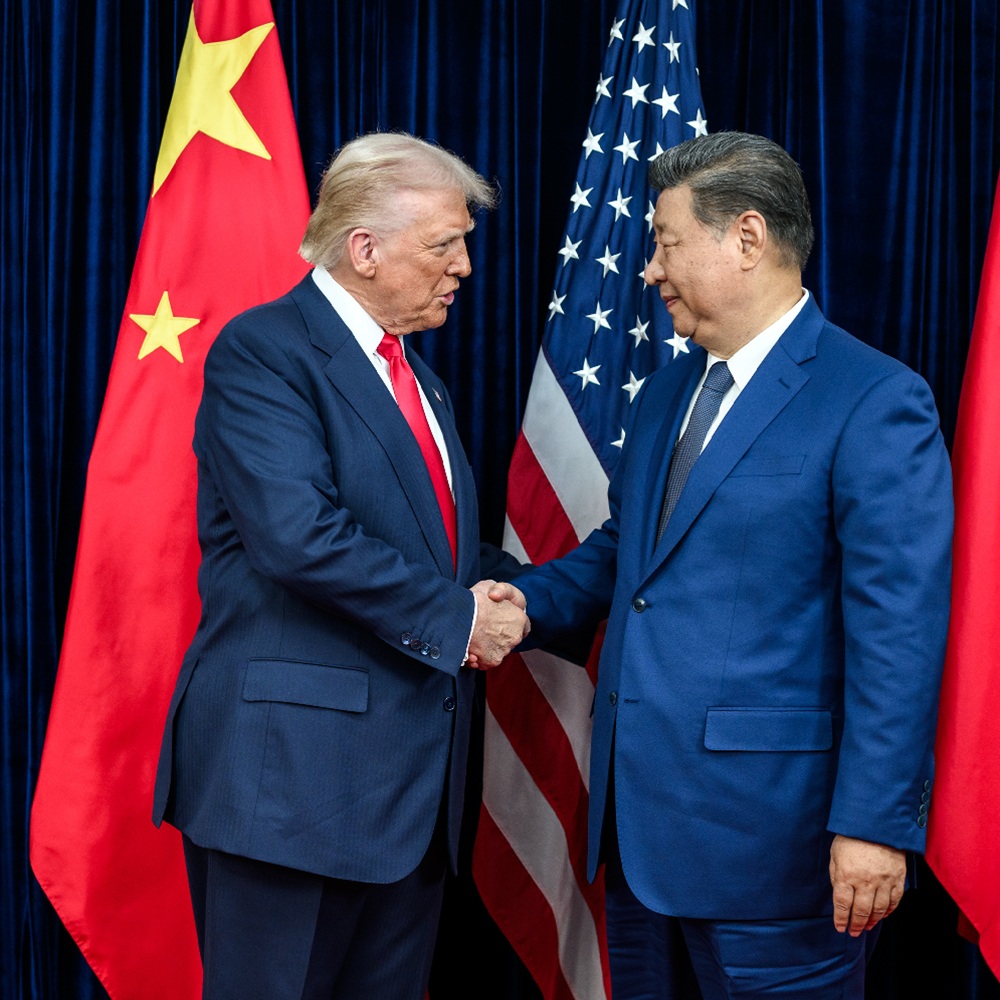
Currently, there is an ongoing struggle between two powerful states that influence the reality of other countries around the world: the United States and China. These economic and military powers are at an impasse. On one hand, the United States seeks to maintain its influence and hegemony in the West, setting the agenda in international organizations and resolving global conflicts according to its own rules. On the other hand, China, which has a historical rivalry with the U.S., has become the world’s second-largest economy due to its economic development and has joined powers such as Russia and India to counter the US ambitions.
The old “World Order” is in decline, making it necessary to update this category of international relations and define what the “New World Order” is, what it consists of, why it emerges, and, above all, how it could be addressed.
For this reason, this research article first defines what is understood by the “World Order.” It then analyzes the crisis of this “World Order” in the 21st century, which has led to the emergence of a “New World Order” spearheaded by China’s rise on the international stage. The study continues by examining the United States and the general actions it has taken to reach this critical point, followed by an analysis of the Chinese Communist Party under Xi Jinping’s leadership, and finally, it explores how this confrontation impacts international reality.
World Order
To understand the concept of “World Order,” it is necessary to begin with a preliminary conceptual analysis of its underlying roots. “Hegemony” and “Power” are two key concepts for understanding the definition of “World Order.”
“Hegemony” can be understood as the midpoint between the processes of influence and dominance in interstate relations, beyond its legal content in public or international law. The term has been used by Marxist and structuralist currents, but for general understanding, hegemony is predominantly the ability to lead or direct others. This can be understood from any perspective, whether international, social, or interpersonal. (Bobbio & Matteucci, 1981a)
Hegemony cannot be understood without the exercise of power. In this context, power in the social sphere is the capacity of one person to influence another. A person becomes both agent and object simultaneously; the one who exercises power over another has the ability to influence decisions, activities, motivations, and more. (Bobbio & Matteucci, 1981b)
The hegemonic process is explained through the exercise of power. “Power”, being the ability to influence an external agent, inherently requires being prepared to surpass this external agent in order to maintain a constant exercise of power and prevent, under any circumstances, the influenced agent from reacting and obstructing the full exercise of power.
Consequently, it can be understood that the “World Order” is viewed from a hegemonic structural perspective, where the power exercised by one party — in this case, a country or countries — is largely consensual. This differs from a non-hegemonic order, where multiple actors coexist and compete for dominance over others. Even so, a notable distinction exists with respect to domination, which is the factual exercise of power. In other words, domination can exist without hegemony. (Cox, 2013)
Naturally, under this definition, one might assume that the “World Order” follows a linear historical trajectory, with a clear beginning, middle, and end, along with defined actors and positions. This, however, is not the case. The “World Order” is a process marked by constant crises, emerging actors as they develop economically, socially, and militarily, specific interests seeking to influence others, and, above all, a continuous struggle for being the state at the top. (Schulz, 2023)
Historically, the concept of “World Order” emerged after the Cold War. Another way to understand the term is through the hegemony of a political-economic model, materialized in the social and cultural expressions of countries. After the Cold War, a “neoliberal” model was established and adopted by most Western countries to perpetuate U.S. interests. Through “liberal” or “neoliberal” policies, a process of domination or hegemony is observed. (Duque-Vargas, 2021)
Over the years, academia has reevaluated global events and defined categories through historical processes, which, due to circumstances, reemerge with new actors and in different geographic locations. Today, the concept of the “Cold War” is used as a framework to understand the struggle between powers. The so-called “New Cold War” refers to the confrontation between the U.S. and either Russia or China (Sanz Díaz & Sáenz-Rotko, 2022). It does not describe warfare in the same sense as from 1947 to 1991 but rather as a model of confrontation between powers, with the U.S. as a constant actor.
From a political-philosophical perspective, liberalism has been and continues to be widely debated. To simplify — since defining this current is beyond the scope of this study — liberalism is politically expressed in liberal democracies and economically in the opening of markets to the international context and the development of capitalism as an economic model. (Bobbio & Matteucci, 1981b) Today, debate persists around the concept of “neoliberalism,” which emerges from liberalism, and no definitive canon has been established. Therefore, this term will not be defined to avoid straying from the focus of the study.
Finally, the concept of “World Order” adopted for this study is a fusion of the concepts previously analyzed. The political-economic model in most Western countries over the past twenty-five years has been liberal democracy, imposed by the United States after the Cold War, expressed through culture, education, language, and other societal aspects, and continues to this day. (Dabat & Leal, 2019)
In summary, the concept of “World Order” reflects the understanding that the United States maintained global hegemony over the past twenty-five years. This was due to its superior economic and military capacity, which shaped the political actions of other Western countries that adopted the pre-established model (liberal democracy). This allowed the U.S. to stimulate its market, thereby reinforcing and perpetuating its hegemony.
Crisis of the 20th-Century “World Order”
The World Order is affected by constant crises, as previously noted, but it is currently in a phase referred to as the “Interregnum.” This definition, noted by Gramsci, is understood as the midpoint where nothing is fully defined. It is a neutral moment, where there is neither progress nor regression, reached either because the dominant forces are unable to maintain their hegemony without detaching from coercive tools or, conversely, because the forces of change are insufficient to achieve their objectives. (Sanahuja Perales, 2022)
This “stalemate” generates conflicts not only between countries but also within society itself. The post-capitalist economic model responds to this issue. Due to the technological rise of mass communication (social media) and the constant need to produce to sustain the model, problems of social identity emerge. As the identity of the “self” disappears, the identity of the “we” is eliminated; society itself disappears, leaving only a sum of undefined societies with shared problems such as anxiety and depression, which validate themselves through social media that consumes them. (Touraine & Guilpain Peuliard, 2016)
The “World Order” after the Cold War established a globalizing mechanism that led to a paradigm of worldwide impoverishment, which is paradoxical to the intended outcome. This can be explained by the fact that the new production model adopted by large corporations sought to regress in social standards, promoting increased profits and reduced costs. This led major factories to relocate to countries where social policies were more easily circumvented, ignoring the regulations of their countries of origin, nullifying the consequences of their actions, and impoverishing the capacity of these populations to recover economically and socially. Consequently, this created not only a model of economic crisis but also a process of global social injustice with long-term consequences. (Chomsky, 2001)
It is important to understand that the 20th-century “World Order” was not only afflicted by moral issues but also by global crises, such as the COVID-19 pandemic. In this context, international organizations demonstrated their inability to prevent the very problems they were originally established to address. It is essential for international organizations to promote new guidelines that cover sensitive issues such as global health. Within this framework, the “New World Order” is characterized by a human-centered approach and common development objectives. (Caldera Ynfante, 2020)
To address the challenge of identifying problems affecting the international community, CEPLAN developed a series of nine “megatrends,” which are: population aging, increased global urbanization, a poly-nodal world, growing social inequalities and persistent social conflicts, crises of liberalism and globalization, changes in disease patterns and health systems, scarcity of natural resources, climate change and environmental degradation, and accelerated technological innovation and development. While these megatrends focus on the Peruvian context, they were formulated considering international agendas such as the 2030 Agenda and prospective analyses. (Observatorio Nacional de Prospectiva, n.d.)
Emergence of the “New World Order”
Under these circumstances, it becomes necessary to renew definitions and ask: are we still in the post–Cold War era? The answer is no, and it is necessary to present updated sociological and international relations categories.
For this reason, the term “New World Order” is used when analyzing factors such as deindustrialization, failures in multilateralism, and the emergence of new powers capable of determining and imposing new positions. (Ramírez Montañez & Sarmiento Suárez, 2021)
A large amount of studies presents a central point: the United States is losing its hegemonic control. This can be explained by the policies adopted by different governments, the economic decline due to historical recessions such as that of 2008, the absence of a political model to replace the failed attempt at liberal democracy in the region, internal social crises caused by various factors, and the emergence of China as an antagonist to its objectives. (Lechuga Cardozo & Leyva Cordero, 2020)
United States and Hard Power
The foreign policy of the United States has been widely studied by international relations scholars. It is often the focus of imaginative interpretations that sometimes verge on the absurd. Naturally, it is necessary to study such an important country with historical and economic significance with objectivity.
After the September 11 attacks on the Twin Towers, U.S. foreign policy took on a singular purpose: to be the world’s foremost power. This entails determining the direction of global affairs, whether through diplomatic or coercive means — military or economic. The various tools used to achieve this purpose have included multilateralism (as seen during the Obama and Biden administrations) and the radical unilateralism presented by Trump. (Domínguez López, 2021)
This doctrine, however, has a history that predates the Twin Towers. Following the collapse of the Soviet Union and the end of the Cold War, the United States promoted the creation of international organizations, learning from the failures of those established after World War I. These new international organizations were intended to preserve peace and develop new mechanisms for political and economic cooperation. Naturally, as the victorious power of both World Wars, and in the absence of a figure of comparable stature, the U.S. determined the future of these organizations, their purposes, and their rules. (Barbé, 1995)
It is therefore necessary to understand that U.S. domestic policy effectively became its foreign policy. In other words, every state seeks to maintain order within its territory, continuously develop, and achieve a peak that can be consistently surpassed. This was how the United States viewed the world: as its canvas. (Lascano, Vedia & Colotta, 2020)
Theoretically, the U.S. has a clear distinction from other states regarding hard power. Hard power is defined as a country’s military capability at strategic points around the world. The United States maintains military bases in various parts of the globe, on islands and specific territories, to impose its authority. (Peña Galindo, 2018) This military power is accompanied by economic power derived from arms development. War serves as a mean to develop the American industry, whose involvement — necessary from a business standpoint, though not necessarily military — has become central to debates due to the close relationship between political power, state structure, and the military-industrial complex. (Lorden Zeddies, 2023)
The US model has been vigorously copied by various political figures. For example, Jair Bolsonaro, a member of Brazil’s right-wing party, positioned himself as a “Latin American Trump.” (Rodrigues, 2019) This demonstrates the influence of American doctrine on Western countries. Bolsonaro is not the only figure in the region; others include Javier Milei and Nayib Bukele, while in Europe, Giorgia Meloni serves as a counterpart.
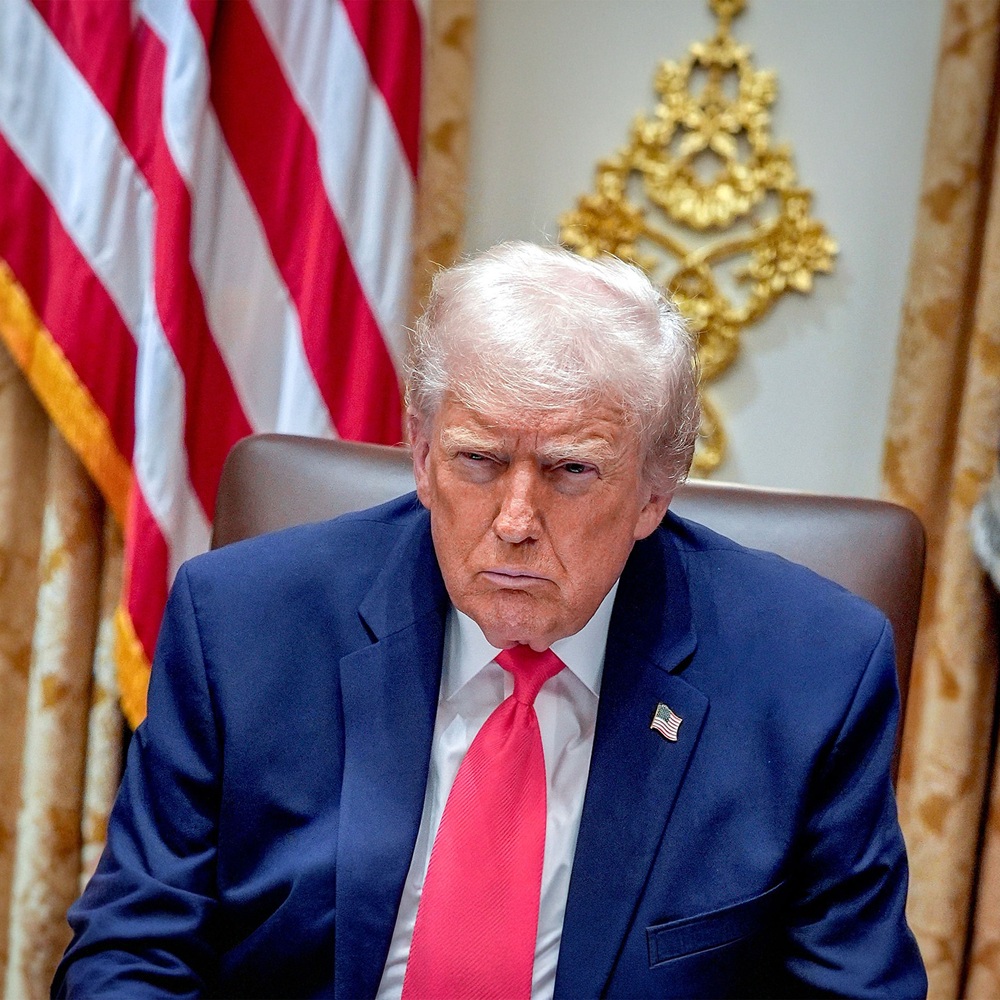
In the most recent U.S. elections held on November 5, 2024, Donald Trump won the presidency of the White House again. This would be his second term, and his positions, rather than moderating, became increasingly radical. His slogan, “Make America Great Again,” calls for a historical revision of what the United States represented in the world, from a colonialist perspective. Additionally, his various speeches against Mexican immigrants have been characterized as xenophobic. (Bussaja, 2024) It is evident, then, that the U.S. stance continues to be one of maintaining dominance and hegemony.
The New Giant: China
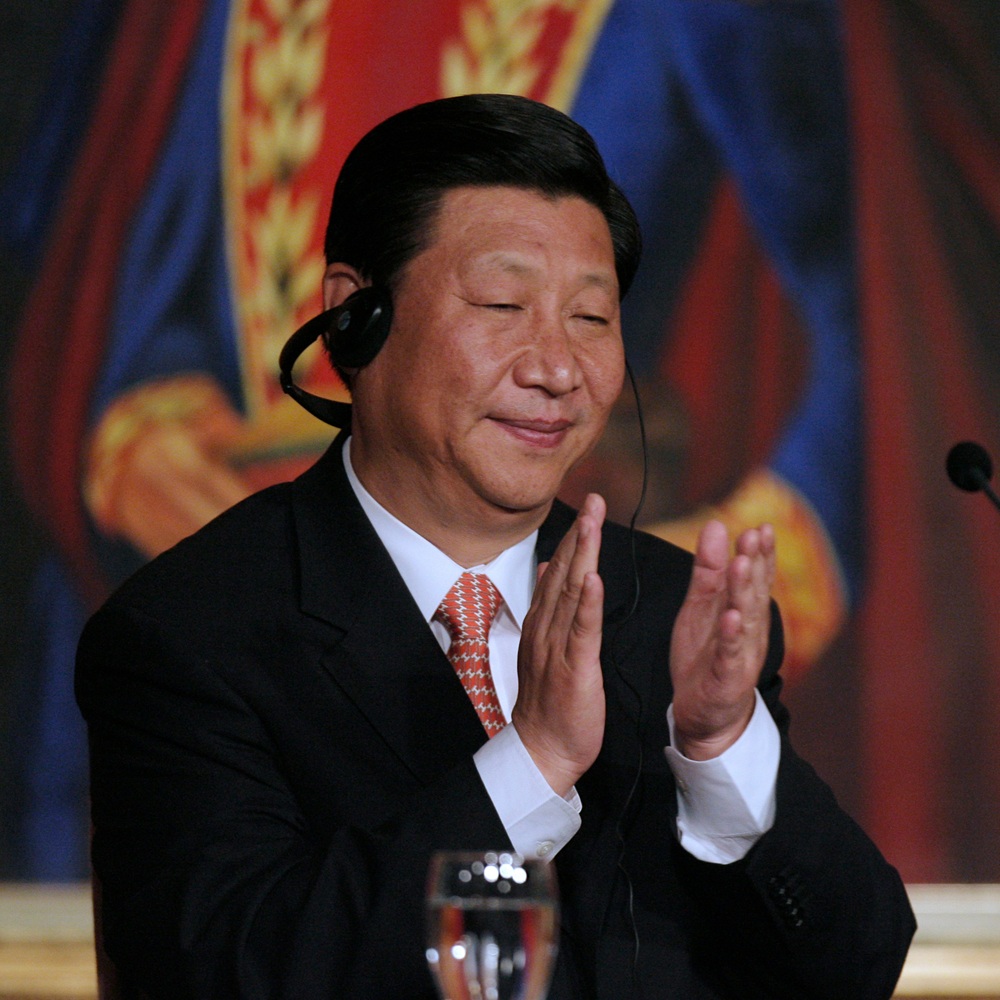
Xi Jinping assumed leadership of the People’s Republic of China in 2013. His first objective was the creation of a “New Silk Road,” referencing the Silk Road of the 2nd century that connected Europe, Africa, and Asia. This new route was designed to connect China with the rest of the world, opening its markets and leaving behind its historically insular past. (Zhongguo, 2019) This initiative also reflects the early stages of Jinping’s domestic policy based on soft power.
The theory of soft power defines a country’s influence through economic strategy. In other words, it involves intervening in international markets to the extent necessary — or even obligatory — for the countries involved in the global landscape. In most cases, this is manifested through the accumulation of ports in different countries, controlled or financed by a single nation, with priority given to these key points as essential for its development. (Peña Galindo, 2018)
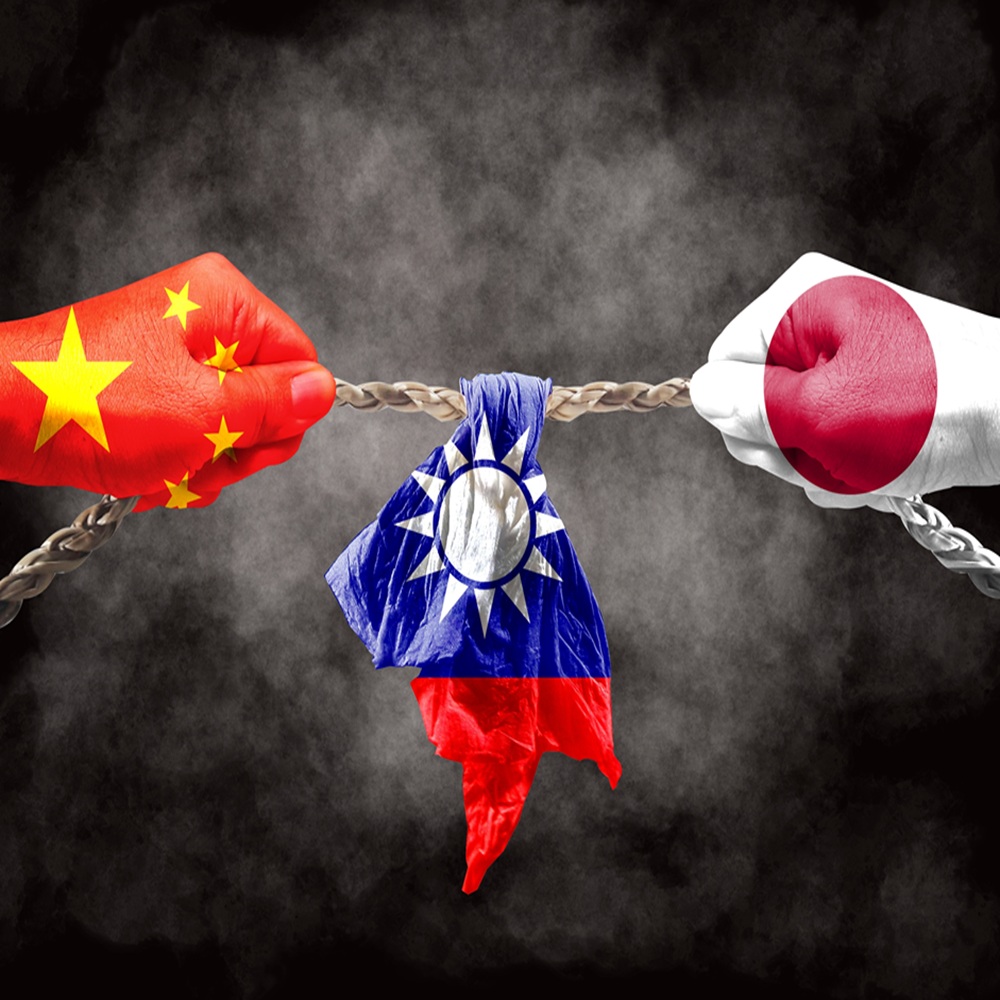
This strategy not only promotes the economic development of a state but also enables the formulation of new political relationships. In China’s case, we see outreach to Japan, India, and Russia. (Rosas, 2008) Naturally, China initially sought to engage with these countries due to geographic proximity, but over time, and with the growth of its industry, it sought relationships with more distant nations. In Latin America and the Caribbean, China has established various agreements on economic, political, and social cooperation. However, as can be inferred, these initiatives have limitations due to China’s cultural gaps; while China seeks to open its cultural world to Latin America — and vice versa — the result is not an intercultural process but rather a multicultural one. (Staiano, 2019)
This approach poses a challenge for the United States. In Latin America, the U.S. has historically held strong influence, but its challenges in various areas have allowed China to enter Latin markets freely. Countries in the region are not indifferent to China’s initiatives. The Chinese market offers cheaper products, more technologically advanced goods, and cultural visibility for the general public. (Zapata & Martínez-Hernández, 2020)
A clear example of China’s soft power in South America is the Chancay mega-port in Peru. This port opens multiple opportunities for the region and the world. Asian products cost less and take fewer days to arrive. It increases tariff revenue in Peru and promotes the development of economic corridors in the region. (Villagra, 2023)
Finally, China’s strategy is historically grounded in the “Century of Humiliation,” a historical period that continues to affect the Chinese Communist Party’s self-perception. Since China’s opening to the international market, measures have been taken to achieve the overarching goal: to “cleanse” its history. Communication strategies such as the “Wolf Warrior Diplomacy,” Peripheral Diplomacy, and its new international relations model based on win-win principles have made Xi Jinping one of the most recognized and lauded leaders when evaluated objectively in historical context. (Mazuelos Chávez, 2022)
China vs. the United States
The power dynamic between the U.S. and China has persisted over time. During his presidency, Obama made decisions that marked a rapprochement with China, but this paradigm shifted under Trump’s administration, which adopted a protectionist and nationalist policy line, culminating in a tariff war in 2018. China, on the other hand, maintained its party ideals, and under Xi Jinping, distanced itself from any hegemonic ambitions, promoting economic engagement with peripheral countries, respect for international organizations, and goodwill in international politics. (Barrera G et al., 2021)
China’s stance is evident in the increase of exports to various countries. In multiple conferences, President Xi Jinping consolidated China’s economic openness, generating investment confidence in other countries by presenting a strong economic ally that does not interfere in domestic politics. Furthermore, economic exchanges benefit both parties. (Xu, 2021)
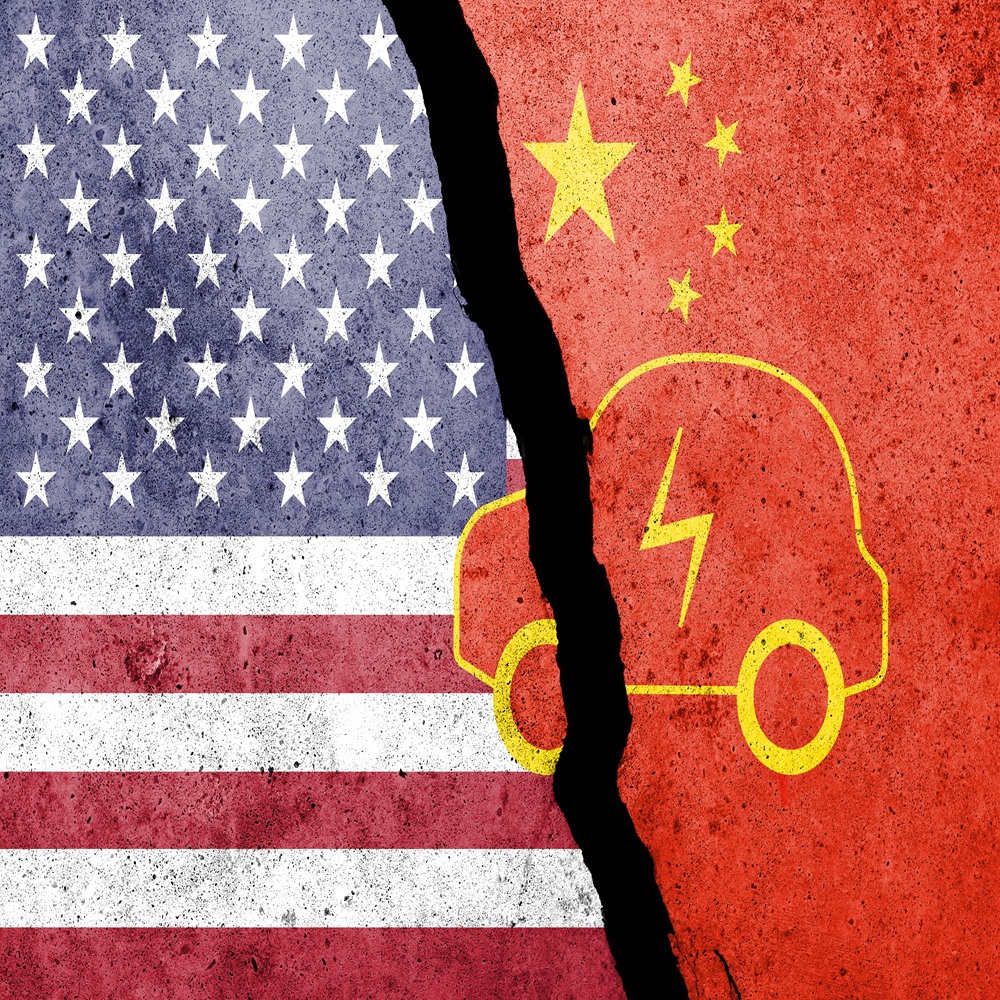
Thus, on one hand, the U.S. seeks to protect its economy by radicalizing protectionist measures, triggering a tariff war, disturbing the international context, and increasing tensions with the Asian continent. Meanwhile, China’s economic model functions effectively as long as it opens itself to other countries, proposing alliances that mutually benefit both sides.
Consequently, in the years leading up to the coronavirus pandemic, a confrontation between China and the U.S. was anticipated. By 2021, all signs pointed to an inevitable economic clash. Beyond tariff measures, questions arose as to whether China might repeat the same mistakes the U.S. made in managing hegemony, which have been analyzed over time and through unfolding events. (Gerig, 2021)
Under these tensions, the U.S. emphasized that its intentions revolved more around physical warfare than economic conflict. Unlike China, the U.S. has allies that are more strategically positioned militarily but weaker economically. This is why a military agenda is promoted: in a hypothetical conflict, U.S. military capacity, combined with access to the Atlantic and Pacific Oceans, its military bases, and its industrial complex, would tilt the balance of war in its favor. Strategically, China has greater capacity to influence peripheral markets, making it difficult for the U.S. to initiate a conflict, as it would lack long-term trading partners, discouraging its production chain. (Gerig, 2021)
Eventually, both countries need each other to maintain economic and technological development. China has independently developed innovative technologies but requires a large market to justify its multi-million-dollar investments, while the U.S. keeps many of its factories in China due to low labor costs. Trump’s first-term policies were later moderated by Biden, who adopted a more conciliatory approach, opening diplomatic channels while still emphasizing the importance of maintaining U.S. hegemony. (Fernández Tabío, 2022)
So, where did this confrontation materialize? By 2023, Latin America became the preferred arena for both countries. Both sides recognized its importance, and peripheral economies were the center of attention. The notable difference between the two was, once again, their engagement strategy. The U.S. took a coercive approach toward Panama, whereas China approached Peru through port investments, creating new maritime routes that benefit the entire southern continent. (Carbajal-Glass, 2023)
By 2024, with Trump’s second administration, the U.S. strongly opposed the rise of Asia, returning to isolationism. China maintained its perspective of mutual cooperation, while the U.S. pursued a militaristic stance, attempting to obstruct China’s cooperative development with Latin America and India. Even so, U.S. efforts were insufficient to prevent Asia’s engagement with other Western countries. Currently, China holds significant influence in Europe, Africa, and Latin America. (Nascimento, 2024)
Discussion
After conducting this comprehensive analysis of the “World Order” and its evolution into the “New World Order,” it becomes clear that the struggle for hegemony occurs between China and the United States. This confrontation is primarily economic, although it has cultural, military, social, and political dimensions. It is not comparable to the Cold War, but the term is used as a representation of a past that seems to echo in the present. (Crivelaro Neto, 2024)
The “New World Order” for the 21st century represents a context of economic, political, military, cultural, and social crisis. The confrontation between these two major powers defines the current trajectory of the world. Countries that lack the capacity to participate in this confrontation (peripheral economies) nevertheless become geostrategic points of contention. This is evident in the case of Latin America.
The diplomatic and cooperative relationships that China has built in recent years have strengthened its ability to confront the United States. (Rosas, 2008) The geopolitical landscape is fraught with uncertainty generated by the development of the conflict itself, making it difficult to establish definitive guidelines or perspectives in the analysis. The U.S., through its foreign policy, seeks to maintain its hegemony. Donald Trump exemplifies this approach. The American perspective is to prevent any other country from determining what should be done. This approach is not only aimed at countering China, which has become its primary adversary, but also applies to other countries, including the European Union, which remains its ally.
China presents itself as the leader of this “New World Order” through its alliances in Asia and Latin America because it possesses the greatest capacity to confront the U.S., withstand policies directed against it, and develop new strategies through economic and technological development, preventing the U.S. from achieving international stability. The global reality (New World Order) is, in any case, a multipolar system.
Finally, the United States faces multiple challenges. Since the COVID-19 pandemic, several events have contributed to its weakening. Moreover, the Biden administration has left a significant debt to the American people, and the crisis of liberal democracies continues to deepen. Trump represents the American mindset, while Xi Jinping is its most important adversary. This confrontation will ultimately be resolved with a single winner in a zero-sum equation.
Conclusions
Addressing the main objective of this research, the “New World Order” projected for the 21st century is the conflict between China and the United States. This impasse, as discussed, represents a deadlock in the international arena. It is necessary to allow more time for events to unfold. In due course, a winner will emerge in this economic contest. Nevertheless, it is undeniable that the United States remains at the forefront, and figures such as Donald Trump clearly exemplify the country’s continued hegemonic perspective.
In the case of China, Xi Jinping’s government has marked a decisive shift in foreign policy, achieving what the reform and opening period did not: transforming China into an international market. Only time will determine whether it can withstand U.S. measures. Furthermore, it is essential to closely observe, despite the party’s secrecy, the geopolitical actions that the Chinese Communist Party undertakes.
Finally, the confrontation between the United States and China, in economic terms, is real and affects the entire world. It impacts the development of new international policies, the emergence of social and health crises, and the formulation of new bilateral agreements between states thousands of kilometers apart. This confrontation represents the “New World Order” — an order without a concrete order — something only time can define, perhaps as a precursor to an international paradigm shift.
References
Barbé, Esther. (1995). Relaciones internacionales. Tecnos.
Barrera G, R. A., Suárez G, L., & Ospina, L. M. (2021). La balanza comercial de América Latina con China y Estados Unidos en el contexto de la guerra comercial entre Trump y Xi Jinping. Cuadernos Latinoamericanos de administración, 17(33). https://www.redalyc.org/journal/4096/409672512004/409672512004.pdf
Bobbio, Norberto., & Matteucci, Nicola. (1981a). Diccionario de política. abcchdefghij (1a ed., Vol. 1). Siglo Veintiuno.
Bobbio, Norberto., & Matteucci, Nicola. (1981b). Diccionario de política. klmnopqrstuvwxyz (1a ed., Vol. 2). Siglo Veintiuno.
Bussaja, J. (2024). Make America Great Again (MAGA): The Covert Call for Colonialism’s Comeback. SSRN Electronic Journal, 1–11. https://doi.org/10.2139/SSRN.4790796
Caldera Ynfante, J. (2020). Biocracia y derecho fundamental al nuevo orden mundial en la postpandemia COVID-19. Utopía y Praxis Latinoamericana, 25(4), 33–48. https://doi.org/10.5281/zenodo.3931044
Carbajal-Glass, F. (2023). Riesgo político, seguridad y geopolítica: América Latina y la competencia estratégica Estados Unidos-China. URVIO Revista Latinoamericana de Estudios de Seguridad, 36, 104–117. https://doi.org/10.17141/URVIO.36.2023.5842
Chomsky, N. (2001). Democracia y mercados en el nuevo orden mundial. Globalización y sindicalismo, 1, 47–83.
Cox, R. (2013). Fuerzas sociales, estados y órdenes mundiales: Más allá de la Teoría de Relaciones Internacionales. Relaciones Internacionales, 24, 129–162. https://repositorio.uam.es/bitstream/handle/10486/677391/RI_24_7.pdf
Crivelaro Neto, D. (2024). CHINA X EUA: RESTABELECIMENTO DA COMPETIÇÃO PELA LIDERANÇA DA ECONOMIA MUNDIAL. Revista Contemporânea, 4(3), e3445. https://doi.org/10.56083/RCV4N3-178
Dabat, A., & Leal, P. (2019). Ascenso y declive de Estados Unidos en la hegemonía mundial. Problemas del desarrollo, 50(199), 87–114. https://doi.org/10.22201/IIEC.20078951E.2019.199.67934
Domínguez López, E. (2021). De Bush 43 a Biden: cambios en el sistema-mundo y ajustes de política exterior en Estados Unidos. Política Internacional, 3(2), 27–42.
Duque-Vargas, N.-H. (2021). Educación para una cultura de paz en el orden mundial posguerra fría. Revista Guillermo de Ockham, 19(2), 277–292. https://doi.org/10.21500/22563202.4086
Fernández Tabío, L. R. (2022). Estados Unidos, geoeconomía y pugna hegemónica con China. Política Internacional, 4(3), 19–31. https://www.redalyc.org/pdf/7620/762081507003.pdf
Gerig, M. (2021). El retorno de la Trampa de Tucídides: la Gran Estrategia de Estados Unidos y China frente a la disputa hegemónica desde la perspectiva de la economía política de sistemas-mundo. Geopolítica(s). Revista de estudios sobre espacio y poder, 12(1), 99–122. https://doi.org/10.5209/geop.68341
Lascano y Vedia, J. R., & Colotta, M. (2020). Formulación de una política exterior: su dimensión política y social. Revista Relaciones Internacionales, 29(59), 103–130.
Lechuga Cardozo, J. I., & Leyva Cordero, O. (2020). Escenarios 2020 del Orden Mundial. Análisis desde la Prospectiva Estratégica. Ánfora, 27(48), 137–161. https://doi.org/10.30854/anf.v27.n48.2020.672
Lorden Zeddies, N. (2023). Defensa y negocios: el complejo industrial militar en los Estados Unidos [Universidad Europea]. https://titula.universidadeuropea.com/handle/20.500.12880/5577
Mazuelos Chávez, J. A. (2022). El sueño chino de rejuvenecimiento nacional y la política exterior bajo Xi Jinping. Agenda Internacional, 29(40), 31–55. https://doi.org/10.18800/agenda.202201.002
Nascimento, L. G. do. (2024). La geoeconomía y geopolítica de las rivalidades China-Estados Unidos en las estrategias del Asia-Pacífico vs Indo-Pacífico. Relaciones Internacionales, 57, 191–207. https://doi.org/10.15366/RELACIONESINTERNACIONALES2024.57.010
Observatorio Nacional de Prospectiva. (s. f.). Recuperado 16 de octubre de 2025, de https://observatorio.ceplan.gob.pe/megatendencia
Peña Galindo, A. (2018). ¿Soft power o Hard power? Reflexiones teóricas sobre la política exterior brasileña. Revista Relaciones Internacionales y Estrategias de seguridad, 13(2), 97–121. https://dialnet.unirioja.es/descarga/articulo/6819790.pdf
Ramírez Montañez, J., & Sarmiento Suárez, J. (2021). Nuevo orden internacional a inicios de la segunda década del siglo XXI. Estudios Internacionales, 52(197), 153–166. https://doi.org/10.5354/0719-3769.2020.55138
Rodrigues, G. (2019). ¿EL TRUMP DEL TRÓPICO? POLÍTICA EXTERIOR DE ULTRADERECHA EN BRASIL. Análisis Carolina, 06, 1–11.
Rosas, M. C. (2008). China y Estados Unidos en el siglo XXI: ¿hacia una nueva bipolaridad? Comercio exterior, 58(3), 198–217.
Sanahuja Perales, J. A. (2022). Interregno. La actualidad de un orden mundial en crisis. Nueva Sociedad, 302, 86–94. https://hdl.handle.net/20.500.14352/72807
Sanz Díaz, C., & Sáenz-Rotko, J. M. (2022). ¿Segunda Guerra Fría? Un análisis desde la Historia y las Relaciones Internacionales. Relaciones Internacionales, 51, 167–184. https://doi.org/10.15366/RELACIONESINTERNACIONALES2022.51.009
Schulz, J. S. (2023). Crisis sistémica del orden mundial, transición hegemónica y nuevos actores en el escenario global. Cuadernos de Nuestra América, 3, 34–50. https://ri.conicet.gov.ar/handle/11336/206913
Staiano, M. F. (2019). La relaciones internacionales entre China y América Latina: encontrando un camino común hacia un nuevo orden mundial. Anuario en Relaciones Internacionales del IRI, 1–10. http://sedici.unlp.edu.ar/handle/10915/95952
Touraine, Alain., & Guilpain Peuliard, Odile. (2016). El fin de las sociedades. Fondo de Cultura Económica.
Villagra, M. E. (2023). Megapuerto de Chancay: Repercusiones en el Comercio Sudamericano e Impacto Geoestratégico. Revista Seguridad y Poder Terrestre, 2(2), 75–86. https://doi.org/10.56221/SPT.V2I2.28
Xu, Y. (2021). Los efectos internos de la apertura exterior de la Economía China [Universidad de Valladolid]. https://uvadoc.uva.es/bitstream/handle/10324/52272/TFG-J-341.pdf?sequence=1&isAllowed=y
Zapata, S., & Martínez-Hernández, A. A. (2020). Latin American Foreign Policy before the hegemony of the United States and China’s emerging power. Colombia Internacional, 104, 63–93. https://doi.org/10.7440/COLOMBIAINT104.2020.03
Zhongguo, J. (2019). La Nueva Ruta de la Seda: Universalismo y pluriversalismo para un nuevo orden mundial. Memoria Académica, 32, 24–46. https://www.memoria.fahce.unlp.edu.ar/art_revistas/pr.13112/pr.13112.pdfInformaciónadicionalenwww.memoria.fahce.unlp.edu.ar