Subscribe to our weekly newsletters for free

Subscribe to an email

If you want to subscribe to World & New World Newsletter, please enter
your e-mail

Defense & Security
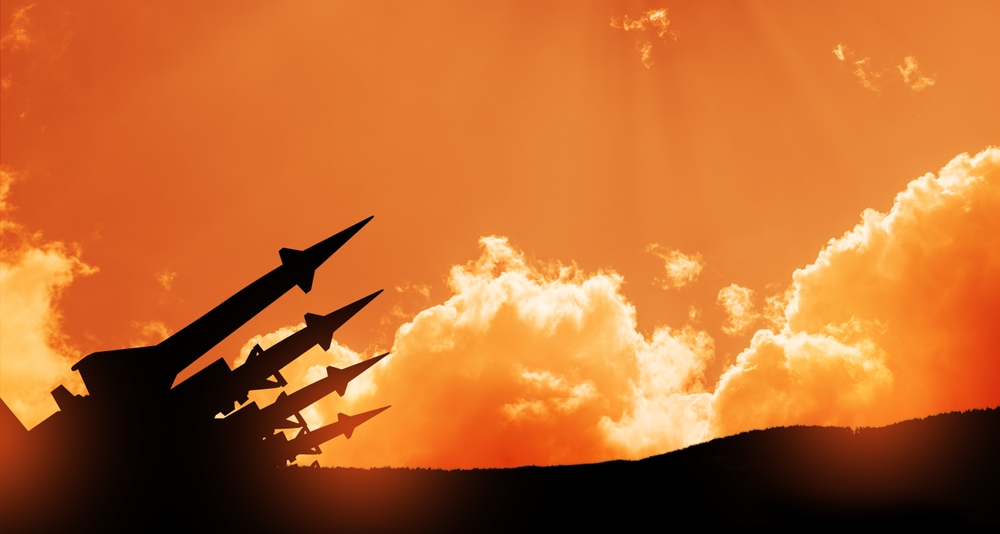
The missiles are aimed at the sky at sunset. Nuclear bomb, chemical weapons, missile defense, a system of salvo fire

The Role Of Umbrella States In The Global Nuclear Order

by Dr Tytti Erästö

I. Introduction  This paper focuses on countries having extended nuclear deterrence arrangements with a nuclear-armed patron from whom they have received a nuclear security guarantee. Extended nuclear deterrence is often called a ‘nuclear umbrella’—a metaphor that hardly captures the risks inherent in nuclear deterrence practices—and the non-nuclear weapon states belonging to an alliance with such arrangements are commonly referred to as ‘umbrella’ states. As of 4 April 2023, upon the accession of Finland to the North Atlantic Treaty Organization (NATO), 31 countries were relying on the extended nuclear deterrence provided by the United States or, at the least, were accepting nuclear weapons as part of the mix of military capabilities intended to create a collective deterrent effect. In the absence of a ‘no first use’ policy, this means that the USA could use nuclear weapons to respond not only to a nuclear attack but also to an act of conventional aggression against its non-nuclear-armed allies. The USA is not the only country providing nuclear security guarantees to its allies: recently, Russia claimed to have included Belarus under its respective nuclear umbrella.   Umbrella states base their security on military capabilities that include the nuclear weapons of other countries, and in some cases, they also host nuclear weapons and take part in military exercises simulating their use. Thus far, the role of the umbrella states in the global nuclear order has received relatively little attention, and they are generally categorised as non-nuclear weapon states. Their agency in maintaining or potentially changing the existing nuclear order tends to be downplayed and overshadowed by that of nuclear-armed states. However, umbrella states received some attention at the Tenth Review Conference of the Parties to the 1968 Treaty on the Non-Proliferation of Nuclear Weapons (Non-Proliferation Treaty, NPT). At the conference, held in 2022, Parties to the Treaty discussed whether to recognize ‘the importance for States parties that are part of military alliances that include nuclear-weapon States to report . . . on steps taken to reduce and eliminate the role of nuclear weapons in national and collective security doctrines’. Owing to resistance by the USA and several of its allies to create a third category of states alongside nuclear weapon states and nonnuclear weapon states, this reference was ultimately removed from the draft outcome document.  The discussions at the 2022 NPT Review Conference reflected the current context, wherein greater military value is being placed on nuclear weapons, including by umbrella states. Provided that Sweden’s application to join NATO—which it submitted in 2022 together with Finland’s application—is accepted, the number of countries under the extended nuclear deterrence arrangements of the USA will increase to 32. At the same time, US allies in the Asia-Pacific region are responding to perceived threats from China and the Democratic People’s Republic of Korea (DPRK, or North Korea) with increasing calls for the redeployment of US non-strategic nuclear weapons to the region. Reflecting its concerns about potential new nuclear weapon deployments in Asia, China was vocal in opposing US nuclear hosting arrangements at the 2022 NPT Review Conference. That an increasing number of non-nuclear weapon states see security value in nuclear weapons does not bode well for the global nuclear dis armament and non-proliferation regime. The development also highlights the need to better understand how the policies of umbrella states affect the global nuclear order. That order is characterized by the continuation of nuclear deterrence practices by the world’s nine nuclear-armed states despite a shared understanding of the devastating planetary-scale humanitarian and environmental risks involved in such practices and the consequent need for nuclear disarmament.  Taking a broad historical perspective, this paper explores the ways in which umbrella states both in the Asia-Pacific region and in Europe have supported prevailing nuclear deterrence practices or, at times, distanced themselves from such practices and broken ranks with their allies on relevant issues. The goal of the paper is to assess the scope of umbrella states’ agency in maintaining, shaping, and potentially challenging the global nuclear status quo in support of nuclear disarmament. II. Endorsing nuclear deterrence through policy and practice  This section examines policies through which umbrella states support and contribute to the prevailing nuclear deterrence practices or have done so in the past. Such policies provide support that ranges from operational, which sees allies directly involved in such practices, to political, which is better understood in terms of moral burden-sharing. While such policies serve to maintain and legitimize the existing nuclear status quo, in some cases the endorsement by umbrella states of nuclear deterrence has moved beyond supporting the status quo to calling for new nuclear sharing arrangements or outright nuclear proliferation.  Operational support for nuclear deterrence practices  Umbrella states can provide operational support to their nuclear-armed patron for nuclear deterrence practices by hosting nuclear weapons and related facilities, participating in military exercises simulating nuclear strikes, conducting joint flights with strategic bombers, and engaging in planning and consultation on nuclear weapons-related issues. Given the broad nature of existing bilateral and multilateral consultation mechanisms, which also cover issues such as arms control, it is sometimes difficult to draw a boundary line between operational and political support.  Nuclear weapon hosting  During the cold war, the USA stationed non-strategic nuclear weapons in the territories of several of its Asia-Pacific and European allies. In Europe, the first such weapons were deployed in 1954 in the United Kingdom and West Germany to complement the deterrence provided by US strategic (long-range) nuclear weapons, which was deemed insufficient against the Soviet Union’s overwhelming conventional power. In 1958, the first nuclear sharing agreements were established, meaning that European allies would not only host US nuclear weapons but also take control of and launch such weapons against their            bintended targets during times of crisis. By the mid1960s, Belgium, France, Greece, Italy, the Netherlands, and Türkiye were hosting various types of non-strategic nuclear weapon under NATO nuclear sharing arrangements. By 1971, there were 7300 forward-deployed nuclear weapons in Europe. In addition to the eight above-mentioned European countries, the USA also stationed nuclear weapons in the Danish territory of Greenland (see section III below). The deployments in Europe coincided with deployments elsewhere in the world. In Asia and the Pacific, the USA stationed nuclear weapons in the late 1950s in the Philippines, South Korea, and Taiwan, as well as in overseas territories of the USA. The largest deployments were in South Korea and the Japanese island of Okinawa, with the number of warheads hosted by the country and island respectively peaking at almost 1000 in the late 1960s. Most of these weapons had been withdrawn by the late 1970s; South Korea remained the only host state in the Asia-Pacific region in the following decade. The USA also deployed non-strategic nuclear weapons in Morocco in the 1950s and Canada in the 1960s. The Soviet Union deployed non-strategic nuclear weapons in all of its 15 republics as well as in some of its Warsaw Pact allies. Starting in the late 1950s and continuing over the following decade, non-strategic nuclear weapons were gradually deployed in Czechoslovakia, East Germany, Hungary, and Poland. All of these weapons had been withdrawn by the early 1990s. During the remainder of that decade, the strategic nuclear weapons that had been hosted in Belarus, Kazakhstan and Ukraine were also withdrawn.  With the end of the cold war, forward-deployed non-strategic nuclear weapons effectively lost their raison d’être, particularly in Europe. Reflecting the new geopolitical context, in the early 1990s the USA unilaterally withdrew most of its non-strategic nuclear weapons from allied countries. In South Korea, the nuclear hosting arrangement ended completely. While NATO nuclear sharing continued, only the air-delivered B61 bombs remained and their numbers were reduced, while all other non-strategic nuclear weapon types were removed from Europe.  In 2001, the B61 weapons were removed from Greece. In the years that followed, the military value of the non-strategic US nuclear weapons that still remained in five NATO countries was frequently called into question. As noted in a 2005 US study, ‘Nuclear burden sharing in NATO, in as far as host country nuclear strike missions are concerned, is on a slow but steady decline toward ending altogether’. The political momentum for ending nuclear sharing was at its highest during the administration of US president Barack Obama, whose vision for a nuclear weapon-free world arguably inspired some allies to more vocally argue for the withdrawal of non-strategic nuclear weapons from Europe. Yet, the same US administration also pushed back against and, as it seems, silenced such critical voices (see section III below).  Today, an estimated 100 non-strategic nuclear weapons remain stationed in five European countries—Belgium, Germany, Italy, the Netherlands, and Türkiye—and the USA is modernizing its B61 bombs. The nuclear weapon hosting states, with the exception of Türkiye, plan to replace their ageing dual-capable aircraft with F-35 aircraft, which will enable use of the precision strike feature of the new B61-12 bombs. As before, allies are responsible for delivering these weapons during a crisis. Since 1976, US gravity bombs in Europe have included electronic locks (permissive action links, PALs) to reduce the risk of unauthorized use. The delegation of authority for nuclear weapon use from the USA to its allies is based on a dual key system: following an agreement by the NATO Nuclear Planning Group (NPG) and authorization by the US president, US military personnel at allied bases would deactivate the PALs, handing over control of the weapons to pilots of the weapon hosting states.  As noted above, China recently raised its opposition to NATO nuclear weapon hosting practices, reflecting its apparent concerns about the prospect of US non-strategic nuclear weapons being redeployed in Asia. Russia, alongside China and other countries, has long argued that NATO’s nuclear sharing policy is not in accordance with Articles I and II of the NPT. Russia’s normative case against NATO nuclear sharing is, however, currently undermined by its own plans to share nuclear weapons with Belarus. Echoing the arguments of the USA in this regard, Russia maintains that the weapons will remain under Russian control, hence the arrangement—announced in March 2023—will be in line with international non-proliferation obligations. According to Russian President Vladimir Putin, the construction of nuclear weapon storage facilities in Belarus is to be completed by July 2023. Russia reportedly provided Belarus with dual capable Iskander missiles and modified Belarusian Su-25 bombers to enable them to carry nuclear weapons prior to the March announcement. Military exercises simulating tactical nuclear strikes  Some umbrella states that do not host nuclear weapons nevertheless actively contribute to nuclear sharing by taking part in military exercises involving dual-capable aircraft. NATO’s Support of Nuclear Operations with Conventional Air Tactics (SNOWCAT) programme comprises a unique form of such participation. In SNOWCAT missions, allies provide conventional aircraft to escort dual-capable aircraft, and they also provide surveillance and refuelling. The aim of the exercises is to practise nuclear strike operations.  In 2022, 14 allies were reported as having participated in the annual SNOWCAT exercise called Steadfast Noon. While NATO does not reveal the participating countries, in previous years they have reportedly included at least Czechia and Poland alongside host states and nuclear-armed states. In addition, Denmark confirmed its participation in the 2022 exercise, and Greece too seems to have taken part.  Joint flights with strategic bombers  US nuclear sharing arrangements are limited to Europe, hence there is no programme comparable to SNOWCAT in other regions. According to a 2011 report, ‘There are no nuclear weapons–related exercises conducted between the United States and the military forces’ in umbrella states in Asia. However, US allies in the Asia-Pacific region frequently fly with US strategic B-2 and B-52  bombers to signal deterrence to regional adversaries. For example, US B-52 bombers were ‘met with and escorted by’ Japanese F-15J combat aircraft in August 2021, and accompanied by South Korean F-35As and F-15Ks in December 2022. Australia has also taken part in joint flights with US strategic aircraft, as have NATO allies in Europe. Even countries that are not part of extended nuclear deterrence arrangements—including Indonesia, Israel, Saudi Arabia and Sweden—have been involved in this practice.  Thus far, the B-52s used in regional operations in Asia and the Pacific have only been deployed rotationally in the US territory of Guam. However, Australia is currently expanding a military air base in its Northern Territory with the intention of hosting US B-52 bombers. Once completed, the base would appear to be only the second one of its kind outside US territory (after Royal Air Force, RAF, Fairford in the UK) and the first one of its kind in an umbrella state.  Consultation and planning  All NATO members other than France are involved in collective decision making on nuclear weapon-related issues through their participation in the NPG. The NPG ‘provides a forum in which NATO member countries can participate in the development of the Alliance’s nuclear policy and in decisions on NATO’s nuclear posture’. Discussions under the NPG cover issues such as ‘the overall effectiveness of NATO’s nuclear deterrent, the safety, security and survivability of nuclear weapons, and communications and information systems’. The mandate of the NPG also covers arms control and non-proliferation.  Various observers have characterized the group’s main function broadly in terms of information-sharing and the establishment of ‘NATO’s common nuclear deterrence culture’. While the NATO line is that participation in the NPG is not limited to members that maintain nuclear weapons, one source points to ‘an unwritten rule that only the stationing countries speak up in NPG meetings’.  The NPG was established in 1966 primarily in response to the concerns of European host states about plans for the use of the non-strategic nuclear weapons on their territory and the desire of these countries to become more involved in relevant decision making. After having been first limited to host states, the NPG was later expanded to include other NATO allies. The participation of the latter countries was viewed by nuclear weapon states as a valuable contribution to political or moral burden-sharing.  With the salience of nuclear weapons decreasing for much of the post-cold-war period, NPG meetings became less frequent. In addition, during this period, unlike during the cold war, the group’s work no longer involved ‘nuclear planning in the strict sense of targeting’. However, the role of nuclear weapons in NATO policy has been increasing following Russia’s invasions of Ukraine in 2014 and 2022, which has also impacted the NPG’s work and increased the group’s visibility. For a long time, nuclear consultations were unique to NATO; no mechanism similar to the NPG existed between the USA and its allies in the Asia-Pacific region. In the words of one observer, ‘US alliance relations in Asia as a whole developed in a considerably more hierarchical fashion, arranged in a hub-and-spoke model in which Washington dealt bilaterally and from a position of strength with each allied government rather than collectively through a single multilateral alliance’. However, over the past decade, the USA has also conducted bilateral consultations with Australia, Japan, and South Korea, based on these allies’ desire to gain more insight into and influence in US nuclear weapons-related policy. Plans have also been made to extend such consultations to a trilateral (Japan, South Korea, and the USA) or a quadrilateral (as for trilateral but including Australia) format.  One forum for bilateral nuclear consultation is the US–Japan Extended Deterrence Dialogue, which was established in 2010. Similarly, to the NPG, the dialogue ‘provides an opportunity . . . to discuss regional security, Alliance defense posture, nuclear and missile defense policy, and arms control issues, and to engage in an in-depth exchange of views on means to enhance as well as deepen mutual understanding on alliance deterrence’. South Korea and the USA, in turn, have conducted nuclear consultations under their Deterrence Strategy Committee and Extended Deterrence Strategy and Consultation Group. These consultations were apparently expanded or replaced with a new—more substantive—mechanism in April 2023, when US President Joe Biden announced in a joint press briefing with his South Korean counterpart, President Yoon Suk-Yeol, that the two countries had ‘agreed to establish a Nuclear Consultative Group to map out a specific plan to operate the new extended deterrence system’. In addition to sharing information on ‘mutual nuclear assets and intelligence’, this new system would also cover ‘ways to plan and execute joint operations that combine Korea’s state-of-the-art conventional forces with the US’s nuclear capabilities’. The announcement followed controversial statements by the South Korean president that suggested the country might be considering the acquisition of nuclear weapons of its own (see below).  Possibly reflective of the greater need for reassurance related to extended nuclear deterrence based mainly on US strategic nuclear weapons, the bilateral consultations of the USA with both Japan and South Korea have included visits and tours to familiarize these allies with US strategic weapons delivery vehicles. Moreover, the new US–South Korean Nuclear Consultative Group that was announced in April includes visits by South Korean officials to US nuclear submarines in South Korean ports.  Assessment of the degree of operational involvement of umbrella states in nuclear deterrence  The hosting of nuclear weapons can be seen to constitute a particularly high level of commitment to nuclear deterrence—especially in the case of NATO nuclear sharing, which involves the handing over of control of nuclear weapons by the USA to an ally and the potential execution of a nuclear strike by that ally during a crisis. The host state takes on an enormous burden in sacrificing its own security, as military bases with nuclear weapon infrastructure and housing dual-capable aircraft for nuclear strike missions are logical targets for adversaries in wartime. Although European host states would ultimately be responsible for dropping B61 bombs on their target locations, other allies’ provision of support for the nuclear strike mission under the SNOWCAT programme must also be seen as a direct operational contribution to nuclear deterrence practices.  Assessment of the degree of operational involvement of umbrella states in nuclear deterrence  Political support for nuclear deterrence  Acceptance of a nuclear security guarantee constitutes political support— albeit passive—for existing nuclear deterrence practices. Typically, this kind of support involves endorsing the strategy documents of an alliance that stress the need for nuclear deterrence or as discussed above, participating in allied nuclear consultations. Some countries choose to go further in their political support by making public statements highlighting the perceived security value of nuclear weapons. Another form of political support by umbrella states of nuclear deterrence practices is signalling opposition to multilateral initiatives that question the legitimacy of nuclear deterrence.  Statements supporting extended nuclear deterrence  Umbrella states tend to keep a low profile regarding the role of nuclear weapons in their national security policies. In most cases, their national security strategies do not even mention nuclear deterrence and nuclear weapons are either discussed in relation to the perceived threats posed by adversaries or viewed exclusively as objects of arms control and disarmament. In multilateral forums, nuclear-allied countries usually do not wish to stand out from non-nuclear weapon states.  In some cases, however, umbrella states do explicitly stress the importance of nuclear weapons and extended nuclear deterrence for their national security. A recent example of public endorsement of nuclear deterrence is the German response to the criticism by China, Russia, and several nonnuclear weapon states of NATO nuclear sharing arrangements at the 2022 NPT Review Conference. Using its right of reply, Germany said that NATO nuclear sharing is ‘fully consistent and compliant with the NPT’, adding that the practice was ‘put in place well before the NPT entered into force’ and that it ‘has long been accepted and publicly understood by all States Parties to the NPT’. At the same conference, a representative of Hungary defended nuclear sharing by saying that it contributes to non-proliferation by ‘remov[ing] incentives for nations to develop their own nuclear deterrence capabilities’. Both of these arguments have long been made by NATO to justify nuclear sharing.  When comparing the defence white papers of umbrella states, Australia and Germany stand out for the reason that both countries explicitly refer to extended nuclear deterrence as a source of national security. Germany, in addition to repeating key tenets of NATO’s deterrence policy—for example that ‘The strategic nuclear capabilities of NATO, and in particular those of the United States, are the ultimate guarantee of the security of its members’— also states in its 2016 white paper on security policy and the future of the Bundeswehr that, ‘Through nuclear sharing, Germany continues to be an integral part of NATO’s nuclear policy and planning’. Australia, in its 2020 Defence Strategic Update, states that ‘Only the nuclear and conventional capabilities of the United States can offer effective deterrence against the possibility of nuclear threats against Australia’. Statements supporting extended nuclear deterrence can be viewed as examples of moral burden-sharing, particularly when they are made in forums such as the NPT Review Conference, where nuclear deterrence practices are subject to regular criticism by non-nuclear weapon states. On other occasions—such as when they are made in connection with national security documents—these statements indicate a strong belief that nuclear weapons are an integral part of allied deterrence.  Opposition to the Treaty on the Prohibition of Nuclear Weapons  Since 2016, an important show of solidarity among the nuclear weapon states and their allies has been to cast votes against the United Nations General Assembly annual resolution endorsing the 2017 Treaty on the Prohibition of Nuclear Weapons (TPNW). The TPNW not only questions the legitim acy of existing nuclear deterrence practices but also seeks to stigmatize nuclear weapons globally through its comprehensive ban on nuclear weapons, including on the threat of their use. Not surprisingly, nuclear-armed states have fervently opposed the Treaty, as the credibility of their nuclear deterrents depends on their readiness to threaten nuclear weapon use.  The USA has warned its allies against supporting the TPNW or participating in related meetings. For example, in 2016 it strongly encouraged NATO member countries to vote against UN General Assembly Resolution 71/258, which called for negotiations on a treaty banning nuclear weapons, arguing that such efforts were ‘fundamentally at odds with NATO’s basic policies on deterrence’. In that year, all umbrella states cast a negative vote on the resolution, with the exception of the Netherlands, which abstained from voting (see the section ‘Engagement by umbrella states with the Treaty on the Prohibition of Nuclear Weapons’ below). Similarly, all umbrella states, with the exception of the Netherlands, were absent from the TPNW negotiations in 2017; Albania, Poland and South Korea joined the USA in protesting against these negotiations. With only a few exceptions, umbrella states have also uniformly voted against the annual UN General Assembly resolution expressing support for the Treaty. Arguably in line with their decision to apply for NATO membership, in 2022 Finland and Sweden also voted against the resolution for the first time. Calls to expand nuclear deterrence practices  Some countries without existing nuclear sharing arrangements have expressed an interest in hosting nuclear weapons. In 2020, before the recent reports of nuclear sharing between Belarus and Russia (see the section ‘Nuclear weapon hosting’ above), the president of Belarus, Alexander Lukashenko, had offered to host Russian nuclear weapons as a response to the potential deployment of US nuclear weapons to Poland. Belarus’ interest in positioning itself under the Russian nuclear umbrella was in fact first articulated more than 20 years ago.  Poland has on several occasions expressed an interest in hosting US nuclear weapons. For example, in October 2022, following reports of Russian nuclear sharing with Belarus, the president of Poland, Andrzej Duda said that ‘a potential opportunity’ for Poland to participate in nuclear sharing had been discussed with the USA. While the US leadership has not confirmed that such discussions took place, in May 2020 the US ambassador to Poland suggested that ‘perhaps Poland . . . could house the capabilities’ in case Germany were to ‘reduce its nuclear potential and weaken NATO’ by ending its nuclear sharing arrangements with the USA. Stationing US nuclear weapons in former Warsaw Pact countries such as Poland would go against the 1997 Founding Act on Mutual Relations, Cooperation and Security between NATO and the Russian Federation, in which NATO member countries reiterated that they have ‘no intention, no plan and no reason to deploy nuclear weapons on the territory of new members’.  Regarding the Asia-Pacific region, the president of South Korea, Yoon Suk-Yeol, said in an unprecedented statement made in January 2023 that if the nuclear threat from North Korea grows, his country might ‘introduce tactical nuclear weapons or build them on our own’, adding that ‘we can have our own nuclear weapons pretty quickly, given our scientific and technological capabilities’. While there has been a long-standing debate in South Korea on both the reintroduction of US non-strategic weapons and the development of an indigenous nuclear weapon programme, and popular support for both proposals, this was the first time such a statement was made by a high-level government official. Similarly, discussions on the possibility of hosting US nuclear weapons in a manner based on the NATO model have taken place in Japan. Thus far the Japanese government has rejected the idea.  The above-mentioned calls to establish new nuclear weapon hosting arrangements suggest that the umbrella states in question view the existing extended nuclear deterrence practices as insufficient. While these states may view forward-deployed nuclear weapons themselves as key to strengthening deterrence, they might also view them as instruments of alliance cohesion— meaning that, in principle, nuclear weapons could be replaced with any other military system requiring the permanent deployment of US troops on allied territory. Statements supporting indigenous nuclear weapon development go further, indicating the desire of an umbrella state to assume sovereign authority over national nuclear deterrence practices through proliferation. While such statements may be used to appeal to domestic constituencies or to pressure the nuclear-armed patron to strengthen its extended deterrence commitments, they undermine the global non-proliferation norm, particularly if not met with strong international condemnation.  III. Stepping back from nuclear deterrence policies  This section recounts and analyses the ways in which some umbrella states, or government officials in such states, have at times sought to challenge or distance themselves from existing nuclear deterrence practices and broken ranks with allies on relevant issues, often in a manner considered controversial within the alliance. In many such cases, govern mental policymaking has mirrored anti-nuclear sentiments in the population.  Bans on or limits to the stationing of nuclear weapons on national territory  The political reservations of Nordic NATO members about the stationing of nuclear weapons on or their transit through their national territories date back to the late 1950s—a time of strong popular sentiment against nuclear weapons inspired by, for example, the Russell–Einstein Manifesto of 1955 and international efforts at the UN to control and eliminate nuclear weapons. In Spain, similar reservations took shape in the early 1980s, when the antinuclear movement was strong.  Political declarations on potential future deployment or transit  Denmark, Iceland, Norway, and Spain have long had policies that prohibit nuclear weapons being stationed on their national territories. While the policies of Denmark, Norway and Spain leave open the option of allowing the stationing of nuclear weapons during times of war, Iceland’s prohibition seems to apply in all situations.  Danish reservations about nuclear deterrence have been influenced by domestic opposition to nuclear weapons and were captured in a policy that was adopted in May 1957. According to the policy, Denmark would not allow ‘the deployment and transit of nuclear weapons on its territory’, in particular Greenland, where, as a result of a 1951 bilateral defence agreement, the USA was allowed to operate military bases. However, this declaratory policy was contradicted by a secret agreement, according to which the USA was not obliged to inform Denmark of its deployment of nuclear weapons on US bases in Greenland. In practice, Denmark thus allowed both the stationing of US nuclear weapons at Thule Air Base in 1958–1965 and overflights of nuclear armed bombers in Greenland in the 1960s. Although the veil of secrecy was briefly lifted in 1968 when a US B-52 bomber crashed in Greenland, it was not until the 1990s that the full scale of the clandestine activities came to light, causing a political scandal in Denmark.  In Norway, a 1957 motion by the governing Labour Party held that ‘nuclear weapons must not be placed on Norwegian territory’, a decision that the country’s prime minister reiterated at a NATO meeting in December 1957. In 1960 it was specified that this policy applied in peacetime only. At the time, Norwegian government officials also repeatedly said that Norway would not allow visits by naval vessels that had nuclear weapons on board. In a more recent reiteration of the policy, a 2017 white paper on Norwegian foreign and security policy states that ‘nuclear weapons are not to be stationed on Norwegian territory in peacetime’ and, furthermore, that ‘foreign military vessels that call at Norwegian ports must not have nuclear weapons on board’. Norway did not enforce this policy during the cold war by preventing US surface ships—which no longer carry nuclear weapons but at the time would neither confirm nor deny they were carrying them—from entering their ports. Denmark did not enforce its ban on the transit of nuclear weapons on its territory either.  Iceland’s policy of not allowing nuclear weapons on its soil is less well known than that of the two other Nordic NATO members. It has, however, been consistently expressed by successive Icelandic foreign ministers since 1964 and codified in parliamentary resolutions since at least 1985. A 2016 resolution reconfirmed that part of the country’s national security policy is ‘To ensure that Iceland and its territorial waters are declared free from nuclear weapons . . .’.  Spain hosted US strategic bombers and nuclear-armed submarines during the dictatorship of Francisco Franco (1939–75). When Spain joined NATO in 1982, it did so on the condition—set by the Spanish parliament—that nuclear weapons would not be brought to the country. The 1986 referendum that confirmed the country’s NATO membership mentioned the prohibition of ‘the deployment, storing or the introduction of nuclear weapons in Spanish soil’ as a precondition to this decision. However, the transit of nuclear armed vessels through Spanish waters—which would have in any case been difficult to monitor—was not prohibited.  The political reservations of the four NATO member countries discussed above stand out as the most visible expressions of scepticism about the security benefits of extended nuclear deterrence within the alliance. The practical impact of such declaratory statements has been called into question by the case of Denmark, where the declaratory policy was contradicted by a clandestine agreement. That all of these countries—with the apparent exception of Iceland—have not ruled out the possibility of hosting nuclear weapons during times of war can also be seen to reduce the normative significance of their reservations about such hosting.  Legislation prohibiting nuclear weapons on national territory  Lithuania’s constitution unambiguously states that ‘There may not be any weapons of mass destruction’ on its territory. Although it is legally binding, applicable in wartime and would seem to represent the strongest stance possible against nuclear sharing, this prohibition is disconnected from Lithuania’s political statements, which are silent on this part of the constitution and have even, at times, highlighted the value of nuclear weapons to NATO’s deterrence policy. One explanation for this might be that Lithuania’s constitution—which was drafted in 1992 and thus preceded the country’s NATO accession in 2004—signalled sovereign independence from the Soviet Union rather than marked distance from NATO nuclear policies.  New Zealand is a former nuclear umbrella state that passed legislation against the introduction of nuclear weapons on its national territory in 1984. The country had been part of a trilateral defence alliance under the 1951 ANZUS Treaty. More specifically, New Zealand declared itself a nuclear weapon-free zone and introduced relevant legislation, including a prohibition on nuclear-capable vessels from entering the country’s ports. Given the US policy at the time of neither confirming nor denying its ships were armed with nuclear weapons, US Navy vessels could not dock in the harbours of New Zealand. In February 1985, New Zealand demonstrated its readiness to enforce its policy by turning down the request of a US missile destroyer to dock. The USA reacted by cancelling its security guarantee to New Zealand in August 1986. Although New Zealand signalled its willingness to remain part of the ANZUS Treaty, the position of the USA was that it was not feasible for an ally to enjoy the benefits of a conventional defence partnership while renouncing its nuclear dimension. As suggested by one observer, the USA’s severe response to New Zealand’s anti-nuclear policy reflected concerns by the USA that, if it would accept the policy, this ‘could generate eventual ripples of pressures for unilateral disarmament throughout other western societies’.  In sum, national legislation prohibiting the stationing and transit of nuclear weapons in or through a given umbrella state’s territory can be seen to constitute a strong prohibition against nuclear weapon hosting. Yet, the political significance of such a prohibition is diminished if not backed up by corresponding declaratory policy, as exemplified by the case of Lithuania. In contrast, the combination of legal and political prohibition and its practical enforcement by New Zealand was deemed excessive by the USA, which ultimately punished its ally by terminating the conventional security guarantee. A similar crisis over the transit of nuclear weapons is unlikely to occur today given that the USA stopped deploying nuclear weapons on surface ships in the early 1990s. Instead, potential controversies over allies’ anti-nuclear weapon policies are now more likely to arise in connection with their approach to the TPNW (see the section ‘Engagement of umbrella states with the Treaty on the Prohibition of nuclear weapons’ below).  Political decisions to end nuclear weapons hosting  By the end of the cold war, several nuclear weapon hosting arrangements had been terminated. Arguably, these arrangements were ended largely on the basis of unilateral decisions taken by Russia and the USA; however, in at least two cases—Canada and Greece—the initiative clearly came from host states.  Following a heated domestic debate and a change of government, Canada decided in 1963 to host US nuclear warheads that were to be fitted with the Bomarc anti-aircraft missiles that Canada had previously bought from the USA. However, only six years later, in 1969, a new Canadian government reversed the hosting policy. It did so in line with its ratification in that same year of the newly negotiated NPT (Canada was one of the first countries to ratify the Treaty). As a result, by 1972 all US nuclear warheads reserved for the anti-aircraft missiles had been withdrawn from Canada. However, the country retained nuclear-armed air-to-air Genie rockets deliverable by Voodoo aircraft until 1984.  Greece, which had hosted US non-strategic nuclear weapons since the early days of the cold war, decided at the turn of this century not to replace its ageing A-7E dual-capable aircraft with a new model that could have continued the country’s nuclear sharing arrangements with the USA. As a result of this decision, US nuclear weapons were quietly removed from the country in 2001, putting an end to the arrangements. The apparent lack of public discussion on the decision—or any discussion that reached an international audience—contrasts with the vocal but ineffectual calls made by Germany a decade later for the withdrawal of such weapons.  Calls to end nuclear sharing  The military value of the US non-strategic nuclear weapons in Europe was frequently called into question in the post-cold-war period, with arguments against them growing louder in the late 2000s. At this time, two successive German foreign ministers—Frank-Walter Steinmeier and Guido Westerwelle—openly called for an end to nuclear sharing in Germany. As Steinmeier said in 2009, ‘These weapons are militarily obsolete today’, which is why he would seek to ensure that the remaining US warheads ‘are removed from Germany’. The following year, Westerwelle said that the nuclear weapons in Germany were ‘a relic of the Cold War’ that ‘no longer serve a military purpose’ and that the German government was ‘working to create the conditions for their removal’ in cooperation with allies and partners.  In February 2010, Germany—together with Belgium, Luxembourg, the Netherlands, and Norway—wrote a letter to the NATO secretary-general calling for the inclusion of non-strategic nuclear weapons in arms control agreements. The Benelux countries and Norway also highlighted this issue in their national statements but more cautiously than Germany, often linking it to reciprocal steps being taken by Russia.  These high-level efforts to change NATO nuclear sharing practices ultimately proved unsuccessful. Ironically, the same US administration that arguably inspired the German position against the hosting of non-strategic nuclear weapons also strongly pushed back against this position. The former US Secretary of State Hillary Clinton responded to the above-mentioned letter by saying that ‘as long as nuclear weapons exist, NATO will remain a nuclear alliance’, stressing the importance of ‘sharing nuclear risks and responsibilities’. At the same time, she stressed the need for Russia to make reciprocal reductions as a condition for the withdrawal of tactical nuclear weapons from Europe. The definition of NATO as a nuclear alliance was included in its 2010 Strategic Concept, which ultimately made it harder for Germany to push for an end to nuclear sharing. Although the debate on the merits of nuclear sharing continued in the country after that, Germany’s continued participation in the practice appeared to be confirmed with the March 2022 decision to replace its ageing dual-capable Tornado aircraft with F-35s.  ‘Footnote politics’ in the 1980s By the early 1980s social democratic parties in Europe, particularly in the Nordic countries, had become critical of mainstream NATO nuclear policy, a sentiment that grew stronger during the early years of the US administration of President Ronald Reagan. Because of the leverage of a coalition of centre-left opposition parties over the liberal-conservative government’s foreign policy at the time, Denmark stood out from other NATO members by frequently dissociating itself from allied policy on nuclear issues. The Danish government—in addition to making public expressions of dissent— sometimes inserted footnotes in NATO communiqués, so its policy came to be known as ‘footnote policy’.  Initially, the most contentious issue for Denmark was NATO’s ‘dual-track’ decision, adopted in December 1979. This decision included a plan for the USA to deploy intermediate-range nuclear forces (INF) in Western Europe in 1983 unless the Soviet Union agreed to discuss its respective SS-20 missiles in arms control negotiations. The Danish foreign minister had proposed postponing the decision, but it went ahead. In a 1982 NPG meeting communiqué, Denmark added a footnote expressing support for the Soviet proposal for a compromise solution to the INF crisis. Denmark’s position deviated from that of the other NATO members—they supported the Reagan administration’s ‘zero solution’, which called for the elimination of all land-based INF missiles in Europe. Danish opposition to the INF deployments included a parliamentary decision to suspend their funding. When the INF missiles were finally deployed, Denmark dissociated itself from the NATO policy by placing a footnote on a NATO communiqué describing it.  Other issues of contention included the US request that NATO allies endorse its Strategic Defense Initiative, which both Denmark and Norway opposed through footnote politics, and the proposal for a Nordic nuclear weapon-free zone. Although the Danish government had for most of the 1980s been driven by the opposition parties to agree to implement the footnote policy, a 1988 parliamentary resolution that would have led to a stricter policy on port visits by nuclear-armed ships—similar to the legislation put in place by New Zealand—prompted the government’s call for a new general election, which ultimately put the social democrats at a disadvantage.  Engagement of umbrella states with the Humanitarian Initiative  One umbrella state, Norway, played a key role in an initiative highlighting the humanitarian impact of nuclear weapons. The Humanitarian Initiative built on the 2010 NPT Review Conference final document, in which deep concern was expressed over the ‘catastrophic humanitarian consequences that would result from the use of nuclear weapons’, as well as on three conferences exploring the humanitarian impact of nuclear weapons held in 2013–2014. By drawing attention to the humanitarian and environmental consequences of nuclear weapon use, the historical record of near misses, and personal accounts of the victims of past nuclear weapon use and testing, the Humanitarian Initiative questioned the legitimacy of existing nuclear deterrence practices, thereby paving the way for the TPNW negotiations. Norway was among the states that initially advocated for the inclusion of humanitarian language in the 2010 NPT Review Conference final document. In this it was inspired by the success of the humanitarian approach in bringing about the 2008 Convention on Cluster Munitions. Indicative of the Norwegian government’s goals at the time, in February 2010 the country’s foreign minister said that ‘experience from humanitarian disarmament should guide us on how to pursue and negotiate disarmament issues in general’, and that, although ‘Some maintain that consensus is vital when it comes to nuclear disarmament . . . I believe it would be possible to develop norms against the use of nuclear weapons, and even to outlaw them, without a consensus decision, and that such norms will eventually be applied globally’.  Norway hosted the first of the three above-mentioned conferences in March 2013. The conference was criticized by the five nuclear-armed Parties to the NPT (China, France, Russia, the UK and the USA) as ‘divert[ing] discussion away from practical steps to create conditions for further nuclear weapons reductions’. However, some of the nuclear-armed states participated in the third conference, held in Vienna in December 2014. Preparing the ground for the TPNW, Austria launched what eventually came to be known as the humanitarian pledge for the prohibition and elimination of nuclear weapons, which called for ‘effective measures to fill the legal gap for the prohibition and elimination of nuclear weapons’, at the conference.  Although Norway did not ultimately endorse the pledge, it had been one of the few nuclear umbrella states supporting the joint humanitarian statement, which preceded the pledge and stated that ‘It is in the interest of the very survival of humanity that nuclear weapons are never used again, under any circumstances’. Most NATO allies would not endorse this wording as it contradicts the basic principles of nuclear deterrence. In addition to Norway, Denmark consistently endorsed the joint humanitarian statement in 2012–2015, and Iceland and Japan joined them in doing so at the ninth NPT Review Conference, held in 2015.  According to one observer, the goal of a new treaty outlawing nuclear weapons had been ‘a key aim for the Norwegian centre-left coalition government from 2010 onwards’. However, following the 2013 elections that brought a right-wing coalition to power in the country, the Norwegian government began to dissociate itself from the humanitarian initiative. For example, at the 2022 NPT Review Conference Norway no longer supported the joint humanitarian statement, leaving Greece and Japan as the only umbrella states to endorse it.  Norway’s role in the humanitarian initiative demonstrates that umbrella states can play an instrumental role in shaping nuclear disarmament norms even in the face of opposition by their patron. However, it also shows how domestic political differences—arguably in combination with external alliance pressures—limits the sustainability of such revisionist policies over time. Engagement of umbrella states with the Treaty on the Prohibition of nuclear weapons  The TPNW challenges both the legitimacy and the legality of existing nuclear deterrence practices, which is why nuclear-armed states have fervently opposed the Treaty. The USA has also sought to ensure its allies do not join or in any way signal support for the treaty. However, some allies have found it difficult to fall into line with this policy owing to significant domestic support for the TPNW.  Meetings under the Treaty  Although none of the nuclear umbrella states supported the December 2016 UN General Assembly Resolution 71/258 that formed the basis for the TPNW negotiations, the Netherlands stood out from the others in that it abstained from voting rather than casting a vote against the resolution. The Netherlands was also the only umbrella state that took part in the two rounds of TPNW negotiations in 2017, although it did not support the adoption of the Treaty at the end of those negotiations. This deviation from US allied policy by the Netherlands has been explained in terms of domestic pressure from the Dutch parliament.  The Netherlands attended the First Meeting of States Parties to the TPNW, held in June 2022, as an observer, following a vote of the Dutch parliament mandating it to do so. Four other umbrella states (Australia, Belgium, Germany, and Norway) also attended the meeting as observers. Although observing TPNW meetings is not equivalent to supporting the Treaty, the presence of five umbrella states at the First Meeting of States Parties to the TPNW was particularly noteworthy given the 2020 North Atlantic Council statement upon the entry into force of the TPNW. This statement expressed NATO member countries’ collective opposition to the TPNW, which NATO saw as ‘not reflect[ing] the increasingly challenging international security environment’ and being ‘at odds with the existing non-proliferation and disarmament architecture’.  Official statements in support of the Treaty  In 2018 the Spanish government’s socialist minority agreed to sign the TPNW as part of a package of commitments adopted by the country’s prime minister and the leader of the far-left coalition party in exchange for the latter’s support for the following year’s budget. However, the government never acted on this commitment.  Also in 2018, the Australian Labor Party, in opposition at the time, committed itself to a policy of seeking signature and ratification of the TPNW if it were to be elected to government. The policy was initiated by Anthony Albanese, who became prime minister in May 2022. Although his subsequent rhetoric has been more cautious, in October 2022 Australia decided for the first time to abstain from voting rather than to vote against the annual UN General Assembly resolution in support of the TPNW. This shift prompted the USA to issue a warning to its ally, with the US embassy in Canberra saying that the Treaty ‘would not allow for US extended deterrence relationships, which are still necessary for international peace and security’. However, the US assessment of the compatibility between allied commitments and TPNW support appears to be contingent on political circumstances, as evidenced by the conventional alliance between the Philippines and the USA, which seems to be unaffected by the Philippines being a Party to the TPNW. In addition, some observers have suggested that the likelihood of the USA taking punitive measures against umbrella states that join the TPNW would depend on whether they were to join the treaty individually or as part of a group of several allies.  IV. Conclusions  While countries under extended nuclear deterrence arrangements retain their sovereign freedom of action, being part of a military alliance with a nuclear dimension contributes to a tendency for a country to side with its nuclear-armed patron on matters related to nuclear weapon and disarmament norms. This tendency may reflect genuine belief in the security benefits of nuclear deterrence or merely political pressure to fall in line with the views of allies, or both. Support for existing nuclear deterrence practices mostly takes a low-key, passive form but in some cases umbrella states have proactively supported such practices either politically or operationally. While such support tends to come with a reputational cost in multilateral forums and domestic politics, it also increases the status of the umbrella state within the alliance as a valued ally doing its part of the moral burden-sharing.  At times, however, umbrella states have used their freedom of action to take bold strides—or more modest steps—away from the allied mainstream position by advocating for anti-nuclear weapon policies, often reflecting popular sentiments that question the morality of nuclear weapons. Some of these policies—such as certain NATO members’ reservations regarding nuclear sharing—demonstrate that it is possible for a country to distance itself from nuclear deterrence practices while still remaining part of a military alliance. While the exceptional case of New Zealand, whose antinuclear weapon policies led to its banishment from the ANZUS alliance in the 1980s, was tied to past US nuclear weapon deployment practices that no longer exist, it set a precedent that may still add caution to the approach of umbrella states to potentially divisive issues such as the TPNW. Any punishment by the nuclear-armed patron could nevertheless be expected to be more lenient if several allies were to pursue an anti-nuclear weapon policy simultaneously—a development that might ultimately influence alliance policy by reducing the role of nuclear weapons. Absent such a prospect, allies face the challenge of balancing normative pressures to support nuclear disarmament with alliance commitments that require at least passive support for nuclear deterrence practices.
Defense & Security
Main img

China targeted by the Turkestan Islamic Party

by Johann C. Fuhrmann

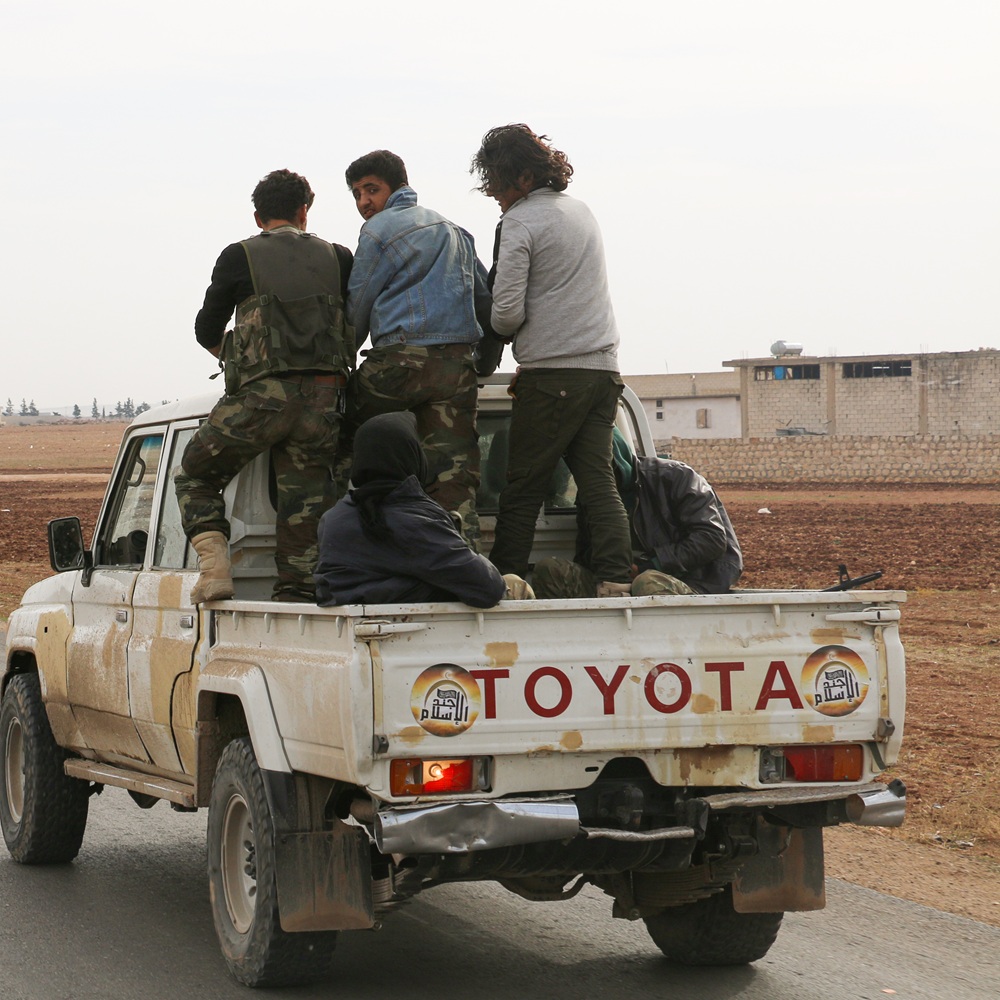
한국어로 읽기 Leer en español In Deutsch lesen Gap اقرأ بالعربية Lire en français Читать на русском What is behind the threats of Uyghur Islamists from Damascus? It has long been known that the foreign militant Islamists fighting in Syria include Uyghurs from northwest China. After the fall of the Assad regime, the Turkestan Islamic Party (TIP) issued a clear threat to China in December 2024. In a propaganda video, a masked spokesperson for the group declared: "Here in Syria, we are fighting for Allah in all cities, and we will do the same in Urumqi, Aqsu and Kashi." These cities are located in the Chinese region of Xinjiang, which the Islamist fighters refer to as "East Turkestan". This message marks an escalation in the propaganda of the TIP, which has been active in Syria for over a decade. It not only highlights its involvement in the fighting in the Syrian civil war but also emphasizes its goal of taking the conflict to China. But how serious is this threat really, and what challenges does it pose for Beijing? The controversial role of the TIP China observer Wolfgang Hirn is one of the few German-language authors to have dealt intensively with the latest developments in the Turkistan Islamic Party (TIP). "The party was founded in the 1990s. Its aim was to establish an Islamic state in Xinjiang and Central Asia. It had its bases in Afghanistan and Pakistan and was mainly recruited from Uyghurs who wanted to leave Xinjiang or had to leave due to Chinese persecution," explains Hirn.1 The Uyghur jihadists of the TIP pursue the goal of forcibly achieving the secession of the Uyghur Autonomous Region of Xinjiang from the People's Republic of China and establishing an Islamic Republic of East Turkestan. While the TIP was primarily active in Afghanistan and Pakistan in the early years, it later increasingly expanded its activities to Syria. There it allied itself with other Islamist alliances of various militias, such as Hayat Tahrir al-Sham (HTS). Many of the Uyghur fighters and their families sought refuge in the Syrian rebel stronghold of Idlib. "The Chinese government does not use the name TIP, but ETIM (East Turkestan Islamic Movement). It serves as a kind of collective term for all militant Uyghurs. The reason for this is probably that ETIM was listed as a terrorist organization by the USA between 2002 and 2020, which lent legitimacy to the official Chinese interpretation. The United Nations also has ETIM on a corresponding list," reports Björn Alpermann from the University of Würzburg on the LinkedIn platform.2 Background: ETIM was added to the US terror list as part of then US President George W. Bush's efforts to gain China as an ally in the US-led "War on Terror". Designated as a "terrorist organization" on this exclusion list, ETIM members and supporters were banned from entering the US.3 However, ETIM was removed from the US terror list again "because there has been no credible evidence for more than a decade that ETIM continues to exist", the US State Department announced in July 2020.4 Under pressure from the US and China, ETIM was also added to the UN Security Council's sanctions list in 2002, on which it is still listed. "China regularly blames the ETIM, also known as the Turkestan Islamic Party, for attacks and uses the group to justify its crackdown in the predominantly Muslim region of Xinjiang," Deutsche Welle reported in 2020.5 "Human rights groups estimate that hundreds of thousands of Uyghurs, Kazakhs, Hui or members of other minorities in Xinjiang have been sent to re-education camps. China rejects the accusations and speaks of training centers," according to SPIEGEL.6 Beijing claims that the TIP was responsible for terrorist attacks in China between 2008 and 2015, including knife attacks in public places, car bombs and suicide attacks.7 But how strong is the TIP today and what role does it play? "The TIP has always maintained good relations with the HTS and has often acted as a mediator in disputes between the HTS and other rebel groups. It was once described on Syrian television as HTS's favorite ally. The TIP troops took part in many battles alongside the HTS, for example in the liberation of Latakia, Hama and Aleppo. They are considered to be well organized and experienced. The size of the force varies," reports Wolfgang Hirn.8 In 2017, the Syrian ambassador to China at the time, Imad Moustapha, stated that there were up to 5,000 Uyghur fighters in Syria.9 However, experts estimate the number to be lower and assume that there are between 1,500 and 4,500 fighters.10 Media: Irritated reactions from China At the end of last year, the TIP intensified its propaganda activities and published numerous images of its leaders posing with their uniformed troops and showing them fighting in Syria. On December 13, 2024, The Telegraph then published a video on YouTube that deals with the history of the TIP and shows various excerpts from its propaganda videos, accompanied by epochal music. To date, the four-minute video has had more than 2.6 million views.11 The South China Morning Post reacted with unusual irritation to this reporting. In an opinion piece, columnist Alex Lo described The Telegraph's video as a "documentary-like clip" that was "practically an advertisement for the TIP", while repeating all the Western anti-China narratives "as if to justify the group's promised terrorism against Chinese. "12 Thus, "the Western-constructed genocide in Xinjiang (...) also serves as a practical justification for the militant group". The extensive dissemination of the video only led to "the Chinese having to raise the alleged TIP threat at the United Nations. "13 However, this is a grotesque claim: in New York on 17 December 2024, Geng Shuang, China's Deputy Permanent Representative to the United Nations, had only made a rather coarse statement. In New York on December 17, 2024, Geng Shuang, China's Deputy Permanent Representative to the United Nations, merely made a rather sober statement, emphasizing that "Syrian territory must not be used to support terrorism or threaten the security of other countries. "14 The fight against the TIP was repeatedly described by Beijing's Foreign Ministry as "China's core concern in the fight against terrorism".15 Ultimately, Alex Lo's text should probably be understood as an - apparently rather emotional - appeal to "the West" not to portray or regard the TIP fighters as freedom fighters. Outlook: Strategic risks for Beijing "After the victory over Assad in Syria, the question arises as to whether the TIP fighters will remain in the region and organize their fight against China from there," says Wolfgang Hirn.16 So far, however, the TIP, which has been active in Syria for some time, has not been able to organize attacks in China from Syria. In addition to the geographical distance, the strict security precautions in China also play a role, making travel for such fighters very risky. Terrorism experts nevertheless see dangers, particularly from "online activities that lead to radicalization in China but could be organized from Syria. "17 "I sympathize with them, but their fight against China is not ours," Syria's new strongman Ahmed al-Sharaa, leader of the Islamist HTS, recently said about his stance on the TIP.18 Nevertheless, the Uyghur fighters are apparently becoming increasingly powerful within Syria: Meanwhile, recent media reports that members of the TIP have been given high-ranking positions within the Syrian army are causing new concern in China. It is reported that Abdulaziz Dawood Khudaberdi, the commander of the TIP forces in Syria, has been appointed brigadier general.19 Two other Uyghur fighters are said to have been given the rank of colonel. However, a possible return of the TIP to its previous areas of retreat in Afghanistan and Pakistan is also likely to cause headaches for those in power in Beijing, as Afghanistan and Pakistan have become safe havens for terrorist groups such as ISIS-K, Tehrik-i-Taliban Pakistan (TTP) and the Balochistan Liberation Army (BLA) in recent years, writes Yang Xiaotong from the Chinese think tank Grandview Institution in the Asia Times.20 The proximity to China's western borders and the weak control by the Taliban government in Afghanistan and the central government in Pakistan are exacerbating the situation. One thing is clear: China's investment in infrastructure projects and the sending of thousands of workers abroad, particularly to Pakistan, increase the country's vulnerability. In recent years, the number of attacks on Chinese citizens and assets has risen significantly, especially in Pakistan. Beijing suspects that these attacks are organized in collaboration between the TIP and ISIS, al-Qaeda and the BLA in order to undermine Chinese interests and investments.21 "Should battle-hardened TIP militants return to Pakistan and join forces with the TTP, BLA and other groups, it would pose a serious threat to China's strategic interests as its flagship project - the Belt and Road Initiative - runs through the country (...). The likelihood of this scenario has increased exponentially," warns Yang Xiaotong. The TIP is "still officially part of the global al-Qaeda network and, unlike HTS, has never broken away from al-Qaeda," explains terrorism expert Hans-Jakob Schindler from the Counter Extremism Project. "The fact that HTS accepts TIP in its coalition is one of the main arguments that call into question the ideological orientation of HTS. "22 There is no question that the future of TIP is closely linked to Syria's uncertain prospects. Information The text of this work is licensed under the terms of "Creative Commons Attribution-ShareAlike 4.0 International", CC BY-SA 4.0 (available at: https://creativecommons.org/licenses/by-sa/4.0/legalcode.de) References 1 Hirn, Wolfgang 2025: What is the Turkistan Islamic Party and what are its plans?: https://www.chinahirn.de/2025/01/05/politik-i-xinjiang-i-was-ist-die-turkistanislamic-party-und-was-hat-sie-vor/, last access: 12.01.2025.  2 Alpermann, Björn 2025: Post on LinkedIn from 8.01.2025, available at: Link to the post by Björn Aplermann https://www.linkedin.com/posts/bj%C3%B6rn-alpermann-1873b38_turkistan-islamic-party-uses-video-from-syria-activity-7282380785922281472-cNKy/?utm_source=share&utm_medium=member_desktop3 DW 2020: US removes China-condemned group from terror list, available at: https://www.dw.com/en/us-removes-separatist-group-condemned-by-china-fromterror-list/a-55527586, last access: 12.01.2025.   4 Ebd. 5 Ebd.6 SPIEGEL 2021: EU extends sanctions against China, available at:  https://www.spiegel.de/ausland/uiguren-eu-verlaengert-sanktionen-gegen-china-umein-jahr-a-e45ffbf6-7727-4052-8512-eb01a958f781, last access: 12.01.2025.  7 Yang Xiaotong 2024: China has cause to be terrified of rebel-run Syria, available at: https://asiatimes.com/2024/12/china-has-cause-to-be-terrified-of-rebel-run-syria/, last access: 12.01.2025. 8 Hirn, Wolfgang 2025.  9 Yang Xiaotong 2024. 10 Hirn, Wolfgang 2025.  11 The Telegraph 2024: Uyghur fighters in Syria vow to come for China next, available at: https://youtu.be/8DRzaZiI8_Q?si=kYaGco2aEk6bw5vx, last access 12.01.2025.  12 Alex Lo 2024: Is Turkestan Islamic Party a foreign proxy force to destabilise Xinjiang?, SCMP, available at:  https://www.scmp.com/opinion/article/3291565/turkestanislamic-party-foreign-proxy-force-destabilisexinjiang?module=perpetual_scroll_0&pgtype=article, last access 12.01.2025.  13 Ebd.  14 Zhao Ziwen 2024: Syria-Xinjiang link: China warns leaders in Damascus not to threaten security elsewhere, available at: https://www.scmp.com/news/china/diplomacy/article/3291393/syria-xinjiang-link-chinawarns-leaders-damascus-not-threaten-securityelsewhere?module=inline&pgtype=article, last access: 12.01.2025.  15 Global Times 2024: Combating ETIM is China's core concern in counter-terrorism and shared responsibility of intl community, available at: https://www.globaltimes.cn/page/202402/1306930.shtml, last access: 12.01.2025.  Combating ETIM is China's core concern in counter-terrorism and shared responsibility of intl community: FM, available at: https://www.globaltimes.cn/page/202402/1306930.shtml, last access: 12.01.2025.  16 Hirn, Wolfgang 2025.  17 Hauberg, Sven 2025: Allies of Syria's new rulers set their sights on China, available at:  https://www.fr.de/politik/verbuendete-von-syriens-neuenmachthabern-nehmen-china-ins-visier-zr-93509789.html, last access: 12.01.2025. 18 See also: Hauberg, Sven 2025.  19 SCMP 2025: Syria appoints foreign Islamist fighters, including Uygurs, to military: sources, available at: https://www.scmp.com/news/world/middle-east/article/3292859/syriaappoints-foreign-islamist-fighters-including-uygurs-militarysources?module=top_story&pgtype=subsection?module=inline&pgtype=article , last access: 12.01.2025.  20 Yang Xiaotong 2024. 21 Ebd.  22 Hauberg, Sven 2025.

Defense & Security
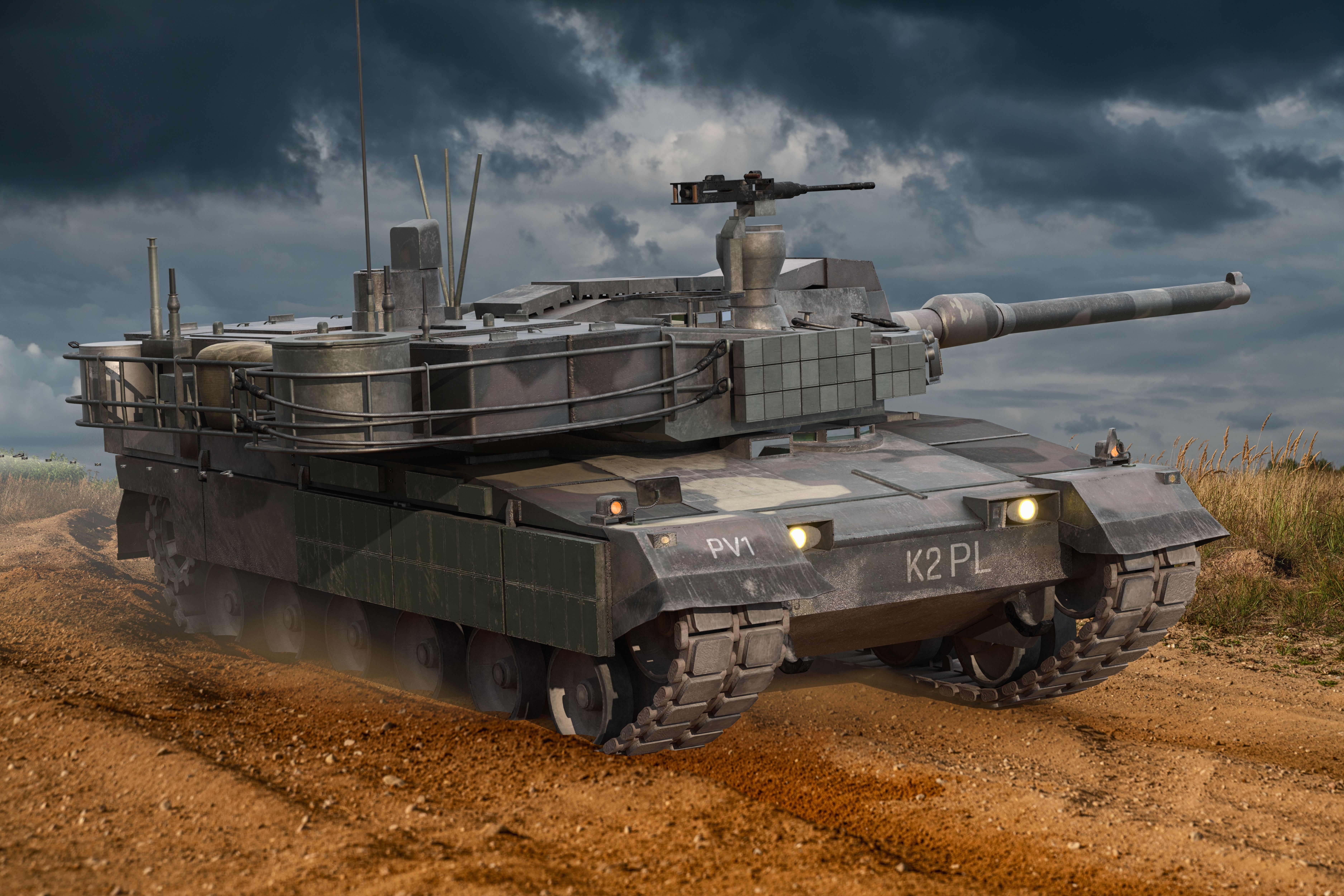
K2 Black Panther - South Korean basic tank. Hyundai Rotem concern has offered the Polish army a K2 model adapted to its needs along with full technology transfer

Development of South Korea’s Tanks and the Global Competitiveness of the K2 Black Panther

by World and New World Journal

1. Introduction Since the Korean War, South Korea had long relied on U.S.-made tanks, but in the 1970s it launched a full-scale domestic tank development program under the principle of self-reliant national defense. As a result, beginning with the K1 tank, the country gradually increased its localization rate, and today it has fielded the highly advanced K2 Black Panther, placing itself among the world’s leading tank powers. However, when compared to major tanks competing in the global defense market, a comprehensive analysis is still required not only in terms of performance, but also in cost-effectiveness and export competitiveness. This study examines the evolution and localization of South Korea’s tanks, and analyzes the performance of the K2 in comparison with other global competitors to highlight its export potential and strategic significance. 2. Early Background: The Korean War – Early 1970s During the Korean War 1950-1953, North Korean forces launched their invasion spearheaded by the Soviet Union’s best-selling tank, the T-34. In contrast, South Korea did not possess a single tank at the time. The power of the T-34 allowed the North Korean army to advance rapidly in the early stages of the war. However, the arrival of U.S. ground forces changed the situation. The M24 Chaffee light tank was the first to be deployed, followed by the M4 Sherman medium tank, the M26 Pershing heavy/medium tank, and the M46 Patton medium tank, all of which overwhelmed the North Korean forces. Thanks to this reinforcement, the Nakdong River defensive line was held, and the tide of the war shifted in favor of the UN forces. Additionally, by late 1950, the British Army had committed its renowned A41 Centurion tanks to the conflict. After the war, in 1959, South Korea received the M47 Patton tank from the United States as part of its allied support policy and broader equipment modernization program. After the war, South Korea relied on U.S. assistance until 1970 to accumulate experience in operating and maintaining tanks. In particular, in 1966, when the M48 Patton tanks were provided by the United States, South Korea also received a Technical Data Package (TDP), which included key technology transfers alongside major upgrades. Through this, South Korea acquired comprehensive expertise in armor casting and welding, production processes, precision manufacturing and assembly, as well as quality inspection and testing. This foundation became a crucial stepping stone for the subsequent development of the Korean tank industry. 3. Development of the K1 Indigenous Tank: 1970s–1980s Under President Park Chung-hee’s policy of self-reliant national defense, South Korea launched the Republic of Korea Indigenous Tank (ROKIT) program in 1975 in cooperation with the United States. Following the signing of a memorandum of understanding in 1978, full-scale development began. The design direction was set to base the new tank on the form and performance of the U.S. Army’s latest third-generation tank at the time, the M1 Abrams. Chrysler Defense (now GDLS), the manufacturer of the M1, participated in the project, while South Korea’s Agency for Defense Development and Hyundai Precision (now Hyundai Rotem) worked together to create a smaller, terrain-optimized “Little Abrams” for the Korean Peninsula. In April 1984, two prototypes were produced, and after passing a series of tests, mass production began in 1985. The production K1 tank was armed with a 105 mm rifled gun and equipped with a 1,200 horsepower German MTU-series diesel engine, built with General Dynamics technology. A key feature was the adoption of a hydropneumatic suspension system, allowing adjustable ground clearance suited for Korea’s mountainous terrain. The tank weighed 51.5 tons, carried a crew of four, and a total of 1,026 units were produced between 1985 and 1997. During its service, the upgraded K1A1 variant was developed, featuring a 120 mm smoothbore gun, improved fire-control systems, and enhanced armor protection. A total of 484 K1A1s were produced between 1996 and 2008. Subsequent modernized versions, the K1E1 and K1E2, have ensured that the K1 series continues to serve as a core component of the South Korean Army’s armored forces. 4. The K2 Black Panther: 2000s – Present Beginning in 1996, the Republic of Korea Armed Forces acquired 68 T-80U tanks from Russia as repayment for an economic cooperation loan. At the time, the T-80U was Russia’s latest main battle tank, and for South Korean engineers, who had previously only worked with U.S.-made tanks, it provided a valuable opportunity to gain direct experience with a new model. The lessons learned from operating the T-80U contributed significantly to the later development of the K2 tank. After the Ministry of National Defense announced its next-generation tank program in 1992, a system concept study was carried out in 1995, followed by exploratory development in 1998. In 2003, full-scale system development began. By 2007, three prototypes were unveiled for operational testing and evaluation, and mass production was initially scheduled to begin in 2012. However, issues arose during the development of the domestic powerpack (engine and transmission). These included an engine protection temperature setting error, which failed to safeguard the engine from overheating, and insufficient cooling fan speed in the transmission at maximum output, which led to inadequate cooling. Despite multiple redesigns, persistent problems in performance and reliability testing delayed deployment. As a result, the first production batch of 100 K2 tanks was equipped with Germany’s MTU engines and RENK transmissions instead of the domestic powerpack. These vehicles began delivery to the ROK Army in April 2014. By September 2014, the domestic engine had passed the Defense Acquisition Program Administration’s evaluation, and the second batch of 106 tanks and the third batch of 54 tanks were produced with a “hybrid powerpack”—a Korean-made engine combined with a German transmission. Starting with the fourth production batch, SNT Dynamics’ domestic transmission was successfully integrated, completing full localization of the K2 powerpack. Unlike its predecessor, the K1, which had been developed under the leadership of General Dynamics and relied heavily on U.S. components, the K2 Black Panther is a fully indigenous South Korean tank. With domestically developed engines and transmissions, it achieved a high localization rate, giving South Korea independence from U.S. and German export restrictions and allowing greater freedom in operating and exporting its tanks. As South Korea’s most advanced tank, the K2 incorporates cutting-edge technologies that set it apart from its predecessors. These include a 120 mm smoothbore gun, an active protection system (APS), an autoloader, and stealth features, delivering superior mobility, protection, and firepower. Today, it stands as a core asset of the South Korean Army. Specifications (K2 Black Panther):Crew: 3Weight: 55 tonsEngine: Doosan Infracore DV-27K diesel engineTransmission: SNT Dynamics EST15K automatic transmissionMain Gun: Hyundai WIA 120 mm smoothbore CN08Fire Control System: South Korean domestic technologyArmor: Korean-developed composite armor  5. Timeline of South Korea’s Tank Development: From U.S. Aid to the K2 The introduction and development of tanks in the ROK Army have been organized in a chronological timeline with images. This timeline is designed to provide a clear overview of the entire progression — from U.S. aid tanks, to tanks acquired from Russia, and finally to the development of indigenous Korean tanks.   6. K2 vs. Regional Main Battle Tanks — Performance Comparison Tank performance can be compared across four key categories: Mobility, Firepower, Protection, and Sensors & C4I. MobilityComponents: engine & transmission (powerpack), suspension, roadwheels, sprockets, tracks, and fuel systems.Role: determines speed, acceleration, cross-country mobility, and operational range. Maintainability (ease of maintenance and access) is also included here. FirepowerComponents: main armament (gun) — barrel and mantlet, stabilization system, autoloading/manual loading systems, coaxial and anti-aircraft machine guns, ammunition stowage.Role: defines ability to defeat enemy armor and other targets, hit probability (integrated with the fire-control system), and ammunition variety (e.g., APFSDS, HE).ProtectionComponents: baseline composite/steel armor, explosive reactive armor (ERA), active protection systems (APS), smoke generation, fire suppression and NBC protection, and crew survivability compartments.Role: protects crew and systems from penetration, fragmentation, anti-tank weapons, and environmental threats.Sensors & C4I (Command, Control, Communications, Computers, and Intelligence)Components: fire-control system (FCS), thermal and night sights, laser rangefinder, communications suites, electronic warfare and laser warning receivers, and power-management systems.Role: responsible for target acquisition, firing accuracy, and networked combat — i.e., information sharing with friendly forces.Below is a comparison of the K2 and the region’s current main battle tanks.    The K2 Black Panther is regarded as a world-class main battle tank, demonstrating well-balanced excellence in mobility, firepower, protection, and electronic systems compared to neighboring countries’ tanks. 7. South Korea’s Tank Export Outlook and Key CasesWhile exports of the K1 tank were restricted due to U.S. technology regulations, the K2 tank—developed with fully indigenous Korean technology—became eligible for overseas sales. In 2022, South Korea successfully signed a contract with Poland, and negotiations are currently underway with countries in Europe, the Middle East, and Africa, signaling the expansion of Korean tanks into the global defense market. 7.1. Turkish Joint Development of the Altay Tank Based on the K2 (USD 540 million)In 2007, South Korea signed a design support and technology transfer contract with Turkey for the development of the Altay main battle tank. Under this agreement, South Korea transferred several core technologies derived from the K2 tank, including:- 120 mm CN08 smoothbore gun technology (Korean-produced main gun)Advanced armor and composite equipment design consultation and production support- Powerpack (engine + transmission) technology transfer and testing: the Altay successfully completed durability trials with the HD Hyundai Infracore engine and SNT Dynamics transmission The Altay is scheduled to enter full-scale mass production in 2025, with an initial production run of 250 units and a long-term goal of building up to 1,000 tanks. 7.2. K2 Export to Poland: First Batch of 180 Units (USD 3.4 billion), Second Batch of 180 Units (USD 6.5 billion) In 2022, the K2 tank was selected by Poland over strong competitors such as Germany’s Leopard 2A7 and the U.S. M1A2 Abrams. The key factors behind this successful export were as follows: - Rapid delivery and phased supply: South Korea demonstrated its ability to deliver tanks within a very short timeframe. Following the 2022 contract, the first batch of 10 units was delivered within the same year. By contrast, competitors faced production line bottlenecks, raising concerns over delivery delays. - Modern design with European upgrade potential: The K2 features a 120 mm 55-caliber smoothbore gun, an autoloader, an active protection system (APS), and hydropneumatic suspension—technologies equal to or in some cases more advanced than those found in Europe’s latest MBTs. Moreover, South Korea promised to develop a localized version, the K2PL, through joint development with Poland, tailored to Polish requirements. - Local production and technology transfer: South Korea offered local production of the K2PL, guaranteeing the participation of Polish defense industries, along with technology transfer, industrial cooperation, and the prospect of using Poland as a base for future exports. - Cost competitiveness: Despite being a state-of-the-art tank, the K2 is relatively more affordable than the M1A2 or Leopard 2A7. Maintenance and sustainment costs are also projected to be lower than those of European tanks, giving the K2 a strong reputation as a “cost-effective MBT” with excellent value for performance. - Tactical versatility and advanced systems: Equipped with an autoloader, hydropneumatic suspension, and advanced smart fire-control systems, the K2 offers outstanding adaptability across diverse operational environments, including mountainous terrain, urban warfare, and extreme cold.Through this deal, South Korea and Poland established a relationship that goes beyond a simple arms sale, building long-term defense industry partnership and mutual trust. Potential export destinations for the K2 include the Czech Republic, Slovakia, Romania, Saudi Arabia, Oman, Egypt, Morocco, and India. 8. Comparison of Tanks from Export Competitor Nations South Korea’s K2 tank has attracted global attention for its outstanding performance, but the international tank market is already dominated by several major players.This chapter analyzes and compares the leading tanks that compete with the K2, while also examining each country’s export competitiveness.   The K2 Black Panther, while incorporating cutting-edge technologies, is lighter than many Western main battle tanks, resulting in relatively lower sustainment costs. It is therefore widely regarded as a cost-effective, well-balanced tank. The cost of a tank varies greatly depending on its design and configuration, but if we break down the production cost (manufacturing, components, and assembly) into four categories, the estimated shares are as follows:- Protection: 30–40%- Firepower: 20–30%- Mobility: 15–25%- Electronics & C4I: 15–25% The actual share, however, depends on specific factors. For example, the use of advanced armor materials (composite/uranium) or the inclusion of an Active Protection System (APS) significantly increases protection costs. Similarly, specialized gun and ammunition systems (such as a 120mm smoothbore, autoloader, or advanced munitions) raise firepower costs. Integration, testing, and safety features greatly affect electronics costs, while options like autoloaders, high-performance thermal sights, and networked systems can heavily influence the final balance. Other important factor is Lifecycle Perspective (Unit Cost vs. Total Life-Cycle Cost), which can be defined as below.- Procurement: About 20–30% of total life-cycle cost (highly variable)- Operations & Support (O&S): 60–70% — dominated by fuel, maintenance, spare parts, and maintenance personnel costs- Upgrades & Depreciation: 10–20% In other words, the long-term operation and maintenance costs take up a much larger share than the initial procurement cost of a tank.Below is a comparison table of modern main battle tank costs: unit acquisition cost, annual sustainment cost, and 30-year life-cycle cost (procurement + sustainment).*The sustainment cost for China’s Type 99A and Russia’s T-90M is an estimate.   9. Conclusion This study has systematically examined the evolution and localization of South Korea’s tanks, and verified the level of their advancement through performance comparisons with leading global competitors. In particular, the K2 has demonstrated balanced capabilities in mobility, firepower, protection, and electronic command-and-control, supported by advanced technologies and a high degree of localization. At the same time, it offers superior cost-efficiency in sustainment and operational expenses compared to heavier Western MBTs. This makes the K2 not only a key asset for strengthening domestic defense, but also a competitive and cost-effective platform in the global arms market. Taken together, these findings suggest that South Korea’s tanks have progressed beyond being a mere symbol of self-reliant defense, and are now positioned to expand exports and build long-term strategic partnerships worldwide.

Defense & Security
New Delhi, India, Jan 20 2025: Indian Army's T-90 Bhishma is a modern main battle tank (MBT) participating in the rehearsal for the Republic Day Parade 2025 at Kartavya Path,

Reforging The Arsenal: India's Defence Industry Transformation

by Darshit Thakar

India is the fastest-growing major economy in the world, and according to the Global Firepower Index, the Indian Armed Forces are the 4th strongest in the world. But when we look at SIPRI data, we can find that since 2011, India has been the largest defence equipment importer in the world. If we look at India's neighborhood, it's been very hostile since Independence. India fought four major wars with Pakistan — 1948, 65, 71, and 99 — and many skirmishes, Operation Sindoor being the most recent one. With China, it fought a war in 1962 and many skirmishes, the most recent one in Galwan valley in the early 2020s. This kind of environment, and India being a rising global power, demands it to have some self-sufficiency in weapons manufacturing. A Brief History of Defence Policy At Independence, India enjoyed an early advantage over non-western states. India was the crown jewel of the British Empire, and to sustain control over it, Britain established lots of arms factories. But when India got independence, everything changed. Jawaharlal Nehru was sworn in as the first Prime Minister. He was a member of the Fabian Society and strongly believed in socialism, so he got everything centralized and worked in similar way as the Soviet Union. There was private participation, but it was limited to only small-scale industries. Defence was the government arena. There were DRDO (Defence Research and Development Organisation), DPSUs (Defence Public Sector Undertakings), and Ordnance Factories. DRDO was responsible for designing, the DPSUs made complex weapon systems, while Ordnance Factories made ammunition, firearms, artillery shells, etc. However, this highly centralised socialist model, though well-intentioned, restricted the flexibility to build upon the industrial base India had inherited from the British era. In 1991, India initiated LPG (Liberalisation, Privatisation, and Globalisation) reforms to liberalize the economy. Private players were allowed in the defence sector from 2001 onwards, but there wasn't a lot of momentum for the next 15 years. Momentum began to rise only after 2014 when reforms and policy incentives actively encouraged private participation. Current Reforms Since assuming power in 2014, Prime Minister Narendra Modi’s government has made a determined attempt to strengthen the Indian arms industry and transform the country’s image from the world’s largest arms importer to a major exporter of defence equipment. To realize this goal, the government has announced many reform measures under the ‘Make in India’ initiative and ‘Atmanirbhar Bharat Abhiyan’ (self-reliant India mission). These measures cover virtually every facet of the Indian defence economy, spanning structures, acquisition processes, industrial regulations, and budgetary provisions. During the 1999 Kargil War and 2001 Operation Parakram, India found operational constraints, and there was a recommendation to create a Chief of Defence Staff (CDS) who would function as the head of all three services. In 2019, the government created the post of Chief of Defence Staff (CDS), which is touted as the most significant defence reform since Independence. Among all the responsibilities, the CDS is also assigned the task of “promoting the use of indigenous equipment by the Services.” The Department of Military Affairs (DMA), which works under the guidance of the CDS, made a list of 500 pieces of equipment that should be produced indigenously. These lists include several big-ticket items such as missiles, fighter aircraft, helicopters, warships, radars, and a range of munitions. The government also announced the long-overdue corporatisation of the OFs that were earlier functioning as government arsenals. The decision involved converting 41 OFs into seven distinct DPSUs. As corporate entities, the new DPSUs will enjoy greater autonomy in decision-making and be accountable for their performance. However, while corporatisation has begun to improve accountability, the impact of these changes is still uneven, and many DPSUs continue to face legacy inefficiencies. As the government wanted to increase the acquisition of arms made in India, it announced the Defence Procurement Procedure (DPP) in 2016. The DPP-2016 emphasized indigenisation by giving primacy to the domestic industry over foreign contractors. It also made an attempt to decrease procurement timelines and increase the overall effectiveness of the procurement process. To enhance the role of the private sector in defence production, the DPP-2016 also simplified the ‘Make’ procedure and created space for new Strategic Partnership (SP) guidelines, which were separately released in 2017. In 2020, the government announced the Defence Acquisition Procedure (DAP). Building on the DPP-2016, the DAP-2020 focused on higher levels of indigenisation and innovation through the participation of Indian industry, including startups and small and medium enterprises. New outfits like the Innovations for Defence Excellence (iDEX) and the Defence Innovation Organisation (DIO) have been created to encourage start-ups and micro, small and medium enterprises (MSMEs) to promote defence industrialisation. The government has also introduced several measures to improve the ease of doing business in the defence manufacturing sector. It streamlined the industrial licensing process for the private sector. It also focused on liberalising the defence foreign direct investment (FDI) regime by enhancing the earlier foreign equity cap from a maximum of 26 percent under the automatic route, first to 49 percent and subsequently to 74 percent. The government has also brought out a standard operating procedure to formalise the process of defence export authorisation; allowed the private sector to use government-run facilities to test their equipment; launched two defence industrial corridors; and created a dedicated web portal, SRIJAN, so that the DPSUs and the armed forces can upload previously imported items for indigenisation by domestic entities. Impact of the Policy Following several reforms, the defence industry has made certain progress. The most visible indicator of this progress is the near-continuous increase in production turnover.  The value of defence production has surged to a record high of ₹1,27,434 crore (~$15.2 billion), marking an impressive 174% increase from ₹46,429 crore in 2014-15, according to data from all Defence Public Sector Undertakings (DPSUs), other public sector units manufacturing defence items, and private companies. The Ministry of Defence has signed a record 193 contracts in 2024-25, with the total contract value surpassing ₹2,09,050 crore (~$24.8 billion), nearly double the previous highest figure. Of these, 177 contracts, accounting for 92 percent, have been awarded to the domestic industry, amounting to ₹1,68,922 crore (~$20.1 billion), which is 81 percent of the total contract value. Defence exports have surged from ₹686 crore in FY 2013-14 to an all-time high of ₹23,622 crore (~$2.76 billion) in FY 2024-25, marking a 34-fold increase over the past decade. India is now exporting arms, ammunition, and related items to over 85 countries, with 100 Indian firms participating in international sales. Some of the major items exported include “Dornier-228, 155 mm Advanced Towed Artillery Guns, BrahMos Missiles, Akash Missile System, Radars, Simulators, Mine Protected Vehicles, Armoured Vehicles, PINAKA Rockets & Launchers, Ammunitions, Thermal Imagers, Body Armours, besides Systems, Line Replaceable Units and Parts & components of Avionics and Small Arms.” Challenges Even though India has made noticeable progress, challenges still persist. According to SIPRI, in 2011 India was responsible for 14% of global arms imports — making it the largest importer. Fast forward to 2024, it still accounts for 8.3% of global arms imports — the second largest, just behind war-torn Ukraine. While this decline in share indicates progress, the absolute value of imports remains high due to India’s expanding defence budget and modernisation drive. Even though the industry has grown, it hasn't fully absorbed the appetite for equipment required by the armed forces. On the export front, despite registering a noticeable increase in international arms sales, the industry is far from the target set by the government. The biggest challenge in meeting the government’s export target comes from the DPSUs, which have been rising slowly to the expectations. Some recent attempts to export major systems have not met with success. It faces tough competition from countries like Turkey (~$7.2 billion in defence exports for 2024), South Korea (~$20 billion in defence exports for 2024) and Israel(~$14.8 billion in 2024). The Indian defence industry, despite having a large production and R&D base, lacks the technological depth to design/manufacture major systems and critical parts, components, and raw materials, which are eventually imported. Moreover, the reforms announced by the Modi Government haven't been implemented fully. Given India’s bureaucratic system, overcoming the delays in implementation will remain a key challenge in the foreseeable future. Global Parallels in Defence Industrialisation India's transition from a state-dominated, import-reliant defence ecosystem to a more hybrid, self-reliant model invites comparisons with other emerging powers that have successfully navigated similar paths. South Korea offers a stark contrast through its aggressive export-oriented strategy: starting in the 1970s amid threats from North Korea, Seoul invested heavily in R&D (allocating over 4% of GDP annually in recent years) and leveraged chaebol conglomerates like Hyundai and Hanwha to build integrated supply chains, transforming from an importer to a top-10 global exporter with $20 billion in annual sales by 2024, including K9 howitzers and T-50 trainers. Turkey, facing NATO dependencies and regional instabilities, adopted agile policies under its Defence Industry Agency (SSB), mandating high domestic content (up to 70% in major programs) and integrating SMEs via incentives and technology transfers, propelling exports to $7.2 billion in 2024 through platforms like Bayraktar drones. Israel, constrained by size and hostile neighbors, pioneered a niche innovation ecosystem via public-private partnerships, mandatory military service feeding talent into firms like Rafael and IAI, and venture capital-driven R&D, yielding $14.8 billion in exports focused on high-tech systems such as Iron Dome. Unlike India's historically centralized DPSUs and gradual private inclusion, these models emphasize export discipline, rapid policy iteration, and SME/startup ecosystems—lessons India could adapt by accelerating iDEX funding, enforcing stricter local content in DAP procurements, and fostering chaebol-like consortia to bridge technological gaps and compete globally. Conclusion The Narendra Modi government has sought to break the inertia of snail-like defence reforms that were going on since India's Independence. Under the banner of Atmanirbhar Bharat, it has pushed to cut imports and boost local production. Defence exports have begun to grow. More importantly, private companies and start-ups have entered what was once a tightly guarded public sector preserve. A more competitive ecosystem is slowly taking shape. Yet the road to self-reliance remains long. If India can integrate private innovation with public manufacturing and reduce bureaucratic delays, it could transform from being the world’s largest importer to a key global supplier in the multipolar era. Sourceshttps://www.orfonline.org/research/india-s-defence-industry-achievements-and-challengeshttps://www.orfonline.org/research/a-decade-of-defence-reforms-under-modihttps://www.pib.gov.in/PressReleasePage.aspx?PRID=2116612https://indiasworld.in/reforming-defence-production-faster-and-deeper/https://theprint.in/defence/india-second-largest-arms-importer-after-ukraine-reliance-on-russia-declines-says-sipri-report/2541373/https://www.pib.gov.in/PressNoteDetails.aspx?NoteId=154617&ModuleId=3https://www.cnbc.com/2024/12/04/as-global-defense-spending-surges-south-korean-arms-makers-look-like-a-clear-winnerhttps://www.defensenews.com/global/europe/2025/02/04/turkeys-defense-exports-hit-record-high-of-7.1-billion-in-2024/https://www.defensenews.com/global/mideast-africa/2025/06/05/israel-announces-defense-export-record-15-billion-in-2024/https://www.globalfirepower.com/countries-listing.php

Defense & Security
Lima, Peru - August 12, 2012: Seizure of drug or cocaine cargo in a truck with international destination. Packages filled with cocaine and the fight against drug trafficking.

Drug trafficking as a transnational system of power: origins, evolution, and perspectives

by World & New World Journal

Drug trafficking is the illegal trade, in large quantities, of drugs or narcotics (RAE, 2025). However, while this definition is accurate, it is insufficient to describe the complexity of a global phenomenon that transcends borders and involves the production, purchase, and distribution of illicit substances. Drug trafficking has developed hand in hand with global trade and interconnection (Saldaña, 2024). In other words, the evolution of drug trafficking is closely linked to globalization, which has strengthened the logistical, technological, and financial networks that enable its expansion. Therefore, more than isolated crime, drug trafficking must be understood as a transnational system of power that feeds on globalization itself. Drug Trafficking as a Transnational System of Power Drug trafficking is described by some authors as a profoundly complex transnational phenomenon resulting from globalization (Luna Galván, Thanh Luong, & Astolfi, 2021). This phenomenon involves and connects global networks of production, logistics, financing, and consumption, all made possible by economic interdependence, information technologies, and established global logistical routes. These authors analyze drug trafficking from a multidimensional perspective, identifying seven interrelated spheres that sustain this activity: the economic (money laundering and investment diversification), institutional (corruption and institutional capture), organizational (organized criminal networks and advanced logistics), social (presence in territories with state vacuums and community legitimization), technological (use of cryptomarkets, encryption, and innovation), geopolitical (route adaptability and resilience against state policies), and cultural (narratives and subcultures that normalize illicit practices) (Luna Galván, Thanh Luong, & Astolfi, 2021). These dimensions form a web of relationships in which criminal groups not only control the flow of drugs but also influence economic and political structures. As Interpol (n.d.) warns, this global network undermines and erodes the political and economic stability of the countries involved, while also fostering corruption and generating irreversible social and health effects. Furthermore, drug trafficking is intertwined with other crimes — such as money laundering, corruption, human trafficking, and arms smuggling — thus forming a globalized criminal ecosystem, a global issue and a national security concern for nations worldwide. Origins and historical context There are records of the use of entheogenic drugs for ritual or medicinal purposes in Mesoamerican cultures — such as the Olmecs, Zapotecs, Mayas, and Aztecs (Carod Artal, 2011) — as well as in Peru (Bussmann & Douglas, 2006), the Amazon region, and even today among the Wixárika culture in Mexico (Haro Luna, 2023). Likewise, there was widespread and diverse drug use among the ancient Greeks and Romans, including substances such as mandrake, henbane, belladonna, cannabis, and opium, among others (Pérez González, 2024). However, modern drug trafficking can trace its origins to the First Opium War (1839–1842) between the Chinese Empire (Qing Dynasty) and the British Empire, marking the first international conflict directly linked to the drug trade. During the second half of the 19th century and the early 20th century, several drugs —such as heroin, cocaine, cannabis, and amphetamines — made their debut in the pharmaceutical field, being used in medicines and therapeutic remedies (López-Muñoz & Álamo González, 2020). This period is considered the pharmaceutical revolution, characterized by the emergence of researchers, research centers, and major discoveries in the field. During that time, the term “drug” began to be associated with “addiction.” The pharmaceutical revolution had its epicenter in Germany; however, it was the British and Americans who promoted its expansion (Luna-Fabritius, 2015) and contributed to the normalization of psychoactive substance consumption. Military promotion, use and dependence Armed conflicts — from the U.S. Civil War (1861–1865) to the First World War (1914–1918) — played a key role in spreading and promoting the military use of psychoactive substances. For instance, stimulants such as alcohol, cocaine, amphetamines, and methamphetamines were used to combat sleep, reduce fatigue, boost energy, and strengthen courage, while depressants like opium, morphine, and marijuana were used to relieve combat stress and mitigate war trauma (Marco, 2019). The dependence that developed led to a process of expansion among the civilian population, which entered a period of mass experimentation that often resulted in substance abuse and chemical dependency (Courtwright, 2001). In response, the first restrictive laws emerged, particularly in the United States (López-Muñoz & Álamo González, 2020). However, the high demand for certain substances, such as opium, gave rise to the search for markets capable of meeting that demand. Thus, Mexico — influenced by Chinese immigration that introduced the habit of smoking opium in the country — became, by the 1940s, the epicenter of poppy cultivation and opium processing in the region known as the Golden Triangle (Sinaloa, Durango, and Chihuahua). It became the main supplier for drug markets in the United States and other parts of the continent, at times providing up to 90% of the demand during periods of shortage (Sosa, 2025). Even during World War II (1939–1945) — when the traditional supply of heroin and morphine to Europe was disrupted — Mexico strengthened its role in the illicit trade by providing smoking opium and processed morphine or heroin. These developments, alongside the implementation of opiate regulations in Mexico, helped consolidate and structure Mexican drug trafficking, which has persisted for more than sixty years (Sosa, 2025). Social expansion and regulatory restrictions The end of World War II brought stricter restrictions and regulations, but that did not prevent socio-cultural movements such as the hippie movement (in the 1960s) from adopting the use of marijuana, hashish, LSD, and hallucinogenic mushrooms (Kiss, 2025) without facing severe repercussions. That same hippie movement — which promoted pacifism and opposed the Vietnam War (1955–1975) — in one way or another encouraged drug use among young people. Moreover, the demand for substances by returning veterans led to the internationalization of drug markets, fostering, for example, the heroin trade from Southeast Asia (Laos, Myanmar, and Thailand) (Saldaña, 2024). The Nixon administration and the US “War on Drugs” The dependency became so severe that it was considered a public health emergency in the United States. On June 18, 1971, Richard Nixon declared the “War on Drugs” at an international level, labeling drug trafficking as “public enemy number one” (Plant & Singer, 2022). Nixon’s strategy combined international intervention with increased spending on treatment and stricter measures against drug trafficking and consumption (Encyclopedia.com, n.d.), along with the creation of the Drug Enforcement Administration (DEA) in 1973. Although the War on Drugs was officially declared in 1971, it had a precedent in 1969 with the failed Operation Intercept, whose goal was to combat marijuana trafficking across the U.S.–Mexico border (M. Brecher, 1972). As part of his international strategy, Nixon launched several operations such as Operation Condor with Mexico (1975 and 1978), Operation Stopgap in Florida (1977), and Operation Fulminante, carried out by Colombian President Julio César Turbay in 1979. Most of these efforts were aimed at combating marijuana trafficking. The results were mixed, but the consequences were significant, as drug traffickers resisted and adapted — giving rise to a more active and violent generation and marking the consolidation of modern drug trafficking. The Consolidation of Modern Drug Trafficking: Colombia and Reagan Era. During the 1980s and 1990s, drug trafficking evolved into a highly organized industry. Figures such as Félix Gallardo [1], Amado Carrillo Fuentes [2], Pablo Escobar [3], Carlos Lehder [4], Griselda Blanco [5], Rafael Caro Quintero [6], and later Joaquín “El Chapo” Guzmán Loera [7], among others (Wikipedia, 2025), symbolized the growing power of the cartels in Colombia and Mexico. During this period, criminal organizations consolidated their operations, and the profits from drug trafficking fueled violence and corruption. Moreover, the struggle for power — not only in Mexico, Colombia, Peru, or the United States but also in other regions of Latin America — and the competition for markets led to greater sophistication, as well as the construction of infrastructure and distribution networks. Pablo Escobar’s famous phrase, “plata o plomo” (“silver or lead”), reflects the immense power and influence that drug traffickers wield, even over governments and authorities. Colombia, through the Cali and Medellín cartels, dominated the production and export of cocaine via a triangulation network that connected through Mexico or the Caribbean, with the final destination being the United States, where the Reagan administration (1981–1989) intensified the War on Drugs, focusing on criminal repression rather than public health. The Reagan’s War on Drugs was characterized for setting aggressive policies and legislative changes in the 1980s which increased the law enforcement and the punishment, as a consequence the prison penalties for drug crimes skyrocketed from 50,000 in 1980 to more than 400,000 by 1997 (HISTORY.com Editors 2017) Mexican cartels consolidation and Mexico’s transition to a consumer nation Around the same time, on the international arena, following the fragmentation of the Guadalajara Cartel in the 1980s, the emergence of new Mexican cartels — the Sinaloa Cartel, Gulf Cartel, Tijuana Cartel, and Juárez Cartel — combined with the downfall of Colombia’s Cali and Medellín cartels in the mid-1990s, catapulted Mexican cartels into prominence. They seized control of trafficking routes and diversified their operations, thus consolidating their role in the global drug market. Later, the September 11, 2001, attacks altered U.S. security policy, affecting border transit, increasing security measures, and tightening inspections along the southern border with Mexico (Rudolph, 2023) — one of the main drug distribution routes into the United States. Although some studies suggest that U.S. security policies at land ports of entry had only marginal pre- and post-9/11 effects (Ramírez Partida, 2014), in reality, these measures significantly impacted Mexico more than the US. Mexico transitioned from being primarily a producer, distributor, and transit country for drugs to also becoming a consumer nation. In 2002, more than 260,000 people were reported to use cocaine, whereas today the number exceeds 1.7 million addicts, according to data from the federal Secretariat of Public Security (Alzaga, 2010). Likewise, the ENCODAT 2016–2017 survey shows that the percentage of Mexican adolescents who had consumed some type of drug increased from 1.6% in 2001 to 6.4% in 2016 (REDIM, 2025). By disrupting one of the main drug distribution routes to the United States, the situation led to drugs being redistributed and sold within Mexican territory. This, combined with the country’s social and economic conditions, facilitated the recruitment of young people by organized crime groups (Becerra-Acosta, 2010) for the domestic distribution of drugs. Mexico and the Contemporary War on Drug Trafficking The escalation of violence caused by the power struggle among Mexican cartels became so critical that President Felipe Calderón (2006–2012) declared an open war against organized crime on December 10, 2006 (Herrera Beltrán, 2006). His strategy involved deploying the armed forces throughout Mexican territory, as well as obtaining financial aid, training, and intelligence through the Mérida Initiative from the United States to support the fight against drug trafficking and organized crime in Mexico and Central America (Embassy of the United States in Mexico, 2011). His successor, Enrique Peña Nieto (2012–2018), shifted the focus toward prevention and civil protection, although he continued the militarization process and the transformation of police institutions (BBC News, 2012). The strategies of Calderón and Peña Nieto — often grouped together — while questioned and criticized (Morales Oyarvide, 2011), achieved significant arrests, including figures such as “La Barbie,” “La Tuta,” “El Menchito,” “El Chapo,” “El Marro,” and “El Ratón.” They also eliminated key figures like Arturo Beltrán Leyva, Ignacio Coronel Villarreal, Antonio Cárdenas Guillén, Heriberto Lazcano Lazcano, and Nazario Moreno González. Later, during the presidency of Andrés Manuel López Obrador (2018–2024), the strategy shifted once again toward a stance of “hugs, not bullets,” showing clear signs of passivity that allowed cartel expansion (Fernández-Montesino, 2025). His successor, Claudia Sheinbaum (2024–2030), on the other hand, has navigated both internal and external pressures (particularly from the United States), seeking to balance intelligence, coordination, and attention to structural causes (Pardo, 2024), although continued militarization suggests a hybrid strategy remains in place. Fentanyl and synthetic drugs: The future of drug trafficking The president of the International Narcotics Control Board (INCB), Jallal Toufiq, said that “the illicit drug industry represents a major global public health threat with potentially disastrous consequences for humankind.” In addition, the 2024 INCB Annual Report found that illicit synthetic drugs are spreading and consumption is increasing, moreover, these could overtake some plant-based drugs in the future. (International Narcotics Control Board 2025) The press release before mentioned also points out that Africa, Middle East, East and Southeast Asia and the Pacific drug markets are increasing, while production in Central America, Peru, Colombia and the Caribbean keeps on developing. On the other hand, the opioid crisis (fentanyl) remains a serious problem for North America and the cocaine keeps affecting Europe with a spillover Africa. (International Narcotics Control Board 2025). The fentanyl crisis in North America is well documented. Data show an increase of 540% in overdose deaths between 2013 and 2016 (Katz 2017), with 20,100 deaths in the USA, while by 2023, the number increase to 72,776 deaths (USA Facts 2025). On the other hand, Canada has reported 53,821 deaths between January 2016 and March 2025 (Government of Canada 2025), while Mexico reported only 114 deaths from 2013 to 2023 (Observatorio Mexicano de Salud Mental y Adicciones 2024). These figures reveal not only the unequal regional impact of the synthetic opioid crisis but also the ongoing adaptation of organized crime networks that sustain and expand these markets. Evolution and Diversification of Organized Crime The phenomenon of adaptation, evolution, and diversification of new illicit markets is not an isolated issue. Experts such as Farah & Zeballos (2025) describe this in their framework Waves of Transnational Crime (COT). The first wave is represented by Pablo Escobar and the Medellín Cartel, pioneers in moving tons of cocaine to the U.S. market through Caribbean routes. The second wave is represented by the Cali Cartel, which perfected the model and expanded trafficking routes through Central America and Mexico — still focusing on one product (cocaine) for one main market (the United States). The third wave is characterized by the criminalization of criminal structures, the use of armed groups (such as the FARC in Colombia), and the use of illicit production and trafficking as instruments of state policy, with clear effects on public policy functioning. At this stage, there is product diversification, with the main market remaining the U.S., but expansion reaching Europe (Farah & Zeballos, 2025). Finally, the fourth wave — the current stage — is defined by total diversification, a shift toward synthetic drugs, and global expansion, involving extra-regional groups (Italian, Turkish, Albanian, and Japanese mafias), where many operations function “under government protection.” This fourth wave offers clear examples of collusion between criminal and political spheres, which is not new. However, the arrest of Genaro García Luna (Secretary of Public Security under Calderón), the links between high-profile Mexican politicians and money laundering or fuel trafficking (Unidad de Investigación Aplicada de MCCI, 2025), and even Trump’s statements claiming that “Mexico is largely governed by cartels” (DW, 2025) reveal a reality in which drug trafficking and criminal organizations are no longer merely producers and distributors of illicit substances. Today, they possess the power and capacity to establish parallel governance systems, exercise territorial control, infiltrate institutions and local economies, and even replace core state functions (Farah & Zeballos, 2025). Future Perspectives and Challenges Currently, drug trafficking and organized crime represent structural threats. It is well known and widely studied what drug trafficking means for public security and health, but it has now also become a threat to politics, democracy, and the rule of law. With divided opinions, many analysts argue that the war on drugs has failed — in addition to being costly and, in many cases, counterproductive (Thomson, 2016). Punitive strategies have generated more violence without truly addressing the social causes behind the phenomenon (Morales Oyarvide, 2011). In this context, a paradigm shift is necessary: drug trafficking should not be approached solely as a security issue, but also as a public health and social development problem. Drug use has been a historical constant, and its total eradication is unrealistic. The key lies in harm-reduction policies, international cooperation, and inclusive economic development. Moreover, organized crime demonstrates adaptive resilience, making its eradication difficult — especially given that its operational capacities are so diversified, it maintains alliances with groups worldwide, and globalization and new technologies continually help it reinvent itself. Furthermore, even political and economic tensions among the United States, Mexico, Canada, and China are now intertwined with the trade of synthetic drugs — particularly fentanyl —, revealing the geopolitical magnitude of the problem (Pierson, 2024). Conclusion In summary, drug trafficking has ceased to be a marginal activity and has become a transnational structure capable of influencing politics, the economy, and society. Its persistence can be explained not only by the profitability of the business but also by social inequality, institutional corruption, and sustained global demand. History demonstrates that repression has not eradicated the problem but rather transformed it. Today, it is essential to rethink drug policies from a comprehensive approach that integrates security, public health, education, and international cooperation. Only through a multidimensional strategy will it be possible to contain a phenomenon that — more than an illicit economy — constitutes a global form of parallel governance that challenges the very foundations of the modern state. Notes[1] Miguel Ángel Félix Gallardo, also known as “El Jefe de Jefes” (“The Boss of Bosses”), “El Padrino” (“The Godfather”), or “The Drug Czar”, was one of the founders of the Guadalajara Cartel. [2] Amado Carrillo Fuentes, known as “El Señor de los Cielos” (“The Lord of the Skies”), was the former leader of the Juárez Cartel. [3] Pablo Escobar was the founder and former leader of the Medellín Cartel. [4] Carlos Lehder was the co-founder of the Medellín Cartel. [5] Griselda Blanco, known as “The Black Widow,” “The Cocaine Queen,” or “La Patrona” (“The Boss”), was a founder of the Medellín Cartel. [6] Rafael Caro Quintero, known as “El Narco de Narcos” (“The Drug Lord of Drug Lords”), was one of the founders of the Guadalajara Cartel. [7] Joaquín Guzmán Loera, known as “El Chapo,” was the former leader of the Sinaloa Cartel. ReferencesAlzaga, Ignacio. 2010. Creció mercado de droga por blindaje en frontera. 23 de Enero. https://web.archive.org/web/20100328122522/http://impreso.milenio.com/node/8707705.BBC News. 2012. México: el plan de Peña Nieto contra el narcotráfico. 18 de Diciembre. https://www.bbc.com/mundo/noticias/2012/12/121218_mexico_pena_nieto_estrategia_seguridad_narcotrafico_jg.Becerra-Acosta, Juan P. 2010. Los ninis jodidos y el narco tentador…. 16 de Agosto. https://web.archive.org/web/20100819043827/http://impreso.milenio.com/node/8816494.Bussmann, Rainer W., y Sharon Douglas. 2006. «Traditional medicinal plant use in Northern Peru: tracking two thousand years of healing culture.» Journal of Ethnobiology and Ethnomedicine 47. doi:https://doi.org/10.1186/1746-4269-2-47.Carod Artal, Francisco Javier. 2011. «Alucinógenos en las culturas precolombinas mesoamericanas.» Neurología 30 (1): 42-49. doi:https://doi.org/10.1016/j.nrl.2011.07.003.Courtwright, David. 2001. «Forces of Habit. Drugs and the Making of the Modern World.» Editado por Cambridge. (Harvard University Press).DW. 2025. Trump dice que México está "gobernado por los carteles". 19 de Febrero. https://www.dw.com/es/trump-dice-que-m%C3%A9xico-est%C3%A1-gobernado-por-los-carteles/a-71666187.Embajada de los Estados Unidos en México. 2011. Iniciativa Mérida. 22 de Junio. http://spanish.mexico.usembassy.gov/es/temas-bilaterales/mexico-y-eu-de-un-vistazo/iniciativa-merida.html.Encyclopedia.com. s.f. President Nixon Declares "War" on Drugs. https://www.encyclopedia.com/science/medical-magazines/president-nixon-declares-war-drugs?utm_source=chatgpt.com.Farah, Douglas, y Pablo Zeballos. 2025. ¿Por qué el crimen organizado es cada vez más grave en América Latina? 19 de Septiembre. https://latinoamerica21.com/es/por-que-el-crimen-organizado-es-cada-vez-mas-grave-en-america-latina/.Fernández-Montesino, Federico Aznar. 2025. México y la guerra contra el narcotráfico. 20 de Mayo. https://www.defensa.gob.es/documents/2073105/2564257/Mexico_2025_dieeea36.pdf/1d38d679-f529-7d1e-130c-71a71cf0447c?t=1747593702946.Government of Canada. 2025. Opioid- and Stimulant-related Harms in Canada. 23 de September. Último acceso: 5 de November de 2025. https://health-infobase.canada.ca/substance-related-harms/opioids-stimulants/.Haro Luna, Mara Ximena. 2023. Los hongos en la cultura wixárika. https://arqueologiamexicana.mx/mexico-antiguo/los-hongos-en-la-cultura-wixarika.Herrera Beltrán, Claudia. 2006. El gobierno se declara en guerra contra el hampa; inicia acciones en Michoacán. 12 de Diciembre. https://www.jornada.com.mx/2006/12/12/index.php?section=politica&article=014n1pol.HISTORY.com Editors. 2017. Just Say No. 31 de May. Último acceso: 5 de November de 2025. https://www.history.com/articles/just-say-no.International Narcotics Control Board. 2025. Press release: The deadly proliferation of synthetic drugs is a major threat to public health and is reshaping illicit drug markets, says the International Narcotics Control Board. 4 de March. Último acceso: 5 de November de 2025. https://www.incb.org/incb/en/news/press-releases/2025/the-deadly-proliferation-of-synthetic-drugs-is-a-major-threat-to-public-health-and-is-reshaping-illicit-drugs-markets--says-the-international-narcotics-control-board.html#:~:text=In%20its%202024%20Annu.Interpol. s.f. Tráfico de drogas. https://www.interpol.int/es/Delitos/Trafico-de-drogas.Katz, Josh. 2017. The First Count of Fentanyl Deaths in 2016: Up 540% in Three Years. 2 de September. Último acceso: 5 de November de 2025. https://www.nytimes.com/interactive/2017/09/02/upshot/fentanyl-drug-overdose-deaths.html?smid=tw-nytimes&smtyp=cur.Kiss, Teresa. 2025. Movimiento hippie. 18 de Octubre. https://concepto.de/movimiento-hippie/.López-Muñoz, Francisco, y Cecilio Álamo González. 2020. Cómo la heroína, la cocaína y otras drogas comenzaron siendo medicamentos saludables. 25 de June. https://theconversation.com/como-la-heroina-la-cocaina-y-otras-drogas-comenzaron-siendo-medicamentos-saludables-140222.Luna Galván, Mauricio, Hai Thanh Luong, y Elisa Astolfi. 2021. «El narcotráfico como crimen organizado: comprendiendo el fenómeno desde la perspectiva trasnacional y multidimensional.» Revista De Relaciones Internacionales, Estrategia y Seguridad 199-214. doi:https://doi.org/10.18359/ries.5412.Luna-Fabritius, Adriana. 2015. «Modernidad y drogas desde una perspectiva histórica.» Revista mexicana de ciencias políticas y sociales 60 (225). https://www.scielo.org.mx/scielo.php?script=sci_arttext&pid=S0185-19182015000300021.M. Brecher, Edward. 1972. Chapter 59. The 1969 marijuana shortage and "Operation Intercept". https://www.druglibrary.org/Schaffer/library/studies/cu/CU59.html.Marco, Jorge. 2019. Cocaína, opio y morfina: cómo se usaron las drogas en las grandes guerras del siglo XX. 7 de Diciembre. https://www.bbc.com/mundo/noticias-50687669.Morales Oyarvide, César. 2011. El fracaso de una estrategia: una crítica a la guerra contra el narcotráfico en México, sus justificaciones y efectos. Enero-Febrero. https://nuso.org/articulo/el-fracaso-de-una-estrategia-una-critica-a-la-guerra-contra-el-narcotrafico-en-mexico-sus-justificaciones-y-efectos/.Observatorio Mexicano de Salud Mental y Adicciones. 2024. Informe de la demanda y oferta de fentanilo en México: generalidades y situación actual. Abril. Último acceso: 2025 de November de 2025. https://www.gob.mx/cms/uploads/attachment/file/910633/Informe_Fentanilo_abril_2024.pdf.Pardo, Daniel. 2024. Cómo es el plan de seguridad que Claudia Sheinbaum anunció en plena crisis de violencia en México. 8 de Octubre. https://www.bbc.com/mundo/articles/c1wn59xe91wo.Peréz González, Jordi. 2024. Del opio al cannabis. Drogas en Grecia y Roma, una peligrosa adicción de plebeyos y emperadores. 19 de Enero. https://historia.nationalgeographic.com.es/a/drogas-grecia-roma-peligrosa-adiccion-plebeyos-emperadores_14533.Pierson, David. 2024. El fentanilo tiene otro auge, ahora como arma diplomática de Donald Trump contra China. 26 de Noviembre. https://www.nytimes.com/es/2024/11/26/espanol/mundo/fentanilo-china-trump.html.Plant, Michael, y Peter Singer. 2022. Why drugs should be not only decriminalised, but fully legalised. August. https://www.newstatesman.com/ideas/2022/08/drugs-should-be-decriminalised-legalised.Ramírez Partida, Héctor R. 2014. «Post-9/11 U.S. Homeland Security Policy Changes and Challenges: A Policy Impact Assessment of the Mexican Front.» Norteamérica 9 (1). https://www.scielo.org.mx/scielo.php?script=sci_arttext&pid=S1870-35502014000100002.Real Academia Española. 2025. narcotráfico. https://www.rae.es/diccionario-estudiante/narcotr%C3%A1fico.REDIM. 2025. Consumo de alcohol, tabaco y drogas en la infancia y adolescencia en México (2023). 16 de Mayo. https://blog.derechosinfancia.org.mx/2025/05/16/consumo-de-alcohol-tabaco-y-drogas-en-la-infancia-y-adolescencia-en-mexico-2023/.Rudolph, Joseph R. 2023. 9/11 and U.S. immigration policy. https://www.ebsco.com/research-starters/law/911-and-us-immigration-policy.Saldaña, Eduardo. 2024. ¿Qué es el narcotráfico? 2024 de Febrero. https://elordenmundial.com/que-es-narcotrafico/.Sosa, Fabián. 2025. La llegada del opio a México, la historia que dio inicio al narcotráfico en el país. 2 de Agosto. https://www.infobae.com/mexico/2025/08/02/la-llegada-del-opio-a-mexico-la-historia-que-dio-inicio-al-narcotrafico-en-el-pais/#:~:text=Su%20aparici%C3%B3n%20en%20M%C3%A9xico%20se,utilizada%20para%20tratar%20sus%20heridas.Thomson, Stéphanie. 2016. Los expertos opinan: la guerra contra las drogas ha sido un fracaso. ¿Es hora de legalizarlas? 7 de Diciembre. https://es.weforum.org/stories/2016/12/los-expertos-opinan-la-guerra-contra-las-drogas-ha-sido-un-fracaso-es-hora-de-la-legalizacion/.Unidad de Investigación Aplicada de MCCI. 2025. Huachicol Fiscal. https://contralacorrupcion.mx/anuario-de-la-corrupcion-2025-gobierno-de-sheinbaum/huachicol-fiscal-corrupcion-mexico/.USA Facts. 2025. Are fentanyl overdose deaths rising in the US? 25 de October. Último acceso: 5 de November de 2025. https://usafacts.org/articles/are-fentanyl-overdose-deaths-rising-in-the-us/.Wikipedia. 2025.

Defense & Security
Soldier UAV operator launches army drone with bomb to drop into enemy fortifications and trenches. Concept using military robots in modern warfare.

Unmanned aerial vehicle: geopolitical influence, industrial potential and future perspectives

by World & New World Journal

Introduction An unmanned aerial vehicle (UAV) or unmanned aircraft system (UAS), commonly known as drone, is an aircraft without a human pilot, crew or passenger on board, but rather controlled remotely or autonomously. Drones can be seen as cutting-edge technologies with tremendous ramifications across various fields, including military, security, economics, and logistics – ranging from lightweight consumer drones to advanced autonomous combat platforms – that have transformed global security economics and technological developments. Their proliferation marks a shift in the conduct of warfare, industrial processes, and urban infrastructure design. In this context, this article aims to analyze these dynamics across three domains: geopolitical and security implications, economics and industrial processes, and future technological transformation. I. Geopolitical and Security Perspective: "Game Changers" The Dawn of the Unmanned Warfare Era The past decade — and especially during the conflicts in Ukraine, Gaza, and the Caucasus —has showcased an irreversible shift toward unmanned warfare. Low-cost drones have enabled nations and non-state actors to conduct reconnaissance, precision strikes, and electronic warfare at a fraction of traditional military costs. The democratization of drone warfare erodes conventional military hierarchies by giving smaller nations and even non-state groups asymmetric capabilities (Kania, 2020), (Vision of Humanity, 2024). Figure 1: Use of drones by type. A major consequence of this shift is the emergence of continuous aerial presence, which fundamentally alters operational rhythm and tempo. Previously, only major powers could afford persistent surveillance through manned aircraft or satellites. Today, even insurgent groups can deploy swarms of commercial drones to maintain near-constant observation of enemy movements. This constant presence of drones on the battlefield forces militaries to make decisions much faster and operate as if they are always being watched. As drone technology becomes cheaper and more widely available, it also becomes easier for states or groups to launch low-risk, hard-to-trace attacks without putting their own people in danger. This reduces the barrier to starting or escalating conflicts and makes the overall situation far more unpredictable. On the other hand, despite automation, drone warfare remains heavily dependent on human adaptation, moreover, in practice, drones’ use is constrained by weather, terrain, and limited night capability (Newton, 2025). Nonetheless, and as seen in the Ukraine War, the adaptation, development and improvement of the designs and systems have skyrocketed and shortened from months to weeks. A Paradigm Shift in Modern Warfare Traditional doctrines built around armored vehicles, manned aircraft, and centralized command structures are giving way to distributed, networked, and automated operations. Drones allow for constant ISR (intelligence, surveillance, reconnaissance), rapid kill chains, and battlefield transparency that reduces the effectiveness of concealment and mass maneuver (Biddle & Oelrich, 2016). Swarm technology further accelerates this shift by overwhelming air defenses through algorithmic coordination. On a broader strategic level, unmanned systems are transforming operational art, forcing militaries to rethink how they structure campaigns. Instead of relying on a small number of high-value manned platforms, modern forces must integrate thousands of expendable, semi-autonomous assets into a coherent command-and-control ecosystem. This shift elevates the importance of data fusion, algorithms, and electronic warfare, as success increasingly depends on which side can process information more effectively rather than which side has heavier armor or more firepower. Furthermore, the psychological effects of drone warfare — constant monitoring, unpredictable strikes, and the invisibility of operators — alter the morale and behavior of both soldiers and civilians. In this sense, unmanned warfare not only changes tactics but reshapes the human dimension of conflict. Evolution of Defense Strategies States now are prioritizing anti-drone systems (C-UAS), electronic warfare, and resilient supply chains. Defense strategies emphasize dispersion, decoys, deception, and multi-layered air defense, recognizing that the cost ratio favors attackers using cheap drones against expensive assets. Militaries increasingly incorporate AI-enabled targeting, autonomous perimeter defense, and drone-versus-drone combat (Mehta, 2022). The rapid evolution of offensive drone capabilities has forced governments to pursue a new generation of integrated counter-unmanned systems, blending kinetic interceptors, directed-energy weapons, radio-frequency jamming, and cyber tools. However, the challenge is not merely technological — it is organizational. Modern militaries must revise procurement cycles, adopt flexible doctrine, and restructure units to counter the fast-changing drone threat. For example, some nations are creating dedicated “drone defense battalions” or embedding electronic warfare teams at lower echelons of command. Once more the Ukraine War is a good example: Ukraine’s early-warning systems (so called, “drone walls”) use layered reconnaissance UAVs to identify threats and enhance battlefield visibility, unfortunately, these are highly vulnerable to electronic warfare and radar destruction. More examples include the fiber-optic FPV drones as countermeasure of jamming, or decoy drones to lure air defenses and absorb munitions. (Newton, 2025) The rise of drone warfare also places huge demand on secure communications and resilient digital infrastructure; adversaries increasingly target supply chains, software vulnerabilities, and satellite links that control unmanned systems. Thus, the evolution of defense strategies represents a multi-domain effort that spans hardware, software, organizational culture, and national-level industrial capacity. Major Countries' Competition in Drone Weapon Development The United States, China, Israel, Turkey, and Iran dominate the global drone arms race, while Russia and Ukraine deserve a special mention too. • USA: it focuses on high-tech autonomous systems, for example the MQ-25, Collaborative Combat Aircraft. In addition, according to the Federal Aviation Administration they have an estimated 822,039 drones registered as of July 2025. (FAA, 2025)• China: leads in export volume, offering cost-competitive platforms like the Wing Loong series (Fischer, 2020).• Turkey: gained strategic influence through the Bayraktar TB2, proven in multiple regional conflicts like the Nagorno-Karabakh in 2020 or its use for strategic communications for Ukraine during the ongoing conflict. (Péria-Peigné, 2023)• Israel: its research, development and production of innovative drone technology and exports roughly $500 million worth of UAV-related products per year, have positioned Israel as a world leader in the area. Israel is well known for its indigenous and competitive manufacturing UAVs like the Hermes 450, the Searcher Mk II and the Heron. (Sadot, s.f.)• Iran: their Shahed-136 drone is a low-cost drone that has gained attention internationally as it has shown affordability, precision, long-range, and cheapness during the Ukraine War – deployed by Russia. (Kesteloo, 2025)• Ukraine: has emerged as a leader in tactical warfare, including mass quantities of low-cost First-Person View (FPV) drones for frontline and deep-strike operations. But also, it has implemented “Spider’s Web” operations, which strike deep inside Russia, while using low-cost assets but with strategic and punctual strikes. Ukraine has also expanded into the maritime domain with unmanned surface vessels (USVs) using them with a kamikaze-style operation targeting ships and critical offshore infrastructure in the Black Sea. (Newton, 2025)• Russia: the war has institutionalized an UAV doctrine with mass deployment of FPV drones (Newton, 2025) and the creation – similar to Ukraine – of an Unmanned System Force (USF) aiming to encompass aerial, land and surface drones. (Altman, 2025) II. Economic & Industrial Perspective: “Flying Industrial Revolution” Future Logistics and Delivery Systems Beyond the battlefield, drones are reshaping global economies and enabling new industrial ecosystems. For instance, drones are rapidly transforming last-mile delivery by reducing transportation time, bypassing road congestion, and enabling access to remote or disaster-affected areas. Companies like Amazon, Wing, and Zipline have already demonstrated how unmanned aircraft can deliver medical supplies, parcels, and consumer goods more efficiently than traditional vehicles. As autonomous navigation, battery technology, and payload capacity continue to improve, drones are expected to become critical components of global supply chains, especially in regions where infrastructure is limited or demand for ultra-fast delivery is increasing. Global drone delivery is expected to reach multi-billion-dollar scale by 2030 (PwC, 2023). In the longer term, logistics networks are expected to evolve into hybrid ground–air systems, where drones work alongside autonomous ground vehicles and smart warehouses. These systems could drastically reduce operational costs by automating pickup, sorting, and delivery processes. Integrating drones with AI-driven inventory management and predictive delivery algorithms will allow companies to anticipate demand and route products dynamically. As eVTOL cargo aircraft mature, the concept of “airborne logistics hubs” may also emerge, enabling rapid long-distance transport between distribution centers without the need for airports. Together, these developments point toward a future where aerial logistics are not just an add-on, but a central pillar of modern supply chains. Improving Industrial Efficiency Across agriculture, energy, construction, and mining drones significantly improve efficiency by automating tasks that previously required expensive equipment or manual labor. By replacing manned inspection systems, drones can reduce labor costs, increase safety, and provide data of unprecedented detail (McKinsey, 2022). For example, farmers use drones for precision spraying and crop monitoring, reducing fertilizer and water usage. Energy companies deploy unmanned systems for pipeline inspections and powerline surveys, minimizing downtime and enhancing worker safety. Construction and mining firms rely on drones for site mapping, progress tracking, and 3D modeling, improving project accuracy while lowering operational costs. Beyond task automation, drones are becoming essential to data-driven industrial optimization. Equipped with thermal sensors, LiDAR, and multispectral cameras, unmanned systems can capture high-resolution data that feeds directly into AI analytics platforms. This allows companies to detect inefficiencies, predict equipment failure, and optimize resource allocation in real time. As industries move toward digital twins — virtual models of physical assets — drones will play a key role in continuously updating these systems with accurate spatial and environmental data. The result is a more responsive, efficient, and resilient industrial ecosystem that leverages aerial automation for competitive advantage. Regulatory Environment and Market Growth Regulation remains the single most influential factor shaping the global drone market. Governments are gradually introducing frameworks to enable Beyond Visual Line of Sight (BVLOS) operations, Remote ID tracking, and certification standards for commercial drones. Regions like the European Union have adopted unified risk-based rules through EASA, while the United States continues to refine its Part 107 and UTM integration policies through the FAA. These regulatory milestones are essential for scaling commercial drone usage, as they provide clarity to manufacturers, operators, and investors. As regulatory frameworks mature, they are also becoming a competitive advantage for regions that adopt them early. Countries that implement drone-friendly ecosystems — such as Singapore, the UAE, and Rwanda — are rapidly emerging as hubs for drone research, testing, and deployment. This regulatory momentum encourages multinational companies to establish operations in these markets, accelerating local innovation and talent development. Furthermore, harmonized international standards will make it easier for drone manufacturers to reduce production complexity and expand globally. Ultimately, the pace of market growth will depend not just on technological advancement but on how effectively governments balance innovation with safety, privacy, and public acceptance. Investment Trends Investment in drone-related technologies has surged, driven by the convergence of autonomy, artificial intelligence, and advanced manufacturing. Venture capital firms increasingly fund companies developing autonomous navigation systems, UTM software, battery technology, and specialized industrial drones. Defense investors continue to expand their portfolios into dual-use drone companies, reflecting growing geopolitical interest and national security incentives. Meanwhile, major tech firms and automotive companies are exploring opportunities in cargo drones, eVTOL aircraft, and autonomous mobility ecosystems. Beyond private investment, government funding and public–private partnerships are accelerating drone adoption globally. Many nations are launching test corridors, innovation hubs, and subsidies to attract drone startups and support local manufacturing. This trend is particularly strong in Asia and the Middle East, where governments see drones as strategic tools for digital transformation and economic diversification. As markets mature, investment is shifting from hardware-heavy startups toward software, analytics, and integrated airspace management solutions — reflecting a broader transition from drone manufacturing to drone ecosystems. This shift signals a long-term, sustainable evolution of the drone industry from early experimental phases to full-scale commercial and civil integration. III. Future Technologies The Need for Unmanned Traffic Management (UTM) As drones and future eVTOL air taxis multiply, low-altitude airspace will become increasingly crowded. To prevent collisions and maintain order, UTM frameworks — already being developed by NASA, the FAA, EASA, and ICAO — aim to coordinate autonomous flights using real-time tracking, automated route planning, and digital air corridors (Kopardekar, 2016). These systems will act as the “air-traffic control of the future,” but designed for far larger numbers of smaller, faster-moving vehicles. In addition, as demand grows, it is likely that UTM will evolve into a fully automated, AI-driven airspace ecosystem capable of managing thousands of simultaneous flights with minimal human oversight. Future systems could incorporate weather prediction, dynamic rerouting, and AI-powered detect-and-avoid features, which more than a technical upgrade, would transform the air mobility in the cities worldwide. Global Standardization Competition The need for standard UTM, drone certifications, communication systems, and detect-and-avoid technology is critical, but it also represents a geopolitical contest. The U.S., the European Union, and China are each developing distinct technological ecosystems, hoping their standards will dominate global markets. Whichever region’s standards become the international norm will shape supply chains, aircraft design, and regulatory practices for decades. This competition mirrors earlier battles over telecommunications and 5G. Nations that establish widely adopted drone standards will gain strategic advantages, including influence over global manufacturing, software ecosystems, and aviation governance. As a result, UTM and drone certification are no longer just technical debates — they have become instruments of national power, economic leverage and somehow geopolitical importance. Urban Safety and Privacy Issues In addition, another major concern for cities is the widespread adoption of drones itself, which translates into surveillance risks, noise pollution from frequent flights, and vulnerability to cyberattacks that could compromise flight controls. Therefore, urban areas need strict rules governing data collection, flight paths, and liability in case of accidents to maintain public trust and safety. In the future, cities will also require integrated emergency response protocols, stronger cybersecurity defenses, and digital identity systems for all unmanned aircraft. Public engagement and transparent oversight will play a major role in ensuring that drones enhance urban life without creating new forms of intrusion or risk. Managing these challenges will be essential for the successful adoption of unmanned urban mobility. Integration with Future Urban Infrastructure In line with the previous section, smart cities could incorporate drones into their core infrastructure. For example, vertiports, rooftop landing pads, sensor-equipped air corridors, and digital twins could enable efficient navigation and real-time monitoring. In addition, drones will become essential for urban mobility and public services – from medical or any goods deliveries to emergency response like fire unit responses. As cities evolve, this integration will create a hybrid transportation ecosystem, where ground vehicles, aerial drones, and automated control systems would operate in sync. Urban planning will increasingly consider airspace as a valuable layer of infrastructure, much like roads or power grids. Therefore, collaboration between governments, industry, and technology providers to design cities capable of supporting high-density autonomous air mobility is required. Conclusion Unmanned systems are redefining the global balance of power, transforming industrial processes, and reshaping urban futures. The convergence of autonomy, AI, and networked airspace introduces both unprecedented opportunity and profound risk. Geopolitically, drones dilute traditional military dominance; economically, they catalyze a new airborne industrial revolution; technologically, they push societies toward complex management of shared automated airspace. Future policy, regulation, and innovation will determine whether unmanned systems become drivers of prosperity or vectors of instability. References Altman, H. (2025, November 13). Russia Creates New Military Branch Dedicated to Drone Warfare. The War Zone (TWZ). https://www.twz.com/news-features/russia-creates-new-military-branch-dedicated-to-drone-warfare Amazon. (2023). Prime Air: The Future of Drone Delivery. Amazon Corporate Publications. Biddle, S., & Oelrich, I. (2016). Future Warfare in the Age of Drones. Council on Foreign Relations. Deloitte. (2022). Drones in Industrial Operations: Transforming Asset Inspection and Performance. Deloitte Insights. FAA (Federal Aviation Administration). (2023). Integration of Unmanned Aircraft Systems into the National Airspace System. U.S. Department of Transportation. FAA (Federal Aviation Administration). (2025). Drones. https://www.faa.gov/uas Fischer, S. (2020). China’s Military–Civil Fusion Strategy: A View from Washington. U.S.–China Economic and Security Review Commission. Kania, E. B. (2020). Learning Warfare from the Laboratory: China’s Progress in Military Innovation. Center for a New American Security (CNAS). Kesteloo, H. (2025, September 29). Global Military Drone Race Intensifies as Nations Rush to Copy Iran’s Shahed Design. Medium. https://medium.com/@hayekesteloo/global-military-drone-race-intensifies-as-nations-rush-to-copy-irans-shahed-design-404badf482fb Kopardekar, P. (2016). Unmanned Aircraft System (UAS) Traffic Management (UTM) Concept of Operations. NASA Ames Research Center. McKinsey & Company. (2022). The Commercial Drone Market Outlook: Insights on Market Growth, Industrial Adoption, and Regulation. McKinsey Robotics & Automation Practice. Mehta, A. (2022). Counter-Drone Systems and the Future of Air Defense. Defense News. Newton, M. (2025, November 3). How Are Drones Changing War? The Future of the Battlefield. Center for European Policy Analysis (CEPA). https://cepa.org/article/how-are-drones-changing-war-the-future-of-the-battlefield/ Péria-Peigné, L. (2023, April 17). TB2 Bayraktar: Big Strategy for a Little Drone. IFRI. https://www.ifri.org/en/memos/tb2-bayraktar-big-strategy-little-drone PwC. (2023). Clarity from Above: Global Drone Market Analysis. PwC Global. Roland Berger. (2022). Urban Air Mobility: The Rise of the Drone Economy. Roland Berger Strategy Consultants. Rwanda Civil Aviation Authority. (2021). Regulatory Framework for Drone Delivery and BVLOS Operations. Government of Rwanda. Sadot, U. (n.d.). Proliferated Drones: A Perspective on Israel. Center for a New American Security (CNAS). https://drones.cnas.org/reports/a-perspective-on-israel/ Schmidt, E., Work, R., & Clyburn, M. (2021). Final Report: National Security Commission on Artificial Intelligence. U.S. Government Printing Office. Singer, P. W. (2009). Wired for War: The Robotics Revolution and Conflict in the 21st Century. Penguin Books. Statista. (2023). Global Drone Market Value and Investment Trends. Statista Market Outlook. Vision of Humanity. (2024, June 13). How Drones Have Shaped the Nature of Conflict. https://www.visionofhumanity.org/how-drones-have-shaped-the-nature-of-conflict/ Wing (Alphabet). (2023). Autonomous Delivery Networks and Future Logistics. Wing Technical Publications. Zipline. (2022). Operational Impact of Automated Medical Delivery by Drone. Zipline International Case Studies.