Subscribe to our weekly newsletters for free

Subscribe to an email

If you want to subscribe to World & New World Newsletter, please enter
your e-mail

Defense & Security
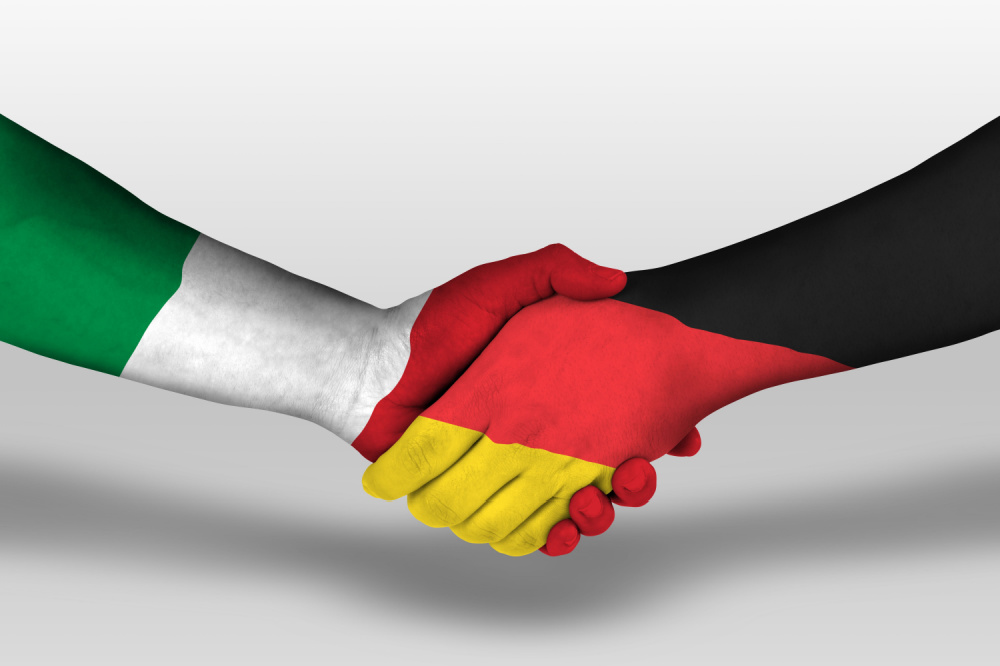
Handshake between germany and italy flags painted on hands, illustration with clipping path

European Defence and Italian-German Cooperation in the Wake of Putin’s War

by Federico Castiglioni , Michelangelo Freyrie

Abstract The Russian invasion of Ukraine has inflicted a significant blow to the EU’s defence strategy, jeopardising its ability to contribute adequately to the transatlantic security architecture and slowing the development of a continental strategic autonomy. In view of this, Germany and Italy should strengthen bilateral defence cooperation, particularly regarding industrial and procurement policies. As Berlin and Rome are two pillars of Europe’s industrial defence basis, closer bilateral cooperation would facilitate EU defence consolidation and enhance Europe’s military credibility. The future Italian-German Action Plan, the specifics of which are still unknown, is an excellent opportunity to establish a joint defence strategy centred on sectors of mutual interest. 1. European defence after 24 February 2022  As we are writing, a full-scale war is unfolding in Europe, with a nuclear power as the aggressor. War crimes against civilians are being committed on a massive scale and – as of June 2023 – more than eight million refugees have crossed the borders to seek shelter in the EU. As put by the European Court of Human Rights, Russia’s unprovoked invasion of Ukraine arguably represents the greatest challenge to human rights since World War II (WWII). The war has deteriorated the global security and macroeconomic environment, while inflation, food emergency and the worsening climate crisis are negatively reinforcing each other. The war deeply affected the European security architecture. In the years prior to the war, the Ursula von der Leyen-led European Commission had already been advocating for the Union to take significant steps to strengthen the EU’s position as a geopolitical player worldwide, establishing a series of tools – such as the European Peace Facility (EPF) and the Strategic Compass – to boost EU defence capabilities. The Russian invasion of Ukraine compelled the EU revise its plans, as it was clear that the bloc was far from prepared to face a crisis of such geopolitical magnitude right across its borders. Policies and tools designed well in advance to cope with hard security challenges would have certainly improved the efficacy of the European response. The absence of such supranational structures of political-military coordination opened the doors to centrifugal tendencies, only partially contained by the urgency to address the calamitous emergency of the conflict. Ostensibly, the inadequacy of the EU as a security provider is one of the key factors pushing some member states – and especially those on the Eastern borders – to rely even more on NATO as a guardian of stability.  The request to join NATO by the Finnish and Swedish governments in the face of the Ukrainian war might be interpreted as a negative signal for the credibility of the EU as a defensive alliance, weakening any perspective of Europe to develop an autonomous defence policy. And while the news may be welcomed by those who see NATO as the primary security provider for the continent, it is less enticing for the EU member states who are not part of the Atlantic Alliance. Contrary to the purpose of the two organisations to “play complementary, coherent and mutually reinforcing roles” on security issues, this cannot occur if European countries are unable to stand on their own two feet militarily and independently contribute to transatlantic security and burden-sharing.  Current EU defence arrangements are currently insufficient to strengthen a European pillar in NATO, let alone leaving the door open for true strategic autonomy. The practical objectives set out by the Strategic Compass (i.e., the creation of a rapid deployable force of 5,000 units) are obviously unfit to face major conventional military challenges stemming from Russia, but also from a potential conflict over Taiwan or in the Middle East and North Africa region (the latter of which features far less prominently in the latest NATO Strategic Concept). Against this backdrop, it is unlikely that in the near future the Compass will play a significant role in reshaping the organisation of CSDP missions of crisis management and capacity-building.  The war may also undermine the EU efforts to strengthen the European defence market, whose integration has long been welcomed also by the US. In this regard, the priority is arguably the development of the European Defence Fund. At the outset, this instrument had a dual purpose: promote the research and development of modern military systems required by the member states and nurture the intraEuropean supply chains. In other words, the EDF was devised to increase the competitiveness of EU defence companies while strengthening the European Technological and Industrial Base (EDTIB). The initial success of the EDF calls, which resulted in the funding of dozens of multinational initiatives, indicates at least some desire on the part of European companies and governments to invest in the project and embrace this political priority. However, already today the EDF budget of just eight billion euro over seven years is a far cry from the investment needed to reduce the fragmentation of a sector wherein the major EU players represent only a portion of the overall internal market. For decades, the EU defence industry has faced stiff competition from the United States, the United Kingdom, and even South Korea, to the point where many non-EDTIB companies now have profound roots in the procurement traditions of member states. As a consequence, the EU industry lags behind international competitors in key sectors such as disruptive technology, as the European Defence Agency (EDA) acknowledged last year. Aware of this situation, the EU Commission in 2022 launched the European Defence Industry Reinforcement through Common Procurement Act (EDIRPA), an instrument that should convey common procurement projects by providing the member states willing to cooperate with both financial incentives and a common procurement platform. However, this platform could even involve associated countries and thus bring into the EDTIB complementary contractors from the UK, Norway, Switzerland, or the US. The effect of this newly established strategy on the EDTIB has yet to be determined and will depend heavily on its implementation; the impact of both the EDF and EDIRPA will be limited if allocations go toward further fragmentation of military stockpiles and will spur additional duplication of capabilities across domains. The creation of a new European main battle tank (also called as the Main Ground Combat System – MGCS) is an example of the limited role that EU procurement might play in the near future. The MGCS has a history dating back to 2015, when it was evident that the EU tank fleet needed an upgrade to keep up with global competition and the EDA was tasked with the responsibility to coordinate the Member States’ investments in R&D. The effort to expedite the delivery of a new model was further accelerated in response to the Ukraine conflict. Yet, in 2022, the only tank project nearing maturity was the new “Panther”, which was the result of a unilateral German initiative led by Rheinmetall and Krauss-Maffei Wegmann. Considering that Italy and France chose to upgrade their legacy tanks and that the only quasi-European programme, the Franco-German MGCS, is hobbling back, the most likely outcome will be the widespread acquisition of nationally developed systems (including the Korean K2) instead of a common European design. Indeed, the never-ending debate over the development of the MGCS is only the tip of the iceberg when it comes to concerns about the EDTIB’s future. Inevitably, the shipment of defence systems to Kyiv will deplete the EU member states’ strategic readiness. To fill the void, the EU nations will most likely initiate a new phase of national procurement to replenish existing stocks. If the procurement of these systems (primarily tanks, artillery, armoured vehicles, missile defence systems, man portable equipment and various kinds of ammunition) prioritises off-theshelf solutions, even if this is in accordance with EDIRPA guidelines, the European Defence Agency’s effort to achieve European interoperability that can embrace NATO standards will be jeopardised. 2. The Italian-German contribution to European defence cooperation  Italy and Germany seem to be on the verge of signing off on an “Italian-German Action Plan” for expanding bilateral cooperation, which is anticipated to encompass a variety of topics ranging from industrial issues to foreign policy. Among the sectors of envisaged cooperation, defence is one of the most prominent. Indeed, the two nations are pillars of the European Defence Industrial and Technological Base and home to renowned prime contractors such as Leonardo, Rheinmetall, ThyssenKrupp AG, and Fincantieri. The investments of these two nations in acquisition, research, and development represent a significant portion of total European military expenditures. This privileged position in the EU landscape makes even more significant the commitment of Rome and Berlin to increase their military spending as a reaction to the Russian aggression. Meeting in Versailles in March 2022, all the EU member states vowed to establish new capabilities and prepare strategic enablers to operate jointly whenever necessary. Nevertheless, the scale and time of this commitment differs between the two countries. Italy should in theory reach the NATO target of spending 2 per cent of its GDP in defence by 2028. The pace of such an increase is very much uncertain, and Italy’s defence budget remains deeply unbalanced, with substantial expenditures focused on personnel costs and few resources directed to exercise and maintenance. Instead, Chancellor Olaf Scholz’s Germany has responded to the Zeitenwende (“historical turning point”) of Russia’s invasion of Ukraine by setting up a one-off fund of 100 billion euro, the Sondervermögen (“special fund”), and a commitment to bring the Bundeswehr’s regular budget in line with the 2 per cent threshold for years. Yet, doubts exist on whether the fund will suffice given inflationary pressures and Berlin’s yawning gap in defence capabilities. It is estimated that Germany will likely need to spend some 300 billion euro worth to put the Bundeswehr in a position to once again be a credible military tool. Differences also exist in the strategic priorities of the two countries. Growing Italian defence investments over the last decade have focused mainly on improving the armed forces’ ability to project power into the “wider Mediterranean”, establishing for instance the carrier strike group Cavour and an amphibious landing group. Germany, on the other hand, is emphasising a return to territorial defence: it recently (re-) instated structures such as a territorial headquarter (Territorialen Führungskommando) for domestic operations and logistical support to allied operations in Europe, putting the Eastern flank front and centre in its strategic outlook.  The disparities in the two countries’ budgetary provisions are thus both qualitative and quantitative, as Italy’s stagnating defence expenditures are allocated differently than Germany’s growing defence budget. This must be balanced against differences in public opinion. Despite Russia’s aggression and the country’s international obligations, the majority of Italians oppose any increase in military spending. In contrast, the German electorate is experiencing change of heart, as it has abandoned long-standing scepticism defence matters and is now massively supporting the government’s stance on strengthening the national military capacity.  The was in Ukraine is offering the opportunity to the two nations to improve their complementarities in several sectors, starting with major investments to plug the holes in basic defence capabilities caused by underspending in ground-based air defence, an improved focus on dual-use technologies, and a promotion of a more integrated procurement process that prioritises ammunition and the development of strategic enablers such as cyber and space capabilities.  A comprehensive political-industrial-military approach would provide Berlin and Rome with a common ground for enhancing their strategic response to the unfolding crisis in Ukraine. Italy and Germany should focus on filling voids in the respective armed forces; more investments in dual technologies such as space capabilities and cyberwarfare, as well as other traditional domains, would also be essential.  The two countries should also commit to joint procurement as the only way to preserve and boost Europe’s Defence Industrial and Technological Base (EDTIB) in the aftermath of an unprecedented spike in demand for defence goods. The stir provoked in France and Italy by the German-led European Sky Shield Initiative, which appears to favour US- and Israeli-made ground-based missile defence systems at the expense of their European counterparts, is revealing: when there is an emergency, there are a few possible trading partners today that could be associated in procurement without compromising medium- to long-term development plans. Therefore, strengthened cooperation in the field of procurement would allow for more transparent communications with international partners, promoting the excellence of the two national industries without fuelling protectionist impulses which would waste resources (or efficiency) on short-sighted projects.  A holistic spending approach, seeking complementarity and rewarding the excellence of small and medium-sized businesses, would be advantageous to the majority of industrial sectors, given the number of prospective investment domains. Italy and Germany are home to a large number of small and mediumsized enterprises (SMEs) in the defence industry, and these firms frequently hold the keys to the two nations’ competitive advantage in sectors such as sensor technology and electronic and cyber warfare. Both nations have a vested interest in influencing European programs, such as the EDF, to more effectively stimulate innovation within their respective defence ecosystems.  Similarly, the two countries should create synergies within initiatives funded through the EDF. Italy and Germany are already working together in the European medium-altitude, long endurance, remotely piloted aircraft system (MALE RPAS) programme, which is a PESCO project co-financed through EDF and managed by OCCAR that has the objective to empower Europe with a modern and competitive intelligence, surveillance and reconnaissance (ISR) system. Interestingly, both countries share similar sensitivities when it comes to the employment of armed drones, despite the fact that Italy decided to arm its drones without the decadeslong parliamentary and public debate that marked Germany’s decision to equip its own Heron TP drones with weapons. Moreover, both Rome and Berlin are extremely cautious when it comes to automation, and military interlocutors in both countries stress the importance of keeping a human in the loop.  Space is another area of potential cooperation. The protection of Italian assets (defence from kinetic attacks as well as cyber threats) feature prominently in Rome’s 2019 National Space Security Strategy. Cooperation with Berlin could boost complementarities in sectors with a strong electronics component. The two nations are jointly working on strategic enablers trough the Defence of Space Assets (DoSA), a PESCO initiative whose goal is providing training for space military operations, space resilience and access to space and in-space operation. Both of these projects – obviously started before the breakout of the Ukrainian war – are evidently connected with the upcoming defence challenges that Europe, and thus the two countries, will be facing in a next future. Cooperation is also feasible in the field of electronics, which entails crossdomain capabilities with dual-use benefits for the civilian sector. In this regard, Leonardo’s acquisition of Germany’s Hensoldt is encouraging, as it could facilitate the establishment of economies of scale in the field and pave the way for new collaborations in other industries. Notably, reciprocal support could be conceivable in the areas of avionics, manned-unmanned teaming and combat cloud technologies. Given Germany’s decision to purchase F-35 multirole jets to replace its aging Tornado fleet, Berlin could greatly benefit from Rome’s special relationship with the US and British aerospace industries, as well as its experience in the F-35 programme via the Cameri production facility. A further area in which cooperation should be reinforced is underwater technologies. In this field, Italian and German companies are already collaborating, and the realisation of the U212 NFS submarine is a good instance of the brilliant results that can be achieved together. Cooperation between Fincantieri and ThyssenKrupp could be furthered also considering the expanding interest in the underwater environment and research in underwater unmanned vehicles (UUVs). Italy’s long-standing necessity to protect its critical seabed infrastructure in the Mediterranean basin makes it an appealing partner to Germany, which is especially alarmed over potential repeats of the Nord Stream sabotage. The establishment of the German-led NATO Critical Undersea Infrastructure Protection Cell may offer some further chances of bilateral and multilateral cooperation in this regard.  Germany and Italy should also do more together on land systems, notably tanks and mechanised vehicles. Germany has a strong European lead in this realm, while Italy has some positive experiences with the Centauro and a non-negligible niche of turret making. The challenge will be to facilitate Italian participation in the Main Ground Combat System (MGCS) project, managed by the FrancoGerman consortium KNDS. From a German perspective, MGCS is supposed to eventually foster a Europe-wide consolidation of land systems technologies and production. An Italian contribution, joining the consortium and transforming it in a true European initiative, would be especially timely given the urgent need for Italy to modernise its armoured fleet, but also to raise Europe’s overall production capacities and match the mounting continental demand for tanks. Furthermore, Italy is currently examining options to create a new hub for land systems, in order to rationalise the current industrial supply chain and procure a successor to the Dardo infantry fighting vehicle (IFV). The offer by Rheinmetall to produce its new Lynx IFV in partnership with Italian companies within the national borders should be carefully considered in order to foster much-needed economies of scale in this domain. Another enticing area of bilateral cooperation for Berlin could be a partnership designed to support its decision to make the Bundeswehr greener. Germany has already demonstrated a developing awareness of the environmental impact of its military activities. This correlation is recognised by both NATO and the EU, and it is believed to be particularly significant in three fields (listed in decreasing importance): static pollution produced by military barracks and other defence buildings; pollution generated by the systems themselves and military mobility; and the dispersion of ammunitions or other wastes, particularly to sea. Italy, for its part, has already devised a strategy to address the dilemma between defence and the ecological transition. The lion’s share of this strategy consists of a plan to control the energy supply of all military installations on Italian territory, renovate vital defence-related infrastructures, and increase the military’s mobility’s sustainability. Research into alternative energy sources for the military, such as solar panels, may reduce the reliance of forward operational bases on petroleum runs, which are particularly susceptible to guerrilla attacks when deployed in contested territories. Conclusions and outlook The so-called Zeitenwende is proving to be all but easy to live up to for Germany, while Italy still has to prove it perceives any urgency when it comes to a change of pace in defence spending. In this situation, cooperation between the two states can help to alleviate the burden imposed by the radical changes both countries will need to implement in their defence policies. Both countries’ defence budgets are currently being increased, but while this was necessary after a long period of underfunding of the respective armed forces, it also comes with some risks. The primary danger is that both Berlin and Rome will use the concept of European strategic autonomy to appease national industrial champions rather than actually implementing plans to strengthen EU defence initiatives. Despite some positive signals, it is uncertain how much of Germany’s 100 billion euro special fund will be invested in multinational strategic armament projects. Similar risks are present in Italy, which badly needs to replenish its stocks after the latest shipments to Ukraine.  The authentic European commitment of the two nations should inevitably result in joint efforts, beginning with technological and industrial advancement. Italy and Germany have declared their willingness to increase their defence expenditures to 2 per cent of GDP, as agreed upon at the 2014 NATO summit in Wales. This old threshold, which after 24 February 2022 has become a starting point rather than a ceiling for many within the Alliance, will not necessarily enhance the EU’s defence profile. In contrast, national increases in the defence expenditures that are not coordinated may paradoxically be detrimental to the strategic autonomy of the EU. As a result of Russia’s invasion of Ukraine, the imperative need of many EU countries to purchase or upgrade weapons has a negative impact on the European industrial base. In the future, countries with a proclivity to cooperate, such as Germany and Italy, should maximise the potential of strategic, industrial and cultural synergies in the defence sector. This cooperation should begin as a bilateral effort within the framework of the forthcoming Italian-German Action Plan and, whenever feasible, translate into bilateral initiatives in the defence industry. Initiating pragmatic projects and generating industrial and political realities is the most effective method to advance European integration. This is something that can be accomplished more easily by beginning with a bilateral perspective while remaining open to the eventual participation of other EU nations.
Defense & Security
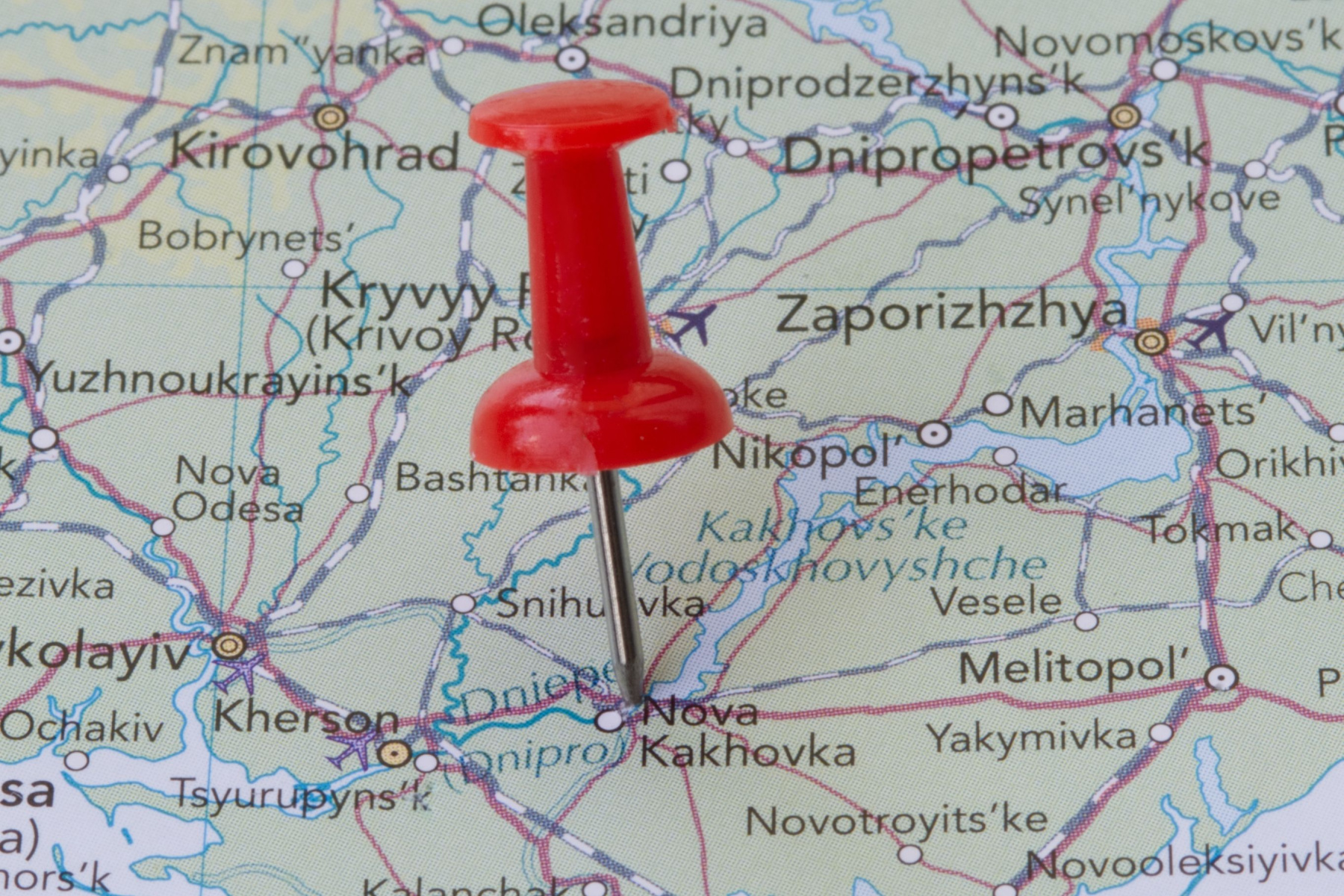
Ukraine map with the red pin showing Nova Kakhovka

What Ukraine dam breach means for the country’s counteroffensive and aid deployment

by Christopher Morris

The humanitarian and ecological challenges caused by the breaching of the Nova Kakhovka dam present massive challenges for Ukraine, as it launches its long-awaited offensive. Mounting operations to assist and evacuate civilians from affected areas will deplete manpower and resources when the conflict is at a critical juncture. This is to Russia’s advantage. While Ukraine has already deployed an emergency response, there is little indication that Russia has either the capacity or inclination to assist in the humanitarian effort. Thousands are expected to have to leave their homes as waters flood dozens of villages. Ukrainian president Volodymyr Zelensky has already called on the international community to offer immediate aid. Kyiv and Moscow have both accused each other of bombing people being evacuated. The circumstances surrounding the destruction of the dam on the Dnipro River remain difficult to determine. But the incident is being discussed as a possible war crime and an act of terror, with Russia indicated as the likely perpetrator. While it will be some time before all the details are clear, the event is certainly going to influence events on the battlefield. An attack of this nature can form part of a military strategy. After all, the destruction of Irpin dam in February 2022 played an important role in checking Russian advances earlier in the conflict. In this case, however, the relatively modest military benefit in no way justifies the massive and far-reaching destruction unleashed by the floodwaters. The rising water levels caused by the damage will, of course, have some implications for the campaign. Downstream any crossing of the river will become difficult for the foreseeable future, with the surging waters damaging any remaining infrastructure. The flooded ground may struggle to bear the weight of tanks and artillery as well, limiting the potential routes south for an attacking force. The scale of the disaster introduces many human factors to the battlefield, with displaced civilians further complicating any operations in the region. The result is that a significant portion of the frontline is now difficult to access, leaving Russia with less space to actively defend. While these are significant considerations and will complicate the nature of the battlefield from the Ukrainian perspective, the fundamental balance of power in the region remains unchanged. Ukrainian forces have demonstrated their adaptability from the outset in this conflict, and this will serve them well in the next phases. Having taken the time to integrate the training and equipment received from western partners, the forces compromising the Ukrainian counteroffensive will be able to effectively adapt to events of this nature. Current operations show that Ukrainian land forces are effectively probing for Russian weaknesses  in the south and east. These smaller advances – so called shaping operations – which provide intelligence and fix Russian forces in place, are taking place across a wide front. Ukrainian leadership remain quiet on specifics, but when its more heavily equipped brigades do move forward, they will benefit from these earlier efforts to shape the battlefield in their favour. Russian troops overstretched The Nova Kakhovka dam’s breach will do nothing to improve the status of Russian forces. While in the short term, there is now perhaps less frontline to defend, their troops are still overstretched. The fractured Russian leadership will struggle to effectively respond to any setbacks, and the equipment and human resources they currently have available remain of poor quality. If Nova Kakhovka was an attempt to replicate earlier events, in which Ukraine submerged the Irpin floodplain to interfere with the Russian advance to Kyiv, then it has not been successful. If it was the eve of a Russian offensive, an event of this nature might have been disastrous for them, with their rigid command structures and traumatised land forces incapable of adapting on the fly. This is not Russia’s moment, however. For the Ukrainian side, this is a setback that can be overcome. As well as growing disparities in training and equipment, the incident highlights the profound difference in the mindset and ability to adapt between the respective sides. Unfortunately, we may see more attacks on Ukrainian infrastructure as the offensive presses on. The Russian state clearly prefers to break what it cannot control. While attacks on civilian infrastructure may have little impact on how the conflict plays out, the Russian strategy is now about inflicting pain on the Ukrainian side by any available means. This could indicate that Moscow no longer views these areas as future Russian assets that can be assimilated relatively intact, but instead as areas it can devastate to harm the interests of the rightful owner.

Defense & Security
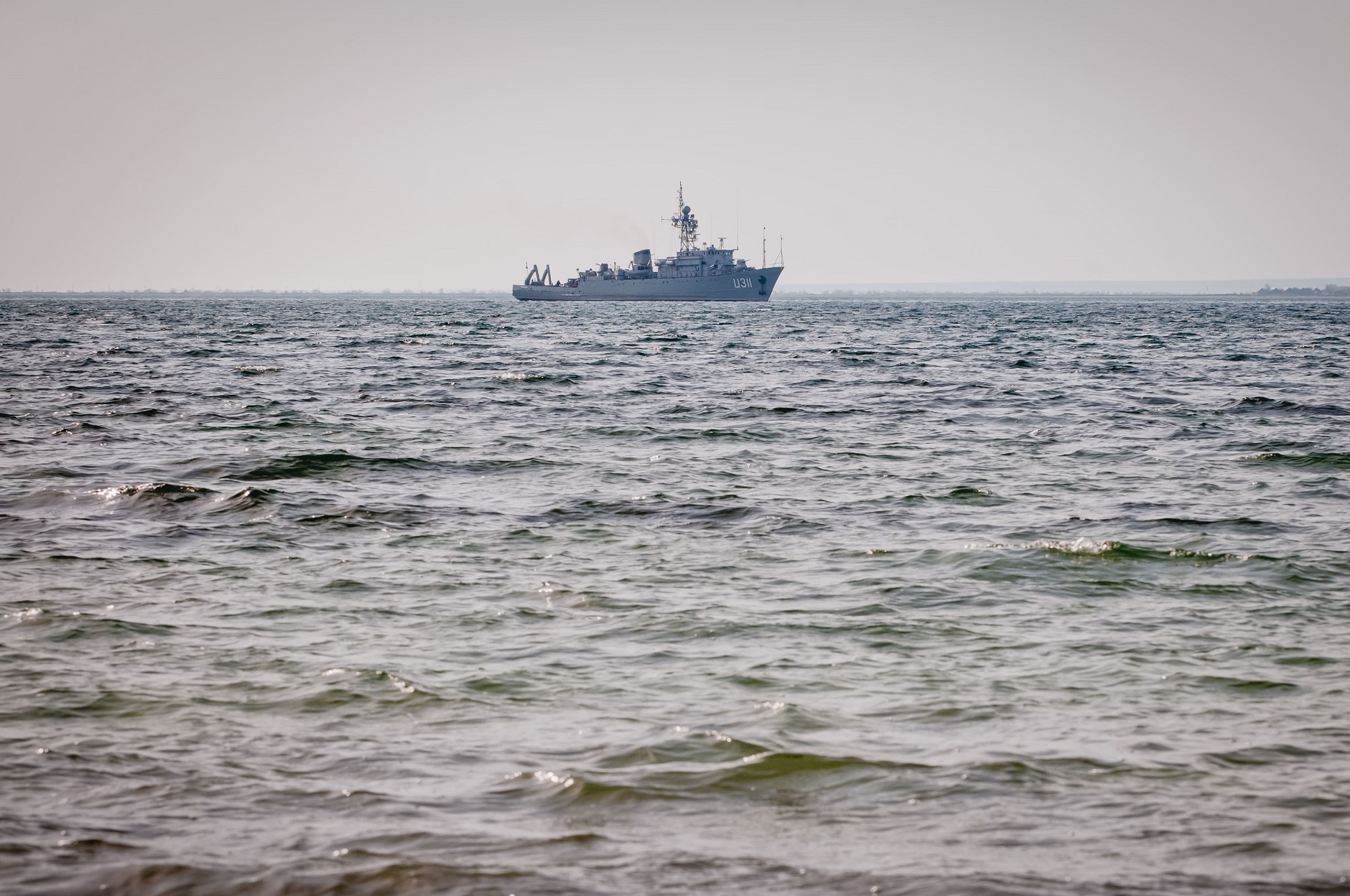
Crimea crisis 2014, Minesweeper U311 Cherkasy of Ukrainian Naval Forces on Donuzlav Lake few hours before it was taken by Russian troops

What goals drove Russia in 2014 and 2015 during the escalation and ongoing conflict in Ukraine?

by Beqa Bochorishvili

In this article we will talk about Russia's goals in 2014 and 2015, it will be analyzed from the categories of diplomacy, economy, and military directions. Throughout various periods in history, the leaders of the Russian state have consistently exhibited a profound fascination with the Black Sea region, particularly the Crimean peninsula and its strategically vital port of Sevastopol. Following Russia's defeat in the Crimean War in 1856, when it was compelled to comply with conditions imposed by France and England, including the relinquishment of its military base in Sevastopol, Russia has persistently pursued routes to gain control over Crimea and exploit its potential for dominating the Black Sea region. This pursuit remains ongoing to this day. During the era of Catherine the Great, Russia seized this strategically significant territory. However, in a later period, Nikita Khrushchev, the leader of the Soviet Social Republic, transferred this region to the Socialist Republic of Ukraine, where it remained under Ukrainian control even after the dissolution of the Soviet Union. Notably, for official Moscow, the port of Sevastopol retained immense importance for its geopolitical interests, as it was controlled through an agreement signed with Ukraine in 1997. This port plays a crucial role in supporting Russia's Black Sea Fleet, enabling it to project power in the region. Its significance was underscored during the 2008 Russia-Georgia war, as well as earlier conflicts like the Abkhazia war, during which Russia deployed its armed forces from the port of Sevastopol. On the Crimean Peninsula before its annexation, there were two separate armies representing Ukraine and Russia respectively. Both sides were perceived as legitimate by the local population, and there was no doubt regarding their legitimacy. As mentioned earlier, in the 20th century, Khrushchev transferred the Crimean Peninsula to the Ukrainian Socialist Republic. However, since both territories were integral parts of the Soviet Socialist Republic, the transfer held more symbolic significance than strategic implications. At that time, nobody foresaw the collapse of the USSR and the subsequent struggle for a new balance of power in the region. Given the substantial Russian population residing in Crimea, fostering active cooperation with the Russian Federation held great importance. Exploiting this situation, Russia employed covert operations, including the infiltration of Kremlin operatives disguised as local militia personnel, to gather information and influence the local climate. Furthermore, the Kremlin carried out a propaganda campaign aimed at stoking skepticism towards both local and central authorities, thereby making the population more receptive to the Kremlin's policies. Undoubtedly, the Russian military played a substantial role in the annexation of Crimea. However, it is crucial to acknowledge the significant impact of Russian propaganda and agitation mentioned earlier. The events of 2014 served as a stark reminder that Russia's relations and attitudes towards the Western world and post-Soviet countries are not isolated or independent matters. Simultaneously, the expansion of the European Union and NATO towards the eastern borders, nearing Russia's vicinity, was perceived by the Kremlin as both a challenge and a threat, seen as encroaching upon Russian interests. Throughout history, Russia has consistently viewed Ukraine as an intrinsic part of the Slavic world, particularly the Russian sphere of influence. It has regarded Ukraine's role as that of a buffer state positioned between Europe and Russia. To impede Ukraine's inclination towards the West, Russia made considerable efforts to redirect its trajectory away from the European Union, utilizing figures like Viktor Yanukovych. Subsequently, following the notable events of the Maidan Revolution in 2014, Russia initiated an active military campaign. These actions underscored Ukraine's pivotal position within the Kremlin's interests, highlighting its significance to Russian geopolitical objectives. The events that unfolded in the heart of Kyiv in 2013, along with the preceding wave of protests, were sparked by the pro-Russian leader Viktor Yanukovych's refusal to sign Ukraine's Association Agreement with the European Union. These incidents escalated into violent clashes between protesters and state security forces, serving as a stark reminder of Russia's unwavering determination to extend its influence over the country. Consequently, by "recruiting" Ukraine into its fold, Russia aimed to establish an axis of absolute power within its leadership, leveraging the collaboration between the two states. Indeed, events unfolded in a manner that resulted in Russia experiencing a significant geopolitical setback. However, this setback did not deter Russia from pursuing its goals. Instead, it deliberately executed a two-fold campaign. The first objective was the annexation of Crimea, while the second involved fomenting a series of protests in eastern Ukraine, which eventually escalated into a full-fledged rebellion. By adopting this approach, Russia aimed to assert its control over Crimea and fuel unrest in eastern Ukraine, furthering its strategic interests in the region. All this was very easy for Russia and it achieved its goals practically without resistance because, at the local level, the local population received the Russian military forces as friendly and considered them saviors. While Putin's actions may appear contradictory to the goal of restoring the Soviet Union, it is evident that his primary objective is to maintain the current political system under his leadership. The ongoing events in Ukraine serve as a demonstration of how crucial internal stability is, particularly for Russian-speaking communities. Preserving his power and leadership within the existing political framework is of utmost importance to Putin. It is worth noting that the Russian economy has faced degradation in recent years, particularly following the 2008 financial crisis. Previously, Putin enjoyed an 80 percent popularity rating with the country experiencing a seven percent annual economic growth. However, the current situation has seen a slight decline in his popularity, now standing at around 60 percent. This decline coincided with a slowdown in economic growth, with the economy shrinking to 1.4 percent per year in 2013. Consequently, Russia, and specifically Putin, feared that this economic stagnation would not be temporary but rather become a systemic and irreversible issue. Russia feels threatened by the West. It is particularly unacceptable for it to expand the European Union, and especially NATO, closer to its borders. The Ukraine crisis has turned into a zero-sum game where the winner gets everything and the loser gets nothing. In 2010, Ukrainian President Yanukovych and then-Russian President Dmitry Medvedev signed the Kharkiv Agreement, which entailed a lease agreement for Russia's Black Sea Fleet in Crimea. This agreement extended from 2017 to 2042 and included provisions such as discounted gas imports worth around 40 billion dollars for Ukraine. The primary objective of this strategic move was to safeguard the sovereignty of the Russian fleet in the region, particularly if Ukraine aligned itself with the Western world. However, it is important to note that Russia's motivations in the Ukrainian and Crimean conflicts were not solely focused on stabilization and de-escalation. Rather, it aimed to secure its naval power in the Black Sea region and maintain dominance over the Black Sea Fleet in Sevastopol. This was done to mitigate potential threats that could undermine Russia's influence in the region. The Black Sea region holds significant economic influence for Russia, serving as a crucial transit route for its energy exports to Europe. Before the 2022 war, Russia accounted for over 25 percent of Europe's total oil exports, with approximately one-third being transported via oil tankers through the Black Sea. Moreover, the region acts as a gateway to the Middle East, facilitating partnerships between Russia and numerous countries. Consequently, the Black Sea region represents a vital economic asset for Russia. By annexing Crimea, Russia was able to secure its naval power and dominance in the area. It had further plans to develop Novorossiysk, one of its largest and most important shipping ports. Additionally, Russia had ambitious aspirations for the renewal of its Navy, which would be considered one of the most significant developments in the future. The implementation of these plans would bolster Russia's provision of navigation and enhance its control of sea lines and communication in the Black Sea. Russia would also increase its military and political exercises to exert control and prevent potential internal conflicts that could pose a threat. By safeguarding its economic and security interests in the Mediterranean, Russia aimed to improve economic dynamics and protect its economy. Overall, these actions aimed to strengthen Russia's position and influence in the Black Sea region. Following the annexation of Crimea, Russia gained the ability to construct and upgrade its bases in the Black Sea region, thereby bolstering its military power without interference from the West or Ukraine. The reconstruction of the Black Sea Fleet enables Russia to maintain sovereignty over Sevastopol and the broader Black Sea region. This provides an opportunity for Russia to enhance and modernize its military equipment, including coastal missiles, ground forces, aircraft, and transit routes. While the annexation of Crimea has granted Russia certain advantages, it has also created new risks of tensions and confrontations in the Black Sea region. Regional and external actors have mobilized against Russia in response to these developments, posing challenges and potential conflicts in the area. It is important to recognize that the annexation of Crimea has not only altered the geopolitical landscape but has also sparked concerns and opposition from various stakeholders in the region. The annexation of Crimea indeed served to bolster Russia's sovereignty and strengthen its control over the Black Sea Fleet, particularly in Sevastopol, as outlined in the Kharkiv Agreement. By gaining control over Crimea, Russia was able to secure and enhance its transit routes for energy exports to both Europe and Asia. Moreover, the inclusion of Crimea within the Russian Federation has reduced the pressure and influence exerted by external actors, most notably the United States and NATO. This has allowed Russia to exert greater control and diminish the influence of these external forces in the region. It is indeed possible to argue that Russia's involvement and motivations in Ukraine and Crimea were not primarily driven by a desire to reduce unrest or protect the pro-Russian population within Ukraine. Instead, the situation with pro-Russians provided a convenient justification for Putin to intervene. By portraying itself as the protector of the pro-Russian population and defending them against perceived Western forces, Putin was able to boost his popularity among the Russian population. Simultaneously, Russia aimed to establish itself as a dominant state in the diplomatic arena, showcasing its ability to assert its interests and challenge Western influence. Therefore, Putin's Russia seemed to have pursued dual objectives, leveraging the situation to both consolidate domestic support and enhance its position on the global stage. It is accurate to recognize that great powers strive to secure wealth and resources, as a strong economy leads to enhanced military power and defense capabilities. In this context, Russia's approach to the Black Sea region can be attributed to its pursuit of rich natural resources and strategic dominance, as well as the potential for profitable transit routes to Europe and Central Asia. The annexation of Crimea has presented opportunities for Russia to strengthen its economy and expand its influence in the region. One of Russia's key economic goals in the Black Sea region is to control important transit routes and energy exports to Europe, given its significant contribution to Europe's oil consumption, accounting for over 25 percent. Additionally, Ukraine plays a notable role in the global grain market, ranking seventh in grain exports in 2014-2015, with 37.9 million tons of wheat. By gaining control over these resources, Russia could secure substantial profits from the wheat trade, exert influence over market prices, and leverage this resource as a mechanism for influencing other states. The economic considerations associated with the Black Sea region align with Russia's aim to strengthen its economy, expand its market reach, and exert greater geopolitical influence. These factors highlight the economic motivations behind Russia's approach and engagement in the Black Sea region. Considering that Crimea now belongs to Russia, it becomes clear that one of the reasons why the annexation of the peninsula was carried out; Economic benefits and a window of opportunity that involves adjusting the role of the main player in the Black Sea region and excluding Western influences. Great powers also seek to gain land power through military means, as this is the best possible way to gain maximum control over the region. This means that the most important military assets for states are land forces, reinforced by strong air and naval forces. In other words, states try to strengthen their military potential to compete with the rest of the world, which consists of territorial hegemons. Before and during the Cold War era, the Black Sea region practically belonged to Russia, but after the collapse of the USSR, it became a more or less vulnerable region. However, in recent years, the actions of the United States and the West have forced Russia to strengthen its power in the region in order not to lose control and influence. In addition, another advantage of the Black Sea region from the Russian perspective is that this area is the way to the Middle East, where Russia has partnerships with many countries. Therefore, the Black Sea is a very important economic asset for Russia. Crimea, especially Sevastopol, plays a very important role for Russia since the Russian Black Sea Fleet is stationed there. After Ukraine's independence, it became Russia's goal to maintain its navy and bases in Crimea. However, the problem, arising in the context of the Ukraine crisis, was the fear that if Ukraine were to be admitted to the EU under the 2013 agreement, it would affect Russia's influence and dominance in the Black Sea in the long term. The Kharkiv agreement would have given Russia the opportunity until 2042 to modernize and expand the Black Sea fleet. The annexation of Crimea, as well as the agreement signed in Kharkiv, increased the presence of the Russian fleet in the region and allowed it to begin the development of the Black Sea Fleet, which is assessed as one of the most ambitious military naval reforms in the region. This would further increase Russia's naval power in the long run. In conclusion, Russia has managed to secure the region for its good and thereby created a wider and better coastline for itself, which will strengthen Russia's military power in the future and thus reduce the influence of external actors on the Black Sea. Russia can improve the provision of navigation and maritime communication lines in the Black Sea. This will further increase military, economic, and political influence and prevent domestic conflicts, as well as eliminate the possibility of external pressures that could undermine Russia's security. Therefore, it can be argued from a futuristic perspective that if Russia's actions like this continue successfully, it will be able to protect its economy as well as its security interests in the Mediterranean.

Defense & Security
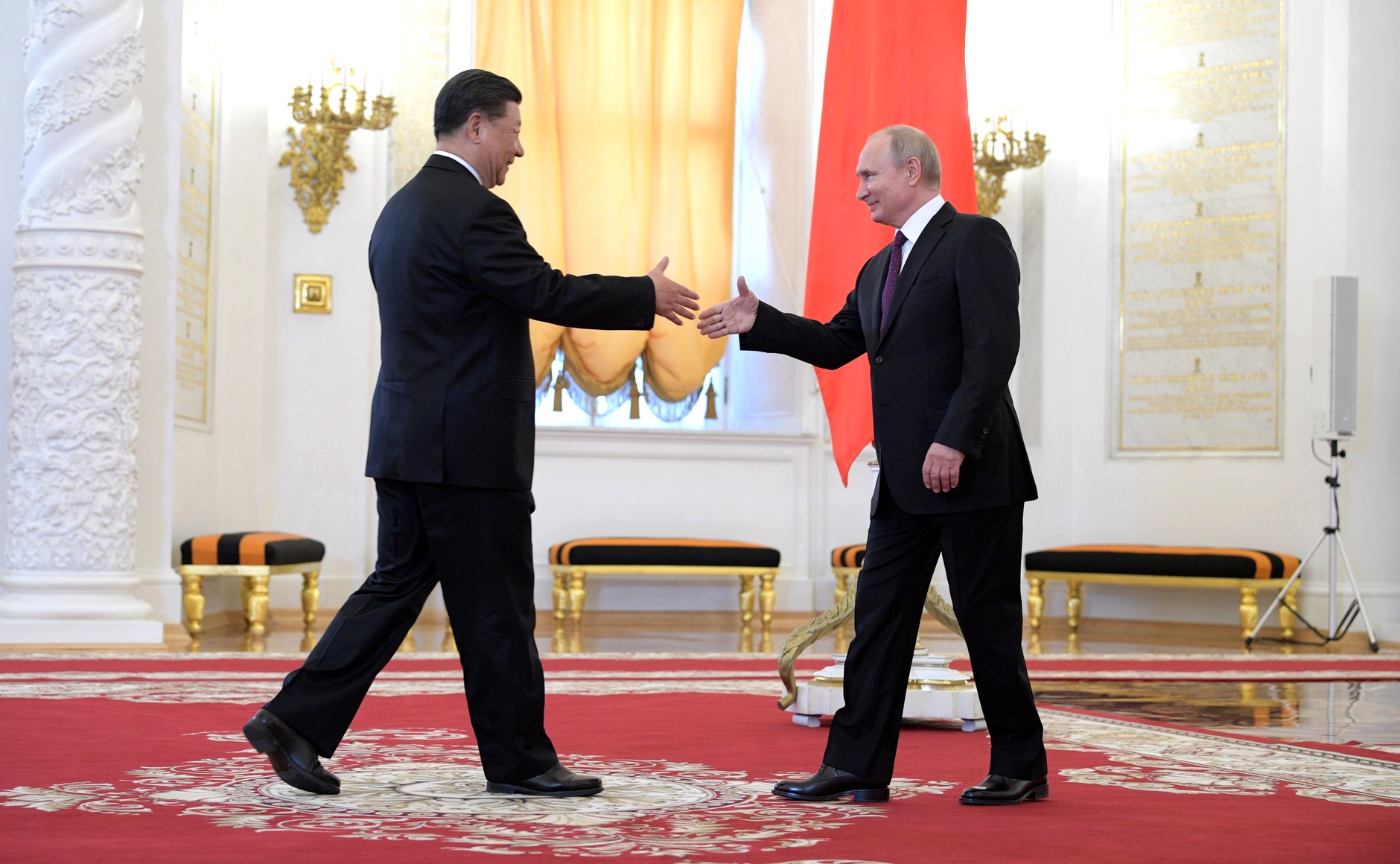
President Xi Jinping shaking hands with Vladimir Putin

The Chinese are not “tolerant”: they are preparing a global counteroffensive

by Yuri Tavrovsky

Moscow-Beijing: combat coordination is growing. Powerful cold currents from the West determine the political atmosphere of the planet. Efforts are being made to counter them with warm currents from the East. Only the synergy of actions between Russia and China prevents the the consolidated camp of hegemony from entering the "final and decisive battle" against each of these recalcitrant powers individually. We are well aware of the situation on the western front of the global Cold War. However, on the eastern front, where there is no Ukrainian-scale conflict yet, tensions are approaching critical levels. Defense-related Chinese trade publications have published some very disturbing material in recent weeks. ... To destroy the latest American nuclear aircraft carrier Gerald Ford and the battle group accompanying it from a cruiser and 5 missile frigates, 24 hypersonic missiles without nuclear warheads were enough. In a computer simulation, rocket launches were carried out from 6 different areas, including even the Gobi Desert in Northwest China. Considered unsinkable, the carrier group was completely destroyed by a series of launches of distracting and damaging missiles. The Chinese took into account the capabilities of both the standard set of anti-aircraft weapons and the latest American SM-3 anti-missiles. According to the scenario described in the Chinese-language Journal of Test and Measurement, the American armada entered the waters of the South China Sea and continued to move in a menacing course, despite warnings. Similar scenarios play out regularly near Chinese shores. Another Chinese publication spoke about the mortal danger of such actions. The South China Morning Post, published in Hong Kong in English, reported that the war between China and the United States could begin in the South China Sea. On January 5, 2021, three US Navy anti-submarine aircraft searched for Chinese submarines near the Dongsha Qundao (Pratas) archipelago. Reconnaissance aircraft, as always, dropped electronic buoys and tracked the routes of Chinese submarines that were participating in major exercises. However, one plane flew too close to China, and Chinese fighters flew in from there. The Chinese regarded the situation as a huge threat to national security. There was a possibility of an armed conflict, and the Americans, taking into account the unfolding actions of the PRC Air Force and Navy, began to prepare for the worst and even destroyed expensive buoys with top-secret equipment. The description of the conflict in the Chinese specialized magazine Shipboard Electronic Countermeasures does not give details of the confrontation. However, everything was very, very serious. No wonder the Chairman of the Joint Chiefs of Staff of the United States, General Mark Milley, made a phone call to the Chinese Minister of Defense a couple of days later, assuring him that the Pentagon had no intention of provoking a real war. He even promised to inform his counterparts in Beijing in advance about the intentions of policymakers in the event of a critical situation. These two sensational publications did not appear by accident. One can only guess how many dangerous situations arise on the line of contact between the military of China and America in the Asia-Pacific basin. But, as the Chinese proverb says, “Heaven proposes, Xi Jinping disposes.” The Supreme Commander, acting at the strategic level of planning and decision-making, is responding to Washington's growing aggressiveness by demonstrating readiness for retaliatory actions on the battlefield and intensifying combat coordination with Russia. Planned for April, Xi Jinping's visit to Moscow was postponed to the end of March, and negotiations with Vladimir Putin lasted a total of 8 hours. Even not so much the published documents as the subsequent events showed qualitative changes in the partnership between Moscow and Beijing. The time has come for all-round combat coordination. It began with hours of face-to-face talks between the two supreme commanders. Soon, Chinese Defense Minister Li Shangfu came to Moscow. After the visit of an experienced and energetic military commander, Chen Wenqing, curator of internal and external intelligence services, arrived in Moscow. Reports of his meetings with the secretary of our Security Council, Nikolai Patrushev, showed the resolute attitude of the chief intelligence officer of the Celestial Empire towards the West. For its part, the Kremlin decided to reinforce the dynamics of combat coordination with a "volley of the main guns." A delegation of high-ranking officials and business leaders headed by Prime Minister Mikhail Mishustin headed to Beijing, unprecedented in size and level. The visit was prepared in a hurry and took place under the vigilant eye of the Western intelligence services. Therefore, the number and quality of signed agreements disappointed the optimists. But the bilateral meetings of officials, bankers and experts of the two countries that took place on the sidelines advanced the ongoing negotiations on strategic areas of cooperation and prepared serious deals. During the visit, influential publications noted the mutual interest of both countries in the accelerated growth of trade. Thus, the Global Times, which is close to the CCP Central Committee, noted the synergy of the two trends. Russia needs to increase the export of raw materials, especially energy. Against the backdrop of a rapid economic recovery, China needs to expand imports of the same oil and gas, agricultural products and other types of raw materials. The development of China's relations with the West repeats the history of the deterioration of Russia's relations with the West. The sanctions already imposed on China will be tightened. Access to sources of raw materials and markets will become a priority for Beijing for the foreseeable future. We should not turn a blind eye to the reaction of some Chinese experts and blogosphere activists to the arrival in Beijing of Mikhail Mishustin at the head of a thousandth army of the Russian elite. The emphasis is not even so much on the vital need for Moscow to receive income from trade with China as on the desirability of not offending the West, leaving the door open for relations with America. However, after 40 years of Chinese-American marriage of convenience, it would be naive to expect a quick change of shoes. There does not seem to be any improvement in relations between America and China, despite Biden's hints and the visit of Chinese Commerce Minister Wang Wentao to the United States. Overcoming the pathological hatred of politicians for China, business people in Washington continue to do business even in the most adverse conditions. In 2022, bilateral trade reached an all-time high of $691 billion. At the same time, the Americans were able to sell their goods to the Chinese for less than 154 billion. The reduction or abolition of duties, which President Trump began to introduce back in 2018 and President Biden is increasing, could help improve the quality and further increase trade. They cost each American family $1,000 a year. However, the prospects for curtailing the trade war are very illusory. The White House and both houses of the US Congress are on the warpath. Any attempt to improve US-China relations ends in scandal—Pelosi's scandalous trip, the big white ball... The same fate awaits current hopes. The visit of Pelosi's heir, Speaker of the House of Representatives Kevin McCarthy to Taiwan is being prepared. At the G7 summit in Tokyo, there was a military coordination between NATO and Japan. China, along with Russia, is designated in the final documents as the main enemy. The bloc's regional headquarters is to be opened in Tokyo. It is impossible to get rid of historical parallels. Similarly, in 1936, Japan concluded the Anti-Comintern Pact with Nazi Germany, directed against the Soviet Union. A few months later, the emboldened Japanese began an all-out war against the Celestial Empire, capturing Beijing, Shanghai, Wuhan and Nanjing in 1937. Only the diplomatic, military and financial assistance of the Soviet Union prevented the capitulation of the Republic of China along the lines of France. Stubbornly resisting China, in turn, prevented Tokyo from attacking the USSR at the already appointed time - August 29, 1941. Then there were two fronts - Soviet and Chinese. Now the situation is repeating itself. The Chinese were not patient. They were defending then. Now, relying on a reliable Russian rear, they launched a counteroffensive. Thanks to Beijing's 12-point peace plan for Ukraine and Xi Jinping's phone call with Zelensky, China is destroying the Yellow Threat stereotype at minimal cost in the European theater and strengthening its image as a peacemaker. There is competition with America. The first study trip to Kyiv, Paris, Berlin, Brussels and Moscow of Special Representative Xi Jinping, Ambassador Li Hui, has just ended. It was preceded by trips of "heavyweights" - Chinese Vice President Han Zheng, foreign policy curator on the party line Wang Yi, Foreign Minister Qin Gang. Another area of China's global counteroffensive is to prevent the West from filling the strategic vacuum in Central Asia. That was the task of the summit of the five countries of this region and China in Xi'an, the ancient capital of several Chinese dynasties. This also meets the strategic interests of Moscow. The combat coordination of the two mighty powers of the Eurasian continent is gaining momentum and taking on new forms. How can one not recall that in March, Xi Jinping, when saying goodbye to Vladimir Putin on the steps of the Grand Kremlin Palace, said: “Now there are changes that have not happened in 100 years, and we are driving these changes.” Putin's answer was short but meaningful: "I agree."

Defense & Security
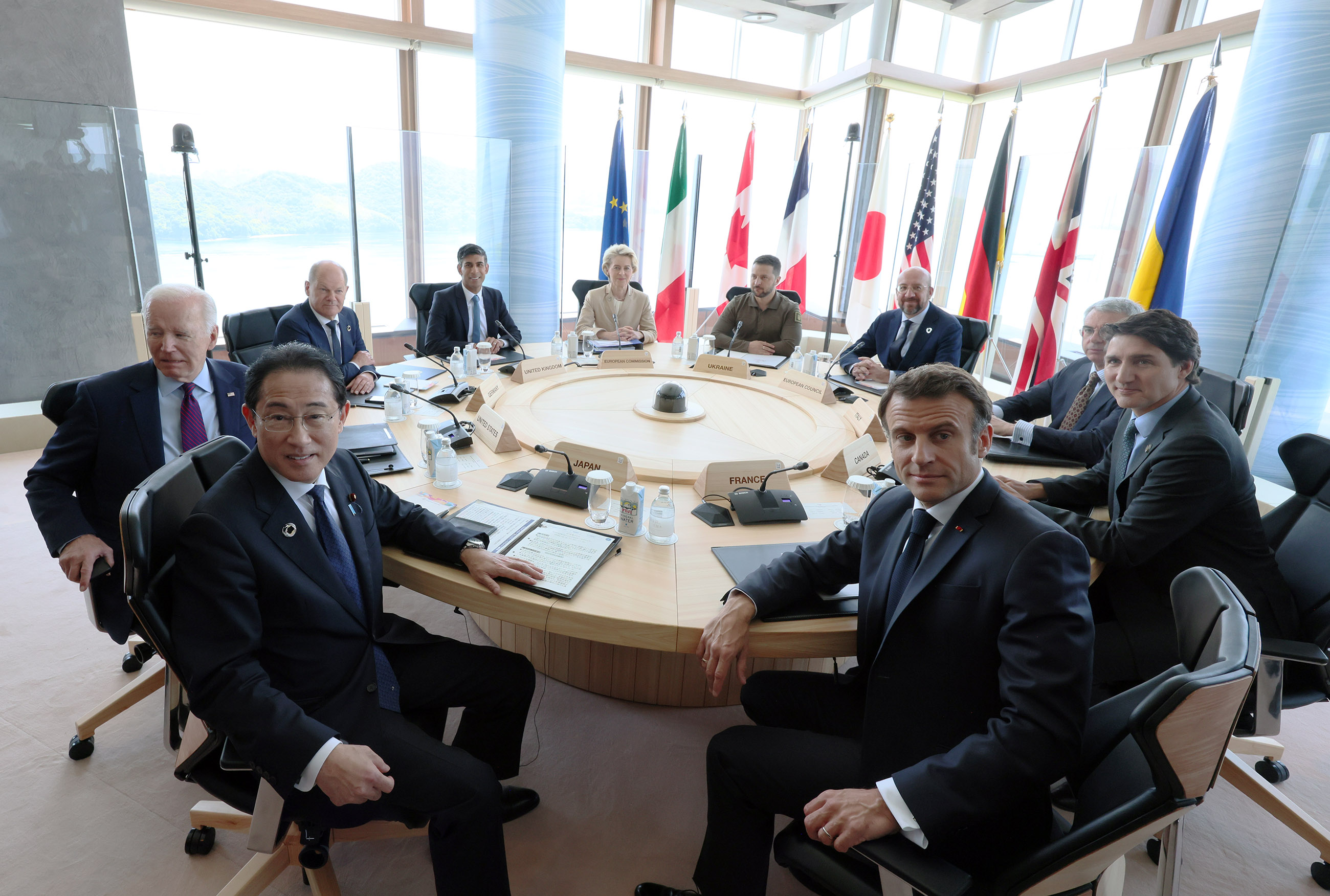
G7 leaders sitting in the tables during Hiroshima Summit

The Hiroshima Summit exacerbates the East-West confrontation

by Yuri Tavrovsky

The meeting of the G7 in Hiroshima has become a new symbol of the combat coordination of the Western and Eastern fronts of the global cold war. These two fronts are designed to pincer Russia and China, to prevent them from continuing to create a world order that rejects the "rules" invented in Washington. On the Western Front, stretching from Finland to Turkey, a continuous chain of military bases has already been created and an open military conflict has been provoked in Ukraine. NATO, which has been preparing for a clash with our country for several decades, has played a key role in coordinating the countries and armed forces of the West against Russia. On the Eastern Front of the Cold War, the same scenario is repeated, but with a time lag of several years. After the failure of hopes for the “constructive involvement” of the Celestial Empire, an open confrontation with it began to unfold in 2018, when a trade, a “color    revolution” in Hong Kong and a massive pumping of weapons in Taiwan began. By that time, the US had military agreements with Japan, South Korea, Australia and the Philippines, but there was no coordinating organization like NATO. Therefore, Washington began to demand that the bloc's "zone of responsibility" be extended to the Indo-Pacific region. In the meantime, the military bloc AUKUS (Australia, Great Britain and the US) was urgently created and the military-diplomatic organization QUAD (Australia, India, the US and Japan) was activated. The successes achieved and the next tasks in building up the front of the anti-Chinese forces of America, Europe and Asia should have been the topic of discussion at the Hiroshima summit. AUKUS and QUAD, in turn, were going to demonstrate a new level of coordination during Biden's trip to Australia to meet with the leaders of the member countries of the two organizations. But something went wrong, and the US President did not fly to Canberra. Among the explanations, the most plausible seems to be Indian leader Modi's unwillingness to draw his country even deeper into Western bloc structures. The triumphal march was not performed upon returning to Washington, not only because of this discrepancy. With regard to “decoupling” with China, different approaches appeared in the ranks of the G7, which were reflected in the final communiqué. A real "divorce" with its largest trading partner does not suit the European members of the G7. The desire to “sit on two chairs” and maintain profitable ties with Beijing without violating the requirements of Euro-Atlantic discipline at the same time is obvious. This is a line of high-ranking visitors seeking a meeting with Xi Jinping, and the words of the communique, designed to be understood by Beijing leaders: “Our political campaigns are not designed to harm China or slow down its economic progress and development.” The communiqué also notes that the G7 does not engage in "divorce" and does not "lock inward." Washington's desire to strengthen the Eastern Front was not crowned with complete success also thanks to Beijing's own "counteroffensive" on the Western Front. The new "counteroffensive" was the mission of China's special envoy, Ambassador Li Hui. He should clarify the official position of the parties to the Ukrainian conflict and talk about different scenarios. Beijing emphasizes that Li Hui should collect information, and not offer ready-made solutions. Therefore, in addition to Kyiv, he will visit Warsaw, Paris, Berlin, Brussels and complete this first trip in Moscow. Prior to Li Hui's tour, China's Vice President Han Zheng, party foreign policy curator Wang Yi, and Foreign Minister Qin Gang visited Europe a few weeks before Li Hui's tour. Even Xi Jinping got involved, talking to Zelenskiy on the phone. Beijing launched this "counteroffensive" in response to the "offensive" of NATO. The bloc's area of responsibility has already been officially extended to the Indo-Pacific region, and a regional headquarters is to be opened in Tokyo. The Chinese may well draw a parallel of the ongoing events with the accession of Japan in 1936 to the Anti-Comintern Pact. A year later, the emboldened Japanese began an all-out war against the Celestial Empire, capturing Beijing, Shanghai, Wuhan and Nanjing in a few months. Only the diplomatic, military and financial assistance of the Soviet Union prevented the capitulation of the Republic of China along the lines of France. China, in turn, prevented Tokyo from attacking the USSR at the already appointed time - August 29, 1941. The Imperial Headquarters did not dare to fight until the end of the "Chinese incident" simultaneously with China and the Soviet Union. Then, for the first time, two interconnected and mutually beneficial strategic fronts emerged. Now the situation of "two fronts" is repeated. Russia's military successes coincided with the G-7 summit in Hiroshima. The Western Front again supported the Eastern. Now the Pentagon will once again analyze the plans for operations around Taiwan. The "combat coordination" of Russia and China began to pick up increased pace after the visit to Moscow of President Xi Jinping. The agreements of the two commanders-in-chief are now being implemented by other leaders. Chinese Defense Minister Li Shangfu and Party curator of China's special services, secretary of the Political and Legal Commission of the Central Committee of the CCP Chen Wenqing visited Moscow. In turn, Prime Minister of Russia Mikhail Mishustin and several hundred heads of ministries and departments, leading entrepreneurs went to Beijing. Although it is unlikely that all of them will be able to achieve a breakthrough on their tracks in a couple of days in the Middle Kingdom, even a short stay in Beijing and Shanghai will help you see the “Chinese miracle” with your own eyes and be convinced in detail of the importance of interaction. After all, the “turn to the East” should take place in the minds of our politically shaping elite, which has not yet got rid of the illusions about the possibility of returning the “good old days” with the West. The China-Central Asia summit, which took place on May 18-19, 2023 in the ancient capital of the Silk Road, the city of Xi'an (Chang'an), can also be considered part of the Chinese "counteroffensive" in response to the "containment" by the collective West. Ahead of us are new summits of NATO and the Group of Seven, new meetings of the leaders of the SCO and BRICS. All of them fit into the logic of the formation of a new global architectonics. A key role in preventing the concentration of Western forces against one or the other of the main competitors - Russia and China - is played by the "combat coordination" of the two countries. It meets the national interests of both nations and therefore will only grow.

Defense & Security
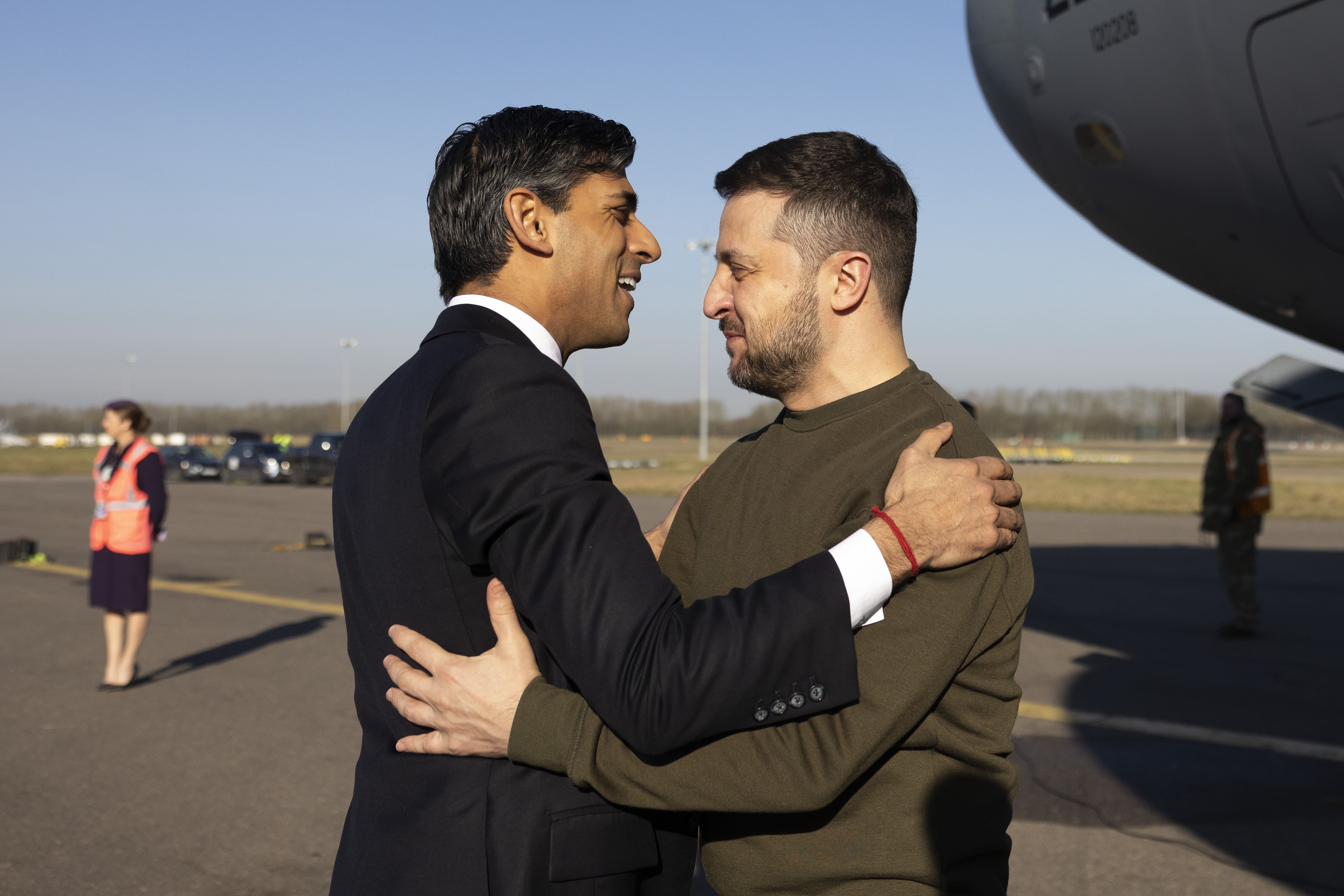
Prime Minister Rishi Sunak greets Volodymyr Zelensky

Zelensky’s European tour has won critical support for Ukraine’s counter-offensive

by Stefan Wolff

Zelensky’s European tour has won critical support for Ukraine’s counter-offensiveAs the war in Ukraine intensifies, President Volodymyr Zelensky has concluded a series of successful visits to Rome, Berlin, Paris and London to shore up support from key allies. The timing of Zelensky’s visit is critical for Ukraine’s efforts on the battlefield and beyond. It has allowed the Ukrainian presidenta and his main European allies to coordinate their approach on the economic and diplomatic fronts of the war as well, which will be equally decisive in determining how this war will end, and when. Military support from his allies has been on top of Zelensky’s agenda during his whistle-stop tour of Europe. And finally, it seems that Ukraine’s European allies are following in Washington’s footsteps and moving beyond their earlier hesitation to provide Kyiv with more equipment for its upcoming counter-offensive in Bakhmut. On Saturday, May 13, ahead of Zelenskiy’s arrival in Berlin, Germany announced a further €2.7 billion (£2.35 billion) of support, including much-needed quantities of artillery ammunition. In addition, German arms manufacturer Rheinmetall confirmed a joint venture with Ukraine’s Ukroboronprom to build and repair tanks in Ukraine. On Sunday, May 14, Zelensky secured promises in Paris from the French president, Emmanuel Macron, for new armoured vehicles and air defence systems. On Monday, May 15, British prime minister Rishi Sunak agreed to provide Ukraine with hundred of attack drones, in addition to the Storm Shadow cruise missiles that have already been delivered to strengthen Ukraine’s air defences. These commitments are important for providing Ukraine with the ammunition, equipment, training and repairs the country needs against a Russian adversary that has significant manpower advantages. This does not guarantee a sweeping success of the anticipated Ukrainian counter-offensive, but it will make serious gains on the battlefield more likely for Kyiv. And it signals a commitment by its western partners to back this offensive with more than encouraging noises.The sanctions gameThe war in Ukraine is not only fought, and can not only be won, on the battlefield. From the beginning, the western approach was twofold: strengthen Ukraine and weaken Russia. The latter was achieved through unprecedented sanctions, with the EU now on its tenth sanctions package since Russia annexed Crimea in 2014. The EU is now discussing the eleventh sanctions package, this time with a focus on enforcing existing sanctions and closing loopholes by imposing secondary sanctions against countries, companies and individuals deliberately circumventing the existing sanctions against Russia. Sanctions will also be discussed at the G7 summit in Hiroshima, Japan, from May 19 to 21. Further measures are expected to target the Russian energy sector and place more limitations on exports to Russia. The four European countries Zelensky visited in the past few days – France, Germany, Italy and the UK – are all members of the G7, while the EU attends as an observer. Including other members the US, Japan and Canada, the G7 represents some of Ukraine’s most powerful partners who will send an unambiguous message to Russia concerning sanctions and their enforcement. This will not break the Russian war machine, but it will make it more costly, including for Russia’s few remaining allies, to sustain the war effort in Ukraine at the current level. Seen from this longer-term perspective, it also makes Ukrainian gains in any counter-offensive more sustainable by limiting Russia’s capabilities to mount any offensives in the future.The third front: diplomacyMeanwhile, Chinese envoy Li Hui is beginning his tour of European capitals, including Moscow and Kyiv, to explore a political settlement for the war in Ukraine. This made it important for Zelensky to be sure that his red lines are clearly understood, accepted and communicated by Rome, Berlin, Paris and London. The support from these European capitals is no longer in doubt. And neither is support from Brussels. Nato secretary general Jens Stoltenberg was clear in his message at the Copenhagen Democracy Summit on May 15: he expects the alliance to commit to a multi-year support programme to help Ukraine move towards Nato military standards. This will be discussed at the Nato summit in Vilnius in July. The EU is considering a new China strategy, including how it can engage with China on the war in Ukraine. The union is open to such an engagement and has cautiously welcomed China’s position paper in this respect. But it is a major win for Zelensky that the president of the European Commission, Ursula von der Leyen, backed Zelensky’s peace plan which, among other things, rules out any territorial compromises. Zelensky’s visits to Rome, Berlin, Paris and London are part of an ongoing positioning of the major allies in this war. For the Ukrainian president, it was critical to make sure that he keeps the west united behind his efforts to defeat Russia. His apparent success in doing so indicates that he presented his European counterparts with a credible plan and realistic requirements for support. Yet it is also clear that Kyiv and its partners in Europe and beyond realise that there will eventually come a point at which they will have to negotiate an end to the war with Russia. The evident strength of western unity and commitment that has transpired over the past few days is as much a message of support to Ukraine as it is one of deterrence for Russia and caution to China. The way it will be received there will determine how soon a negotiated settlement will be possible that restores Ukraine’s sovereignty and territorial integrity.

Defense & Security
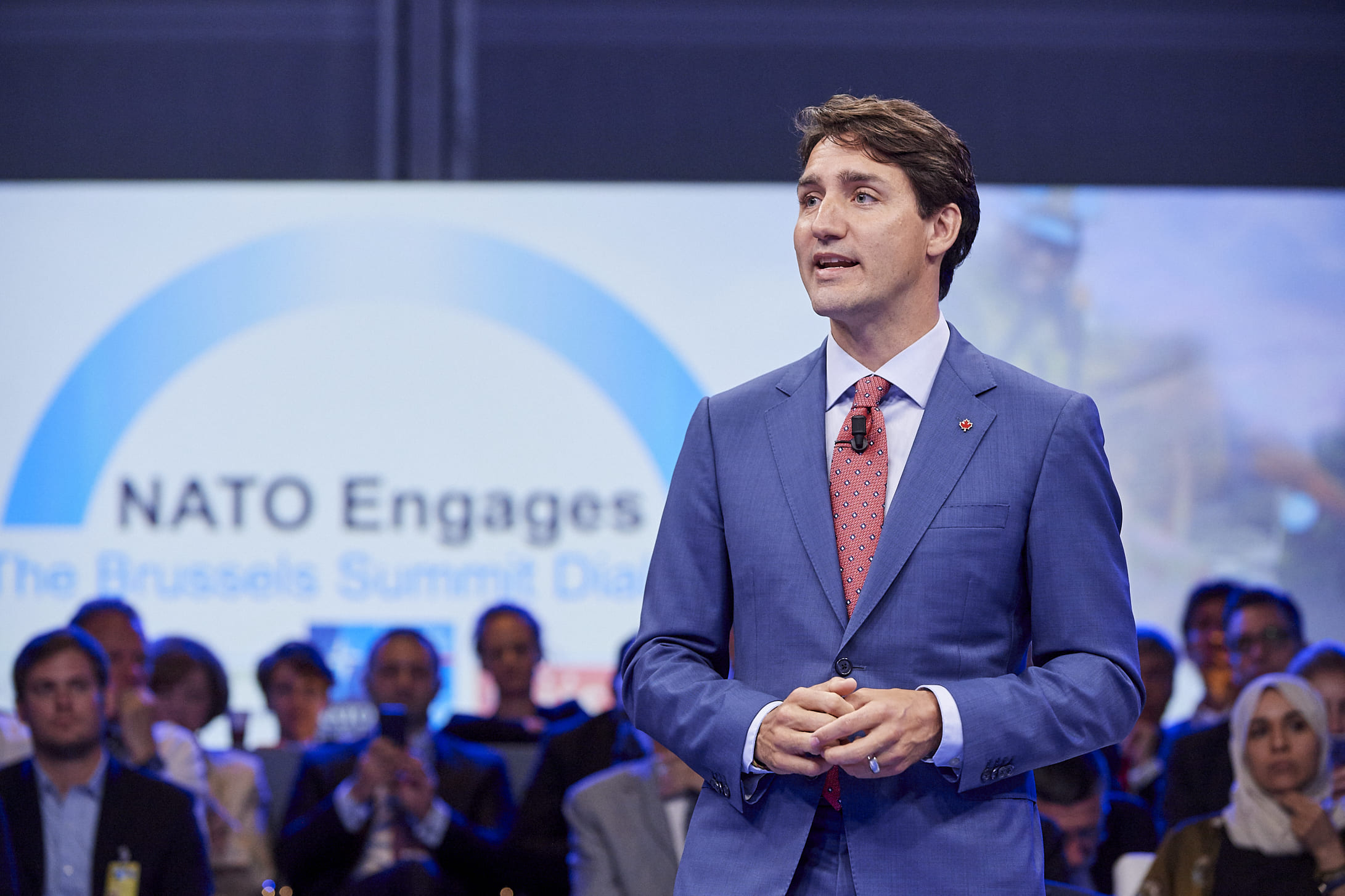
Justin Trudeau - NATO Engages - The Brussels Summit Dialogue

Trudeau Promises Not to Meet NATO's Defense Spending Minimum

by Jane Boulden

Canada will commit only minimal resources to ensuring collective security. At a time of war in Ukraine, and high alert in NATO, such promises are unwelcome and deeply dismaying to all others who have committed to minimum spending goals.  It’s hard to know what’s worse from the Canadian perspective: the fact that the Discord leak revealed that the US Joint Chiefs of Staff were writing about Canada’s military capabilities in a less than positive light or the fact that the Washington Post picked up on the leaked memo and ran it as an exclusive story. The memo refers to an apparent statement by Canadian Prime Minister Justin Trudeau at a recent NATO meeting that Canada would never meet NATO’s benchmark defence spending goal of 2 percent of GDP. What is remarkable is not so much what Trudeau said, but the fact that he said it. Canada’s failure to come close to NATO’s 2 percent goal is longstanding. The fact that the government anticipates being in that position for some time is also not a surprise. To tell close allies that we never intend to get there is something different. The memo makes clear that Canada’s allies, including and perhaps most especially, the United States are unhappy about this, using words such as concern, strain, frustration, and disappointment. More worrying still, the memo states that Canadian military leaders “perceive that politicians do not care about supporting them.” A military struggling to fulfill its obligations in the face of financial stricture is one thing. A military struggling under financial constraint while feeling politically unsupported is quite another. In response to the Post article, the prime minister stressed that Canada is a “reliable ally.” He and other officials pointed to Canada’s commitments and roles on the international stage, including the deployment of approximately 700 Canadian troops to Latvia, where they lead a NATO battle group. But this isn’t about the roles Canada plays. It’s about what it doesn’t do. And what it doesn’t do, and hasn’t done for many years, is to prioritise or even maintain military spending at a level that ensures its own capacity for basic defence, and also its capacity to support allies in a way commensurate to their commitment to us. The memo revelations are unlikely to shame the Canadian government into change. Indeed, if the Canadian people were going to see a change, one of the most likely recent opportunities was in the government budget of April 2022. At that point, and against great odds, the Ukrainians had successfully pushed the Russians out of the north of their country and were making gains in the south. Canada is home to the largest Ukrainian population in the world outside of Ukraine and Russia. Canadians of Ukrainian heritage are deeply entrenched in every aspect of Canadian society, including at the highest levels of government. Beyond the diaspora, Canadian public support for the Ukrainian cause, and dismay at the violation of territorial boundaries, is strong and widespread. If ever there was a moment when the Canadian government could have announced a major increase in defence spending, that was it. It did not happen. At NATO’s core is the Article 5 collective security guarantee, the certainty that each will come to the other’s defence. The iron clad nature of that commitment is central to the organisation’s strength, as witnessed by President Joe Biden’s warning to Russia of the commitment to defend “every inch” of NATO territory when Russia began its advance into Ukraine. It’s what keeps the organisation together and makes states like Finland and Sweden want to join. Saying Canada won’t meet the 2 percent target is not the same as saying Canada won’t come to the defence of its allies if needed. It is, however, the equivalent of saying Canada won’t even try to match the commitment everyone else has made to a baseline of preparedness. The attention on Canada’s dismissal of the 2 percent goal reflects a larger issue – that Canada’s military capacities are limited; that it is incapable of more than one major commitment at a time; that its support for its allies is thus also limited, and that this situation is unlikely to change in the near to medium term. Although allies have been suitably diplomatic in their responses to the memo’s revelations, to say Canada has no intention of meeting the 2 percent goal is a signal of disrespect that has surely not been missed by them. Canada is in a unique position geopolitically. Canada and the US share the longest undefended border in the world. The second largest country on the globe, more than 80 percent of Canada’s population lives within 150 kilometres of the US border. Canada makes a vital contribution to US national security by its simple presence on the US northern border, not just as a firm ally, but as a total non-national security threat. The reverse is also true. Much of the explanation as to Canada’s approach to defence spending can be found in those facts. Canada minimises its defence spending because it can, because it knows that any serious threat to its own territorial integrity will be seen by the United States as an equivalent threat to its own territorial integrity. This implicit “free ride” on defence is both a fact and a choice. And, it is all the more reason to do more, or at least to aspire to do the minimum. So why put up with it? Canada’s strong international reputation has its historical roots in the two world wars. In each case, Canada raised a military that was among the strongest of the allies, and its performance on the battlefield exceeded all expectations. NATO allies know that in a crisis Canada will do its best to support them. The problem is that its best won’t be as good as it could be without sustained and truly substantial increases in defence spending.

Defense & Security
Black Sea region detailed editable map with regions cities and towns, roads and railways, geographic sites

NATO in the Black Sea Region

by Beqa Bochorishvili

In the given article, the focus will be on the North Atlantic Treaty Organization (NATO) as a defining organization of collective security policy, representing the Western Hemisphere in the Black Sea region. The article will discuss the objectives and strategies of the organization, taking into account the role of Russia as one of the most significant actors in the region.  After the Cold War and the dissolution of the USSR, NATO began expanding eastward. Countries such as Czechia, Hungary, Poland, Bulgaria, Romania, Slovakia, Slovenia, Estonia, Latvia, and Lithuania became members of the organization. During the time of the Cold War and the conflict with the USSR, some new members joined the NATO alliance, such as the Warsaw Pact countries (Czechia, Hungary, Poland) and other post-Soviet states, including the Baltic region (Estonia, Latvia, and Lithuania). These actions irritated Russia, especially when the NATO enlargement process continued in the Baltic region. Accordingly, to these events, excitement has followed the representatives of Russia’s Duma. The officials demanded the deployment of troops to ensure security and to enforce the idea of adding additional forces to the region in line with established parameters. However, one important detail is that despite the deployment of troops, several aerial and special operations were carried out in the region of the Baltic Sea, which included disrupting the line of command in the region and affecting the established procedures. An interesting thing that happened in 2009, during NATO expansion in 2009, the Kremlin did not go against the accession of Albania and Croatia, there were indirect statements from officials that the enlargement of NATO on the European continent is disturbing and undermines the security of the continent.  Accordingly, taking into account that each stage of NATO's expansion was exciting for Russia, and this stemmed from the fact that the very idea of this expansion was the formation of a united and strong Europe, which was also a prerequisite for the elimination of Russian influences, official Russia did not take pro-aggressive steps to exclude its proximity to the organization.  Despite Russia's warning that NATO should not expand to the East, this process continued. In 2008, NATO announced (at the Bucharest summit) that Ukraine and Georgia would become members, which Russia saw as a strategic threat, especially when Gorbachev, the leader of the Soviet Republic, was promised that NATO would not go East. The main reason why Russia reacted so strongly to the expansion was due to the geopolitical aspirations of Ukraine and Georgia, which it believed would affect the country's security and strategic interests.  The Black Sea region has always been of great interest to NATO, this basin is a connecting link between the Caspian, Mediterranean, and Aegean seas, it is at the same time a very strategic corridor to connect with the Middle East, which doubled the interests of the great powers in the region, among them NATO. After the end of the Cold War, the Black Sea region is in the interest of the USA and there were 3 specific reasons for this; The spread of democracy, cooperation in the field of security, and third and most important for the US, the diversification of energy resources. On the other hand, the democratic development of the independent states represented in this region and the convergence with the standards of the West and NATO turned out to be critically incompatible with the interests of Russia. It was also unacceptable for Moscow to develop energy projects on the European continent using the Black Sea region without him. Therefore, Russia, in order to prevent the countries of the region from achieving their goals and hindering their Euro-Atlantic integration, created and/or maintained control over the conflict centers in the region, which it then used for manipulation and coercion. In short, regardless of the variety of conflicts in the Black Sea region, each of them was and is being managed under Russian interests, be it the conflicts of Karabakh, Abkhazia-Tskhinvali, or Crimea and Eastern Ukraine.  There are several reasons for the tension between Russia and NATO in the Black Sea region, the first of which is the concentration of a large number of Russian military forces in the region and the resulting conflicts. Second, the region is a kind of springboard where Russian and NATO military forces have to interact closely, which is also a source of constant tension.  On the other hand, It is rather interesting that despite the fact that in many cases NATO member states are driven by common interests, it happens that they have formed different visions for developing tactics to deal with existing challenges. One of the reasons why NATO is not properly represented in the Black Sea is Turkey and its recent policy. For example, in 2001, a multinational military-naval organization named "Blackseafor" was created on the initiative of Turkey. (BlackSeafor(2001). The member states of the organization were; Georgia, Russia, Ukraine, Bulgaria, Romania, and Turkey. By creating this model, Turkey tried to increase its role by weakening NATO's representation in the Black Sea region, it even worked at some level, and one of the reasons why NATO's flank is currently the weakest in the Seven Sea region is the above-mentioned event. However, Turkey has a tense situation with Syria and it needs NATO defense systems, so it has to find a balance in the direction of cooperation between Russia and NATO in order to ensure the security of the region.  However, it should be noted that after joining NATO, Romania becomes an important springboard for the organization. At the Warsaw summit, it was Romania that came up with the initiative to create the NATO Black Sea Fleet, which received positive evaluations both in Berlin and in the NATO headquarters and Washington. Bulgaria used to be more restrained in the Black Sea, thus avoiding provoking Russia too much. But after the war between Ukraine and Russia, the policy has changed, since 2021, Bulgaria has been the head of the NATO naval training operations in the Black Sea, the name of the operation is "Breeze" and it was last held in July 2022, where 24 combat and support boats, 5 military aircraft, 4 helicopters, and up to 1400 soldiers participated. There were several goals and reasons for conducting these exercises, one of which was stated above to increase the alliance's interests in the Black Sea region, and the other was to at least weaken Russia's dominance and maritime monopoly.  The conflict in Ukraine has shown that the events taking place in the Black Sea are directly connected and affect the European security system. It should be noted that before the Warsaw Summit, NATO did not have a proactive plan regarding its role in the Black Sea region (2016). An agreement was reached at the Warsaw Summit, thus highlighting that improving the defense capabilities of partner countries is in direct interest with NATO's interests, which will ultimately strengthen European security. That is why the strengthening of Ukraine's military potential is considered to strengthen the eastern flank of the organization. But until the war is raging and the future/outcome of this conflict is still uncertain, it is rather impossible to speak clearly about the very future of the organization.

Defense & Security
Military of Russian-state funded private military company, Wagner Group

Wagner Group: what it would mean for the UK to designate Putin’s private army a ‘terrorist organisation’

by Brian J. Phillips

The UK is reportedly planning to officially designate the Russian mercenary firm Wagner Group as a terrorist organisation. This would put Wagner on a list with 78 other groups, including ISIS, al Qaeda and newer white supremacist organisations. The UK has had lists of “proscribed organisations” for decades, previously including groups in the Northern Ireland conflict, and then creating a more global list in the early 2000s. Once an organisation is listed, it becomes a criminal offence to belong to the group or support the group – with a punishment of up to 14 years in prison. Dozens of other countries have similar lists. The UK’s proscription of Wagner could be an important global signal – the UK would be among the first to label Wagner a terrorist group. This could encourage other countries to do the same, and possibly discourage countries from working with Wagner in the future. The home secretary has the discretion to proscribe a group if it is involved in terrorism, defined generally as violence to influence the government or intimidate the public for some political or social goal. The minister takes into consideration both the nature of the organisation, and “the need to support other members of the international community in the global fight against terrorism”. Wagner appears to have used terrorism in Ukraine and beyond. For example, two men who reportedly worked for Wagner admitted to killing hundreds of civilians, including dozens of children. The group is also implicated in massacres of hundreds of civilians in Mali, according to Human Rights Watch and other non-governmental organisations. The UK and its allies are supporting Ukraine in its defence against the Russian invasion. As a result, the UK government is within its rights to proscribe the group. But should it? There are some reasons to question whether proscription is the best course of action. It would be somewhat unusual to include Wagner – a company, a for-profit enterprise – with groups like al Qaeda or Boko Haram, which are motivated by radical ideologies more than profits. For this reason, it seems, the US has labelled Wagner as a transnational criminal organisation, and imposed sanctions usually used on organised crime. Wagner also stands out because it works for the Russian state, so it is less of a “non-state actor” (and arguably not one at all) than traditional terrorist groups. However, the UK already proscribes a variety of groups that receive state support, such as Hezbollah. Including state actors alongside non-state actors on a terrorist list can blur the distinction of what is a “terrorist”, and open such lists up to endless expansion, but it has been done before.A symbolic designation It’s questionable how much of an effect UK proscription would have on a group operating thousands of kilometres away. However, the government has expressed suspicion about Wagner transferring money from the UK after financial sanctions were placed on Russian oligarchs. Such actions would become illegal with proscription. Any support for the group, by any person or institution in the UK, would be criminalised. Additionally, my own research suggests that proscription can reduce terrorism when the group operates in a country (like Ukraine) aligned with the proscribing state. International cooperation on counterterrorism is essential. Another study I worked on with Hyeran Jo and Joshua Alley shows that proscription is more likely to be effective when used on groups that depend on funding from private donations, for example from a diaspora community. Making it illegal to associate with or fund a group means their support is quickly eroded, as are their capabilities to carry out attacks. This raises questions about how much proscription would hurt Wagner, which is mostly funded by the Russian state. Proscription might be a helpful addition to the economic sanctions already placed on Russia. But we shouldn’t expect it to have major financial effects on its own on the group’s activities, since Wagner gets most of its resources from Russia. More than direct material consequences, proscription could be important for symbolism. Declaring Wagner a terrorist organisation would further signal international disapproval of the Russian invasion, and it would be a mark of shame for Wagner, which is trying to expand its global footprint. Countries like Mali that hire Wagner might look for alternatives if the group is widely recognised as a terrorist organisation. Negative consequences It is important to note that there can be negative consequences of terrorist proscription. Scholars have shown that it can make it more difficult to end wars. Governments become more hesitant to make a deal with a legally-designated “terrorist”, and third parties are slow to facilitate negotiations for the same reason. However, this might not directly matter for the Wagner case, since Ukraine would negotiate with Russia, not Wagner. There are also reasons to believe that proscription can have negative economic effects. Humanitarian organisations have warned that proscription can create a “chilling effect” on charity donors, non-governmental organisations and other important actors who may want to support civilians affected by these situations, because of concern about inadvertently funding a terrorist organisation, or being accused of doing so. The UK government should keep these concerns in mind and try to mitigate negative unintended effects of proscription. Overall, terrorist proscription might not be the ideal policy tool for Wagner, since the group is a business and not a traditional ideological group. And it’s not clear proscription would affect the group much in the short term, since most of its money comes from the Russian state. However, proscription could be an important global signal, and it could deter potential support for an entity that has clearly used terrorism.

Defense & Security
Radiation sign over Ukrainian map, Nuclear powers station in Ukraine

Ukraine’s Zaporizhzhia Nuclear Power Plant: The Looming Specter of Europe’s Most Serious Risk

by Najmedin Meshkati , Zhamilya Mussaibekova

Located in southeastern Ukraine, Zaporizhzhia Nuclear Power Station (ZNPP) is Europe’s largest power plant that produced 23% of all Ukrainian electricity before Russia's invasion.  This critical energy source is amidst the chaos and destruction of the ongoing Russia-Ukraine conflict, a harrowing struggle that has wrought immeasurable suffering and upheaval upon the region. Following its capture by the Russian forces on March 4th 2022, there have been drastic disruptions to safe energy production and a heightened global concern for nuclear safety in the region. Introduction and backgroundZaporizhzhia Nuclear Power Plant (ZNPP), located in the Ukrainian city of Enerhodar, was built by Soviet design in the 1980s, with its last reactor being connected to the grid in 1995.  Amongst the ten largest nuclear facilities in the world, the Zaporizhzhia power plant consists of six water-cooling and water-moderating pressurized reactors. A global nuclear scare started on February 24, 2022, when Ukraine informed the International Atomic Energy Agency (IAEA) that “unidentified armed forces” have taken control of all facilities of Chornobyl Nuclear Power Plant located in the Exclusion zone. The IAEA appealed for maximum restraint to avoid any action that may put the country’s nuclear facilities at risk and stressed the IAEA’s 2009 General Conference decision that “any armed attack on and threat against nuclear facilities devoted to peaceful purposes constitutes a violation of the principles of the United Nations Charter, international law and the Statute of the Agency”. Later that week, on March 2nd, Russia stated that its military forces have taken control of the territory around Ukraine’s Zaporizhzhya Nuclear Power Plant. The next day, a large number of Russian tanks and infantry broke through the block-post into the town of Enerhodar, just a few kilometers from the ZNPP. Director General Grossi, appealed for “an immediate halt to the use of force at Enerhodar and called on the military forces operating there to refrain from violence near the nuclear power plant.” By March 4th, Ukraine informed the IAEA that the ZNPP had been shelled overnight, and a fire broke out on site. Although no essential equipment was affected, the first military action      resulted in the activation of the IAEA’s Incident and Emergency Centre in full response. At the end of the day, Ukraine announced that Russian forces had taken control of the ZNPP, but the power plant continued to be operated by its regular staff.  At the time, out of the plant’s six reactor units, two had undergone controlled shut down, two were being held in low power mode, one was shut down for maintenance and one was operating at 60 percent power. ZNPP’s dire situation since March 4, 2022Before the conflict, the ZNPP had access to the grid through four high-voltage power lines, but they have now all fallen victim to the fighting. The back-up power lines connecting the ZNPP to a nearby thermal power station are also down. The plant had also previously temporarily lost direct access to the electricity grid but could then still receive power through available back-up lines, or from one of its reactors that was still operating at the time. The Russian conquest was soon followed by disruptions in the electricity supply to the nuclear power plant, one of the seven indispensable pillars of nuclear safety. Less than two weeks after Russian forces seized the plant, Zaporizhzhia lost one of its three power lines. Since then, mainly as a result of shelling or other military action nearby, the nuclear plant has suffered numerous power cuts, mainly as a result of shelling. Although it has emergency diesel generators that are available to provide backup power, a secure off-site power supply from the grid is integral to ensuring nuclear safety.  Thus, following its first complete external power outage in August, Director General Rafael Mariano Grossi set off from the Agency’s headquarters on an IAEA Support and Assistance Mission to Zaporizhzhia (ISAMZ) to undertake vital safeguards activities at the plant.  That October, Zaporizhzhia lost its last remaining external power source due to renewed shelling, and had to rely on diesel generators again to cool the reactor and support other nuclear safety and security functions. In the next week, Zaporizhzhia lost all external power two more times, receiving electricity from a backup system for the third time in a span of ten days. Similar incidents unfolded in November as well, as the IAEA Director General continued to urge for the critical need to demilitarize the zone.  Based on historical data and industry experience, the nuclear industry aims for an average unplanned outage rate of less than 0.1 per reactor per year which statistically would mean less than one unplanned outage every 10 years. Zaporizhzhia Nuclear Power Plant experienced six in the past year alone. Cold shutdown of the ZNPP reactors doesn’t remove the risk – Spent fuel pools need constant coolingThe fission reaction that generates heat in a nuclear power plant is produced by positioning a number of uranium fuel rods in close proximity. Shutting down a nuclear reactor involves inserting control rods between the fuel rods to stop the fission reaction.The reactor is then in cooldown mode as the temperature decreases. According to the U.S. Nuclear Regulatory Commission, once the temperature is below 200 degrees Fahrenheit (93 Celsius) and the reactor coolant system is at atmospheric pressure, the reactor is in cold shutdown. When the reactor is operating, it requires cooling to absorb the heat and keep the fuel rods from melting together, which would set off a catastrophic chain reaction. When a reactor is in cold shutdown, it no longer needs the same level of circulation. It was announced on September 11, 2022 by Energoatom, operator of the ZNPP that it was shutting down the last operating reactor of the plant’s six reactors, reactor No. 6. The operators have put the reactor in cold shutdown and this shutdown has mitigated a risk. Spent fuel pools also need constant circulation of water to keep them cool. And they need cooling for several years before being put in dry casks. One of the problems in the 2011 Fukushima disaster in Japan was the emergency generators, which replaced lost off-site power, got inundated with water and failed. In situations like that you get “station blackout” – and that is one of the worst things that could happen. It means no electricity to run the cooling system. In that circumstance, the spent fuel overheats and its zirconium cladding can cause hydrogen bubbles. If you can’t vent these bubbles they will explode, spreading radiation. If there is a loss of outside power, operators will have to rely on emergency generators. But emergency generators are huge machines – finicky, unreliable gas guzzlers. And you still need cooling waters for the generators themselves. The biggest worry is that Ukraine suffers from a sustained power grid failure. The likelihood of this increases during a conflict, because pylons may come down under shelling or gas power plants might get damaged and cease to operate.  According to one of the IAEA’s latest updates (#154, April 21, 2023):  “As a result of the warmer weather, the operator has started to put reactor Unit 6 in cold shutdown which is expected to be reached by the weekend, leaving only Unit 5 in hot shutdown to produce hot water and steam for the site. The two reactors were in hot shutdown during the winter to provide steam and heating to the ZNPP as well as heating to the nearby city of Enerhodar, where many plant personnel live.” The cooling pumps for the spent fuel pools need much less electricity than the cooling pumps on the reactor’s primary and secondary loops, and the spent fuel cooling system could tolerate a brief electricity outage. Now, at least if the plant loses offsite power, the operators won’t have to worry about cooling an operating reactor with cranky diesel generators. However, the plant still needs a reliable source of electricity to cool the six huge spent fuel pools that are inside the containment structures and to remove residual heat from the shutdown reactors. The serious risk of military actions for spent fuel storage racksOne more important factor is that the spent fuel storage racks in the spent fuel pools at the Zaporizhzhia Nuclear Power Plant were compacted to increase capacity, according to a 2017 Ukrainian government report to the IAEA. The greater number and more compacted the stored spent fuel rods, the more heat they generate and so more power is needed to cool them. There is also a dry spent fuel storage facility at the plant. Dry spent fuel storage involves packing spent fuel rods into massive cylinders, or casks, which require no water or other coolants. The casks are designed to keep the fuel rods contained for at least 50 years. However, the casks are not under the containment structures at the plant, and, though they were designed to withstand being crashed into by an airliner, it’s not clear whether artillery shelling and aerial bombardment, particularly repeated attacks, could crack open the casks and release radiation into the grounds of the plant. The closest analogy to this scenario could be a terrorist attack that, according to a seminal study by the National Research Council, could breach a dry cask and potentially result in the release of radioactive material from the spent fuel. This could happen through the dispersion of fuel particles or fragments or the dispersion of radioactive aerosols.  This would be similar to the detonation of a “dirty bomb,” which, depending on wind direction and dispersion radius, could result in radioactive contamination. This in turn could cause serious problems for access to and work in the plant. According to the IAEA’s latest update at the time of writing this analysis (#155, April 28, 2023): “IAEA experts present at Ukraine’s Zaporizhzhya Nuclear Power Plant (ZNPP) were again forced to shelter this week after missile attack warnings, with the sound of continued shelling in the distance as military activity continues in the region. In addition, one landmine exploded near the site, Director General Rafael Mariano Grossi said today…The increased military presence and activity in the region again underlines the importance and urgency of agreeing on the protection of the plant, Director General Grossi added.”What is going on and what can be doneWe need to begin to realize and emphasize that the need for compromise extends beyond Russia alone. There has been a certain reticence around the acknowledgement that Ukraine, despite being the “aggrieved” country, must also be willing to make concessions.  To designate Russia as the sole provoker of hostilities at the Zaporizhzhia plant is an objective falsity. It would be illogical for Russia to shell the plant once it has already seized control, unless there were provocations from the Ukrainian side. Interestingly, in spite of countless calls to pacify the region from Ukrainian and international diplomatic leaders, The Times of London on April 7, 2023 published a report detailing a failed Ukrainian attack on the Russian-controlled Zaporizhzhia Nuclear Power Plant (ZNPP) that took place in October 2022. Ukrainian special forces launched an attack on the ZNPP, deploying US-provided HIMARS rockets at the site — an attempt that ultimately failed because of a stronger Russian counteroffensive. Any sort of projectiles nearing the site of a nuclear power plant is an inherently hazardous and potentially catastrophic assault, regardless of the origin of the launch.   Given the high stakes involved and the potential for irreparable harm, it is imperative for even Ukrainian forces to exercise restraint and refrain from any military action that could escalate the conflict, including airstrikes on Zaporizhzhia, even if it is under Russian control. Taking into account the tumultuous events that have transpired at Zaporizhzhia this past year, for the sake of preventing a global nuclear disaster, it is pertinent to prioritize nuclear safety. Counterintuitive as it may seem, it may be more prudent for Ukraine to strategically withdraw from the ZNPP site and attempt to repatriate it later in the war, when more comprehensive diplomatic negotiations can happen and Russia potentially depletes its resources.  War, in our opinion, is the worst enemy of nuclear safety. This is an unprecedented and volatile situation. Only through active, pragmatic engineering and nuclear diplomacy can an amenable and lasting solution to this vexing problem be found. In the foreword of President John F. Kennedy’s book, Profiles of Courage, his brother, Robert Kennedy said, President Kennedy was fond of quoting Dante that “the hottest places in Hell are reserved for those who, in a time of great moral crisis, maintain their neutrality” (December 18, 1963).  The potential catastrophic consequences of the Zaporizhzhia nuclear power plant conflict demand action and a willingness to take a stance.  For Ukraine, taking a stance can mean stepping back and protecting the world from a nuclear calamity. The failure to do so risks being condemned to the “hottest places in Hell,” not in a figurative sense, but in a literal one. As the memory of the Chornobyl Disaster of 1986 still lingers, the potential danger posed by Zaporizhzhia's six reactors far surpasses that of the single reactor that caused the Chornobyl disaster. In the unfortunate event of an explosion, the repercussions would be hexfold that of Chernobyl's catastrophic aftermath, marking a somber moment in the history of nuclear power. Despite the uncertainty surrounding the outcome of the  Russia-Ukraine conflict, the end of this protracted war is imminent. Even if we are facing problems that, as Robert Kennedy put it, people “fifty, even ten years ago, would not have dreamed would have to be faced,” it is of utmost importance to prioritize humanity above political objectives.  Following Dr. Henry Kissinger’s advice, Ukraine may like to exercise diplomacy, which “is the art of restraining power”, rather than brute force to repatriate its own Zaporizhzhia Nuclear Power Plant, considering the high risks associated with military action on site. Ukrainians should not shame their military officers if they retreat from Zaporizhzhia, but rather, commend them for their strategic investment into the future prosperity of their country, their continent and possibly, their planet. A true measure of a hero lies not in their victories, but in their willingness to fight for what is right, even in the face of overwhelming odds. Right now, possibly accepting status quo at Zaporizhzhia is, at least in our opinion, what is the most right, but most certainly what is imperative. With Russia’s adamant military politics, Ukraine would be bravely resisting aggression on behalf of the world, on behalf of a future.  We realize that the IAEA has called on Russia and Ukraine to set up a “safety and security protection zone” around the plant. However, the IAEA is a science and engineering inspectorate and technical assistance agency. Negotiating and establishing a protection zone at a nuclear power plant in a war zone is entirely unprecedented and totally different from all past IAEA efforts. Establishing a protection zone requires negotiations and approvals at the highest political and military levels in Kyiv and Moscow.  It could be accomplished through backchannel, Track II-type diplomacy, specifically nuclear safety-focused engineering diplomacy. In the meantime, the IAEA needs strong support from the United Nations Security Council in the form of a resolution, mandate or the creation of a special commission. Admittedly, this is only a stopgap measure. In parallel with the International Atomic Energy Agency’s effort under the leadership of its Director, General Rafael Mariano Grossi, we believe that the U.N. Security Council should immediately empower a special commission to mediate between the warring parties. It could be modeled after the United Nations Monitoring, Verification and Inspection Commission in 2000, and appoint a prominent, senior international statesman as its head. We believe the person should be of the caliber and in the mold of the legendary former director general of the International Atomic Energy Agency, Dr. Hans Blix of Sweden. Blix led the agency at the time of the Chernobyl accident in 1986 and commands respect in today’s Russia and Ukraine. The great Prussian military theorist Carl Philipp Gottfried von Clausewitz once said: “War is a mere continuation of policy by other means.”  These words still resonate today, reminding us that the quest for peace is not just about putting an end to violence, but about forging a path towards progress and prosperity. It is incumbent upon us to recognize that bringing an end to this conflict is not merely a cessation of violence, but a catalyst for the advancement of policy. As we strive towards resolving conflicts and achieving a lasting peace, it is our duty to recognize that this effort is not merely a tactical move, but a transformative one. By embracing a policy-driven approach, we can internalize the true nature of conflict, and use it as a means to move forward and effect real change. So let us be bold, but at the same time be pragmatic, and let us remember the words of Clausewitz as we work towards a brighter future for all. Let us see war not as an end in itself, but as a means to an end – a means to build a world where conflict is a thing of the past, and policy is the key to progress. President John F. Kennedy’s bold vision for political courage and making compromises in his aforementioned book, Profiles of Courage, also beautifully applies to this very context of Ukraine preserving its principles of sovereignty and territorial integrity while tactfully compromising with Russia over safeguarding Zaporizhzhia: “We shall need compromises in the days ahead, to be sure. But these will be, or should be, compromises of issues, not of principles. We can compromise our political positions, but not ourselves. We can resolve the clash of interests without conceding our ideas... Compromise does not mean cowardice. Indeed it is frequently the compromisers and conciliators who are faced with the severest tests of political courage as they oppose the extremist views of their constituents.”