Subscribe to our weekly newsletters for free

Subscribe to an email

If you want to subscribe to World & New World Newsletter, please enter
your e-mail

Energy & Economics
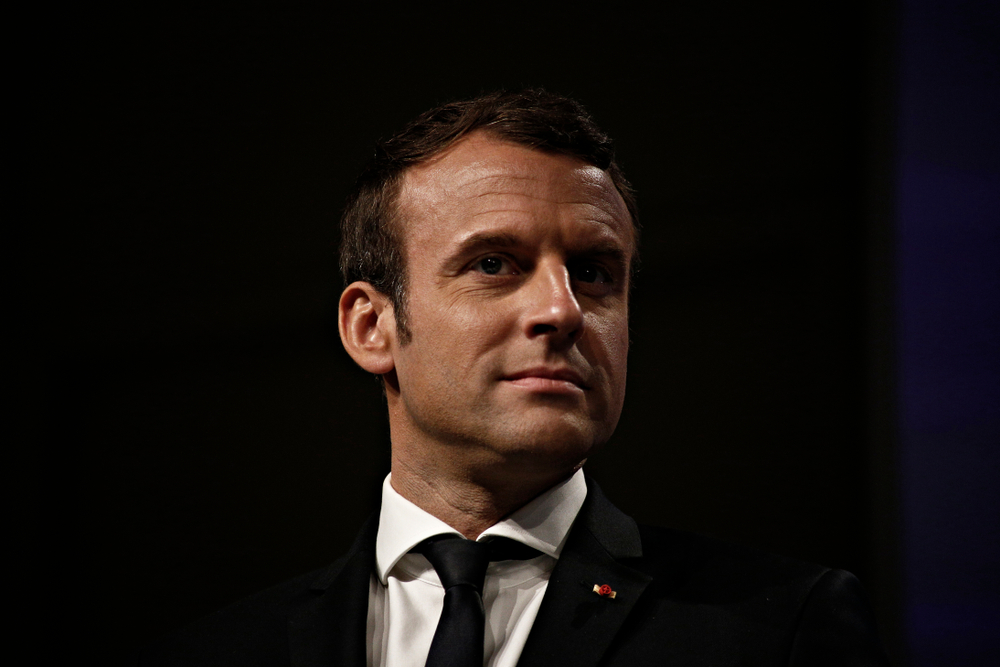
President of France Emmanuel Macron

A north-south lifeline: What Macron hopes to accomplish with the Summit for a New Global Financing Pact

by Dr. Célia Belin , Lauriane Devoize

France is looking to give political impetus to reform of the global financial architecture. Others should swing in behind its gambit  Almost 500 days into the war in Ukraine, Europeans and Americans are anxious about their relationship with the global south. While the transatlantic allies are united, they have been left perplexed by the often tepid reaction of third countries to Russia’s aggression. And the gap between north and south appears only to be growing. The global crises of the last five years – covid-19, Russia’s war on Ukraine, inflation, climate change – have pushed Europeans’ focus inward, while these challenges have plunged much of the developing world into economic decline alongside exacerbating energy and food insecurity. Worse, some of the solutions put in place to overcome these crises – border closures, sanctions, re-shoring – have had major negative impacts on the global south. Meanwhile, the multilateral system has spiralled further into crisis, accelerated by the effects of the US-China rivalry, and has failed to provide relief to developing and vulnerable countries. More deeply affected by this ‘polycrisis’ than the global north, they have much less resource to tackle its consequences: dozens of low-income and medium-income countries now face crippling debt. To start to address these problems, President Emmanuel Macron is holding an ambitious event that seeks to focus political attention on the injustices and inequities of the current global financial architecture. Hurriedly decided on after last year’s COP27 in Egypt, his Summit for a New Global Financing Pact will bring leaders, civil society advocates, private actors, and international financial institutions together in Paris. The gathering’s goal is to find ways to build a more inclusive and equitable financial system, one that enables the climate transition and promotes biodiversity without jeopardising development. From its colonial and post-colonial history, and with its permanent seat on the United Nations Security Council, France maintains many close relationships on other continents. In response to brewing discontent and despair, Macron has stressed the need to address global south grievances, using frequent speeches to do so, whether in New York, Washington, or Bratislava. He is now once again engaged in an ambitious yet hasty endeavour: inspired by COP21 in Paris in 2015, the president believes diplomatic elbow grease goes a long way in mobilising around global issues, and he has made good use of it. As early in his first presidency as 2018, he launched the Paris Peace Forum, an annual event bringing together leaders and civil society to work towards a revived and innovative multilateral order. After President Donald Trump rescinded the Paris Agreement on climate change, Macron launched summit after summit on aspects of the issue (One Planet, One Ocean, and One Forest). To tackle the impact of covid-19 on Africa, in May 2021 France hosted the summit on the financing of African economies. This time, the goal is to reinvent the global financial architecture. Ever since the paradigm shift brought about by the pandemic, Macron has argued for a new approach – a “Paris consensus,” in a reference to the 2015 Paris agreement on climate change – to replace the market-orientated Washington consensus with net zero, sustainable economic development goals. In his view, the metrics used in the past are “not valid any more to fight against poverty, for the decarbonisation of our economy, and for biodiversity”. He is therefore pushing to reform the global architecture to incentivise net zero investments for a sustainable future. Macron’s idea behind the new summit is to give a political boost to an issue all too often discussed only on a technical level, and in silos. No one expects an actual “pact” to be signed, but France – along with the summit’s steering committee, which is composed of states and international organisations – is aiming for a political declaration that would muster firm commitments from world leaders, and force consequences down the line. And world leaders are indeed showing up: the secretary general of the United Nations, the new president of the World Bank, the president of the European Commission, the US Treasury secretary, the president of Brazil, the German chancellor, and the Chinese prime minister are all expected to attend, along with 40 heads of state, one-third of whom will be from Africa. As so often before, Macron hopes to be transformational in record time. The summit planning started with high ambitions, but sources say it has had to adapt due to a lack of time and focus. Initially launched around the Bridgetown initiative of Barbados prime minister Mia Mottley, France had aimed to include topics other than climate, such as health and poverty, and sought a G20 presidency endorsement by India. Unfortunately, Indian prime minister Narendra Modi will be in Washington during the summit and, despite the fact that India is co-chairing the summit’s steering committee and the expected presence of Lula and Li Qiang, the event may not in the end be a show of force for the global south. NGOs have been privately critical of the lack of inclusivity and transparency of the working groups, and disillusionment is running high. Some concrete results could still emerge from the four working groups, if negotiations are successful. Among the ambitions floated are debt suspension clauses for natural disasters, reallocation of special drawing rights, scaling up private capital flows through improved de-risking instruments, freeing up more concessional resources from multilateral development banks, and new international taxes (such as a levy on maritime transport). In an increasingly fragmented world, a united political declaration in support of these changes at the conclusion of the summit would be a win for everyone. However, a more modest but attainable goal from the summit would be the emergence of a “coalition of ambition,” in which a number of committed countries, or “champions,” take on specific challenges and sustain the diplomatic effort beyond the summit in Paris. Many other opportunities to build on momentum created in Paris will shortly follow: the African Climate Action Summit, the SDG summit, the New Delhi G20 Leaders Summit, and COP28 in Dubai. Since this summit has no mandate, it can only be a success if it is able to agree actions that then endure. For global south countries, the gathering should in turn create opportunities to strengthen support for their demands in all these upcoming forums. The success of the Paris summit will also depend on the capacity of states and other major players to take on the challenge – including Europeans. Germany is backing France in this effort, but most Europeans have yet to show their commitment to the process. Thirteen world leaders have penned a declaration of good will in an op-ed ahead of the summit, although without offering specific pledges or a timeframe for results. Unfortunately, the American president will not attend the summit, nor will the Italian, Canadian, or British prime ministers. The choice to stay away may stem from irritation at yet another grandiose French summit. But rich industrialised countries have no excuse for lacking interest in the dire situation of developing and vulnerable countries. It also puts responsibility on France to continue to move the ball forward after the summit – and not be content with the impression that it tried. Even if France may indulge in summit-mania, and however imperfect the event will inevitably turn out to be, Europeans and Americans must realise that France’s solo act is worth supporting. With clear steps taken by France ahead of the summit, such as the reallocation of 30 per cent of its special drawing rights (about €7.8 billion), Macron is defending his concept of an effective multilateralism in action, one that delivers. With Russia seeking to peel global south states away from the West, Europeans and the United States need to take up concrete actions that correct the imbalances of the current system and offer developing countries greater voice and power. By finally accepting that the institutions set up after the second world war must change, they would enhance their own credibility among global south states while escaping multilateralism limbo. The only way to salvage international cooperation – and to push back against the narrative of an inevitable north-south polarisation – is to demonstrate that it bears fruit for all.

Energy & Economics
Russia on World map with countries borders. Stamp Sanctions on Russian territory. Concept of Ukraine war, crisis, economic sanctions, politics, russophobia, travel

How Russia is shifting to a war economy in the face of international sanctions

by Christoph Bluth

As Russia’s progress in Ukraine has stalled, with enormous losses in material and people, the frustrated head of the Wagner mercenary force Yevgeny Prigozhin has called for Russia to shift to a total war economy: The Kremlin must declare a new wave of mobilisation to call up more fighters and declare martial law and force ‘everyone possible’ into the country’s ammunition production efforts. We must stop building new roads and infrastructure facilities and work only for the war. His words echo similar sentiments expressed by the head of Russia’s state broadcaster RT, Margarita Simonyan – an influential supporter of the Russian president, Vladimir Putin – who said recently: Our guys are risking their lives and blood every day. We’re sitting here at home. If our industry is not keeping up, let’s all get a grip! Ask anyone. Aren’t we all ready to come help for two hours after work? Already facing western sanctions since its annexation of Crimea and occupation of territory in Ukraine’s eastern provinces in 2014, Russia has had to adapt to life under an increasingly harsh series of economic punishments. And, while Putin had apparently planned for a relatively short “special military operation”, this conflict has become a protracted and expensive war of attrition. The Economist has estimated Russian military spending at 5 trillion roubles (£49 billion) a year, or 3% of its GDP, a figure the magazine describes as “a puny amount” compared to its spending in the second world war. Other estimates are higher – the German Council on Foreign Relations (GDAP) estimates US$90 billion (£72 billion), or more like 5% of GDP. But the international sanctions have hit the economy hard. They have affected access to international markets and the ability to access foreign currency and products. And the rate at which the Russian military is getting through equipment and ammunition is putting a strain on the country’s defence industry. So the Kremlin faces a choice: massively increasing its war efforts to achieve a decisive breakthrough, or continuing its war of attrition. The latter would aim to outlast Ukraine in the hope that international support may waver in the face of a global costs of living crisis. Equipment shortages Russia has lost substantial amounts of arms and ammunition. In March 2023, UK armed forces minister James Heappey estimated that Russia had lost 1,900 main battle tanks, 3,300 other armoured combat vehicles, 73 crewed, fixed wing aircraft, several hundred uncrewed aerial vehicles (UAVs) of all types, 78 helicopters, 550 tube artillery systems, 190 rocket artillery systems and eight naval vessels. Russia has to contend with several important military-industrial challenges. For one, its high technology precision-guided weapons require access to foreign technology. This is now unavailable – or restricted to sanctions-busting deals which can only supply a fraction of what is needed. Most of the high-tech electronic components used by the Russian military are manufactured by US companies. So it has to substitute these with lower-grade domestic components, which is probably why the Russian military is using its high-tech weaponry sparingly. But the artillery shells on which it has been relying are running short. US thinktank the Center for Security and International Studies has reported US intelligence estimates that since February 2022, export controls have degraded Russia’s ability to replace more than 6,000 pieces of military equipment. Sanctions have also forced key defense industrial facilities to halt production and caused shortages of critical components for tanks and aircraft, among other materiel. Make do, mend – and spend There are clear signs of increasing efforts to address the shortages. According to a report in the Economist, Dmitri Medvedev, deputy chairman of Russia’s security council, has recently announced plans for the production of 1,500 modern tanks in 2023. Russian news agency Tass reported recently Medvedev also plans to oversee a ramping up of mass production of drones. The government is reported to be providing substantial loans to arms manufacturers and even issuing orders to banks to do the same. Official statistics indicate that the production of “finished metal goods” in January and February was 20% higher compared to the previous year. The GDAP reported in February: “As of January 2023, several Russian arms plants were working in three shifts, six or seven days a week, and offering competitive salaries. Hence, they can increase production of those weapon systems that Russia is still able to manufacture despite the sanctions.” So it appears the Kremlin is playing a delicate balancing act of redirecting significant resources to the military and related industries while trying to minimise the disruption of the general economy, which would risk losing the support of large sections of the population. The International Monetary Fund has projected Russia’s economy to grow by 0.7% this year (which would trump the UK’s projected growth of 0.4%). This will largely be underpinned by export revenues for hydrocarbons as well as arms sales to various client countries happy to ignore western sanctions. Meanwhile diversifying import sources has kept stores stocked. However, Russian public opinion pollster Romir has reported that while most people aren’t worried about the absence of sanctioned goods, about half complained that the quality of substituted goods had deteriorated. So ordinary Russians – those who haven’t lost loved ones on the battlefield or to exile – remain relatively sanguine about everyday life. But a longer, more intense conflict, requiring a shift to a total war economy, could be a different matter altogether.

Energy & Economics
Hand of man with a credit card using an atm man using an atm machine with his credit card

Coping with Technology Sanctions in the Russian Financial Sector

by Alexandra Prokopenko

The Russian financial sector has taken a double hit from sanctions – both in infrastructure (affecting financial transactions) and in technology (affecting the hardware and software). Infrastructural sanctions imposed by Western countries in reponse to the war on Ukraine (de-SWIFTing, overcompliance, and breaking of correspondent relationships) affected their operational activity. Moreover, the Russian government banned the use of foreign software and equipment imports, which has been a drag on business development. The financial sector was able to withstand the first shock. However, the most recent restrictions on access to advanced technologies, especially from the US and the EU, will lead to import substitution based on technologies of yesterday.  - Since the war began, every second Russian company has lost tech support and access to cutting-edge technology. - Import substitution leaves tech companies scrambling for what they can get, not what they actually want or need, and stunts business development. - The financial sector is shifting from creating innovations to ensuring technological security and supporting current operations. Following Russia’s invasion of Ukraine, a coalition of Western countries led by the European Union and the United States imposed a large array of sanctions. Since then, the Russian financial sector has taken a double hit, namely sanctions on the infrastructure, affecting financial transactions, and on the technology, like software and hardware, it needs to operate. Infrastructure sanctions restrict banks’ ability to make payments (disconnection from the SWIFT global payments system and overcompliance). Technology sanctions create hindrances to technical upgrades and innovation. Before the war in Ukraine, the Russian financial sector was a world leader: it was third in financial technology penetration, in the top 10 in digital banking development, and fourth in the transition to cashless payments during the pandemic. Since Russia’s invasion of Ukraine and the imposition of sanctions in 2022, it has lost this competitive position.   The sanctions against Russia’s financial sector have largely isolated Russia from access to the global financial system. Inside Russia, however, only a small fraction of Russians have felt these restrictions. Russian payment infrastructure was and remains resilient primarily due to the financial messaging system (SPFS), the Russian equivalent of SWIFT, which was developed in 2014 and through which banks are required to exchange data within Russia. In 2022, traffic in the system increased by 22 percent. There are currently 469 participants, including 115 non-Russian banks from 14 countries. Among the foreign countries, banks in Belarus, Armenia, Kazakhstan, Kyrgyzstan and Switzerland are connected to the system. Due to the risk of new sanctions, Russia’s central bank does not disclose detailed statistics. Direct messaging channels allow for direct international transactions with those banks connected to the SPFS, including those bypassing SWIFT. Minimizing the damage of sanctions that target Russia’s financial sector infrastructure is considerably more difficult. Former partners, even in friendly jurisdictions like some post-Soviet countries, have been slow to help Russia with system-level transactions. It will take considerable time to build new payment infrastructure channels, as the technological constraints are much more difficult. The lack of access to modern technology keeps banks’ IT systems in their current state and impedes fintech development and innovation. Pain and Risk About 85 percent of software used in the Russian financial sector is produced abroad. For hardware, the situation is even worse. Only large-scale assembly takes place in Russia. For this reason, the departure of companies that ensure the viability of the financial sector has been particularly painful for the financial sector - companies like Oracle, SAP, Cisco, IBM, Intel, AMD, Diebold Nixdorf and NCR (ATMs). Every second Russian company was left without technical support after the war began. For Russian banks, it was impossible to quickly switch to domestic solutions, as the right quality and scale were simply not available on the market. Virtually all operations of a modern financial institution, from client services to internal operations, are heavily dependent on the smooth operation of software and equipment. This makes the financial system particularly vulnerable on the technological side. Banks and non-financial institutions may face operational risks due to the lack of servers and software. This could make systems more vulnerable to cyber-attacks, raise the risk of technical failures due to a shortage of equipment and maintenance specialists, and require failing equipment to be replaced with either used Western-made products or Chinese analogues. The Bank of Russia, which supervises the financial sector, pointed out these risks for the first time almost a year after the invasion. Import Substitution Software The withdrawal of foreign companies has left the Russian financial sector with a huge gap in software and services. Also, in October 2022, the government banned Russian banks from using foreign software, a rule that applies even if there are no domestic equivalents. This has forced critical information infrastructure facilities to urgently seek domestic solutions. The combination of these two factors has given a boost to software development in Russia. Thus, according to Ilya Sivtsev, CEO of Astra (developer of operating systems and PostgreSQL database management system (DBMS) based on open source code), the company’s revenue in 2022 doubled to over RUB 6.5 billion (USD 65 million) and the share of its revenues from the financial sector increased from 4 to 22 percent. Astra’s outlook for 2023 is for double-digit growth.  Astra’s figures generally reflect the situation in the Russian IT market in 2022: there was rapid growth due to the departure of foreign competitors. As Deputy Prime Minister Dmitry Chernyshenko, who oversees the industry, reported, IT firms in 2022 grew revenues by 35 percent and earned RUB 2.38 trillion (USD 27 billion). Despite the reduced presence of foreign companies, turnover in the Russian IT market has grown. Switching to Russian software instead of foreign software may not be the most significant challenge, but it is an expense that businesses could have invested in furthering business growth. With all the advantages of the Russian DBMS, migration from the US-made Oracle software may lead to performance degradation of 30-50 percent. This is a serious limitation for the financial sector, whose mission-critical core system (processing, the core of an automated banking system) requires high-speed interaction with databases. The banking applications must also be transferred to the new DBMS. In addition, information security risks that could jeopardize the stability of the financial system have increased. The massive migration to new IT solutions reduces the cybersecurity of the entire system. The growth of the Russian software market is limited by two factors: the Russian government’s permission for companies to use unlicensed foreign software and the country’s own borders. Before the war, Russian IT companies were rather active on the markets of neighboring countries, providing various services (e.g. 1, 2, 3 )–from the integration of IT systems and products to the provision of services to companies and private customers. Russian solutions were often cheaper and technical support in Russian was an important advantage in the regional Commonwealth of Independent States (CIS) market. And while Russian companies were also looking to expand abroad before the war, they will now have to compete there with Western companies that have left the Russian market and whose technological development is not restricted by sanctions. The relationship between customers and integrators running programs to implement products from different vendors has also changed. The customers say, “I want it like SAP, but faster and better,” while the integrators say, “My offer is limited, so take what I have or you will run out too.” In other words, customers have to accept a downgrade in software and hardware capacity for certain technologies. Import Substitution and Hardware Because it was not profitable, the equipment needed for  assembly in Russia is not produced in the country. Until 2022, only large-scale assembly from imported components was carried out in Russia. And the financial sector is not the only one waiting for servers, storage systems, controllers and components – industry, the public sector and retailers are also in line. In their search for equipment, Russian companies have turned to parallel imports, obtaining what they need from countries that have not imposed sanctions. They have also acquiesced to lower requirements for equipment quality and delivery deadlines. However, there are no systemic solutions or supply lines yet. Right at the beginning of the conflict, the US applied the Foreign Direct Product Rule (FDPR) mechanism to Russia. The FDPR prohibits exports to sanctioned countries of equipment that US companies were involved in developing or manufacturing – thus it affects companies outside the US in so-called third countries. This mechanism is primarily aimed at keeping the defense industry from importing technology. However, civilian products that can be classified as “dual-use” (military and civilian) are also largely subject to the restrictions – including the kinds of equipment needed by the financial sector. That has made systematic and large-scale purchases much more difficult. Third countries are willing to restrict technology exports to Russia, and the US is constantly updating its sanctions lists to include intermediaries. Nevertheless, loopholes in sanctions frameworks and delays in sanctions decisions allow Russia more room to adjust, finding new partners in Asia or new ways to bring hardware to Russia. Chinese partners, for example, support Russian companies not only with equipment but also with chips. Shipments of microchips and other semiconductors from China to Russia  are 2.5 times higher than than pre-war level; China now accounts for more than 50 percent of semiconductor imports to Russia. By the end of 2022, China supplied 40 percent of Russia’s imports and purchased 30 percent of its exports, and the RMB had become the only (albeit less convenient due to its incomplete convertibility) alternative to the euro and dollar for Russia’s international payments. In 2022, trade turnover between the two countries reached an astronomical USD190 billion, and it is quite likely that within these imports are sanctioned goods that Russia desperately needs. Reports that China is helping Russia circumvent sanctions, especially in the technology sector, are mounting. The Russian IT sector’s focus on Chinese suppliers and their products – from servers and data center equipment to bulk purchases of consumer electronics – reflects Moscow’s growing and asymmetrical dependence on Beijing. For second- and third-tier Chinese companies, this opens up opportunities to enter the Russian market. For example, Sber, Russia’s largest bank, is testing its own custom-made laptops. Sber’s partner, the Chinese company Shanghai IP3 Information Technology, is a contract manufacturer that takes orders for electronic devices and commissions them from Chinese production facilities. Whereas before the war Russian companies were free to choose their equipment and electronics suppliers, taking advantage of the wide supply on the market to obtain favorable prices, the choice has now narrowed to Chinese manufacturers. The lack of alternatives also forces them to accept less attractive terms. Innovation Inhibited The sanctions bottleneck in both hardware and software is shifting the focus of IT specialists in the Russian financial sector from creating innovations to ensuring technological security and supporting current operations. The most prominent example is the introduction of payment stickers for Russians who can no longer make contactless payments with their smartphones. A payment sticker has an embedded near-field communications (NFC) chip that exchanges data with a payment device. In other words, it is a bank card chip stuck onto an iPhone, as iPhone owners are considered to be the highest-paying target group, and banks have a vested interest in maintaining the usual number and volume of card transactions. Android smartphone owners will still have the option of making contactless payments via a MirPay wallet linked to their domestic payment system card. Frank RG, the Russian financial information publication, estimates that 12 of Russia’s 25 largest banks already offer stickers to their customers. Tinkoff, the leader in innovative banking, plans to issue over 1 million stickers by July 2023. At state-owned Sberbank, over 100 000 people applied for stickers within three hours of their offering. Issuing stickers is more expensive for the bank than standard payment card issuance, bankers acknowledge. Russian financial institutions have become so similar to IT companies that they are almost indistinguishable. Sberbank alone employs 38,000 IT specialists, Sberbank President Herman Gref reported to Vladimir Putin in March 2023. Besides the purely financial challenges, such as ensuring the sustainability of the payment infrastructure, the financial sector needs to work with the IT industry on providing non-sanctioned hardware and software, finding indigenous solutions to replace Western ones, and localizing instead of scaling up. An important but not decisive obstacle to innovation is the mass exodus of IT professionals. Competition for the remaining specialists is fierce and will only increase. The government is making gigantic efforts to keep the remaining skilled workers in the country. The slowness in changing the taxation of departing Russians seems partly related to the fear that most foreign IT professionals who continue to work in Russia will no longer do so. Prospects for the Financial Sector The Russian financial sector’s resilience to sanctions on its financial infrastructure has been limited to Russian territory. The sanctions have largely isolated Russia from the international financial infrastructure. Russia’s demand to allow banks to use SWIFT (e.g. under the Grains Agreement) is a clear indication of this. Technological restrictions and the withdrawal of Western companies from the Russian market may seem less painful at first glance, but this is not the case. Their impact is longer-term: declining quality of hardware and software, forced investment at IT, cybersecurity, and operational risks. And while infrastructural constraints have had only a temporary impact on the ability of the financial sector to operate smoothly, technological constraints have significantly limited its potential for growth and development. The Russian financial sector’s dependence on foreign, especially Western, software and hardware manufacturers is high. This poses a significant risk to Russia’s financial stability, especially if Western countries tighten sanctions against the Russian IT sector.

Energy & Economics
round icons with European Union and Venezuela flag exchange rate concept

A Critical Juncture: EU’s Venezuela Policy Following the War in Ukraine

by Anna Ayuso , Tiziano Breda , Elsa Lilja Gunnarsdottir , Marianne Riddervold

The war in Ukraine accelerated a global energy crisis just as the world was beginning to recover from the Covid-19 pandemic. Venezuela has the largest crude oil and the eighth largest gas reserves in the world and can therefore offer an alternative for Europe to replace its fossil fuels imports from Russia. The problem is, of course, that EU–Venezuela relations have been in a sorry state since the EU denounced President Nicolás Maduro’s re-election in 2018 as neither free nor fair. Since then, the EU has adopted targeted sanctions against the Venezuelan government, thus adding to the maximum economic pressure that former US President Donald Trump imposed on Caracas in an attempt to fatally weaken Maduro. This approach has yielded no result in that respect, and the war in Ukraine, and its energy security implications for the EU, creates the occasion for a revision of EU and US strategies. The hope is that a “more carrots, less sticks” approach could convince Maduro to engage in meaningful dialogue with the opposition. The EU must seize this opportunity of rapprochement and readiness and push forward the recommendations put forth in its electoral observation mission’s report of 2021, reconcile internal disputes to focus on the big picture, give momentum to dialogue efforts, consolidate support among regional allies and rekindle its efforts towards humanitarian relief.A failed pressure strategyVenezuela used to be among the most prosperous countries in Latin America, but is now home to one of the largest external displacement crises in the world next to Syria and Ukraine, according to the United Nations High Commissioner for Refugees. When he came into power in 2013, President Maduro inherited from his predecessor Hugo Chávez a country in economic turmoil, high in debt and on an increasingly authoritarian track. The slump in oil prices in 2014 added fuel to the fire, prompting a wave of unrest to which Maduro responded with repression. He then tried to replace the democratically elected National Assembly, which had an opposition majority, with a loyalist Constituent Assembly in 2017. But it was after the 2018 presidential election, when Maduro secured a second term in what are widely considered rigged elections, that Venezuela descended into a full-blown political crisis. Juan Guaidó, speaker of the National Assembly, used a constitutional clause to declare himself interim president until new elections could be held, backed by more than 60 countries worldwide. In the following years, various negotiations attempts between Maduro and the opposition failed to solve the country’s political dispute, prompting fatigue in the opposition ranks while eventually consolidating Maduro’s authoritarian grip. As the political crisis unfolded, the EU and the United States responded with sanctions against the Maduro regime, although with different goals. The Trump administration pursued regime change through a maximum pressure strategy. Instead, the EU combined targeted restrictive measures with humanitarian aid and support for dialogue and mediation efforts. EU efforts have been hampered by: internal divergences, especially on the recognition of Guaidó as interim president; multipolar competition and the perceived excessive proximity with the United States; and regional fragmentation and polarisation. Sanctions have failed to produce substantial change as Russia and China, and to some degree Iran and Turkey, have continued trade (including in oil) and strengthened economic ties with the Maduro regimeHow has the EU mitigated constraining factors on its policy?There have been two issues over which the EU struggled, even failed, to reach consensus. The first was the recognition of Guaidó as interim president. While most member states eventually did so, Italy and Cyprus dragged their feet, until the issue became irrelevant in early 2021 when the term of the National Assembly of which Guaidó was speaker expired. EU divergences stemmed from the political composition of member state governments and their view of the EU’s role in the world. Left-leaning governments in the EU tended to frame the recognition of Guaidó as a US-led, “interventionist” initiative, while right-leaning governments advocated a confrontational approach to Maduro, including through the recognition of Guaidó. It was a missed opportunity to show EU unity and put the spotlight on the EU’s difficulty to reach agreement over its foreign policy. Second, internal disagreements within EU institutions and member states revolved around the opportunity to send an electoral observation mission to local and regional elections in November 2021, out of fear that this could whitewash the Maduro regime. The mission eventually garnered enough support to be deployed and was later largely perceived as a success by EU member states. The EU electoral observation mission (EOM) produced a report with recommendations that have become the benchmark for the conditions for a free and fair election in the agenda of the Mexico-based talks between the government and the opposition. The region’s fragmented and polarised approach to the Venezuelan crisis has been another factor hampering EU efforts. Trump’s push for regime change, embraced by most Latin American countries led by right-wing governments in 2019–20 (crystallised by the creation of the so-called Lima Group) exacerbated geopolitical tensions in the region. The EU-backed creation of the International Contact Group (ICG) in 2019, which aimed to promote dialogue but did not bear fruit because it coincided with the recognition of Guaidó and the EU's rapprochement with the Lima Group. Regional polarisation was epitomised by the appointment of a Guaidó representative in the Organization of American States, despite Maduro’s decision to withdraw from the pan-American body, and the prolonged stalemate in the Community of Latin American and Caribbean states (CELAC). The EU was dragged into a polarisation spiral where its policies were associated with those of the Trump administration, even though they had different objectives. Besides, Trump’s policy of maximum pressure as an instrument for democratisation proven ineffective in a context of geopolitical competition with China and Russia. Their support for the Maduro regime allowed it to survive, even though at the cost of the country’s descent into economic disaster. Russia in particular also invested political capital by participating in the Mexico talks as the government’s accompanying country.A changed scenario, a new strategy?President Biden’s election and Latin America’s shift towards the left created openings for a more constructive international engagement with Venezuela, which have further widened after the outbreak of the Ukraine war, providing the EU with a new set of foreign policy options. The EU and the US, together with Canada and the United Kingdom, have signalled a willingness to agree to conditional sanctions relief. The Biden administration has permitted American oil company Chevron to resume limited oil operations in Venezuela in exchange for an agreement by Maduro and the opposition to continue dialogue after a year of stalemate. The talks have made no progress other than an agreement to turn up to 3 billion US dollars of frozen government fund into aid to be distributed by the UN and the International Red Cross to alleviate the domestic humanitarian predicament. Although a more concessions-based foreign policy towards Venezuela may not lead to the regime change some have hoped for, it could still make Maduro willing to allow for fairly free and democratic elections in 2024, when his second term comes to an end. However, it is clear that the humanitarian crisis will not be over shortly, and the implementation of the 2022 agreement between government and opposition is proceeding slowly. Increased EU humanitarian aid could help promote goodwill in Venezuela and in the region, and thus is not solely to be considered an altruistic gift, but an important part of the EU’s foreign policy arsenal. Finally, Venezuela and the broader region of Latin America and the Caribbean is not only important due to its natural resources, but an important political partner for the EU in its bid to defend a rule-based global order. This has become ever more evident since the war on Ukraine, which has seen some Latin American countries refusing to pick sides. Over the last few years the political landscape in Latin America changed with the election of leftist presidents in almost all countries in the region, with interest in seeking a negotiated response to the crisis in Venezuela. The International Conference on Venezuela convened by Colombian President Gustavo Petro in Bogotá in April 2023 is an illustration of the region’s renewed engagement on the issue. The upcoming EU–CELAC summit in July, the first in eight years, is an opportunity to engage with regional partners to foster political cooperation on global and regional issues, including Venezuela. The EU’s pragmatic rapprochement with Venezuela offers the prospect for some progress in the negotiations between government and opposition, but it should not be perceived as a relegation of EU’s commitment to democratic norms. The EU should not waste the opportunity to step up its diplomatic engagement with the region and coordination with the US and like-minded countries to ensure that Maduro concedes a real level playing field for the 2024 elections while at the same time pursuing its strategic goal of diversifying energy supplies. This article is brief published under JOINT, a project which has received funding from the European Union’s Horizon 2020 research and innovation programme under grant agreement No 959143.

Energy & Economics
Logo of Global Gateway Project

Digital diplomacy: How to unlock the Global Gateway’s potential in Latin America and the Caribbean

by Angel Melguizo , José Ignacio Torreblanca

If the Global Gateway is to compete with the Belt and Road Initiative, it must go big, green, digital, and ethical. And it can prove it in Latin America  The European Union launched its Global Gateway initiative in December 2021, but its results have not yet matched the expectations it raised. If it is to compete with China’s Belt and Road Initiative (BRI), the Global Gateway must be bold, green, digital, and ethical. The digital alliance that the EU is setting up in Latin America and the Caribbean provides an opportunity for the EU to put its money where its mouth is.  On 14 March, the executive vice-president of the European Commission, Margrethe Vestager, and several ICT ministers from Latin America and the Caribbean established the EU – Latin America and Caribbean (EU-LAC) Digital Alliance – one of the European Commission’s initiatives launched in the framework of the Global Gateway programme. The alliance will focus on three pillars: investments in connectivity, aimed at closing the gap in internet access between the region and the EU, and within and between the countries of the region; cybersecurity, where despite the great progress made by the region, significant gaps remain that threaten citizens, businesses, and sovereign states alike; and digital rights, a field of enormous potential, as both regions share a human-centric approach to digital transformation. The project is of major strategic importance and potential for the EU. Russia’s invasion of Ukraine has given new prominence to the EU’s relationship with Latin America and the Caribbean. The region comprises 33 countries which are key to sustaining a rules-based multilateral order and whose votes China and Russia have courted in the United Nations General Assembly. There are also massive investment opportunities in the green and digital sectors in Latin America and the Caribbean, making it an important region in the EU’s search for strategic autonomy. However, relations between the two regions have gone through numerous ups and downs since leaders first spoke of a “strategic association” at an EU-LAC summit in Rio in 1999. In recent years, the EU financial crisis, the United States’ lack of interest in the region, and the covid-19 pandemic have allowed China and, to a lesser extent, Russia to expand their presence in the region: while EU trade with the region doubled between 2008 and 2018, China’s trade multiplied tenfold thanks to its strategic approach through the BRI, which has added to China’s already significant foreign direct investment flows and loans to the region. The EU is seeking to revitalise this relationship. But for the EU-LAC partnership to be successful, it is essential that these political agreements and declarations are accompanied by a meaningful investment agenda and package, as well as a clear roadmap for implementation. So far, the EU’s approach to the region has focused on programmes such as the Bella submarine cable connecting Europe and the region and the Copernicus Earth observation satellite system, which lack the scale to change perceptions of the EU. For its part, the Global Gateway programme is far from mobilising the €300 billion in investments initially announced, and the €3.5 billion  earmarked for investment in Latin America is insufficient to alter the strategic balance in a region where the required investment just for connectivity is estimated at $51 billion. The digital transition that the EU and the countries of the region want to promote could be the catalyst for a change of step in relations The digital transition that the EU and the countries of the region want to promote could be the catalyst for a change of step in relations. But for this to be feasible, certain conditions must be met. Firstly, if the Global Gateway is to be attractive for the region and effectively compete with the BRI, it must rebalance its geographical focus to pay more attention to the region. At present, 60 per cent of projects are focused on sub-Saharan Africa, while only 20 per cent are devoted to Latin America, and another 20 per cent to Asia. It should then focus more efforts on digital initiatives: currently, energy and green transition initiatives make up 80 per cent of projects, while digital initiatives account for 15 per cent and social initiatives for 5 per cent. The projects identified in the digital field are almost exclusively focused on connectivity issues, such as financing fibre, cable, satellite, and 5G investments. Closing connectivity gaps is urgent. Currently, over 35 per cent of Latin Americans still do not have access to a fixed broadband internet connection, and 20 per cent do not have mobile broadband access  – twice the average for OECD countries – concentrated in the lowest income quintile and rural and remote areas. However, the digital agenda in 2023 must be one of transformation, not just connectivity. It should therefore include issues such as cybersecurity, the digitisation of public administrations and services (including health, migration, justice, and taxation), training and education in key skills, the regulation of artificial intelligence, and data governance. Alongside the deployment of 5G and investment in digital, technical, and soft skills, this would bring the financing requirements for the region closer to $300 billion, which is 3 per cent of regional GDP. To address these geographical and thematic imbalances, the region therefore requires a more intensive European investment plan. The Global Gateway envisages mobilising private financial resources by setting up co-financing mechanisms from development banks, in particular the European Investment Bank, the CAF bank, Central American Bank for Economic Integration, and the Inter-American Development Bank. Despite the current meagre projections, it should be possible to mobilise the funding. After all, the EU is the leading foreign direct investor in Latin America, its telecom companies are global players, it plays a pioneering role in digitalisation in banking, insurance, infrastructure, energy, public services, industry, agriculture, and mining, and it holds first-class cybersecurity and hybrid threats capabilities. The launch of the digital alliance is expected to be accompanied by a business meeting of key Euro-Latin American companies, which, if confirmed at high-level, is a promising sign.   The EU’s digital agenda is attractive to third parties compared to China’s BRI because it includes green, social, and ethical components, making it an ally of the green transition, not a competitor. Many of its initiatives contribute to both digital and green goals, including the development of the ‘internet of things’ for the design of smart cities, the use of big data and cloud data to monitor the temperature of the oceans, and artificial intelligence applied to the protection of biodiversity. Europe’s rights-based, human-centric approach to digitalisation should also appeal to Latin America and the Caribbean. The region is seeking to align its approach with that of the EU, with a special focus on social, gender, and territorial inequalities and inclusiveness, which are not Chinese priorities. The cost of these inequalities is huge: achieving full gender parity in Latin America would expand the region’s GDP by $2.6 trillion – the equivalent of Brazil’s economy. Closing the internet access gap and investing in skills will help reduce these inequalities in the region, especially among women and in rural areas, and help younger generations. The Global Gateway has been criticised for over-promising and under-delivering. The EU-LAC Digital Alliance offers an opportunity for the EU to show the worth of the Global Gateway and demonstrate that it can offer an alternative to the Chinese Digital Silk Road.

Energy & Economics
Almerimar, Spain: desert landscape with many plastic greenhouses and an old abandoned truck

Spain prays for rain on the plain

by William Chislett

Spain is suffering a prolonged drought, sparking water rationing in some parts of the country because of depleted reservoirs, causing the wildfire season to start months earlier than usual and destroying crops or farmers deciding not to plant them, which could push up food inflation (13% in April).  April was abnormally hot. The state meteorological agency Aemet said temperatures were between 7ºC and 11ºC above the average, making that month the hottest since records began in 1961. The temperature at one point in Andalusia reached an unprecedented 38.8ºC in Córdoba, underscoring Spain’s vulnerability to climate change. The temperature cooled down in May, but there was very little rain.  Spain’s dramatic situation came as the World Meteorological Organisation predicted that annual average temperatures will most probably break records again in the next five years.  So desperate are people for rain that parishioners in the Andalusian city of Jaén held a procession this month, bearing aloft a statute of Christ known as El Abuelo and calling for the first time since 1949 for the Lord to open the heavens and bring rain.  The Socialist-led coalition government announced an unprecedented €2.2 billion package of measures, including increasing the availability of water by building desalination plants and doubling the proportion of water reused in urban areas. Olive oil production –Spain accounts for 45% of the world’s supply– could be more than halved this year. The government also announced legislation that will ban outdoor workers when the meteorological office issues high temperature alerts. This followed the death of a Madrid street sweeper during last July’s heatwave.Drought is not a new phenomenon in Spain, but this one is something extraordinary. Spain has not had ‘normal’ levels of rain for three years. Just 12 litres per square metre of rain fell in the first three weeks of April, one-quarter of the normal amount. In early May, 27% of Spanish territory was in either the drought ‘emergency’ or ‘alert’ category, creating a tinderbox. Blazes ravaged 54,000 hectares of land in the first four months of the year, three times the amount in the same period of 2022, according to the European Forest Fire Information System (EFFIS).  Spain’s last severe drought was in 1993-96 when around one-quarter of the population was subject to water restrictions. Some towns in Andalusia had supplies cut off for more than 15 hours a day. In 2008 a prolonged drought forced the authorities to bring in water to Barcelona via boat to guarantee domestic use. Catalonia is again one of the most affected regions. Restrictions in many areas have been in force since March, including limiting showers to five minutes, banning the cleaning of cars and the watering of gardens. At the town of L’Espluga de Francolí (population 3,600), water supplies are turned off for nine hours during the night. The Sau reservoir, a key drinking water source, is so low that a medieval village, flooded when the reservoir was created in the 1960s, has emerged.  Rain is very unevenly distributed in Spain. The areas with the highest water abundance per surface unit are in the north and Galicia (known as the ‘wet’ Spain), much more sparsely populated than in the south, in particular, with values higher than 700 mm/year. A popular saying among Galician farmers –la lluvia es arte– (‘rain is art’) was once turned into a tourism slogan. In the rest of the country (the ‘dry’ Spain), water availability does not exceed 250 mm/year. The lowest water availability in Spain occurs in the Segura basin, where it does not reach 50 mm/year (around 20 times less than in Galicia and five times lower than the national average).  In the late 1970s the Spanish government turned Murcia, Alicante and Almería in the south-east –an area where water is minimal and none of the major rivers flow– into ‘Europe’s market garden’ by transferring water from the Tagus through the 300km Tajo-Segura Trasvase, a system of pipelines and an aqueduct. This feat of hydraulic engineering was originally planned during the Second Republic in 1931, built during the Franco dictatorship and put into service after the dictator’s death.  In a country with 17 regional governments of different political colours, as of the 1978 Constitution, water management is a sensitive issue that crosses boundaries and inflames sentiments. One of the major providers of water for the trasvase is the vast reservoir at Buendía in the region of Castilla-La Mancha, where I have long had a house. Farmers there feel aggrieved when they are restricted in using ‘their’ water because it is needed elsewhere. The trasvase has long been embroiled in disputes over how much water should or should not be transferred through it.  Farmers in the south-east benefiting from the trasvase, who produce around 70% of Spain’s vegetables and a quarter of fruit exports, are up in arms over the plans of the Socialist-led minority national government to raise the minimum level of the Tagus at source as this will result in less excess water being transferred. The level needs to be increased in order to remain in line with EU regulations on river water levels, following court rulings. Ecologists say the Tagus is at risk from overexploitation by agriculture and climate change. The plan aims to increase the river’s flow from 6 cubic metres per second to 8.6 cubic metres by 2027.  Without sufficient water, 100,000 jobs are at risk, according to the farming association SCRATS. The father of the novelist Antonio Muñoz Molina, who had a market garden in Úbeda, Andalusia, used to greet ecstatically the year’s first rain with the following words: Es lo mismo que si estuvieran cayendo billetes verdes (‘It’s as if it were raining green banknotes’, in reference to the 1,000 peseta notes at the time).  The politics of the trasvase are complicated: the Socialists control the region of Castilla-La Mancha and back the national government; Valencia, which Alicante forms part of, opposes the plan, despite being also governed by the Socialists, as does Andalusia, where Almería is located, and Murcia, both of them regions run by the conservative Popular Party (PP).  Farmland surrounding the Doñana national park, Europe’s most important wetland and a UNESCO World Heritage site, has been particularly prone to illegal wells. The authorities have long turned a blind eye. Virginijus Sinkevičius, the EU’s environmental chief, attacked a plan last month by the government of Andalusia to increase the amount of irrigable land around Doñana by 800 hectares. This would be tantamount to an amnesty for the strawberry farmers who have already sunk illegal wells there. He said the bloc would use ‘all the means available’ to make sure Spain complied with a 2021 European Court of Justice ruling condemning it for breaking EU rules on excessive water extraction in Doñana.  Farmers switched some years ago from olives to strawberries and other berries, which consume more water. Close to half of Spain’s aquifers are already in poor condition. Before 1985, groundwater was treated as private property and thus not subject to any regulations.  In another part of Andalusia, near the city of Malaga, the Civil Guard arrested 26 people in raids on illegal wells. The Guard’s environmental crimes division identified 250 infractions by fruit farmers. Spain is Europe’s biggest producer of tropical fruit.  Prime Minister Pedro Sánchez called the drought ‘one of the central political and territorial debates of our country over the coming years’. Resolving the water problem will require a national political consensus, something that is woefully lacking in so many other areas.

Energy & Economics
Solar wind power

Cleantech manufacturing: where does Europe really stand?

by Giovanni Sgaravatti , Simone Tagliapietra , Cecilia Trasi

A single European Union cleantech manufacturing capacity target should be based on an understanding of the situation in each cleantech sector. Securing a competitive edge in cleantech manufacturing has increasingly come to be seen as a priority for Europe. China’s dominance of this sector and the subsidies offered under the United States Inflation Reduction Act (IRA) (Kleimann et al, 2023), compelled the European Commission in February 2023 to publish a Green Deal Industrial Plan with the goal of boosting the European cleantech sector and speeding up the transition towards climate neutrality (European Commission, 2023a). The industrial plan’s regulatory pillar is the draft Net Zero Industry Act (NZIA), which includes a target for the European Union by 2030 to have the capacity to manufacture at least 40 percent of its cleantech deployment needs (European Commission, 2023b). Assessing Europe’s cleantech manufacturing capacity Meanwhile, basic facts on the status of cleantech manufacturing in Europe are missing from the discussion, which has so far been mainly about global shares of cleantech manufacturing capacity (Figure 1). When looked at from a high-level perspective, China is dominant but this perspective does not allow the situation in Europe to be captured fully. Figure 1: Regional shares of manufacturing capacity of selected clean technologies, 2021  To address this, we provide an overview of Europe’s current cleantech manufacturing capacity and compare it to current cleantech deployment levels. This assessment is useful for two reasons. First, it allows for a better appreciation of the scale of the EU’s manufacturing capacities. Second, it shows that adopting a one-size-fits-all 40 percent manufacturing target, as proposed under the NZIA, may make little sense considering the very different situations of different clean technologies. A caveat is here important. A significant share of European cleantech production is currently destined for export and not the EU domestic market. We ignore this trade dimension and compare only domestic cleantech manufacturing capacities to deployment levels, thus taking an approach that is similar to the NZIA and its 40 percent headline target. Our analysis covers the manufacturing and deployment levels of five technologies pinpointed by the NZIA: solar photovoltaic (PV) panels, wind turbines (onshore and offshore), electric vehicle batteries, heat pumps and electrolysers (Figure 2). A variable picture Figure 2 shows the limited scale of the EU solar PV industry. EU countries installed 41.4 GW of new solar PV capacity in 2022, while EU manufacturers only produced 1.7 GW of wafers, 1.37 GW of cells and 9.22 GW of modules (SolarPower Europe, 2023). In other words, EU solar manufacturers, had all their output been deployed in the EU, would have met only 4 percent, 3 percent, and 22 percent of solar deployment needs, respectively. For wind turbines, however, Europe is well placed. In 2022, EU countries installed 19.2 GW of new wind power capacity in 2022: 16.7 GW onshore and 2.5 GW offshore (Wind Europe, 2023). In 2021, for onshore wind capacity, EU manufacturers produced 17 GW worth of turbine blades, and more than 11 GW of nacelles and towers (Wind Europe, 2023), equivalent to 102 percent and 71 percent of the deployment needs of the following year. For offshore capacity, they produced blades, nacelles, and towers equivalent to 2.9 GW, 6.7 GW and 7 GW respectively (IEA, 2023), or the equivalent of 116 percent and 286 percent of the deployment needs of the following year. Meanwhile, over 90 percent of clean energy transition-related additions to battery capacity in the EU in 2021 were related to electric vehicles (Bielewski et al, 2022). European electric vehicle sales in 2021 amounted to 2.3 million units, roughly equivalent to a battery capacity of 156 GWh. But domestic battery manufacturing capacity hovered around 60 GWh, or the equivalent of about 38 percent of the domestic deployment needs (but currently representing only about 7 percent of global manufacturing capacity) (IEA, 2022). Heat pumps produced in Europe mostly serve the domestic market. In 2021, global heat pump production capacity (excluding air conditioners) was 120 GW. The EU contributed about 19 GW and accounted for 68 percent (Lyons et al, 2022) of Europe’s 2.18 million newly installed heat pumps. China supplies most compressors for air-air pumps, while Europe remains the main source for air-water and ground-source pumps. Finally, water electrolyser manufacturing capacity in Europe stands currently between 2 GW and 3.3 GW per year (Hydrogen Europe, 2022), many times more than the current installed capacity, which is equal to 0.16 GW (European Commission, 2023c). The wide disparity between the current manufacturing capacity and deployment is explained by delays between investment decisions and operational deployment, lack of hydrogen demand compared to supply capacity, and regulatory bottlenecks. It is noteworthy that EU electrolyser manufacturing capacity is still far from the 17.5 GW/year target set for 2030. Too easy for some, too hard for others One implication of this analysis is that applying the same 40 percent manufacturing target to each cleantech sector as set out in the NZIA proposal, may make little sense considering the very different situations of different clean technologies. For solar panels, reaching this target would be very challenging and likely very costly, while it would be much easier (and even too conservative) for other technologies, including wind turbines and batteries. It is also unclear to what extent the target would apply to the components and materials used in the identified clean technologies. This is a crucial issue, because access to these components is often a major bottleneck for domestic manufacturing in Europe (Le Mouel and Poitiers, 2023). Instead of setting cleantech production targets, the EU would better focus on facilitating private sector investment in cleantech by providing the right enabling framework conditions. That is the only course of action that might ultimately secure Europe a competitive edge in cleantech manufacturing.

Energy & Economics
European Commissioner for Energy, Kadri Simson giving speech during the European Green Deal

Industrial Policy, Green Energy of the European Union and Long-Term Regional Developement Problems

by Pavel Sergeev

Annotation The features of the implementation of the industrial policy of the European Union aimed at achieving the goals of ensuring the functioning of green energy are considered, an assessment of the prospects for regional and global development in the context of rising prices for energy products is given The beginning of 2023 showed the correctness of scientists who have long warned about the strengthening of the negative impact on humanity of natural and climatic changes, natural disasters, man-made disasters and their consequences, which leads to a decrease in the sustainability of global economic and social development. The most incomplete list of them includes the earthquake in Turkey, the danger of a new pandemic, the strongest tornado in the USA. As for the problems of climate change for the European Union countries, at present the problem of drought and the increasing shortage of fresh water is becoming increasingly urgent there. Moreover, in the most unexpected places, natural hazards that are not characteristic of the region, including volcanic activity, may also occur. Clearly, overcoming this kind of problem will require, at a minimum, a reliable energy supply. However, the orientation of the region's industrial policy towards green energy, the creation of capacities for the production of alternative energy sources means, if we do not consider the negative environmental consequences of this, a sharp decrease in the reliability of energy supply. This is all the more important since the EU own energy production is at a rather low level. The prospective restructuring of regional gas supply means for the EU a significant decrease in the competitiveness of goods produced in the region, which, without the supply of cheap Russian natural gas, leads to the loss of the main markets.  At the same time, it is possible that regional crises, such as climate, environmental, migration, demographic, food, logistics, which continue to intensify, will one day lead to global consequences, including a financial crisis. And it will eventually lead to an exchange crisis, which will necessarily spread to commodity markets with appropriate consequences. In a natural way, ordinary EU citizens understand how the abandonment of a cheap and reliable source of energy supply will end, including its long-term consequences. And the companies of the global energy market are now confident that the time has come for long-term contracts. The fact is that modern competition, conducted by individual subjects of international relations in a very specific way, began to deny international law, primarily the UN Charter (at least Article 1.3). The result of all this will be serious disproportions in the development of the global economy and very many will have to refresh the survival skills formulated by Robert Baden-Powell (1857-1941) at the beginning of the twentieth century.

Energy & Economics
Cargo ship on Pacific Ocean Cost

UK joins Asia-Pacific trade bloc

by Marina Strezhneva

At the end of March, the negotiations that started in June 2021 on the accession of the United Kingdom to the Comprehensive and Progressive Agreement for Trans-Pacific Partnership (CPTPP) were successfully concluded, reflecting radical changes in British trade priorities after Brexit. More broadly, this move by London undoubtedly confirms the special importance that the Indo-Pacific region has acquired in the concept of "Global Britain" and in its subsequent relevant updates. The signing ceremony is scheduled for July 2023, for which the trade ministers of the participating countries and the United Kingdom will meet in Auckland (New Zealand). As a result of London's accession, this bloc will surpass the EU in terms of the combined population of its constituent countries. However, unlike the European Union, which the United Kingdom, on the contrary, left, the CPTPP does not have - to the satisfaction of British Eurosceptics - its own court like the EU Court of Justice, or a supranational budget. The union operates as a multinational trade agreement. An important obstacle that hindered reaching an agreement more quickly was London's refusal to weaken national food standards. But in the end, Ottawa (Canada) backed down on calls for London to lift the ban on importing beef with growth hormones. Beijing has also applied for membership in the CPTPP following London (the Chinese application is dated September 16, 2021, but negotiations have not yet begun). However, with London's accession as a full member of the agreement, China's chances of joining the bloc look somewhat weaker, as London is likely to obtain veto power on this issue. It is possible that they will use this veto under the pretext of ensuring higher trade standards within the agreement (including issues related to ecology and food safety). In any case, as It is known, the current British Prime Minister Rishi Sunak refers to China as a "systemic challenge", which London intends to respond to with "dynamic pragmatism." Currently, the CPTPP includes 11 states (Australia, Brunei, Canada, Chile, Japan, Malaysia, Mexico, New Zealand, Peru, Singapore, and Vietnam), none of which are European. These countries collectively account for 13% of global GDP. The new partnership replaced the Trans-Pacific Partnership agreement of 2016 with 12 participants, after former US President Donald Trump withdrew the US from the agreement in 2017. In 2020, the 11 countries of the CPTPP accounted for 8.4% of goods and services exported from the United Kingdom. In turn, 6.8% of imports to the United Kingdom came from these countries. The terms of the Trans-Pacific Partnership eliminate unnecessary barriers to mutual trade of services by opening financial markets and reducing obstacles to cross-border investment, facilitating data exchange, increasing business mobility, and ensuring regulatory transparency. All of this will support the British government's plans to turn the country into a global technology and service hub, strengthen semiconductor and critical mineral supply chains to produce electric vehicles and wind turbines.London already has trade agreements with most members of this trading bloc, but now these relationships can deepen, and 99% of British goods exported to the bloc countries will be subject to zero import tariffs. Tariffs on imports of Peruvian bananas, Vietnamese rice, crab sticks from Singapore, and Malaysian palm oil into the UK will be reduced (this is a controversial issue that has sparked discussion in the UK, as the production of palm oil, as ecologists point out, leads to deforestation of tropical forests). At the same time, according to assessments by the British government itself, joining the CPTPP is expected to add no more than 0.08% per year to the country's economic growth in the long term (while the slowdown in growth due to Brexit is estimated at 4%). Many politicians and trade experts rightfully point out that participation in the Trans-Pacific Partnership is not capable of compensating for the economic losses that the UK is experiencing due to its departure from the EU. Moreover, due to differences in its rules and standards from European regulations, Britain's accession will prevent it from returning to the European Union in case of a change of priorities. In other words, this agreement is like driving an additional wedge into the relationship between London and Brussels, which are just starting to improve. It is worth remembering in this regard that it was Liz Truss, a former trade minister in Boris Johnson's cabinet and one of the main advocates of independence from the EU, who submitted the British application to join the CPTPP. So far, for London, it is not so much a direct economic, but rather a strategic and symbolic acquisition, firstly due to the rapid growth (according to some estimates, up to 65% by 2030) in the number of middle-class consumers in a dynamically developing region, committed to innovation, and secondly, because of the fact that in the foreseeable future, mid-ranking trading powers such as Thailand and South Korea, which have already submitted applications, are planning to join the Trans-Pacific Partnership. Membership in the TPP is becoming more important for Britain due to the unattainability of a large trade agreement with the United States and the crisis in the World Trade Organization, which is currently unable to firmly enforce the rules of global trade. The matter is not limited to trade alone as London's foreign policy is clearly shifting towards the Indo-Pacific region. In this sense, Australia and Japan, concerned about economic pressure from China and its military ambitions, see Great Britain as a natural ally in opposing Beijing. It is assumed that stronger economic ties will lead to the strengthening of geostrategic alliances. Due to the high dependence of countries such as Chile on Beijing, which is the largest trading partner and main investor for Chileans, Britain's participation in the CPTPP, according to London's opinion, will contribute to the establishment of necessary connections that are seen by Britain's partners in the region as an attractive alternative to ties with China.

Energy & Economics
Abandoned nuclear power plant

Developing Nuclear Energy in Estonia: An Amplifier of Strategic Partnership with the United States?

by Tomas Jermalavičius , Max Bergmann , Peter Crail , Thomas O’Donnell , Tomas Janeliūnas

IntroductionEurope is confronting twin energy crises resulting from the impact of climate change and its energy dependence on Russian fossil fuels. Addressing these crises will require the European Union (EU) and its member states to engage in nothing short of an energy revolution that will decarbonise Europe’s energy usage and end dependence on Russian fossil fuels. Russia’s invasion of Ukraine has focused transatlantic attention on the importance of energy security and ending energy reliance on Russia. While the EU and US are now both taking immediate steps to reduce consumption and reliance on Russian supplies, some of these steps may result in increased emissions or will lead to greater reliance on other autocratic suppliers. To address the twin challenges of climate catastrophe and Russian aggression, significant action will be needed on the energy transition front in the short, medium, and long term.  Estonia, like other EU (and NATO) members is therefore at an energy crossroads. Unlike many of its EU fellow member states, it has not been highly dependent on Russian energy supply and is relatively energy secure. Domestically produced oil shale accounts for 55% of Estonia’s domestic energy supply (as of 2020).While, prior to the Russia-Ukraine war, Estonia received roughly 93 percent of its natural gas from Russia, natural gas accounts for less than 8% of Estonia’s overall energy consumption.Furthermore, the imports of the Russian gas came to an end as a result of steps taken by the Estonian government, in response to Russia’s aggression, and were replaced by liquified natural gas (LNG) from other suppliers. However, oil shale is very carbon-intensive, while increasing reliance on natural gas will do little to decarbonise energy system in the long-term. In order to meet Estonia’s climate commitments, embedded in the EU’s Green Deal and “Fit for 55” goals, Estonia will need to develop alternative sources of energy but will encounter manifold challenges in this transition. As the climate crisis deepens, the failure to meet climate targets could also have significant reputational costs internationally. Moreover, the effort to “electrify everything” – from cars to heating – will likely lead to increased demand for electricity. This will require not simply swapping out energy sources but producing more electricity with the goal of having an abundance of energy. Additionally, an abundance of cheap and clean energy will be necessary to support carbon removal projects, such as through direct carbon capture and storage technology. Thus, no matter the technological developments in other energy types, there will be demand for an abundance of clean energy. Furthermore, while there have been significant advances in renewables, there are also concerns about intermittency – when the sun is not shining, or wind is not blowing – as well as space needed for deployment. One potential zero carbon technology for Estonia to consider is new advanced nuclear technology in the form of small modular nuclear reactors (SMR). Developing a small modular reactor could contribute to enhancing regional energy security within the EU and to achieving the EU’s climate objectives. A decision to adopt nuclear energy, however, has implications not only for the national energy system or broader climate objectives. It is a sensitive area that intersects with geopolitical and national security considerations. Its pursuit means new opportunities for deepening strategic partnerships, and cooperation in nuclear energy technology is often an effective vehicle to enhance not only commercial and technological interactions but also security and foreign policy ties between countries. This is of particular importance to countries such as Estonia that seek the greater involvement of main allies such as the US, UK, France, and Germany in the Nordic-Baltic area to counter geopolitical pressure from Russia and China. The United States stands out as a pivotal ally, but the US “footprint” in Estonia remains small compared to what it could be. Also, Estonia’s foreign and security policy is currently heavily tilted towards diplomatic, military and cyber aspects when it comes to engaging the US, while energy security and energy technology receive far less attention. Nuclear energy cooperation would create new opportunities for enhancing US-Estonia ties.  At the same time, any efforts of Estonia to have “more US” in the region – particularly in such sensitive sector as nuclear energy, but also across the board – may encounter resistance. Some of it would inevitably arise from Russia and its geopolitical confrontation with the West, but it would also stem from the notions of “European sovereignty” as well as some persistent characteristics of intra-European relations, structural issues in national energy policies, and diverging geopolitical perspectives of some key countries in the EU. These aspects must be factored in when considering the geopolitical prospects of nuclear energy in Estonia and the highly appealing transatlantic dimension of these aspirations.1. Estonia’s Energy Security and Nuclear Energy OptionThe Estonian government is yet to make its decision regarding the adoption of nuclear energy for electricity generation. There is an inter-agency nuclear energy working group established to analyse the issue and articulate recommendations by 2024.The electricity prices crisis of late 2021-early 2022 drew attention and elicited many favourable assessments from various public figures. The government even decided to expedite decision-making on the matter. Prime Minister Kaja Kallas and the then Minister of Economic Affairs and Infrastructure Taavi Aas indicated their support to possible adoption of nuclear energy. Political leadership of major parliamentary political parties both in the governing coalition and opposition are mostly in favour, while only the Greens, who do not hold any seats in the parliament, are opposed. Public opinion polls conducted in early 2022 also showed high public support to nuclear energy, with 59% of the respondents being in favour. At the same time, some officials emphasize that Estonia need to carefully follow the International Atomic Energy Agency (IAEA) guidelines on national nuclear energy programme deliberations, limiting how much decision timelines could be compressed.The political decision-makers might also decide to put the option for a vote in a referendum. Estonia, by some accounts, has a strong anti-nuclear undercurrent in society, stemming from the negative experiences of Soviet-era environmental mismanagement and the civil nuclear disasters of Chernobyl in 1986 and Fukushima in 2011. If Estonia is to adopt nuclear energy, this sentiment would have to be engaged and mitigated well before any further practical steps are made, which opens opportunities for hostile disinformation operations by malignant actors. Currently, there is only one clear proposal on the table – by Fermi Energia which also has Swedish Vatenfall as a minority shareholder and expects more investors to join soon. Fermi Energia assesses that it can ensure, within a framework of a long-term contract, supply of electricity at the price of €55 per MWh for 15 years, which is about half or even one third of the current market prices in NordPool spot market in early 2022. Given that price volatility is likely to continue and even worsen, while pressure to accelerate decarbonisation will only increase, as Estonian electricity production is the most greenhouse gas-intensive in Europe, this could be seen as an economically attractive and competitive proposition. In addition, there would be heating supply available to nearby municipalities at a very competitive price compared to natural gas option. Theoretically, Estonia could, instead of developing own nuclear power, join as an investor and participant in a larger project (e.g., in Poland). However, the lead times of such projects are often too long and compound various risks, as illustrated by the recently cancelled Hanhikivi-1 project in Finland.Estonia also has a very negative experience from the Lithuanian Visaginas Nuclear Power Plant (NPP) project debacle that led to failure of Lithuania to launch a regional NPP project agreed with the other Baltic states and Japan’s Hitachi in 2011-12, while the option of buying into one of the upcoming Polish projects might not be very appealing to Estonia.In the view of some Estonian energy executives and policymakers, Polish energy needs would likely supersede those of any other participating country’s when allocating the output, and many small investors are not of high interest to nor needed by the Polish companies behind Poland’s nuclear projects. There is, however, room for cooperation in training, regulatory capacity building, R&D and similar aspects, much of which could be undertaken in the framework of the Three Seas Initiative (3SI), where the US has a leading role. Even in construction, if it takes place in parallel, some common pooled purchases could be undertaken.  Thus, should there be an affirmative decision by the government, Estonian developers are leaning towards having a national solution, even though remaining open and even actively courting participants from neighbouring countries as investors, thus in reality turning it into a regional project. Latvia is among the priorities and shows a clear interest, as demonstrated by discussions between Fermi Energia and state-owned energy corporation, Latvenergo (in this case, if Latvenergo joined the project, Estonia would deploy four SMR units instead of two). There are also ongoing talks with Finnish Fortum as a potential investor into the Estonian project, as the Russian electricity trade embargo enacted by the Kremlin – possibly in response to Finland’s application to join NATO – and the failure of the Hanhikivi-1 venture prompted Finland to seek new sources of supply in the region to satisfy future electricity demand.Thus, the company leading the Estonian project sees it as a regional one, just without the governments being in the lead. On the other hand, some officials insist that governments would inevitably come to play an essential role in such a project of strategic importance not only to Estonia, but also to the wider region. The Estonian project developers have already chosen BWRX-300 by GE Hitachi, a joint US-Japanese venture. So far, it appears that BWRX-300 will be the only reactor type that might be fully licensed – by Canada – and could obtain license in Estonia by 2030. This date is a crucial milestone for Estonia due to the plans to close oil shale-based power generation plants and the need to make further and faster progress towards fulfilling Estonia’s climate neutrality commitments – the pace of which is strongly criticised by the civil society – without losing domestic generation capacity necessary to provide stable baseload which the rapidly growing but intermittently performing renewables would not be able to ensure. At the same time, some of Estonia’s energy policy stakeholders insist that, come 2030-40, the renewable sector will possibly have addressed, through technological innovation in grid storage and other areas, the intermittency problem and, given especially the offshore wind potential in the Baltic Sea, might make introduction of nuclear energy with all the attendant complexities and societal stigma unnecessary altogether. Indeed, the government's decision in August 2022 to accelerate the energy transition to 100% renewable electricity consumption in Estonia as early as 2030 indicates the abundance of optimism about such innovation. Others, however, believe that renewables and nuclear energy can successfully co-exist and point to Finland as an example, but there are views that an Estonian SMR could be ready by 2040 at the earliest. If Estonia decides to adopt nuclear energy and given that the company leading the project selected GE Hitachi SMR, its deployment can be expected to be a high priority in US-Estonia and Canada-Estonia cooperation and possibly the highest value business engagement for the period of 2024-35 until the reactors have been deployed and operate routinely. The US would be the main partner on maintenance services, training, and education. According to the Fermi Energia executives, GE Hitachi would be the design supplier, which includes all technical drawings, equipment specifications, safety studies, and personnel training, as well as the supplier of final fuel elements, fuel assembly services, instrumentation equipment and software, turbines, generators and more. Canada, as the first-of-a-kind (FOAK) deployment nation for this type of SMR, would be important in personnel training and supply chain management, with very significant supplies such as reactor pressure vessel (RPV), primary steam piping, RPV internals, valves, pumps, and uranium being provided by the Canadian suppliers. French Orano, 51% owned by the French government, could have a significant role in fuel cycle by providing the uranium enrichment and spent fuel recycling services, thus mitigating potential French objections to more US tech in Europe as contravening European “tech sovereignty” notions. It is likely that companies and export credit agencies from Sweden, Finland, France, US, Canada could be important investors and creditors. The envisaged capital expenditures (CAPEX) breakdown would be roughly as follows: in the US – 30%; in Canada – 30%, other countries – 10%; in Estonia – 30% (local suppliers of construction materials, services during the construction, etc). In addition, given its nuclear competence, very close economic ties with Estonia, and Vattenfall’s investments, Sweden would also be an important partner, especially in personnel training. Estonia’s success could also provide know-how and a point of reference to countries such as Lithuania, where there are already some voices calling for deploying SMRs as a solution to achieving energy independence, a goal of its national strategy.The fact that Estonia is “nuclear naïve” at the moment does not seem to put off potential investors; quite to the contrary, it makes Estonia’s lack of legacy baggage more interesting to partners from Sweden, Finland or Canada. However, it is the political sentiment and geostrategic considerations in the US and EU – both in the EU institutions and among key member states – that will be of paramount importance if Estonia goes forward with nuclear energy and selects an SMR solution of US origin.2. The US Policy and InterestsThe United States has a strategic interest in increasing European energy security, particularly in the Baltic region. Washington has long been concerned about European dependence and reliance on Russia for its domestic energy. Throughout the previous decade, US administrations have opposed the Nord Stream 2 (NS2) pipeline and have pressed Europe to diversify its energy supply away from Russia. In the aftermath of Russia’s invasion of Ukraine, the US and Europe sought to increase pressure on the Russian economy, and Russia’s energy sector which accounts for about 45% of Russia’s total exports became one of the key targets of comprehensive sanctions. Admittedly, the US also has its own parochial reasons to push Europe away from Russian gas. Over the last decade, America has undergone its own energy revolution, becoming a major producer of natural gas with fracking technology. It has become a major exporter of LNG and has encouraged Europeans to expand their LNG infrastructure to take advantage of American supplies. There are major US political stakeholders that have an interest in expanding US LNG exports to Europe and see an opportunity in the current crisis to increase market access for US exports, which would justify increasing investment to expand domestic production. However, LNG is not the only game in town when it comes to the US interests. Nuclear energy sector is increasingly becoming a pivotal area of geoeconomic competition with such rivals as Russia and China. SMRs and their potential market are viewed as an important aspect of US efforts to regain a share of the global nuclear reactor market and are a feature of both US commercial marketing and diplomatic outreach. The establishment of the Foundational Infrastructure for Responsible Use of Small Modular Reactor Technology (FIRST) programme in April 2021, which Estonia joined in January 2022, is indicative of the US government’s focus on SMRs in its near-term nuclear export strategy. Market research organisations estimate the SMR market to grow by 15% and reach roughly $19 billion by 2030. The United States began considerable investment in SMR development in 2012 with the US Department of Energy’s establishment of the SMR Licensing Technical Support Program. Since that time, a wide variety of SMR designs have been under development and are in various stages of licensing. The twin geopolitical and geoeconomic interests have seen the United States become a major proponent of the 3SI. This initiative was launched by the Presidents of Poland and Croatia in 2015 with the goal to develop north-south infrastructure, particularly relating to energy infrastructure. The United States views the 3SI as a way to expand LNG imports to reduce dependence on Russian natural gas, as well as provide a potential counter-balance to China’s Belt and Road Initiative and its 16+1 format. There is strong US support for the Three Seas Initiative (3SI). For instance, President Donald Trump attended the 2017 Three Seas Annual summit. In November 2020, the House of Representatives passed a bipartisan resolution “expressing support of the Three Seas Initiative in its efforts to increase energy independence and infrastructure connectivity thereby strengthening the United States and European national security” (H.Res. 672, 116th Congress). In December 2020 the US approved a $300 million investment in the 3SI Investment Fund, “primarily for projects focused on energy security.” This investment was enabled by the European Energy Security and Diversification Act of 2019, which eased restrictions on investing resources for energy infrastructure projects in higher-income countries, such as the European Union. In February 2021, a bipartisan group of members of congress urged the new Biden Administration to continue the previous Administration’s pledged financial support for the 3SI and to finalise its approved $300 million investment. While the 3SI has drawn significant attention, its projects are largely supported by European, not US, investments and several pre-existing projects were simply rebranded as part of the 3SI. Nevertheless, 3SI has focused attention on the need for north-south infrastructure within Europe. For instance, 3SI is supporting a gas interconnection between Poland and Lithuania, thus connecting the three Baltic states and Finland to the European gas network. Of note, however, is that this project was funded through EU and member state contributions. The United States is a secondary player when compared to the EU in terms of infrastructure investment. For instance, three-fourths of the funding to desynchronise Baltic states from the Russian grid and synchronise them with the continental comes from the EU, with the US playing a much smaller financial role. Nevertheless, the pressure from Congress on the Biden administration to make investments in European energy security will likely increase due to Russia’s aggression. Congress will be especially focused on expanding LNG infrastructure. The Ukraine supplemental funding bill, which passed congress in March 2022, urged the administration to create a “Baltic Security and Economic Enhancement Initiative.” The purpose of such an initiative is to provide the Baltic states with security assistance, bolster “physical and energy security needs,” look for opportunities for US foreign direct investment, and improve “high-level security and economic cooperation.” Congress has also called on the administration to send high-level representatives to the Baltics at least twice a year and attend trade, energy, and business fora.How and whether this initiative will be implemented by the Biden administration remains to be seen. But there is now significant funding being made available to the administration for security assistance and energy financing. Pressure will therefore increase on US agencies to show support for the Baltics and Eastern Europe, leading US agencies to scramble to identify sensible projects and investments. Should Estonia pursue American SMR technology, there will be immense US support for the project from the US congress and the Biden administration. It is increasingly visible that the US government has already identified the Trimarium region as one of the priority directions for advancing nuclear energy through the so-called Partnership for Trans-Atlantic Energy and Climate Cooperation (P-TECC) – an international platform initiated by the US Department of Energy. This nuclear energy strand of a broader effort to improve energy security and resilience across the region clearly checks a lot of boxes for US government agencies: It serves a strategic purpose of expanding European energy supply, it promotes American businesses, and develops new zero carbon technology. Thus, there would be strong support from within the US government for stronger bilateral engagement in this area. This is illustrated by a recent P-TECC meeting that focused on nuclear energy in the Central and Eastern Europe. The Estonian SMR project, if pursued, would likely become a show-piece project for the US government, and the US officials would take great interest in its success. For instance, one major topic on the agenda during the visit of Assistant Secretary of State for Non-proliferation, Elliot Kang, to Estonia was SMR technology. There is little doubt that proceeding with a climate-friendly energy project that has geopolitical ramifications and is based on cutting-edge US technology would help to deepen diplomatic relations with the United States. It would also further bolster Estonia’s image in the United States as an incredibly capable and cutting-edge ally that punches above its weight within the transatlantic alliance.3. Security Dimension of Nuclear Energy and Cooperation with the USThe evolution of the bilateral security cooperation agenda that is likely to take place as a result of Estonia’s choice to pursue nuclear energy based on the US SMR technology largely depends on what security risks result from this choice and how the US government could assist Estonia in addressing those risks.Traditionally, US security assistance to help protect and secure nuclear facilities has been largely focused on countering the threats posed by terrorism – whether preventing terrorist attacks against the plant itself or addressing the proliferation threats to ensure nuclear materials do not fall into the wrong hands. However, the war in the Ukraine has made clear that nuclear power plants are also national strategic assets and therefore potential military targets. Moreover, the hybrid threat environment in which Estonia finds itself means that its SMR project could be exposed to the use of various vectors of attack (e.g. cyber, disinformation, etc) applied by hostile state powers seeking to advance their interests through the medium of so-called “grey zone” conflict. Interaction between the US government and Estonian authorities in monitoring and countering such risks would form an important strand of bilateral security cooperation. 3.1 Conventional Military ThreatRussia’s invasion of Ukraine provides important lessons for Estonia to consider when assessing whether to proceed with an SMR. This war has created an unprecedented situation in which nuclear power plants have been in the crossfire of war. The war in Ukraine demonstrates that an SMR would be a potential target for Russia, whether in a conventional military operation against Estonia or in conducting asymmetric or grey-zone operations to weaken or undermine the government in power. For instance, Russia in 2015 targeted Ukraine’s power sector through a cyberattack, successfully shutting off the power for 200 000 Ukrainians before Christmas. Similarly, during the war in Ukraine, Russia has also launched cyberattacks against Ukraine’s power grid. The targeting and seizing of power plants in Ukraine means that Estonia must consider the likelihood that Russia will target an SMR in a potential conflict. In a conflict with Estonia, Russia’s military objectives may also differ significantly than its objectives with Ukraine. Russia has appeared intent on changing the regime in Kyiv and occupying the country and has therefore allowed plants to continue operating. But in an attack against Estonia, Russia may have more destructive ends that would resemble the aims of its large-scale strike campaign against Ukraine’s energy system since Autumn 2022. Hence, instead of seizing and operating power plants, Russia may simply seek to destroy the SMR and deprive the country of significant source of electrical power. Thus, the construction of an SMR, which if built, would likely provide Estonia with an important portion of its power supply and potentially provide power to Latvia as well, would be a prime target for Russia in the event of a military conflict. 3.2 Cyber, Espionage, and Terrorist TargetAn SMR, especially one tied to the United States, would also be a prime target for Russian cyber and espionage campaigns. Developing robust cyber security standards would be a must, as would maintaining extremely careful security protocols for staff. Power plants and power grids have been major targets for Russian cyber operators in the past. For instance, Ukraine’s electrical grid was taken offline in December 2015, with the attack impacting more than 225 000 Ukrainian customers. Russian intelligence and cyber hackers would likely see the plant as a key target both to disrupt operations at the plant, as well as to conduct industrial espionage to improve Russia’s nuclear industry. Lastly, an SMR or any high-profile critical infrastructure must be seen as a potential target for terrorist networks. 3.3 Disinformation TargetThe impact of malignant disinformation campaigns on political processes and national security is well understood by the US and Estonian governments, as is the role of hostile state powers in orchestrating such campaigns. Given the societal sensitivities about nuclear energy, disinformation is one of the most serious challenges that an SMR project would face in Estonia, especially during the public debate on adopting nuclear energy and then during the project’s implementation. In 2006-12, Lithuania’s intentions to build an NPP together with Latvia and Estonia would have significantly changed the current picture of electricity generation in the Baltic region, but Russia’s actions designed to negatively influence the public debate contributed to the suspension of this project. Similar actions should be expected to target Estonia.4. Headwinds and Tailwinds from Other PlayersFrom the geopolitical standpoint and as far as diplomatic strategy concerns, three fellow EU member states and NATO allies – Germany, France, and Poland – stand out for Estonia when considering embracing US nuclear technology and cooperation. The former two have historically formed the most important tandem in shaping the direction of the EU, while the latter has emerged as an important hub for the Trimarium. All three are highly important security and defence partners for Estonia and other two Baltic states. They are, however, positioned on different points of two axes – anti-/pro-nuclear axis and transatlantic/Eurocentric axis – and thus pose different, if somewhat overlapping, sets of challenges. When it comes to the nuclear part, France and Poland are natural allies in making a continued case in favour of nuclear energy’s role in future climate neutral world. Poland also would be an important partner whenever collaborative efforts are required to maintain and benefit from the US involvement in nuclear energy development in the region. Due to the scope of its nuclear ambitions, Poland may come to dominate the US attention and thus diminish the potential political benefits for Estonia, particularly in terms of visibility. Inevitably, Tallinn will have to be very careful and specific about which aspects of practical nuclear cooperation with Poland are desirable – for example, pooled training, specialist mobility, R&D, etc. – and which ones are not. It would be important for the Estonian government, ministerial and commercial actors, as well as civil organisations, such as think-tanks and academic organisations, to establish regular and institutionalised consultations with their Polish counterparts in SMR deployment. A consistent, shared legal, regulatory and standards framework, if possible, would seem highly desirable, to simplify cooperation for decades hence. However, it is important to understand that, although the Polish SMR deployment – just as in Estonia – is more an industry-initiated and led endeavour with state support, the overall Polish programme specifically focuses on large-scale reactors. Germany’s policy, on the other hand, continues to be dominated by anti-nuclear sentiment and “renewables-only” perspective about future energy supply, which is unlikely to change due to the structural and ideological forces at play in German economy and society. Contrary to Estonia’s already strong emphasis on and commitment to renewables, such as offshore wind, Estonian nuclear aspirations are therefore likely to be unpopular in Berlin and will possibly draw continuous criticism. This criticism would lack credibility, given the complete failure – in geopolitical and energy security terms – of the German energy policy, exposed by Russia’s war against Ukraine. However, unlikely as it is to do much significant damage to the overall bilateral relations in foreign and security affairs, Berlin’s anti-nuclear stance – given the sheer lobbying weight of Germany – may still dampen the enthusiasm in the Baltic region and, more importantly, in Brussels over the long-term prospects of nuclear energy industry in the EU. Furthermore, reliance of the Estonian programme on the US may kindle the anti-American instincts in those sections of the German political establishment and policy community that have long sought to balance out the US role in the European security order through energy relations with Russia and industrial relations with China. There will also be growing geoeconomic competition between Germany and the US over the shape of energy policies and the attendant commercial opportunities in the Trimarium, with the former advocating for more alignment with the philosophy of global energy transition, or Energiewende, and with the latter emphasizing the need for nuclear power in the energy mix as a pathway to energy security of the region. Tallinn will have to invest diplomatic efforts into cultivating the transatlanticist policy stakeholders in Berlin and highlighting the strategic benefits of the US involvement in energy security of the Baltic region and Europe as a whole. Estonia’s constructive role in maintaining German interest in building synergies and complementarities with the US contribution to the region’s energy security – including through the 3SI framework – rather than competing with the US would be beneficial to all sides. It might even help Berlin offset some of the loss of political capital and credibility in the Trimarium, incurred by the NS2 saga and then its ambivalence regarding the extent, speed, and nature of support to Ukraine during the war with Russia. Reliance on the US in a nuclear energy programme, however, may prove more problematic in the geopolitical and geoeconomic analysis of Paris. Its agenda of pushing forward European sovereignty means that extensive technological dependence on the US may not be viewed very favourably in some quarters, especially as France continues developing its own SMR for sales in international markets. Estonia should expect that France will make a persistent case for cooperation on the European SMR and will highlight that the EU framework already provides sufficient range of security cooperation instruments to address the risks associated with the adoption of nuclear energy. Some of the potential political opposition from France can be defused by integrating its nuclear industrial base into the supply chains of the Estonian nuclear energy programme, even after choosing the US SMR as the proposed project intends, but this will be hardly sufficient to avoid the optics that Estonia is not supportive of strengthening the EU’s sovereignty aspirations in practice. Estonia will have to be prepared to make a strong case to Paris that dependency on the US – be it in energy technology or military technology – is not contrary to Europe’s interests but rather conducive to greater cohesion and strength of the collective West. The EU has been playing a pivotal role in pushing for and coordinating common responses to the climate crisis and Russia’s use of energy as a tool of geopolitical coercion. Policy instruments and strategies agreed by the member states, such as the EU Green Deal and RePowerEU, advance the diversification of energy sources, promote the energy transition to climate neutrality, and provides for greater coherence, solidarity, security, and closer integration of national energy systems.Although choices concerning national energy mix remain the prerogative of the member states, the overall policy direction undertaken by the EU and the general sentiment in Brussels about the approaches of individual member states clearly matter in assessing the risks and opportunities for Estonia related to nuclear energy. At the end of 2021, the Commission finally completed an extended process that culminated with a decision to include nuclear energy – and natural gas – in its Green Finance Taxonomy (often referred to as simply “green taxonomy” in most discussions), established under the Union’s Green Deal. On the upside, the pro-nuclear decision can be considered a victory for science- and data-driven policy against green-populism, with crucial input made by various scientific studies on the climate impact of nuclear energy. The EU Commission’s decision primarily represents an acknowledgement of the reality that nuclear energy is, de facto, the only scalable solution to reliable base-load carbon-free generation that can displace coal – and eventually natural gas – and does not require the installation of massive, generalizable grid-scale storage, as does an over-reliance on variable renewables. With such popular and ideological forces in favour of the 100%-renewables-and-no-nuclear-model, only the appearance of significant difficulties with this model motivated the Commission and ministerial actors to weather the formidable shaming of “green washing” to open new opportunities for nuclear energy.ConclusionThe United States remains of pivotal importance to Europe’s and Estonia’s security, and this importance was further underlined by its role in countering Russia’s aggression against Ukraine as well as strengthening NATO’s deterrence posture on the eastern flank (or “eastern front,” as it is increasingly referred to). Its continued bilateral and, through various cooperative formats such as 3SI, minilateral engagement in the Baltic region is vital foreign and security policy interest of Estonia. Maintaining this engagement will be increasingly difficult because the US repeatedly seeks to pivot to the Asia-Pacific, as the great power competition dynamics in that area of the globe requires its strong focus on countering the long-term challenge of increasingly assertive China, while European – let alone Baltic or Estonian – security concerns will often struggle to remain among the strategic priorities in Washington. Adding civil nuclear energy cooperation to this continuous engagement is a unique opportunity, available both because of alignment with the bi-partisan pro-nuclear sentiment in energy policy of the United States and the need for the US companies to regain their competitive edge in the international nuclear energy market with novel technology to counter China. It also provides a useful vector for increasing US contribution to the energy security of Estonia and the entire Baltic region that goes beyond the present-day focus on LNG supply – a focus that will diminish in importance due to the temporary “bridging” role of natural gas in energy transition towards “zero carbon” future. In the long-term, it would also help to create a competence base in Estonia enabling country’s integration into the US SMR technology chains, thus further strengthening the bilateral partnership. Full exploitation of this opportunity, however, is clearly contingent on Estonia being among the first movers in adopting the American SMR and thus positioning its programme to be a showcase of the successful adoption of the new generation US nuclear energy technology.