Subscribe to our weekly newsletters for free

Subscribe to an email

If you want to subscribe to World & New World Newsletter, please enter
your e-mail

Defense & Security
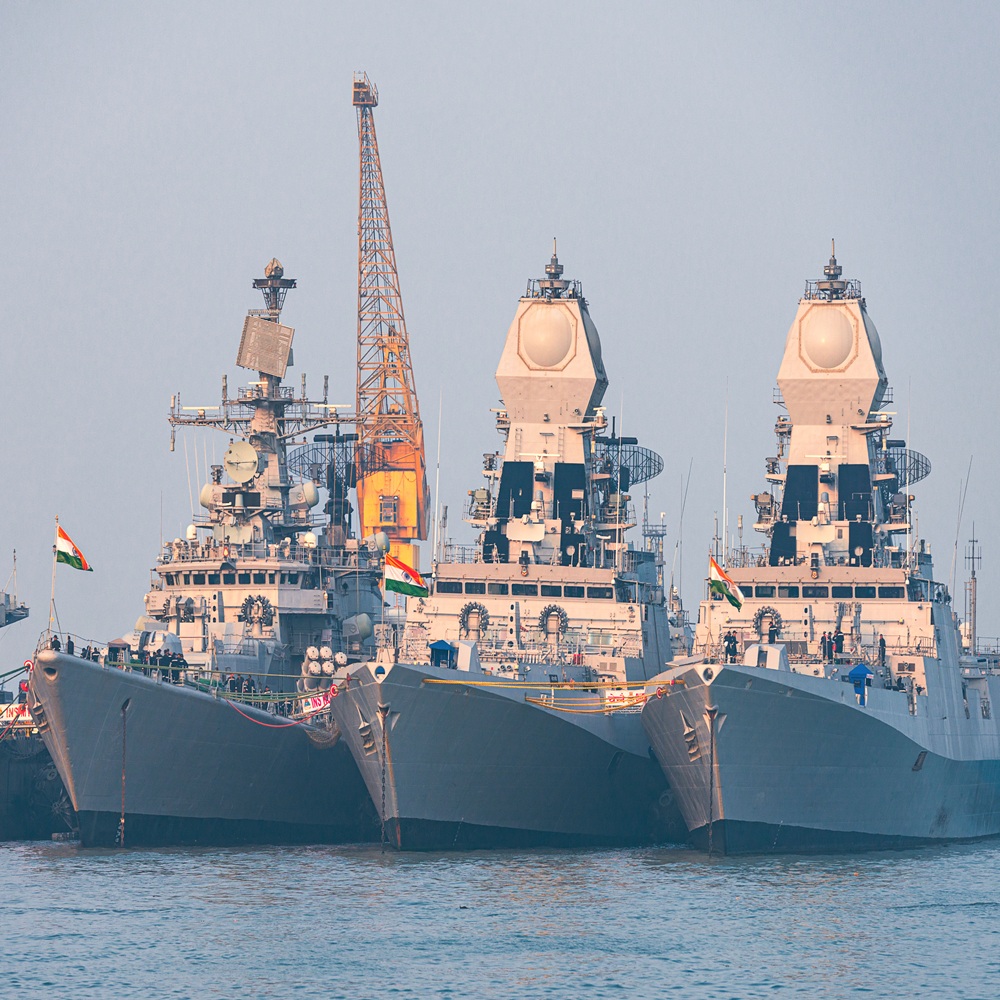
01/07/2020 Mumbai. India. three warships of the Indian Navy anchored in Mumbai

India-China Rivalry After Galwan: Is the Maritime Front the Next Flashpoint?

by Muhammad Salman , Muhammad Umar Nasir

The Galwan Valley clash (Reuters, 2024) of 15 June 2020 pushed South Asian strategic thinking: competition with Beijing is no longer a single-theatre rivalry. Having pressed advantage on land where it achieved asymmetric leverage, Beijing is increasingly pressing seaward —expanding capability for naval reach and overseas logistics and calibrated “grey-zone” maritime tools —and India must consider the Indian Ocean (Bhatt, 2024) as an equal front of competition if it is to prevent everyday coercion at sea from becoming the region's next crisis. From the Ridge to the Reef: Why the Shift Matters Galwan was a tactical clash whose political and strategic reverberations were felt far beyond Ladakh. New Delhi's post-Galwan posture has not only involved fortified mountain deployments but also renewed emphasis on the Indian Ocean. Beijing's investments in port development, logistics, and longer-range naval capability augment its capacity to influence sea lines of communication that India depends on for trade and energy. Analysts have documented China's growing dual-use presence and stronger commercial ties in littoral states —a geo-economic underpinning to expanding naval reach. China’s Maritime Toolkit: Militia, Coast Guard, and Overseas Access At sea, Beijing prefers calibrated coercion. The People’s Armed Forces Maritime Militia (PAFMM), the China Coast Guard, and the PLAN all operate together to create facts on the water, remaining below the threshold of conventional war. Open-source research shows an increase in militia vessels (CSIS, 2024) linked to Hainan frequent coast guard harassment in contested seas, while overseas logistics and basing (from Djibouti to commercial port arrangements) potential to sustain persistent presence and surge capacity all represent separate components of modern grey-zone strategy. According to the theory of irredentism, China's approach is not unprecedented. In the South China Sea, Beijing has mixed coast guard surveillance, militia swarming, and slow incremental land reclamation to generate facts on the ground and created continued friction with Vietnam (the Paracel and Spratly Islands) and with the Philippines (the 2012 Scarborough Shoal standoff). These examples show how calibrated maritime coercion can cumulatively shift the status quo without descending into outright war. India’s Response: Deterrence, Presence, and Partnership New Delhi has not been idle. The Indian Navy has stepped up its ship and submarine building program, increased patrols of chokepoints, and participated in enhanced joint exercises with partners to signal that it is serious about maintaining a presence in the Indian Ocean (Maqbool & Sharma, 2025). It has also modernized the Coast Guard and MDA networks on the Indian side of the Indian Ocean while developing diplomatic engagement with littoral states to present choices in preference to unilateral submission. Taken together, these actions demonstrate an appreciation that presence matters, as do allied cooperation and indigenous capability. Moreover, India’s maritime capabilities face significant constraints. Its defence budget is far smaller than China’s (India: ~$72 billion vs. China: ~$224 billion in 2023) (Tian, Lopes da Silva, Liang, & Scarazzato, 2024), and its naval share of the defence budget has declined in recent years. India continues to depend heavily on foreign arms imports—Russia alone supplies over 45% of India’s major arms purchases. Additionally, India lacks a network of overseas logistics facilities comparable to China’s “String of Pearls,” (Devonshire-Ellis, 2009) which includes Djibouti, Gwadar, and Hambantota. These vulnerabilities limit India’s ability to sustain prolonged operations far from home ports. Regional Dimensions (ASEAN) While ASEAN as an institution often struggles with consensus on China, its member states—such as Vietnam, Indonesia, and the Philippines—share India’s concerns about grey-zone coercion. Building issue-based coalitions with these countries could complement Quad initiatives, especially in areas like coast guard training, joint patrols, and legal capacity building. How Maritime Competition Can Become Dangerous The ocean's crowded and invisible environment creates acute risk: commercial shipping, fishing boats, coast guards, and naval vessels can operate close together, so what would be an ordinary event raises the stakes into a crisis risk when a coordinated actor exerts calibrated pressure. The ongoing investigations and research writing often discuss militia swarms, Automatic Identification System (AIS) (United States Coast Guard US Department of Homeland Security, s.f.) shutdowns, and coast guard shadows that result in risky close-quarters interactions—where a collision, boarding, or injury can simply become a theatre of escalation to a strategic crisis (VOA, 2023). India is already seeing episodes of this type, and if there is no recognition of what is happening, they risk becoming normalized tactics compared to an episodic problem. Policy decision: Prepare, Partner, Penalize A maritime Galwan—where an ordinary event becomes an escalation to strategic crisis—needs three conditions: improve detection and attribution, broaden regional engagement to build resilience, and deliver credible costs for repeat coercion. Preparation (detection & attribution): India needs to integrate naval, coast-guard and civilian surveillance into a Maritime Domain Awareness (MDA) (IMO, s.f.) architecture that uses spaceborne and underwater sensors, development of standard incident reporting, and speedier protocols for attribution. Preventing or stopping massing of vessels, or identified AIS-indoctrination, is self-deterrent: it removes ambiguity and allows for calibrated, defensible legal responses. This is clear from the RAND’s local security claim —where robust MDA remains the first line of defence in grey-zone contests. Partner (regional resilience): Operationalize partnerships (the Quad, IORA, and bilateral frameworks) to provide coast-guard capacity building, legal assistance, and situational awareness support to vulnerable island and littoral states, and reduce the pool of permissive ports, and strengthen partner enforcement to deny coercive actors easy safe havens, and build diplomatic coalitions so they can be publicly isolated. Penalty (raise costs): India should lead a regional initiative to criminalize deliberate AIS disabling, ship ramming, and state-backed commercial harassment and develop rules with targeted diplomatic and economic penalties for repeat offenders. Purposeful, independently verified documentation of incidents will make penalties credible and raise the political cost of grey-zone campaigns. Operational Measures Specific operational measures include increased coast-guard rapid-response flotillas; more pre-positioned mobile logistics to reduce reliance on distant basing; institutionalizing joint exercises designed to practice non-lethal harassment and gather evidence; and creating a regional maritime incident task force to investigate and publicize coercive acts. These operational measures will raise the expense of coercive campaigns without necessitating an extraordinary expansion of fleets. Conclusion Galwan has imparted a painful lesson to South Asia that rivalry can jump sectors and cause true damage, when states over-reach. In the maritime domain, Beijing can exploit some ambiguity to use coercive measures that are lower cost. India must likewise extend its vigilance and monitoring from the Himalayas to the high seas. However, this is not simply a story of vulnerability: India can use strong Maritime Domain Awareness, increasingly engage with ASEAN and Quad partners, and implement selective measures to raise the costs for coercion to tilt the opportunity to develop norms in the region. The challenge is serious, but the sea does not have to be the next flashpoint or crisis, with alliances and adapting strategy in mind. References Bhatt, P. (2024, 06 16). From the Mountains to the Seas: India-China Competition in the Wake of Galwan. Retrieved from Stimson: https://www.stimson.org/2024/from-the-mountains-to-the-seas-india-china-competition-in-the-wake-of-galwan/ CSIS. (2024, 12 12). Behind the Curtain: An Update on Hainan’s Maritime Militia. Retrieved from Asia Maritime Transparency Initiative: https://amti.csis.org/behind-the-curtain-an-update-on-hainans-maritime-militia/ Devonshire-Ellis, C. (2009, 03 18). China’s String of Pearls Strategy. Retrieved from China Briefing: https://www.china-briefing.com/news/china%E2%80%99s-string-of-pearls-strategy/ IMO. (n.d.). Maritime Domain Awareness. Retrieved from International Maritime Organization: https://www.imo.org/en/ourwork/security/pages/maritime-domain-awareness.aspx Maqbool, R., & Sharma, A. (2025, 01 15). India’s navy launches submarine, warships to guard against China’s presence in Indian Ocean. Retrieved from AP News: https://apnews.com/article/india-navy-submarine-warships-launch-69c138048bb4202a1a409b0b2353a2f4 Reuters. (2024, 10 25). What was the India-China military clash in 2020 about? Retrieved from Reuters: https://www.reuters.com/world/asia-pacific/what-was-india-china-military-clash-2020-about-2024-10-25/ Tian, N., Lopes da Silva, D., Liang, X., & Scarazzato, L. (2024, 04). Trends in world military expenditure, 2023. Retrieved from SIPRI: https://www.sipri.org/sites/default/files/2024-04/2404_fs_milex_2023.pdf United States Coast Guard US Department of Homeland Security. (n.d.). Automatic Identification System (AIS) Overview. Retrieved from Navigation Center: https://www.navcen.uscg.gov/automatic-identification-system-overview VOA. (2023, 05 09). Chinese Militia Boats Cross Indian, ASEAN Warships Exercising in South China Sea. Retrieved from VOA: https://www.voanews.com/a/chinese-militia-boats-cross-indian-asean-warships-exercising-in-south-china-sea-/7085847.html

Defense & Security
Letter tiles, Chinese Yuan bank notes and national flags on a word map. A Belt And Road Initiative concept.

Blocking the Belt and Road: Activation and deactivation of conflicts to contain China

by Alonso Ronald Ortiz García

Introduction Contemporary geopolitical competition has moved away from traditional paradigms of direct military conflict, giving way to more sophisticated forms of strategic rivalry. In this new landscape — where the lines between peace and war are increasingly blurred — the control of critical infrastructure and trade routes has emerged as a fundamental element of national power. The Belt and Road Initiative (BRI) — conceived by Beijing as the most ambitious geoeconomic project since the Marshall Plan — seeks to reshape the Eurasian trade architecture, positioning China as the central node of an integrated connectivity system. However, the events of 2025 reveal that this project does not operate in a strategic vacuum; rather, it faces a coordinated response from rival powers that have developed sophisticated strategies to limit, fragment, or condition its expansion. This article examines the indirect containment strategies directed against the BRI, focusing on one particular dimension: the deliberate activation and deactivation of conflicts as a tool of geoeconomic blockade. Through the analysis of two paradigmatic cases, it illustrates how rival powers can employ geoeconomic methods to block, fragment, or constrain large infrastructure projects by strategically manipulating regional conflicts. Two seemingly disconnected but strategically linked events will be examined — both of which have redefined the struggle for control over Eurasian trade routes. On one hand, the military escalation between India and Pakistan in the southern sector, specifically in the Rajasthan–Sindh–Southern Punjab Corridor; on the other, the peace agreement between Armenia and Azerbaijan, which revived the Zangezur Corridor Project, now under U.S. control. Both events represent concrete manifestations of a new form of great power rivalry centered on the instrumental use of conflicts to systematically obstruct the BRI. Geoeconomics as a Theater of War Geoeconomics, understood as an analytical discipline, examines how geographic, economic, and political factors intertwine to determine the relative power of states within the international system. Within this framework, connectivity infrastructures transcend their technical or commercial nature to become strategic assets capable of altering the regional balance of power. At its core, the BRI represents China’s attempt to create a network of economic dependencies that enables it to project political influence across Eurasia. This network includes both land and maritime corridors connecting East Asia with Europe, Africa, and the Middle East, establishing China as the central node of an integrated commercial system. However, the interconnected nature of this system also generates specific vulnerabilities: the disruption of critical segments can produce cascading effects that compromise the functionality of the entire network. Containment strategies, therefore, do not need to dismantle the BRI entirely to be effective. It is enough to introduce points of friction, uncertainty, or external control in key segments to alter participants’ cost-benefit calculations and reduce the overall attractiveness of the Chinese system. This logic of “selective blockade” allows rival powers to exert disproportionate influence with limited resources. In this context, the strategic activation and deactivation of conflicts emerge as a particularly refined tool. Unlike direct blockades — which require a permanent military presence and entail significant political costs — the manipulation of conflicts enables the introduction of instability indirectly, leveraging preexisting tensions to generate disruptions along critical BRI corridors. Thus, the temporal simultaneity of the India–Pakistan crisis and the resolution of the Caucasus conflict does not constitute a geopolitical coincidence but rather the manifestation of a deliberate geoeconomic containment strategy that employs the selective activation and deactivation of conflicts to block the fundamental pillars of the BRI. Case 1: Activation of the Indo-Pakistani Conflict The China–Pakistan Economic Corridor (CPEC) stands as the flagship project of the BRI in South Asia. With an estimated investment exceeding $60 billion, the CPEC aims to connect China’s Xinjiang region with the Port of Gwadar on the Arabian Sea, providing China with an alternative trade route that bypasses strategic straits controlled by rival maritime powers. The fundamental vulnerability of the CPEC lies in its dependence on Pakistan’s territorial stability—particularly in the southern provinces, where both critical infrastructure and the energy resources that sustain the project are concentrated. This is precisely where the strategy of conflict activation reaches its fullest expression. Following the escalation recorded in May 2025, intelligence analysts suggest that the timing and intensity of the Indo-Pakistani crisis indicate a deliberate activation of preexisting tensions with specific geoeconomic objectives. The impact of a hypothetical Indian incursion into the Rajasthan–Sindh–Southern Punjab belt would not necessarily aim for the permanent occupation of Pakistani territory, but rather for a demonstration of capability to disrupt the territorial continuity of the corridor. This interdiction strategy through conflict activation operates across multiple dimensions simultaneously. On the physical level, temporary control over this belt would effectively sever the connection between southern Pakistan and the routes leading to China, forcing costly detours or temporary suspensions of operations. On the economic level, the mere threat of disruption would significantly increase security and insurance costs for Chinese investments, thereby reducing the projected profitability of the corridor. More importantly, on the psychological level, a successful demonstration of interdiction capability through controlled escalation would create lasting uncertainty about the security of Chinese investments in the region. This uncertainty would not be limited to the CPEC, but would extend to other BRI projects that depend on the stability of strategic partners. The implicit message is clear: China cannot guarantee the security of its trade corridors against the strategic activation of conflicts by rival powers. The temporal dimension of this strategy is particularly sophisticated. The activation of conflicts makes it possible to generate immediate disruptions in the functioning of the corridors, while their eventual deactivation — once the strategic objectives have been achieved — avoids the long-term costs of a prolonged confrontation. This modulation of conflict intensity transforms regional tensions into precise instruments of geoeconomic policy. Access to the hydrocarbon reserves in southeastern Sindh adds an additional layer to this activation strategy. By temporarily controlling these resources during periods of escalation, India would not only obtain direct economic benefits but would also deny Pakistan and China the revenues that could otherwise be used to finance and expand the CPEC. This logic of “resource denial through conflict” is particularly effective in infrastructure projects that rely on sustained revenue flows to justify their initial investments. Case 2: Deactivation of the Armenian–Azerbaijani Conflict The second case illustrates the complementary side of this strategy: the use of conflict deactivation as a mechanism to gain control over critical infrastructure. The Zangezur Corridor, renamed the “Trump Corridor for Peace and International Prosperity” (TRIPP), represents a paradigmatic example of how a major power can insert control points into connectivity networks through the instrumental resolution of conflicts. In August 2025, U.S. mediation in the Armenian–Azerbaijani conflict allowed Washington to obtain exclusive development rights over this corridor for 99 years, effectively transforming what could have been a component of the BRI into an asset under Western control. This maneuver is particularly ingenious because it uses conflict resolution — seemingly a global public good — as a tool for broader geoeconomic objectives. The conflict deactivation strategy operates under a logic that is different but complementary to activation. While activation seeks to generate immediate disruptions in existing corridors, deactivation enables lasting control over critical segments of the connectivity network through the establishment of new contractual and regulatory frameworks that emerge from the peace process. The TRIPP occupies a crucial strategic position within the Eurasian connectivity network. As part of the Trans-Caspian Corridor (the so-called “Middle Corridor”), it provides a direct land route between Central Asia and Europe that bypasses both Russia and Iran. For China, this corridor represented a vital alternative to reduce its dependence on routes controlled by rival powers. However, by securing contractual control over the TRIPP segment through the instrumental deactivation of the conflict, the United States effectively introduced a strategic bottleneck in the middle of this network. The effectiveness of this strategy lies in its ability to condition the use of the corridor without explicitly prohibiting it. Washington can employ a variety of regulatory, tariff, and security instruments to make the transit of Chinese goods more expensive or cumbersome, rendering the route less attractive to traders and investors. This form of “administrative friction” can be as effective as a physical blockade, but with far lower political costs and reduced risks of escalation. Moreover, control over the TRIPP allows the United States to modulate its policy toward the BRI according to its broader strategic needs. During periods of bilateral tension, it can tighten restrictions on the corridor as a form of pressure; during periods of détente, it can ease such measures as a gesture of goodwill. This flexibility transforms the corridor into a permanent bargaining instrument in Sino–American relations. Integrated Logic: Activation and Deactivation of Conflicts as a Containment System The true sophistication of the analyzed cases becomes evident when one understands that the activation and deactivation of conflicts are not isolated tactics, but rather components of an integrated system of geoeconomic containment. The effectiveness of each element is amplified when they operate in coordination, creating a dynamic that maximizes pressure on the BRI while minimizing costs for the implementers. The activation of conflicts generates immediate disruptions and heightens the perception of risk associated with Chinese projects. Simultaneously, the selective deactivation of other conflicts allows rival powers to establish alternative control frameworks that channel trade flows toward systems under their own influence. This combination produces a “push-and-pull” effect: pushing trade away from routes controlled by China through the creation of instability, while pulling it toward alternatives managed by rival powers through the creation of selective stability. The temporal dimension of this integrated strategy is crucial to its effectiveness. Cycles of activation and deactivation can be calibrated to maximize the impact on long-term investment decisions, generating sufficient uncertainty to discourage future commitments — without creating levels of instability that would undermine the broader interests of the implementing powers. Systemic Dynamics The strategies of conflict activation and deactivation go beyond their immediate tactical objectives to generate broader systemic effects on the BRI and on global geopolitical competition. These effects operate across multiple levels and time scales, creating dynamics that can fundamentally alter the strategic calculations of all actors involved. First, these strategies introduce an element of structural uncertainty deeper than that produced by conventional forms of interference. While direct blockades or sanctions are predictable in their application, the manipulation of conflicts introduces elements of volatility that are far more difficult to anticipate and mitigate. International connectivity depends on the predictability and reliability of trade routes, but when those routes become subject to the unpredictable dynamics of strategically activated conflicts, investor and trader confidence in the system as a whole is eroded. Second, the alternation between activation and deactivation creates a pattern of cyclical instability that complicates long-term planning. Investors must consider not only the current state of stability in a region but also the likelihood that latent conflicts may be activated in the future for geoeconomic purposes. This additional consideration translates into demands for higher returns to compensate for perceived risk, thereby increasing the cost of capital for future BRI projects. Third, the strategy of activation and deactivation can generate demonstration effects that shape third countries’ perceptions of the BRI’s viability. When these countries observe that middle powers can effectively disrupt segments of China’s system by manipulating local conflicts, they may feel empowered to adopt more assertive positions in their own negotiations with Beijing. This dynamic can gradually erode China’s position as a preferred partner for infrastructure projects. Finally, these strategies create dangerous precedents for the stability of the international system. If the activation and deactivation of conflicts become normalized as tools of geoeconomic competition, other actors may adopt similar tactics, fostering a more volatile and unpredictable global environment. China’s Counterstrategies The strategies of conflict activation and deactivation do not operate in a strategic vacuum; rather, they generate adaptive responses from China that can alter their long-term effectiveness. Beijing has developed a variety of counterstrategies specifically designed to reduce the vulnerability of the BRI to this kind of indirect interference. One of the most important responses has been the development of mediation and conflict-prevention capabilities. Recognizing that many of the conflicts which can be strategically activated have roots in genuine, unresolved disputes, China has significantly expanded its involvement in international mediation. This approach seeks to address the underlying causes of instability that could otherwise be exploited by rival powers. At the same time, Beijing has intensified efforts to build early warning systems that enable it to anticipate the imminent activation of conflicts in regions critical to the BRI. These systems combine traditional intelligence with big data analysis and predictive modeling to identify patterns suggesting the external manipulation of local tensions. China has also pursued a more systematic geographic diversification of routes and corridors, developing multiple pathways to the same destinations to reduce dependence on any single segment of the network. This strategy of “planned redundancy” increases system costs but also enhances resilience against selective blockades caused by activated conflicts. A third line of response has been the development of specialized financial and insurance instruments for projects in high-risk regions. These tools allow China to maintain the economic viability of BRI projects even in unstable environments, thereby reducing the impact of conflict activation strategies. Future Projections The analysis of conflict activation and deactivation strategies directed against the BRI reveals the growing sophistication of contemporary geopolitical competition. The examined cases demonstrate that rival powers have developed effective methods to condition, fragment, or disrupt large-scale infrastructure projects without resorting to direct military confrontation, instead employing the strategic manipulation of conflicts as a tool of containment. These strategies represent an evolution of traditional forms of containment operating within the geoeconomic domain, using the interdependence of connectivity systems and their vulnerability to regional instability as vectors of strategic influence. Their effectiveness lies not necessarily in their ability to dismantle the BRI entirely, but in their capacity to introduce cyclical frictions and structural uncertainties that diminish the overall attractiveness of the Chinese system. However, the adaptive nature of geopolitical competition suggests that these activation and deactivation strategies will generate countermeasures and counter-countermeasures that continuously reshape the balance of advantages. China’s capacity to develop alternatives and redundancies, combined with its growing mediation and conflict-prevention capabilities, may eventually limit the effectiveness of these containment tactics. In the long term, competition surrounding the BRI will likely evolve into even more sophisticated forms of geoeconomic rivalry, where the ability to create, control, and protect connectivity networks — as well as to manipulate or resolve the conflicts that affect them — will become a fundamental measure of national power. This dynamic will have far-reaching implications not only for the main actors involved but also for the international system, which will need to adapt to an era in which the strategic activation and deactivation of conflicts has emerged as a central tool in great-power competition. The growing sophistication of these strategies suggests that the future of geopolitical competition will be marked by an increasing instrumentalization of regional conflicts for global geoeconomic objectives, creating new challenges for international stability and requiring the development of normative and institutional frameworks adapted to this new reality. References Chatham House. (2025). India-Pakistan ceasefire remains shaky; relations unlikely to return to status quo. https://www.chathamhouse.org/2025/05/india-pakistan-ceasefire-remains-shaky-relations-unlikely-return-status-quo Consejo Previsional Mundial (WPC). (2025). Informe sobre la brecha de infraestructura en Asia y el impacto de la BRI. La división de los BRICS y la guerra que estamos ignorando entre India y Pakistán. (2025, 8 de mayo). Navarra Confidencial. https://www.navarraconfidencial.com/espana/la-division-de-los-brics-y-la-guerra-que-estamos-ignorando-entre-india-y-pakistan/ La iniciativa de la Franja y la Ruta es un proyecto de cooperación internacional presentado por China en 2013, con enfoque en infraestructura, comercio y conectividad. (2025, 1 de septiembre). Lisanews. https://www.lisanews.org/internacional/iniciativa-franja-ruta-que-es-objetivos/ Le Grand Continent. (2025, 10 de agosto). Al firmar un acuerdo de paz entre Armenia y Azerbaiyán, EE.UU. desplaza a Rusia en el Cáucaso Meridional. https://legrandcontinent.eu/es/2025/08/10/al-firmar-un-acuerdo-de-paz-entre-armenia-y-azerbaiyan-ha-desplazado-trump-a-putin-del-caucaso-meridional/ Ministerio de Defensa de España. (2025). La visión estratégica de la República Popular China en la nueva era: Análisis del Libro Blanco sobre Seguridad Nacional. https://www.defensa.gob.es/ceseden/-/ieee/la_vision_estrategica_de_la_republica_popular_china_en_la_nueva_era_analisis_del_libro_blanco_sobre_seguridad_nacional_2025 Nedopil, C. (2025). Países de la Iniciativa del Cinturón y la Ruta (BRI). Green Finance & Development Center. https://greenfdc.org/countries-of-the-belt-and-road-initiative-bri/ Reuters. (2025, 7 de agosto). EE. UU. asegura un corredor de tránsito estratégico en el acuerdo de paz Armenia-Azerbaiyán. https://www.reuters.com/world/us-secures-strategic-transit-corridor-armenia-azerbaijan-peace-deal-2025-08-07/

Diplomacy
Bimstec summit banner or poster concept. 2025 summit held in Bangkok, from April 2-4. Bangladesh, India, Myanmar, Sri Lanka, Thailand, Nepal, Bhutan

SAARC is Dead: BIMSTEC the Way Forward?

by Darshit Thakar

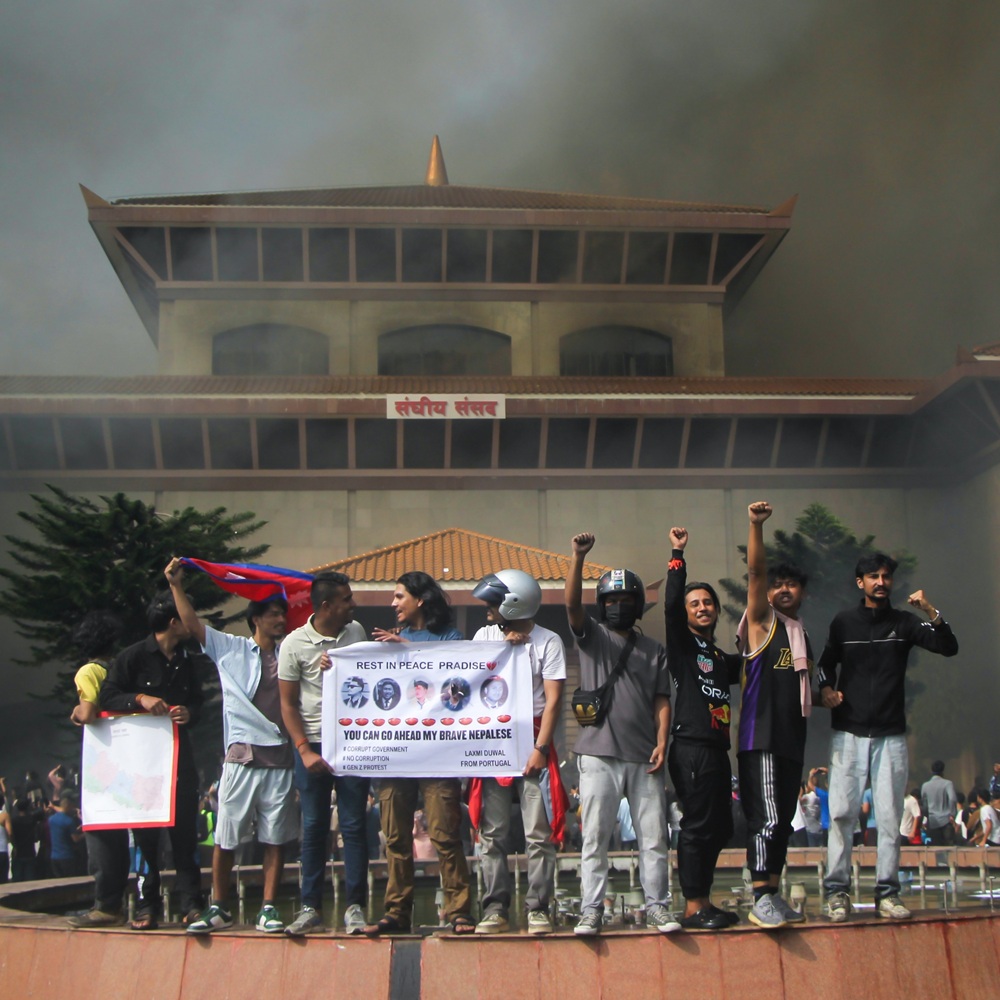
The combined population of South Asia is around 2.09 Billion while the world is around 8.24 Billion. When we compare GDP data, South Asia’s GDP is 5.2 Trillion USD, while the entire world is around 115 Trillion USD. South Asia despite having ¼ of the world population contributes only around 4.5% to the world's GDP. If we dig deeper in the data, India contributes to around 86% of South Asia’s GDP; approx 4.5 Trillion USD.Now let's talk about South Asia’s Eastern Neighbours. If we look at the picture in that region, there is a stark contrast. The population of that region is around 701 million, approximately one quarter of South Asia's population but its entire GDP is about 4 Trillion USD. This GDP is spread across all nations. Why this big turn in this region? It was because of the Association of South East Asian Nations (ASEAN). ASEAN provided a platform for all these countries to work together.Similar efforts were made by South Asian Countries. In 1985, South Asian Association for Regional Cooperation(SAARC) was established. It included member states of South Asia. But this organisation isn't as effective as ASEAN, despite having nearly four times population than ASEAN, the GDP of ASEAN is approximately three-quarters that of SAARC and when we compare global exports; SAARC exports goods and services worth $900 Billion while ASEAN exports $1.9 Trillion.Why was SAARC unable to succeed?The majority of South Asian countries were once part of the British Empire. They obtained their independence from Britain during the late 1940s. But since independence, there has been political instability in almost all countries of South Asia. Besides this there have been conflicts within and among these countries. India & Pakistan, two largest countries of South Asia, fought four wars and many skirmishes since their inception due to the dispute over the region of Kashmir, the dispute has also caused Insurgency in Kashmir. Afghanistan and Pakistan’s entire border is disputed which resulted in minor skirmishes between both nations and Insurgency in the border regions. Nepal has faced political instability, recent incidence of GenZ protest being the best example. Bangladesh has faced dozens of military coups and last year Sheikh Hasina was ousted from power, with elections planned for 2026. Sri Lanka had brutal civil war, after the end of civil war, there was some political stability but due to Government mismanagement there were protest and Rajapaksha was ousted from power in 2022.The problem even continues beyond Conflicts. South Asia suffers from weak physical connectivity, there is poor cross-border rail, road, and energy networks that prevent the flow of goods and people. Tariff and non-tariff barriers remain high, discouraging regional trade. Smaller states also fear Indian dominance, leading to mistrust. And unlike ASEAN, SAARC lacks strong institutional mechanisms to enforce agreements making cooperation more symbolic than concrete. In short, National Politics and Mistrust among nations are the key drivers behind SAARC's inefficiencies. When we compare the workings of ASEAN and SAARC, we find big differences. In ASEAN, there is a system called ASEAN Minus X. It is a decision-making principle used by the Association of Southeast Asian Nations (ASEAN) to enhance flexibility in regional cooperation, particularly in the field of economic integration. It allows a subset of ASEAN member states to proceed with specific agreements or initiatives, without requiring unanimous participation from all 10 members. The member states can join later on, once they're ready. Unlike ASEAN, SAARC lacks a similar mechanism. Their strict consensus rules often lead to paralysis (e.g., SAARC’s stalled summits due to India-Pakistan tensions). ASEAN Minus X’s flexibility is a key reason for ASEAN’s success.Since the early 1990s, ASEAN members created the ASEAN Free Trade Area (AFTA) lowering tariffs across the region. The grouping fostered regional supply chains which has helped in linking production networks between Thailand, Vietnam, and Malaysia. ASEAN has also promoted tourism and easier labor mobility through visa exemptions. By comparison, SAARC’s South Asian Free Trade Agreement (SAFTA) which was signed in 2006 has failed to meaningfully boost trade because of weak implementation.BIMSTEC: A Pragmatic Solution?While SAARC remains mired in political deadlock, a promising alternative has emerged known as the Bay of Bengal Initiative for Multi-Sectoral Technical and Economic Cooperation (BIMSTEC). Launched in 1997 and revitalized by its 2022 Charter, BIMSTEC unites seven nations—Bangladesh, Bhutan, India, Myanmar, Nepal, Sri Lanka and Thailand—spanning 1.73 billion people and a $5.2 trillion GDP. By excluding Pakistan, it dodges SAARC's veto traps and channeling energy into practical sectors like transport connectivity, Regional Trade, Energy, Counter terrorism and so on. This setup positions BIMSTEC as a bridge to ASEAN, with intra-regional trade at ~7% but poised for growth. Recent 2025 momentum, including summits on sustainable development, signals political will to avoid SAARC's pitfalls—focusing on economic development and regional cooperation.Yet challenges persist. BIMSTEC remains under-resourced having a small secretariat and limited funding compared to ASEAN. Its Free Trade Agreement negotiations which were launched in 2004 are still incomplete. Member states often look to India for leadership but this reliance can also breed mistrust because of India's Size & Strength. Without flexible mechanisms like ASEAN Minus X, BIMSTEC risks repeating SAARC’s rigid consensus traps. ConclusionSouth Asia’s demographic weight holds immense economic potential, yet SAARC’s rigid consensus and political disputes, particularly India-Pakistan tensions have stalled integration limiting intra-trade to 5% against ASEAN’s 25%. BIMSTEC, bypassing these hurdles offers a pragmatic path with initiatives like the Master Plan for Transport Connectivity (2022-2028) and interregional ASEAN ties. To succeed, South Asia could revive SAARC with sub-regional frameworks like BBIN (Bangladesh-Bhutan-India-Nepal) or empower BIMSTEC with Minus X-style flexibility for trade and energy grids. Shared challenges like climate change, digital economy could unify efforts, leveraging India’s IT sector ($210B exports) and Bangladesh’s garments ($50B). By 2030, a reformed SAARC or robust BIMSTEC could transform South Asia’s demographic strength into global economic clout, rivaling ASEAN’s success and changing the region’s narrative from potential to power. Sources·         Worldometers - Southern Asia Population (2025) https://www.worldometers.info/world-population/southern-asia-population/·         Worldometers - World Population (2025) https://www.worldometers.info/world-population/·         IMF World Economic Outlook (April 2025) https://www.imf.org/external/datamapper/profile/SAQ; https://www.imf.org/external/datamapper/NGDPD@WEO/OEMDC/ADVEC/WEOWORLD; https://www.imf.org/external/datamapper/NGDPD@WEO/IND/GBR·         World Bank South Asia Development Update (April 2025)·         ClearTax World GDP Ranking (2025)·         Worldometers - South-Eastern Asia Population (2025) https://www.worldometers.info/world-population/south-eastern-asia-population/·         IMF World Economic Outlook (ASEAN GDP, 2025)·         Wikipedia SAARC (Exports)·         ASEAN Key Figures 2024 (Exports)·         Wikipedia BIMSTEC (Population, GDP) https://en.m.wikipedia.org/wiki/BIMSTEC·         BIMSTEC Secretariat - 6th Summit 2025·         World Bank Trade in South Asia (SAARC intra-trade)·         ASEAN Stats Bulletin (ASEAN intra-trade, 2024)·         Reuters Nasscom Report (India IT exports, 2025) https://www.reuters.com/world/india/indian-tech-sector-seen-growing-51-fy25-nasscom-says-2025-02-24/·         Bangla News Garment Statistics (Bangladesh garments, 2025)  https://inews.zoombangla.com/bangladesh-garment-export-statistics-2025-what-the-numbers-say/·         Diversifying Global Supply Chains: Opportunities in Southeast Asia – McKinseyhttps://www.macrotrends.net/global-metrics/countries/sas/south-asia/exportshttps://oec.world/en/profile/international_organization/aseanhttps://bimstec.org/event/190/bimstec-charter-enters-into-forcehttps://bimstec.org/event/247/thailand-hosts-the-6th-bimstec-summit-in-bangkok-on-04-april-2025-https://www.stimson.org/2024/why-bimstecs-maritime-transport-agreement-is-essential-for-india/ https://www.stimson.org/2024/why-bimstecs-maritime-transport-agreement-is-essential-for-india/

Diplomacy
India vs Pakistan conflict concept background with flags and map in the backdrop. Political, war, trade, India pakistan sports

Comparative analysis of India and Pakistan's foreign policy through a postcolonial lens

by Sana Mumtaz

The 1947 partition of British India gave rise to two sovereign states, India and Pakistan, that inherited similar colonial legacies but developed starkly divergent foreign policy paths. These differences were not purely strategic but were rooted in how each state interpreted its postcolonial condition. While India adopted a policy of non-alignment to protect its sovereignty in a bipolar world, Pakistan aligned itself early with Western powers, prioritizing security over autonomy. These choices, driven by internal insecurities, historical trauma, and leadership visions, shaped their global engagements for decades. This paper argues that the postcolonial experiences of both countries profoundly influenced their foreign policies, with India pursuing strategic autonomy and soft power projection, while Pakistan adopted dependency-based alignments driven by survival instincts and regional insecurity. Post-colonialism and Foreign Policy Identity Post colonialism refers to the condition of states that have emerged from the yoke of colonial rule and are navigating their way toward independent identity formation, both domestically and globally. It is a political, cultural, and psychological process that involves reasserting autonomy after years of subjugation (Cvetanovska et al., 2016). For India, postcolonial diplomacy was a tool to construct an independent identity distinct from the former colonizers and the Cold War superpowers. Nehru's advocacy for the Non-Aligned Movement (NAM) in the 1950s was deeply rooted in India’s postcolonial ethos of resisting domination, militarism, and Western dependency (IRJSSH, 2024). Pakistan’s postcolonial trajectory was markedly different. The trauma of partition, including widespread violence and the loss of territory, fostered an intense sense of vulnerability. Lacking economic strength and surrounded by perceived hostilities particularly India Pakistan's leadership quickly sought external patrons, viewing alignment as essential for its survival. In 1954, Pakistan joined the Southeast Asia Treaty Organization (SEATO) and later the Central Treaty Organization (CENTO), receiving substantial U.S. aid in return (Ahmar, 2024). This early dependence on Western powers shaped Pakistan’s foreign policy as one centered on external security guarantees rather than autonomous diplomacy. India’s Evolving Foreign Policy India's foreign policy evolved in three broad phases: 1. Idealist non-alignment (1947–1971)2. Pragmatic balancing (1971–1991)3. Multi-alignment with strategic autonomy (1991–present). In its early years, India sought to play a moral leadership role among decolonized nations, promoting peace, non-intervention, and South-South cooperation. Nehru’s role in establishing the NAM in 1961 underscored India's desire to remain outside Cold War binaries and carve a distinct place for itself on the world stage (Taneja, 2019). However, India’s 1962 border war with China revealed the limitations of idealism. This military defeat prompted a rethinking of foreign policy, leading to closer ties with the Soviet Union. By 1971, India had signed the Indo-Soviet Treaty of Peace, Friendship and Cooperation, signaling a partial alignment to protect regional interests, especially as it supported Bangladesh’s liberation (Ahmar, 2024). India’s economic liberalization in 1991 was a turning point. With its economy opening to global markets, foreign policy began prioritizing trade, investment, and strategic partnerships. India launched the “Look East” policy, now rebranded “Act East,” to deepen ties with ASEAN and East Asian powers. Simultaneously, India cultivated strong relations with the United States, particularly in defense, nuclear cooperation, and technology transfer (IRJSSH, 2024). Under Prime Minister Narendra Modi, India has expanded its global footprint further by participating in multilateral platforms like the QUAD, BRICS, G20, and the SCO. It has also invested in soft power diplomacy, promoting yoga, Bollywood, and higher education as cultural exports. India’s campaign for a permanent seat at the UN Security Council and its 2023 G20 presidency signal its aspiration to emerge as a major global player. Pakistan’s Security-Oriented Diplomacy Unlike India’s autonomy-focused policy, Pakistan’s foreign policy has remained anchored in strategic partnerships, primarily driven by regional security anxieties. Its early Cold War alliances with the U.S. brought military and economic support, including weapons, aid, and development funding. However, these benefits came at the cost of diplomatic flexibility. Pakistan became part of the American containment strategy rather than a voice for postcolonial solidarity (Ahmar, 2024). During the 1970s, Zulfikar Ali Bhutto attempted to diversify foreign ties by engaging China and Islamic states. Yet, Pakistan remained entangled in great-power politics. The Soviet invasion of Afghanistan in 1979 marked another watershed moment: Pakistan became a frontline state in the U.S.-backed resistance, supplying weapons and training to the mujahideen. While this brought short-term geopolitical relevance and aid, it also sowed the seeds of extremist militancy that later destabilized the region (The Guardian, 2025). In the post-9/11 era, Pakistan again aligned with the U.S. as a key ally in the War on Terror, receiving billions in aid. However, mistrust over counterterrorism commitments led to strained relations. More recently, Pakistan has deepened ties with China through the China-Pakistan Economic Corridor (CPEC), a multi-billion-dollar initiative under the Belt and Road Initiative. CPEC has transformed infrastructure and energy access but raised concerns about rising debt and reduced strategic independence (Financial Times, 2025). Simultaneously, Pakistan has relied heavily on Gulf states like Saudi Arabia and the UAE for financial bailouts. However, the country’s emphasis on Islamic solidarity has not always translated into diplomatic support—especially on the Kashmir issue—where economic interests increasingly override religious or ideological ties (Economic Times, 2025). Comparative Analysis Although born from the same colonial womb, India and Pakistan followed radically different paths in foreign relations. India’s strategic approach has evolved from Nehruvian idealism to Modi’s pragmatic multi-alignment, allowing it to maintain relationships with the U.S., Russia, and China simultaneously. It has strengthened its global standing through economic diplomacy and soft power, investing in trade, culture, and multilateralism (IRJSSH, 2024). Pakistan, meanwhile, has remained stuck in a pattern of dependency, cycling through major power patrons to meet its security and economic needs. Its alliances have often been transactional and security-driven, resulting in short-term gains but long-term vulnerabilities. This reliance on external support has constrained Pakistan’s ability to assert an independent foreign policy agenda (Cvetanovska et al., 2016). India’s soft power and diaspora networks have significantly enhanced its global image, while Pakistan’s foreign relations have been more narrowly focused and reactive. Moreover, India’s diversified diplomatic strategy has helped it gain global influence despite regional tensions. Pakistan’s narrower diplomatic focus has limited its ability to pivot globally beyond its traditional allies. Conclusion India and Pakistan’s foreign policies reflect not just their immediate strategic calculations but also how each internalized its postcolonial legacy. India transformed its colonial trauma into a quest for autonomy and leadership among the Global South. Its foreign policy matured from idealism to realism, culminating in strategic flexibility and global engagement. Pakistan’s path, however, was shaped by existential insecurity, leading to a foreign policy centered on alliances for survival. This comparative lens reveals the long-term consequences of early postcolonial choices. India’s foreign policy has grown more self-reliant and global, while Pakistan remains vulnerable to dependency, volatility, and limited diplomatic bandwidth. Understanding these divergent trajectories is crucial for comprehending the subcontinent’s enduring tensions and each state’s future on the global stage. Bibliography Ahmar, M. (2024). Post-Independence Compulsions and Pakistan’s Foreign Policy. Pakistan Horizon.Alden, C., & Aran, A. (2016). Foreign Policy Analysis: New Approaches (2nd ed.). Taylor & Francis.Cvetanovska, D., Nurgaliyeva, L., & Saidov, A. (2016). India–Pakistan Relations from Foreign Policy Perspective. Journal of Political Studies, 23(1), 45–59.Economic Times. (2025). Why countries still support Pakistan despite terrorFinancial Times. (2025). Pakistan’s strongman courts the US while drawing closer to China.IRJSSH. (2024). Comparison of foreign policy of Pakistan and India during 1947 to 2023. International Research Journal of Social Sciences and Humanities, 3(1), 861–871.Taneja, K. (2019). India’s Grand Strategy: From Nonalignment to Multi-Alignment. Oxford University Press.The Guardian. (2025). Thawing of relations between Pakistan and the US.

Diplomacy
NEW YORK, USA - JUNE 21 2013 - United Nations security council hall headquartered in New York City, in a complex designed by architect Niemeyer open to public.

The UN in crisis: Justice without power, power without justice

by Francisco Edinson Bolvaran Dalleto

Abstract The United Nations (UN), eighty years after its creation, faces a structural crisis that reveals the tension between justice and power. This essay examines how the design of the Security Council, with its veto power, perpetuates an unequal order inherited from 1945 and limits the effectiveness of the collective security system. Through theoretical perspectives — Morgenthau, Schmitt, Habermas, Falk, and Strange — it is shown that international law remains subordinated to power interests, that proclaimed universality masks hegemonies, and that global economic dynamics lie beyond institutional reach. Cases such as Kosovo, Libya, Gaza, and Myanmar illustrate the paralysis and delegitimization of the Responsibility to Protect. Considering this scenario, two paths emerge: reforming multilateralism with limits on the veto and greater representativeness or resigning to a fragmented order. The conclusion is clear: without adaptation, the UN will become a symbolic forum, making chronic its inability to respond to current challenges. Dag Hammarskjöld, the second Secretary-General of the UN, warned: “The United Nations was not created to take us to heaven, but to save us from hell.” [1] Eighty years after its founding, that promise seems to falter in the face of multiple wars, such as those in Gaza, Ukraine, Sudan, or Myanmar, among many others, with a sense of ineffectiveness, loss of prestige, and collective impotence being perceived: does the UN no longer fulfill the role it once assumed? At first glance, blame falls solely on the nature of the institution itself. But the root of the problem seems to lie not only in New York, but also in the main capitals of the world. The UN is nothing more than what States allow it to be. Its effectiveness depends on the will of those who comprise it; and the uncomfortable truth is that the great powers prefer to limit its scope rather than cede parcels of sovereignty. As John Rawls pointed out, a just international system requires that peoples accept common principles of justice. [2] Today, by contrast, it is a constant that collective interest systematically gives way to particular interest. The Security Council is the most evident symbol of this contradiction. It remains anchored in post-war logic, with five permanent members clinging to the privilege of the veto. That power, already met with skepticism in San Francisco in 1945, turned into a tool of paralysis. As Canada denounced in 2022, the veto is “as anachronistic as it is undemocratic” and has prevented responses to atrocities. [3] Aristotle said that “justice is equality, but only for equals.” [4] In the UN, the Assembly proclaims sovereign equality, while the Council denies it in practice: some States remain “more equal” than others. The UN Charter articulates its backbone in a few luminous rules: the prohibition of the use of force (Art. 2.4), non-intervention in internal affairs (Art. 2.7), and, as a counterbalance, the collective security system of Chapter VII (Arts. 39–42), which grants the Security Council the authority to determine threats to peace and authorize coercive measures. In parallel, Art. 51 preserves the right of self-defense against an “armed attack.” [5] This normative triangle — prohibition, collective security, defense — is the promise of a world governed by law and not by force, but it must be put into practice. In the 1990s, a dilemma arose: what to do when a State massacres its own population or is unable to prevent it? The political-legal response was the Responsibility to Protect (R2P), affirmed at the 2005 World Summit (paras. 138–139). [6] Its architecture is sequential: (I) each State has the primary responsibility to protect its population against genocide, war crimes, ethnic cleansing, and crimes against humanity; (II) the international community must help States fulfill that responsibility; and (III) if a State manifestly fails, the international community, through the Security Council, may adopt collective measures — preferably peaceful ones; as a last resort, coercive — case by case and in accordance with the Charter. Properly understood, R2P is not a license to intervene; it is a duty to protect framed within International Law. The historical record shows both its necessity and its perverse effects. Kosovo (1999) inaugurated, without authorization from the Council, the narrative of “humanitarian intervention,” based on a supposed “legitimate illegality.” [7] The precedent left a dangerous standard: humanitarian purposes invoked to circumvent the hard core of the Charter. Libya (2011) seemed to be the “ideal case” of R2P: the Council authorized “all necessary measures” to protect civilians. [8] However, the shift toward regime change eroded the trust of Russia and China, which since then have blocked robust resolutions on Syria, hollowing out the effectiveness of R2P. [9] The lesson is bitter: when protection is perceived as a vehicle of hegemony, the norm is delegitimized, and the veto becomes reflexive. Gaza and Myanmar display the other face of paralysis. In Gaza, the Council’s inability to impose sustainable ceasefires — despite patterns of hostilities that massively impact the civilian population — has shifted the debate to the General Assembly and the International Court of Justice through interstate actions and provisional measures. [10] In Myanmar, the genocide of the Rohingya mobilized condemnations, sanctions, and proceedings before the International Court of Justice (hereinafter, ICJ), [11] but did not trigger a coercive response from the Council. R2P exists on paper; its implementation is captive to the veto. Thus, the “right to have rights” that Arendt spoke of still depends on geopolitics. [12] History teaches that international law has always been strained by force. Rousseau warned that the strong seek to transform their power into law. [13] That is what the winners of 1945 did by crystallizing their hegemony in the Charter. And so, what Kant dreamed of as perpetual peace remains chained to an unequal order. [14] The UN, more than a republic of law, still seems a field of power. That fragility has opened space for alternatives. The BRICS, for example, have emerged as a heterogeneous bloc that combines the cohesion of historically homogeneous powers such as China and Russia with the diversity of India, Brazil, and South Africa. Paradoxically, their strength lies in articulating that heterogeneity against a common enemy: the concentration of power in the Security Council. [15] In a multipolar world, heterogeneity ceases to be a weakness and becomes a driver of plurality and resistance. The UN crisis is not only about security; it is also economic and distributive. The universalist promise of the Charter (Arts. 1.3 and 55–56, on cooperation for development) coexists with a global financial architecture whose heart beats outside the UN: the IMF and World Bank, designed in Bretton Woods, project a structural power — in Susan Strange’s terms — that conditions public policies, access to liquidity, and investment capacity. [16] The sovereign equality proclaimed in New York becomes blurred when the asymmetry of weighted voting in financial institutions (and the conditionality of credit) makes some States more “equal” than others. This is not a recent claim. Since the 1960s, the United Nations Conference on Trade and Development and, later, the Declaration on a New International Economic Order (1974), sought to correct structural problems such as the deterioration of terms of trade and the dependence between “center” and “periphery” countries, as Prebisch had pointed out. [17] However, the results were limited: ECOSOC lacks teeth, UNDP mobilizes cooperation but fails to change the rules of the system, and the 2030 Agenda sets important goals but without mandatory enforcement mechanisms. [18] The pandemic and the climate crisis have further worsened these inequalities, highlighting problems such as over-indebtedness, the insufficiency in the reallocation of Special Drawing Rights (SDRs), and climate financing that often arrives late and under unsuitable conditions. In this scenario, the New Development Bank of the BRICS emerges, seeking to open a path toward greater financial autonomy for developing countries. [19] International economic justice is the reverse side of collective security. Without fiscal space or technological transfer, the Global South remains trapped between development promises and adjustment demands. The UN has political legitimacy to outline a Global Economic Council (as proposed by the Stiglitz Commission in 2009) [20] to coordinate debt, international taxation, and global public goods, but it currently lacks normative muscle. The result is fragmentation: fiscal minilateralism, climate clubs, and value chains that distribute risks to the South and rents to the North. The solution does not lie simply in “more aid,” but in prudent rules such as: (I) a multilateral debt restructuring mechanism under UN auspices; [21] (II) effective international taxation on intangibles and the digital economy; [22] (III) binding compliance with the loss and damage fund in climate matters; [23] and (IV) a reform of quotas in IFIs that reflects the real weight of emerging economies. [24] Without constitutionalizing — even gradually — this economic agenda, sovereign equality will remain an empty liturgy and the discontent of the Global South a political fuel that erodes the UN from within. The truth is that the United Nations of 1945 no longer responds to the challenges of 2025. As the president of Brazil recently said: “The UN of 1945 is worth nothing in 2023.” [25] If States do not recover the founding spirit — placing collective interest above particular ones — the organization will remain prisoner of the veto and the will of a few. The question, then, is not whether the UN works, but whether States really want it to work. Taking the above into account, this essay will analyze the UN crisis from three complementary dimensions. First, the theoretical and philosophical framework that allows us to understand the tension between power and law will be addressed, showing how different authors highlight the structural roots of this contradiction. Second, historical episodes and current examples will be reviewed to illustrate the paralysis and democratic deficit of the organization. Finally, possible scenarios for the future will be projected, engaging in the exercise of evaluating the minimum reforms that could revitalize multilateralism in contrast to the alternative of critical global fragmentation. Considering all together, the argument is that the UN finds itself trapped between justice without power and power without justice, and that its survival depends on its ability to adapt to an international order radically different from that of 1945. I. The contradiction between power and law: Hans Morgenthau and political realism To understand the paralysis of the UN, it is useful to turn to Hans Morgenthau, a pioneer of realism in international relations. In his work “Politics Among Nations” (1948), he warned that the international order is always mediated by the balance of power and that legal norms only survive to the extent that they coincide with the interests of powerful States. [26] His idea is provocative: international law is not an autonomous order, but a language that powers use so long as it does not contradict their strategic objectives. Applied to the UN, this analysis is clear: the institution reflects less universal ethical commitment and more correlation of historical forces. The Security Council is not a neutral body, but the mirror of the hegemony of 1945, crystallized in Article 27 of the Charter, which enshrines the right of veto. The supposed universality of the UN is subordinated to a mechanism designed precisely to ensure that no action contrary to the superpowers could be imposed. Contemporary critiques confirm Morgenthau’s intuition. When Russia vetoes resolutions on Ukraine, [27] or the United States does the same regarding Gaza, [28] it becomes evident that international justice is suspended in the name of geopolitics. The legal is subordinated to the political. In this sense, the UN crisis is not an accident, but the logical consequence of its design, and what Morgenthau pointed out seventy years ago remains valid: as long as there is no coincidence between law and power, international norms will remain fragile. Political realism helps explain why the UN fails when it is most needed. States continue to act according to their national interests, even when this contradicts the international norms they themselves have subscribed to. The Security Council has become a space where powers project their strategies of influence, blocking collective actions whenever these affect their geopolitical priorities. The war in Ukraine, the invasion of Iraq in 2003, and the inaction in the face of the Rwandan genocide show that international law is applied selectively, reinforcing the idea that rules are valid only when they do not interfere with the power of the strongest. This pattern evidently erodes the legitimacy of the UN in the eyes of societies, because it generates the perception that the organization is incapable of representing the collective interest and, instead, merely reflects the correlation of forces of each historical moment. II. Carl Schmitt and the Myth of Universal Order Another voice that resonates is that of Carl Schmitt, who in “The Nomos of the Earth” (1950) argued that every international legal order arises from a founding political decision, that is, an act of power. [29] For Schmitt, there is no “universal law” that imposes itself; what is presented as universal is, in reality, the crystallization of a particular domain. The UN perfectly embodies this diagnosis. The founding discourse of San Francisco in 1945 spoke of “we the peoples of the United Nations,” [30] but in reality the Charter was written under the predominance of the winners of the Second World War. What was presented as a universal order of peace and security was, in fact, the codification of the Allied hegemony. Schmitt helps explain why the UN has never escaped that original logic. Although the General Assembly proclaims sovereign equality in Article 2 of the Charter, the structure of the Council reproduces the privilege of a few. [31] The international law of the UN appears, in Schmittian terms, as a “nomos” imposed by the winners, not as a true universal community. The consequence is a legitimate deficit that has persisted until today and explains much of the perception of ineffectiveness. The original structure of the UN perpetuates an unequal design that remains in force. The veto privilege is not only a defensive mechanism for the winners of the Second World War, but it has also functioned as a lock — one without keys — that prevents any real evolution of the system. Over eight decades, demands for reform have clashed with the resistance of those who benefit from keeping the rules intact. The contradiction is evident: developing States, which today represent the majority in the General Assembly, lack effective power in the most important decisions on international security. The gap between the universalist discourse of sovereign equality and the hierarchical practice of the Council undermines the credibility of the multilateral order. As long as this tension persists, the UN will hardly be able to become the space of global governance that the world requires more urgently than ever in the 21st century. III. Habermas and the Need for a Deliberative Community In contrast to this pessimism, Jürgen Habermas offers a different perspective. In “The Inclusion of the Other” (1996) and in later essays, he proposed moving toward a “constitutionalization of international law,” understood as the creation of a global normative space in which decisions are not based on force, but on rational deliberation. [32] From this perspective, the UN would be an imperfect embryo of a community of world citizens. The impact of this idea is enormous: it suggests that, beyond current deadlocks, the UN embodies the possibility of transforming power relations into processes of public deliberation. Article 1 of the Charter, which speaks of “maintaining international peace and security” and of “promoting friendly relations among nations,” can be read not only as a political mandate but also as a normative ideal of cosmopolitan coexistence. [33] Criticism of Habermas is evident: his proposal errs on the side of idealism in a world where national security interests remain paramount. However, his contribution is valuable because it allows us to think of the UN not only as a paralyzed body but also as a field of normative struggle. The problem is not only the strength of the vetoes but also the lack of will to transform that space into a true deliberative forum. [34] Thinking of the UN as a deliberative community requires recognizing that its current procedures do not guarantee authentic dialogue. Debate in the General Assembly is often reduced to formal statements, while crucial decisions, as everyone knows, are taken in restricted circles. The lack of effective mechanisms for the participation of non-state actors, such as regional organizations or civil society, further limits the inclusive character of the institution. Genuine deliberation should open spaces where multiple voices can influence decision-making processes, not only through speeches but by building binding consensus. However, the most powerful States fear losing control over the international agenda, which generates a vicious circle: an elitist governance system is maintained that protects privileges, but at the cost of sacrificing legitimacy and effectiveness. Thus, the promise of a deliberative order is reduced to a normative horizon that has not yet been realized. IV. Richard Falk and the Global Democratic Deficit A more recent contribution comes from Richard Falk, jurist and former UN rapporteur, who has insisted on the “democratic deficit” of the international order. In his view, the UN suffers from a structural contradiction: while the Charter proclaims the sovereignty of peoples, in practice it concentrates power in a small club of States. [35] This not only limits its effectiveness but also erodes its legitimacy in the eyes of the peoples of the world. The case of Palestine is emblematic. The General Assembly has repeatedly recognized the right of the Palestinian people to self-determination, but the veto in the Council blocks any effective measure. [36] Falk interprets this as evidence that the UN operates under a “democracy of States” but not under a “democracy of peoples.” The impact is devastating: millions of people perceive the organization not as a guarantor of rights, but as an accomplice to inequality. This leads us to a brief analysis of the International Criminal Court (ICC), born from the Rome Statute (1998), which promised a civilizational breakthrough: that the most serious crimes (“which affect the international community as a whole”) would not go unpunished. [37] Its design is cautious: complementarity (it acts only if the State is unwilling or unable), restricted jurisdiction (genocide, crimes against humanity, war crimes, and — with limits — aggression), and jurisdiction based on territory, nationality, or referral by the Security Council. The two major milestones of the Council — referrals of Darfur (2005) and Libya (2011) —demonstrated both the potential and the limits. There were procedural advances and arrest warrants, but also contested operative clauses and very little cooperation for arrests. [38] The implicit message to the Global South was ambiguous: justice is universal, but its activation depends on the map of alliances in the Council. At the same time, key powers are not parties to the Statute (United States, China, Russia) and yet influence when the Court acts. The result fuels the argument of “winners’ justice” that several African foreign ministries have raised. The Court has tried to rebalance its map: investigations in Afghanistan, Palestine, and Ukraine, as well as arrest warrants against high-ranking authorities in cases of aggression or serious international crimes, have partly disproved the idea of a one-sided persecution. But the Achilles’ heel persists: without State cooperation, there are no executions of warrants; without the Council, there is no activation in key contexts; with the Council, there is a veto. In addition, Article 16 of the Statute allows the Council to suspend investigations for 12 renewable months, a political valve that subordinates the judicial to the geopolitical. [39] Integrating Falk’s critique into this essay makes it possible to highlight that the UN crisis is not only institutional but also democratic. Article 1.2 of the Charter proclaims respect for the principle of equal rights and the self-determination of peoples, but this ideal becomes empty when the veto power systematically contradicts it. [40] The democratic deficit of the UN is not limited to the Security Council but runs through the entirety of its institutional architecture. Developing countries have little influence on global economic governance, despite being the most affected by decisions on debt, trade, or climate financing. Unequal representation in bodies such as the IMF and the World Bank, together with dependence on international cooperation, reproduces relations of subordination that contradict the principles of equality and self-determination. Moreover, world citizenship lacks a real channel of influence: peoples see their demands diluted in state structures that do not always — or almost never — reflect their needs. This divorce between peoples and States turns the UN into an incomplete democracy, where the most vulnerable collective subjects fail to make their voices heard. Overcoming this limitation is essential to restoring the legitimacy of multilateralism. V. Susan Strange and the Geopolitics of the Economy Finally, Susan Strange adds another dimension: the economic one. In “The Retreat of the State” (1996), she argued that power in the contemporary world does not reside only in States, but also in transnational forces — financial markets, corporations, technologies — that escape institutional control. [41] The UN, designed in 1945 under the logic of sovereign States, lacks instruments to govern this new scenario. The impact is evident. While the Security Council is paralyzed in debates over traditional wars, global crises such as climate change, pandemics, or the regulation of artificial intelligence show that real power has shifted toward non-state actors. [42] Strange warns that if international institutions do not adapt to this reality, they risk becoming irrelevant. In this sense, the UN faces not only a problem of veto or representativeness, but also a historical mismatch: it was designed for a world of States and conventional wars, but today we live in a world of transnational interdependencies. The Charter, in its Article 2.7, continues to emphasize non-interference in the internal affairs of States, but this clause seems insufficient to govern global threats that transcend borders. [43] And it is vitally important to note that the global threats of the 21st century do not fit the traditional paradigm of interstate wars that has been preconceived. Challenges such as climate change, pandemics, and technological revolutions pose risks that no State can face alone. However, the UN lacks effective mechanisms to coordinate global responses in these areas. The fragmentation of climate governance, competition for vaccines during the pandemic, and the absence of clear rules to regulate large digital corporations illustrate the magnitude of the challenge. In this context, state sovereignty proves insufficient, and the principle of non-interference becomes obsolete. If the UN does not develop innovative instruments that integrate transnational actors and strengthen multilateral cooperation, it risks becoming a merely declarative forum, incapable of offering concrete solutions to the problems that most affect contemporary humanity — and it is important that these critiques be heard before it is too late. VI. Current Scenarios All the above opens up a momentous dilemma of our time: either we reform multilateralism so that law contains “force,” or we normalize “exception” forever. [44]Scenario A: A minimal but sufficient cosmopolitan reform. A critical group of States —supported by civil society and epistemic communities — agrees to self-limit the veto in situations of mass atrocities (ACT-type codes of conduct), promotes the expansion of the Council with some permanent presence of the Global South (India, Brazil, Germany, Japan, and one African seat, probably South Africa), and strengthens “Uniting for Peace” mechanisms to circumvent blockages. [45] The ICJ gains centrality with advisory opinions politically bound by prior compliance commitments, the ICC ensures interstate cooperation through regional agreements, and the UN creates a rapid civil deployment capacity for the protection of civilians, minimal cybersecurity, and climate response. [46] In the economic sphere, a Global Economic Council emerges within the orbit of the UN to coordinate debt, climate, and international taxation with common standards. [47] Scenario B: Ordered fragmentation of anarchy. Blockages become chronic. Security shifts to ad hoc coalitions and minilateralisms (NATO Plus, QUAD, expanded BRICS), economic governance is decided in restricted membership forums, and the UN remains a symbolic forum without decision-making capacity. [48] Exception becomes the rule: “preventive interventions,” widespread unilateral sanctions, proliferation of private military companies, opaque cyber-operations, and a data ecology controlled by a few platforms. [49] International law endures as a language, but its social force dissipates; incentives push toward strategic autonomy and legal security by blocs. In other words, the future of the UN will depend on its ability to balance justice and force in an international environment marked by multipolarity. I insist that one possible path is to advance toward gradual reforms that strengthen transparency, broaden the representativeness of the Council, and grant greater autonomy to the General Assembly and judicial bodies. Another, far more radical, is the consolidation of parallel mechanisms that de facto replace the role of the UN through regional alliances, ad hoc coalitions, and alternative economic forums. Both paths involve risks: reform may stagnate in the lowest common denominator, while fragmentation may deepen inequalities and conflicts. However, what seems clear is that maintaining the status quo will only prolong paralysis and further weaken the legitimacy of the multilateral system. The choice between reform or irrelevance will, ultimately, be the decisive dilemma of the 21st century. I believe that three milestones will indicate where we are headed: (1) effective adoption of commitments to abstain from vetoes in the face of mass atrocities; (2) funded and operational implementation of the climate loss and damage mechanism; (3) cooperation with the ICC in politically sensitive cases, without ad hoc exceptions. [50] VII. Conclusion: Between Disillusionment and Hope The UN marks eighty years caught in Pascal’s dilemma: “force without justice is tyranny, justice without force is mockery.” [51] The diagnosis is clear: the Security Council has turned justice into a mockery, while the great powers have exercised force without legitimacy. [52] The result is a weakened organization, incapable of responding to the most urgent tragedies of our time. However, it would be a mistake to fall into absolute cynicism. Despite its evident limitations and alongside all that has been mentioned, the UN remains the only forum where 193 States engage in dialogue, the only space where there exists even a minimal notion of common international law. [53] Its crisis should not lead us to abandon it, but rather to radically rethink it. Perhaps the path lies in what Habermas calls a “constitutionalization of international law,” as previously proposed, or in a profound reform of the Security Council that democratizes the use of force. [54] History teaches that institutions survive if they manage to adapt. [55] If the UN does not, it will be relegated to the status of a giant that humanity needs but that is paralyzed, a symbol of a past that no longer responds to the challenges of the present. [56] But if States recover something of the founding spirit of 1945, perhaps it can still save us from hell, even if it never takes us to heaven. [57] VIII. References [1] Dag Hammarskjöld. Hammarskjöld. Citado en Brian Urquhart. New York: Alfred A. Knopf, 1972.[2] John Rawls. The Law of Peoples. Cambridge, MA: Harvard University Press, 1999.[3] Permanent Mission of Canada to the United Nations. Statement on the Veto. UN General Assembly, 26 April 2022.[4] Aristóteles. Política. Traducido por Antonio Gómez Robledo. México: UNAM, 2000.[5] Naciones Unidas. Carta de las Naciones Unidas. San Francisco: Naciones Unidas, 26 de junio de 1945.[6] Naciones Unidas. World Summit Outcome Document. A/RES/60/1, 24 October 2005.[7] Jean-Jacques Rousseau. The Social Contract. New York: Penguin, 1968.[8] Immanuel Kant. Perpetual Peace: A Philosophical Sketch. 1795; repr., Indianapolis: Hackett, 2003.[9] Oliver Stuenkel. The BRICS and the Future of Global Order. Lanham: Lexington Books, 2015.[10] Susan Strange. States and Markets. London: Pinter, 1988. 11. Hedley Bull. The Anarchical Society: A Study of Order in World Politics. New York: Columbia University Press, 1977.[12] Kenneth Waltz. Theory of International Politics. Reading, MA: Addison-Wesley, 1979.[13] Martha Finnemore. National Interests in International Society. Ithaca: Cornell University Press, 1996.[14] Alexander Wendt. Social Theory of International Politics. Cambridge: Cambridge University Press, 1999.[15] Francis Fukuyama. The End of History and the Last Man. New York: Free Press, 1992.[16] Samuel Huntington. The Clash of Civilizations and the Remaking of World Order. New York: Simon & Schuster, 1996.[17] Joseph Nye. Soft Power: The Means to Success in World Politics. New York: Public Affairs, 2004.[18] Joseph Nye. The Future of Power. New York: Public Affairs, 2011.[19] Robert Keohane y Joseph Nye. Power and Interdependence. Boston: Little, Brown, 1977.[20] Robert Keohane. After Hegemony: Cooperation and Discord in the World Political Economy. Princeton: Princeton University Press, 1984.[21] Stephen Krasner. Structural Conflict: The Third World Against Global Liberalism. Berkeley: University of California Press, 1985.[22] Robert Cox. “Social Forces, States and World Orders: Beyond International Relations Theory.” Millennium: Journal of International Studies 10, no. 2 (1981): 126–55.[23] Robert Cox. Production, Power, and World Order: Social Forces in the Making of History. New York: Columbia University Press, 1987.[24] Charles Kindleberger. The World in Depression, 1929–1939. Berkeley: University of California Press, 1973.[25] John Ikenberry. After Victory: Institutions, Strategic Restraint, and the Rebuilding of Order after Major Wars. Princeton: Princeton University Press, 2001.[26] John Ikenberry. Liberal Leviathan: The Origins, Crisis, and Transformation of the American World Order. Princeton: Princeton University Press, 2011.[27] Paul Kennedy. The Rise and Fall of the Great Powers. New York: Random House, 1987.[28] Michael Doyle. Ways of War and Peace: Realism, Liberalism, and Socialism. New York: W. W. Norton, 1997.[29] Charles Beitz. Political Theory and International Relations. Princeton: Princeton University Press, 1979.[30] Andrew Moravcsik. “Taking Preferences Seriously: A Liberal Theory of International Politics.” International Organization 51, no. 4 (1997): 513–53[31] Peter Katzenstein, ed. The Culture of National Security: Norms and Identity in World Politics. New York: Columbia University Press, 1996.[32] Friedrich Kratochwil. Rules, Norms, and Decisions: On the Conditions of Practical and Legal Reasoning in International Relations and Domestic Affairs. Cambridge: Cambridge University Press, 1989.[33] Nicholas Onuf. World of Our Making: Rules and Rule in Social Theory and International Relations. Columbia: University of South Carolina Press, 1989.[34] Christian Reus-Smit. The Moral Purpose of the State: Culture, Social Identity, and Institutional Rationality in International Relations. Princeton: Princeton University Press, 1999.[35] Martha Finnemore y Kathryn Sikkink. “International Norm Dynamics and Political Change.” International Organization 52, no. 4 (1998): 887–917.[36] Michael Barnett y Martha Finnemore. Rules for the World: International Organizations in Global Politics. Ithaca: Cornell University Press, 2004.[37] Ian Hurd. After Anarchy: Legitimacy and Power in the United Nations Security Council. Princeton: Princeton University Press, 2007.[38] Allen Buchanan y Robert Keohane. “The Legitimacy of Global Governance Institutions.” Ethics & International Affairs 20, no. 4 (2006): 405–37.[39] Thomas Franck. The Power of Legitimacy among Nations. New York: Oxford University Press, 1990.[40] David Held. Democracy and the Global Order: From the Modern State to Cosmopolitan Governance. Stanford: Stanford University Press, 1995.[41] Ian Hurd. After Anarchy: Legitimacy and Power in the United Nations Security Council. Princeton: Princeton University Press, 2007.[42] Permanent Mission of Canada to the United Nations. Statement on the Veto. UN General Assembly, 26 April 2022.[43] Oliver Stuenkel. The BRICS and the Future of Global Order. Lanham: Lexington Books, 2015.[44] Naciones Unidas. World Summit Outcome Document. A/RES/60/1, 24 October 2005.[45] Corte Internacional de Justicia. Advisory Opinions. La Haya: CIJ, varios años.[46] Naciones Unidas. Report of the High-level Panel on Threats, Challenges and Change. A/59/565, 2 December 2004.[47] Samuel Huntington. The Clash of Civilizations and the Remaking of World Order. New York: Simon & Schuster, 1996.[48] Robert Keohane. After Hegemony: Cooperation and Discord in the World Political Economy. Princeton: Princeton University Press, 1984.[49] Thomas Franck. The Power of Legitimacy among Nations. New York: Oxford University Press, 1990.[50] Joseph Nye. The Future of Power. New York: Public Affairs, 2011.[51] Blaise Pascal. Pensées. París: Éditions Garnier, 1976.[52] Brian Urquhart. Hammarskjöld. New York: Alfred A. Knopf, 1972.[53] Naciones Unidas. Charter of the United Nations. San Francisco: Naciones Unidas, 1945.[54] Jürgen Habermas. The Postnational Constellation: Political Essays. Cambridge, MA: MIT Press, 2001.[55] John Ikenberry. Liberal Leviathan: The Origins, Crisis, and Transformation of the American World Order. Princeton: Princeton University Press, 2011.[56] Paul Kennedy. The Rise and Fall of the Great Powers. New York: Random House, 1987.[57] David Held. Democracy and the Global Order: From the Modern State to Cosmopolitan Governance. Stanford: Stanford University Press, 1995.

Defense & Security
Indonesia and Pakistan, two crossed flags isolated on white background. 3d image

Civil-Military Relations in Transition: Learning from Indonesia’s Democratic Reform to Curtail Pakistan’s Military Dominance in Politics and the South Asia Region.

by Muhammad Younus , Halimah Abdul Manaf , Dyah Mutiarin

We explore a crucial comparative study between Indonesia and Pakistan, which have long histories of military intervention in politics. Written by Muhammad Younus and colleagues, it seeks to answer a pressing question: How can Pakistan reduce military dominance in its politics by learning from Indonesia’s democratic reform? The work's central theme is the struggle between military power and civilian supremacy. By analyzing Indonesia’s successful democratization after Suharto’s fall in 1998 and comparing it with Pakistan’s repeated cycles of military rule, the authors highlight institutional, political, and social reforms that can help Pakistan overcome entrenched interventionism. Military Rule in Pakistan: Historical Roots and Persistence Let's trace Pakistan’s persistent military dominance to its security-centric founding context. From independence in 1947, Pakistan faced border conflicts with India and a fragile political leadership that left a power vacuum. The deaths of Jinnah and Liaquat Ali Khan deprived Pakistan of strong civilian leaders, allowing the military to step in as guardian of national survival. Other factors reinforced this role: Border insecurities – the wars with India (1947–48, 1965, 1971, and later crises) created a perception that only the army could guarantee sovereignty.Geopolitics of the Cold War – Pakistan’s strategic location drew U.S. and Western support, channeling resources to the military rather than civilian governance.Weak political institutions – fragmented elites and fragile parties enabled military takeovers in 1958, 1977, and 1999. Economic and business roles of the military – Pakistan’s military developed vast commercial interests, strengthening its autonomy from civilian governments. As a result, Pakistan has spent nearly half its history under direct military rule, with civilian governments often overshadowed by the so-called establishment or deep state. This hybrid arrangement has created enduring instability and undermined democratic consolidation. Indonesia’s Trajectory: From Military Authoritarianism to Reformasi In contrast, Indonesia experienced a different but comparable pattern of military dominance. After independence in 1945, the Indonesian National Armed Forces (TNI) played a founding role in defending sovereignty. Under Sukarno’s Guided Democracy (1957–65), the military expanded its influence, but during Suharto’s New Order (1967–1998), the military became fully entrenched in politics, bureaucracy, and business. The military’s “dual function” doctrine allowed officers to control defense and governance. Civil liberties were suppressed, and military-backed elites monopolized power. However, Suharto’s collapse in 1998 amid economic crisis and mass protests triggered the Reformasi era, which brought sweeping democratic reforms: Military representatives were removed from parliament. The TNI was separated from the police and confined to defense roles. Civil society and student movements mobilized to keep the military in check. Successive civilian governments gradually asserted constitutional authority. While challenges remain, Indonesia is now regarded as one of the most successful cases of democratic transition in Southeast Asia. Comparative Themes Between Indonesia and Pakistan We identify multiple comparative themes that connect and contrast Indonesia and Pakistan. These themes highlight similarities in their historical trajectories and expose the structural differences that explain why Indonesia successfully reduced military intervention while Pakistan continues to struggle. - Muslim-Majority Identity and Political Legitimacy Both Indonesia and Pakistan are Muslim-majority states, and Islam plays a central role in legitimizing governance. In Pakistan, Islam was a founding ideology: the creation of Pakistan in 1947 was justified as a homeland for South Asian Muslims. As a result, the military often presents itself as the guardian of Pakistan’s Islamic identity and territorial integrity, using religion to strengthen its political authority. For instance, General Zia-ul-Haq’s military regime (1977–1988) fused Islamization with military rule, giving the armed forces a dual role as defenders of both faith and nation. Islam also permeates social and political life in Indonesia, but its role in legitimizing military dominance has weakened. Despite being the largest Muslim-majority country in the world, Indonesia developed a more pluralist political identity under Pancasila ideology, which emphasized unity and diversity. This pluralism limited the military’s ability to monopolize religious legitimacy. Thus, while both militaries operated in religious societies, Pakistan’s military more successfully embedded itself as a religious-political actor than Indonesia’s TNI. - Colonial Legacies and Institutional Development Colonial experiences profoundly shaped state institutions. Indonesia’s 350 years under Dutch rule created a centralized but rigid bureaucracy, while Pakistan’s British colonial legacy emphasized indirect rule through local elites. In Indonesia, the Dutch left behind weak political institutions but a militarized control structure, which the TNI easily adopted after independence. In Pakistan, the British institutional legacy emphasized bureaucracy and military professionalism, but weak democratic roots allowed the army to dominate once independence brought political instability. Both states inherited fragile democratic institutions at independence. Still, Indonesia’s authoritarian consolidation under Suharto created a long, stable period of military dominance, whereas Pakistan experienced repeated coups and oscillations between military and civilian governments. - Military Dictatorships and Modes of Authoritarianism Both countries experienced prolonged military dominance, but the nature of their authoritarianism differed. In Indonesia, Suharto’s New Order (1967–1998) created a centralized, corporatist system where the military had constitutional political space under the “dual function” doctrine. Under a stable authoritarian order, the TNI occupied bureaucratic, political, and business roles. Citizens experienced repression, but the system provided economic growth and relative stability until the 1997–98 Asian financial crisis triggered a collapse. In Pakistan, military rule has been more fragmented and cyclical. Generals Ayub Khan, Zia-ul-Haq, and Pervez Musharraf seized power through coups, justifying intervention as necessary to restore stability. However, no institution was as stable as Suharto's system. Instead, Pakistan alternated between weak civilian governments and recurring military takeovers. The instability prevented the military from being permanently curtailed, as civilian institutions remained fragile. - Geopolitics and the Cold War Indonesia and Pakistan were strategically significant during the Cold War, but their alignments diverged. Pakistan aligned closely with the United States, joining alliances like SEATO and CENTO. As a frontline state against communism and later against the Soviet invasion of Afghanistan, Pakistan’s military received significant financial and military aid. This external support strengthened the army as an autonomous actor, independent of civilian oversight. Indonesia, under Sukarno, initially pursued non-alignment and even leaned toward the socialist blocs. But after the failed 1965 coup attributed to communists, Suharto realigned Indonesia with the West, becoming a key anti-communist ally. Unlike Pakistan, however, Indonesia’s external support did not give the TNI unchecked autonomy in the long run. When Suharto fell, the international community supported democratic reform, not military dominance. Thus, while both militaries were empowered by Cold War geopolitics, Pakistan’s international patronage entrenched military supremacy, whereas Indonesia’s geopolitical reorientation facilitated eventual reform. - Demography and Population Pressure Both Indonesia and Pakistan are densely populated developing countries. High population growth, urbanization, and inequality have strained governance. In Indonesia, the population pressure was partly managed through economic growth under Suharto and decentralization after democratization, though inequality and corruption remain challenges. In Pakistan, population growth and poor governance deepened social unrest. Military regimes often justified intervention by claiming that civilian governments failed to manage these pressures. Population dynamics thus fueled instability in both countries, but Indonesia’s reformist elites turned these pressures into momentum for democratization, while Pakistan’s elites often relied on military backing instead. Civil Society and Public Attitudes Civil society is a critical difference. In Indonesia, students, NGOs, and media mobilized strongly during the 1997–98 crisis. Their sustained activism ensured that reforms were not reversed after Suharto’s fall. Public opinion strongly supports civilian supremacy, and the memory of military abuses under Suharto reinforces this sentiment. In Pakistan, civil society is weaker and fragmented. While lawyers’ movements and urban middle-class activism have occasionally resisted authoritarianism (e.g., the Lawyers’ Movement of 2007–09), civil society has not been consistently able to constrain the establishment. However, recent shifts show rising criticism of military interference, suggesting potential for change. Public Mindsets: Shifts in Perceptions Another contribution of this analysis is the changing public attitudes in both countries. In Pakistan, regime changes (such as Imran Khan’s ouster) have shifted from individualistic to collective voting behavior, where people increasingly prioritize national over personal benefits. A shift from state-centric to people-centric perspectives, demanding governance that serves citizens rather than the state or establishment. Growing criticism of military involvement in politics is unprecedented in Pakistan’s history. Stronger participation in elections, with citizens using the ballot to challenge establishment influence. Calls for a new social contract, clarifying the responsibilities of political and military institutions. In Indonesia, public opinion strongly favors civilian leadership and views the military’s role as limited to national defense. While some sectors still favor military involvement in anti-corruption efforts, the dominant sentiment is democratic and reformist. Additional Regional Perspectives: Bangladesh, Myanmar, and Thailand While this study focuses on Indonesia and Pakistan, a broader South and Southeast Asian perspective reveals that civil–military contestation is not unique to these two countries. Bangladesh, Myanmar, and Thailand provide parallel yet distinct experiences of military intervention in politics, enriching the comparative landscape. Bangladesh Since its independence in 1971, Bangladesh has struggled with repeated military interventions. Coups in 1975 and 1982 entrenched the army as a dominant political actor, often presenting itself as the guardian of national stability. Like Pakistan, the military developed political parties and cultivated influence even during civilian rule. However, unlike Indonesia’s post-1998 trajectory, Bangladesh has oscillated between civilian governments led by rival parties (Awami League and BNP) and military-backed caretaker administrations. The persistence of confrontational party politics provides fertile ground for military influence, similar to Pakistan’s fragile democracy. Myanmar Myanmar represents one of the most entrenched military-dominated systems in the region. Since the 1962 coup, the Tatmadaw institutionalized military supremacy under the guise of “discipline-flourishing democracy.” Even during the 2011–2020 hybrid transition, the constitution reserved parliamentary seats and key ministries for the military, limiting civilian authority. The 2021 coup confirmed the Tatmadaw’s unwillingness to cede real power. Compared to Indonesia’s Reformasi and Pakistan’s hybrid arrangements, Myanmar illustrates a worst-case scenario: the military refuses reform and resists domestic and international pressure. Thailand Thailand’s modern political history is punctuated by repeated coups (more than a dozen since 1932). The Thai military often positions itself as the arbiter of political conflict, stepping in during crises and withdrawing after resetting political rules. The 2014 coup, followed by the 2017 constitution, institutionalized military oversight of civilian politics. Unlike Pakistan’s Islam-centered legitimacy or Indonesia’s nationalist developmentalism, Thailand’s military has leaned on monarchy-centered legitimacy and nationalism to justify interventions. Despite periods of electoral democracy, the military’s entrenched influence makes Thailand comparable to Pakistan in terms of cyclical authoritarianism, but distinct from Indonesia’s relatively consolidated democratic transition. Recommendations for Pakistan and Other South Asian Countries We draw from Indonesia’s reform success to propose recommendations for Pakistan. These can be grouped into political leadership, institutional reform, military restructuring, and civil society engagement. Strengthen Civilian Leadership and Authority Pakistan’s repeated political crises stem partly from weak leadership and fragmented parties. To emulate Indonesia, Pakistan’s leaders must: Assert authority over military appointments, ensuring that promotions and postings reflect professional criteria rather than political manipulation. Demonstrate unity among parties by agreeing not to invite or legitimize military intervention against rivals. In Indonesia, elite consensus was critical to sidelining the TNI. Build legitimacy through governance performance, reducing the military’s justification for intervention. Reduce the Military’s Commercial Empire The Pakistan Army runs one of the world’s largest military-business complexes (e.g., Fauji Foundation, Army Welfare Trust). This gives the military financial independence and political clout. We recommend: Gradual divestment of military-run businesses to civilian authorities. Transparent auditing of military-owned enterprises. Laws restricting the army’s involvement in commercial ventures. Indonesia pursued similar reforms by curbing TNI’s business interests after 1998, a move Pakistan could replicate. Pursue Constitutional and Institutional Reforms Civilian supremacy must be enshrined legally. Key steps include: Amending the constitution to clarify the military’s defense-only role. Strengthening parliamentary committees on defense and national security to provide oversight. Enhancing judicial independence to protect civilians from military overreach. Indonesia’s constitutional amendments and reforms limiting TNI’s legislative seats offer a model. Professionalize the Military A professional military is less likely to interfere in politics. Recommendations include: Reforming military training curricula to emphasize apolitical professionalism. Enhancing civilian expertise in defense policy, reducing dependence on military decision-making. Encouraging cross-branch appointments to reduce the Army’s dominance over other services (Navy, Air Force). Empower Civil Society and Media Civil society pressure was a decisive factor in Indonesia’s Reformasi. For Pakistan: NGOs, lawyers, students, and independent media must be supported to demand transparency and accountability. Educational reforms should foster democratic values, encouraging citizens to resist authoritarianism. Digital platforms should be used to strengthen civic activism and counter establishment narratives. Encourage Civil-Military Dialogue and Trust-Building Instead of open confrontation, Pakistan must create structured spaces for civilian-military dialogue. These should: Clarify roles and responsibilities. Build trust so the military sees its institutional strength as linked to democratic stability. Encourage joint decision-making on security issues within constitutional limits. International Support for Reform Indonesia benefited from international backing after Suharto’s fall. Similarly, Pakistan’s reform agenda would require: External partners emphasizing democratic reforms in aid and cooperation. Regional diplomacy reduces Pakistan’s security anxieties, often fueling military dominance. Conclusion Civil-Military Relations in Transition is both a scholarly contribution and a practical guide. Juxtaposing Indonesia’s reformist success with Pakistan’s struggles shows that military interventionism is not inevitable but can be curtailed through leadership, reform, and public mobilization. For Pakistan, the Indonesian example offers hope and caution: reforms require political consensus, a strong civil society, and an unwavering commitment to democratic norms. Without these, cycles of intervention may persist. With them, however, Pakistan could achieve the same democratic consolidation that Indonesia has pursued since 1998. The article emphasizes that sustainable democracy rests on civilian supremacy, institutional reform, and citizen empowerment. Only by embedding these principles can Pakistan move toward stable, democratic governance and curtail the political role of its military establishment. 

Defense & Security
9th September 2025. Kathmandu, Nepal. Gen Z moment destruction in the parliament of Nepal, protest against corrupted Nepalese government and the banned of social media.

How hardships and hashtags combined to fuel Nepal’s violent response to social media ban

by Nir Kshetri

Days of unrest in Nepal have resulted in the ousting of a deeply unpopular government and the deaths of at least 50 people. The Gen Z-led protests – so-called due to the predominance of young Nepalese among the demonstrators – appeared to have quieted down with the appointment on Sept. 12, 2025, of a new interim leader and early elections. But the protests leave behind dozens of burned government offices, destroyed business centers and financial losses estimated in the billions of dollars. The experience has also underscored the importance of social media in Nepal, as well as the consequences of government attempts to control the flow of online information. I study the economic, social and political impacts of social media and other emerging technologies. Being based in Kathmandu, I have watched firsthand as what began as a protest over a short-lived ban on social media snowballed into something far greater, leading to the toppling of Prime Minister K.P. Sharma Oli. Indeed, social media has played a crucial role in this ongoing turmoil in two ways. First, the government’s decision on Sept. 4 to ban social platforms served as the immediate catalyst to the unrest. It provoked anger among a generation for whom digital spaces are central not only to communication, identity and political expression, but also to education and economic opportunities. And second, the pervasive use of these platforms primed the nation’s youth for this moment of protest. It heightened Gen Z’s awareness of the country’s entrenched social, economic and political problems. By sharing stories of corruption, privilege and inequality, social media not only informed but also galvanized Nepal’s youth, motivating collective mobilization against the country’s systemic injustice. The role of social media As with many other nations, social media is central to daily life and commerce in Nepal, a landlocked nation of 30 million people situated between two Asian giants: China and India.   As of January 2025, just short of half the population had social media accounts. This includes some 13.5 million active Facebook users, 3.6 million Instagram users, 1.5 million LinkedIn users and 466,100 X users. Indeed, social media platforms drive roughly 80% of total online traffic in the country and serve as vital channels for business and communication. Many users in Nepal depend on these platforms to run and promote their businesses. As such, the government’s decision to block 26 social media platforms sparked immediate concern among the Nepalese public. The move wasn’t completely out of the blue. Nepal’s government has long been concerned over the growth of social media platforms. In November 2023, the Ministry of Communication and Information Technology introduced new social media regulations, requiring platforms to register with the government, set up a local contact point, appoint a grievance officer and designate an oversight official. Platforms were also obliged to cooperate in criminal investigations, remove illegal content and comply with Nepali law. The Nepalese government, citing concerns over fake accounts, hate speech, disinformation and fraud, said the measures were to ensure accountability and make operators responsible for content on their platforms. Then, in January 2025, the government introduced a Social Media Bill that placed further requirements on social media platforms. Censorship concerns Regardless of their intent, these government measures sparked immediate civil liberties concerns. Critics and rights groups argued that both the ban and the bill function as tools for censorship, threatening freedom of expression, press freedom and fundamental rights. Ncell, Nepal’s second-largest telecommunications service provider, noted that shutting down all platforms at once was, in any case, technically difficult and warned that the move would severely impact business. Small business owners, who rely on social media to promote and sell their products, were especially worried with a busy festive season looming. The ban also had significant implications for education. Many students rely on social media platforms to access online classes, research materials and collaborative learning tools. More generally, the Nepalese public criticized the government’s measures disproportionate impact on ordinary users. As such, this deep reliance on social media by Nepalese society turned the ban into a flashpoint for public dissent. The rise of #NepoKids Even before the protests began on Sept. 8, the pervasive use of social media, along with exposure to content showcasing inequality and elite privilege, had heightened Gen Z’s awareness of Nepal’s entrenched social, economic and political problems. A few weeks before the protests began, the hashtags #NepoBaby and #NepoKids began trending, fueled by viral videos of politicians’ lavish lifestyles. The content drew attention to the country’s inequality by contrasting the lives of the children of the country’s elite – with designer clothing and foreign vacations – with images of Nepali migrant workers returning home in coffins from dangerous jobs abroad. The hashtag campaigns gained traction on TikTok and Reddit, leading to calls for asset investigations, anti-corruption reforms and even transferring the assets of the wealthy to public ownership. One particularly notable viral video featured the son of a provincial government minister posing in front of a tree made from boxes of luxury labels including Louis Vuitton, Cartier and Gucci. Such posts served to further fuel public outrage over perceived elite privilege. The immediacy and interactivity of social media platforms amplified the outrage, encouraging group mobilization. In this way, social media acted both as a magnifier and accelerator, linking perceived injustice to on-the-ground activism and shaping how the movement unfolded even before the Sept. 8 protests began. A deeper story of hardship and corruption Yet a social media campaign is nothing without a root cause to shine a light on. Economic insecurity and political corruption have for years left many of Nepal’s youth frustrated, setting the stage for today’s protest movement. While the overall unemployment rate in 2024 was 11%, the youth unemployment rate stood significantly higher at 21%. But these figures only scratch the surface of Nepal’s deep economic problems, which include pervasive vulnerable employment – informal and insecure work that is prone to poor conditions and pay – and limited opportunities that constrain long-term productivity. Between 2010 and 2018, fewer than half of new entrants into the workforce secured formal, stable jobs; the remainder were primarily engaged in informal or precarious work, which often lacked consistent income, benefits or legal protections. Most available positions are informal, poorly compensated and offer little stability or room for career growth. All told, children born in Nepal today face a grim economic reality. By age 18, they are likely to achieve only about 51% of their productivity potential – that is, the maximum economic output they could reach if they had full access to quality health, nutrition and education. Meanwhile, corruption is widespread. In 2024, Nepal ranked 107th out of 180 countries on Transparency International’s Corruption Perceptions Index, with 84% of people perceiving government corruption to be a major problem. An upshot of corruption is the growing influence of Nepal’s politically connected business elite, who shape laws and regulations to benefit themselves. In the process, they secure tax breaks, inflate budgets and create monopolies that block competition. This capture of public policy by an entrenched elite stifles economic growth, crowds out genuine entrepreneurs and exacerbates inequality, while basic public services remain inadequate. Combined, these economic and political pressures created fertile ground for social mobilization. While persistent hardships helped fuel the rise of the #Nepokids movement, it was social media that gave voice to Nepali youths’ frustration. When the government attempted to silence them through a ban on social media platforms, it proved to be a step too far.

Diplomacy
President Vladimir Putin, Prime Minister Narendra Modi and President Xi Jinping together at SCO Summit

India’s strategic reset in Tianjin

by Harsh V. Pant , Atul Kumar

The 2025 Shanghai Cooperation Organization (SCO) Summit in Tianjin turned out to be the largest gathering in the institution’s history, convening 20 foreign leaders and 10 heads of international organisations, including United Nations Secretary-General António Guterres. More than a display of institutional breadth, the summit served as a stage for geopolitical signalling, most visibly through the joint presence of the leaders of China, India, and Russia. Their highly choreographed meetings were designed for maximum optics and deployed as deliberate instruments of international messaging, reflecting the emergence of a multipolar world. For Russian President Vladimir Putin, the summit provided an opportunity to engage closely with both India and China while demonstrating that Moscow is not bereft of partners. Chinese President Xi Jinping aimed to use the occasion to burnish his credentials as the architect of an emergent political and economic order. Indian Prime Minister Narendra Modi, however, conveyed a distinct and calculated message — that Indian foreign policy is rebalancing its strategic relations with the world’s major powers and restoring its posture to the centre. In doing so, New Delhi is translating its long-proclaimed doctrine of multi-alignment into practice, positioning itself as a pivotal actor in an increasingly multipolar system. Strategic Leverage  Since the end of the Cold War, Indian foreign policy has been adjusting by building its ties with the West in general and the US in particular. To illustrate in just one domain, New Delhi has purchased an array of advanced US systems, including C-17 and C-130 strategic airlift aircraft, P-8I maritime patrol planes, Chinook, Apache, and MH-60R helicopters, F404/414 engines, and MQ-9 drones, transactions that together totalled $24 billion between 2000 and 2024. This surge in US acquisitions has coincided with a marked decline in Russian influence: Moscow’s share of India’s arms imports fell from 76 per cent during 2009–2013 to just 36 per cent over the past five years. India’s pivot toward the US, and its rapid defence and economic diversification have kept Beijing on edge. During the Cold War, China extracted substantial strategic and economic benefits while playing a swing-state role between Washington and Moscow. Today, Chinese observers worry that India may play a similar role as its vaunted strategic autonomy has given way to a de facto US alignment, visible in defence procurement, economic cooperation, and a network of mini-laterals aimed at constraining Beijing. However, this narrative has softened somewhat after President Trump imposed a 50 per cent tariff on Indian exports, introducing a note of friction into the US-India equation. Against this backdrop, New Delhi and Beijing, cautiously engaging since the 2024 Kazan Summit, have stepped up their rapprochement efforts. At their bilateral meeting in Tianjin, both sides signalled a clear desire to restore stability and predictability: The focus on peace along the border and rebuilding mutual trust was unmistakable. Mr Xi emphasised strengthened communication, expanded exchanges, and multilateral cooperation, all aimed at returning bilateral relations to a pre-2020 baseline. Mr Modi, visiting China after seven years, framed a peaceful border as essential to the smooth development of the broader relationship. He also ensured that counterterrorism remained front and centre at the SCO, with the final Tianjin Declaration explicitly and emphatically condemning the Pahalgam terror attack in India. Structural Tension Vs Strategic Triangulation Beneath the polished optics, the India-China standoff remains unresolved. Around 60,000 troops on each side still face off along the Line of Actual Control, and Tianjin offered no concrete road map for demobilisation or border delimitation. Disputes over Pakistan, Tibet, and Taiwan persist, a reminder that diplomacy cannot paper over deep strategic fissures. Strategic triangulation adds another layer of complexity. Both capitals have long leveraged ties with third powers to boost bargaining power and extract economic or diplomatic advantage. Beijing seeks a show of unity with India against Washington’s tariffs but remains wary: If New Delhi secures a better deal, alignment with the US is always on the table. Institutionally, the SCO continues to lag behind Brics in global visibility, yet its operational significance is rising. China’s trade with SCO members hit $512.4 billion in 2024, doubling the 2018 level. Therefore, Mr Xi’s advocacy for a “new type of international relations”, coupled with initiatives such as the SCO Development Bank and multilateral cooperation in energy, infrastructure, artificial intelligence, and the digital economy, reflects a strategic calculus: to insulate Beijing from the volatility of Washington while steering the engines of future economic growth. Ultimately, the India-China meeting in Tianjin exemplified a nuanced balancing act: cooperation where feasible, vigilance where imperative, and a stark reminder that even as optics improve, the underlying geopolitical chessboard remains fiercely contested. Conclusion Mr Modi’s Tianjin visit and his meeting with Mr Xi signalled New Delhi’s growing international leverage. The summit remains low on concrete agreements, but it revitalised efforts to normalise ties and restart Chinese investment in India. Therefore, visa restrictions are loosening, direct flights are set to resume, and barriers to Chinese exports of fertiliser, machinery, and rare earths are gradually falling. Beneath the diplomatic optics, however, structural competition between India and China persists. Nevertheless, New Delhi is carefully striving to avoid overreliance on Washington, resisting a return to single-nation dependency. The India-China-Russia camaraderie on display in Tianjin sends a deliberate signal: Indian foreign policy will not be shy to reclaim its centrist, multi-aligned stance, leveraging strategic autonomy to navigate a complex, multipolar world. This commentary originally appeared in Business Standard.

Energy & Economics
Glass world bank building. Financial concept. Golden inscription bank. Banking. 3D render.

Closing the global financing gap in social protection: A World Bank perspective

by Iffath Sharif

Universal social protection coverage is off-track Time and time again we see the importance of universal social protection. It is a first line of defense to avoid deepening poverty in crises and helps overcome systemic poverty by empowering people to become economically self-reliant and invest in themselves and their children. Still over 3.4 billion people live without social protection coverage (International Labour Organization (ILO), 2021)1 and most of them live in low-income countries (LICs) and lower-middle-income countries (LMICs). Social protection spending relative to gross domestic product (GDP) is 4.5 times lower in LICs than in high-income countries, with little change from a decade ago. Moreover, globally, only about 25% of financing goes for the poorest 20% of the population (Tesliuc et al., 2025). Low coverage and stagnant financing stand in stark contrast to increasing risks that disproportionately affect people living in poverty, including from climate change and growing conflict and fragility. For uncovered households, the impact of any single shock can mean having to skip meals, sell off valuable assets, and pull children out of school, all with lifelong impacts. To accelerate progress against these challenges, the World Bank has set an ambitious new target to extend social protection coverage to an additional half a billion extremely poor and vulnerable people by 2030. Achieving this goal will require collective action to address the global fiscal deficit in social protection spending. Financing reform to double down on our social protection coverage Reaching half a billion people with social protection will entail continuing to work with over 70 governments, leveraging our knowledge and learning through building new evidence, facilitating cross-country peer-to-peer exchange, and close collaboration with development partners. There will also be a need to make meaningful use of the World Bank’s existing social protection financing of US$29 billion to continue investments in digital delivery systems to make spending in social protection more efficient. Such foundational investments can help to leverage labor market and fiscal reforms and complementary financing to reach our goal. Five specific actions could increase social protection financing to reach more people. Improve effectiveness of current social protection spending A top priority is to ensure that existing social protection budget resources are spent effectively. We must redouble efforts to ensure that resources reach those who need them most, and investing in delivery systems that improve the quality and cost-effectiveness of services. There is strong potential for existing social protection funding to make substantial gains against poverty. For emerging and developing economies (EDEs) with extreme poverty headcount below 10%, improved pro-poor targeting of existing social assistance budgets could virtually eliminate extreme poverty in these countries. And even in LICs and LMICs with extreme poverty rates from 20% to 80%, existing budgets could significantly decrease the total income shortfalls of the poorest 20% of the population. As of 2022, the income shortfall of the extreme poor in EDEs was estimated at US$163 billion (in USD 2017 purchasing power parity [PPP]). Improving the efficiency of existing social assistance spending to technically and politically feasible levels could reduce this shortfall to US$120 billion (Tesliuc et al., 2025). With increasing fiscal constraints, prioritizing high return investment is more important now than ever. Government-led Economic Inclusion (EI) programs are one such option, with long-run benefits that significantly outweigh initial costs. Niger’s EI program demonstrated a benefit-cost ratio of 127% 18 months after implementation, while in Zambia, the program costs break even with their returns in just 12 months. Assuming sustained impacts, both Niger and Zambia show positive returns on investment, at 73% and 36%, respectively (Bossuroy et al., 2022; Botea et al., 2023). How benefits reach people matters too. Digitalization of delivery systems, for example, can improve the efficiency of existing spending. In Liberia, the cash transfer program struggled with physical cash payments that took around 17 days on average and cost nearly US$8 per transfer. Now, the introduction of mobile payment has reduced delivery costs to US$2.5 per transfer and reduced the timeframe for delivery of missed payments substantially (Tesliuc et al., 2025). Prioritize progressive spending, and realize climate benefits in the process Globally, generalized subsidies on fossil fuels, agriculture, and fisheries exceed US$7 trillion (roughly 8% of global GDP); they are regressive, inefficient, expensive, and environmentally unsound (Arze del Granado et al., 2012; Damania et al., 2023). In the Middle East and North Africa, those subsidies are over five times higher than spending on cash transfers and twice as high as social assistance (Ridao-Cano et al., 2023). Redirecting inefficient fuel subsidies to social protection using dynamic and digital social registries could lead to more effective and better-targeted benefits. This also has the advantage of discouraging fossil fuel usage, thereby contributing to national and global climate goals. Egypt showcases the potential impacts of successful subsidy reform. One year after beginning to phase out fuel subsidies, the government used the resources saved to double the health budget, increase education spending by 30%, and launch a new national cash transfer program. The cash transfer program, Takaful and Karama, now reaches almost 20% of the population with targeted and effective assistance (El Enbaby et al., 2022). Continued investment in digital systems by Egypt helped to scale up this support, ensuring that those in need receive resources and services directly while minimizing wasteful expenditure on fuel subsidies. Increase the domestic tax base for social protection spending When efficiency gains and reallocation are insufficient, countries can enact appropriate tax reforms to increase domestic revenues toward adequate social protection coverage. Policy recommendations include broadening the tax base through appropriate tax reforms including a thorough fiscal incidence analysis, enhancing the progressiveness and effectiveness of the tax system, and supporting domestic revenue mobilization (World Bank, 2022). Bolivia, Botswana, Mongolia, and Zambia increased their revenue base with new taxes on natural resources that were earmarked for social protection and Brazil did likewise with a tax on financial transactions (Bierbaum and Schmitt, 2022). Efforts to increase domestic resources to broaden social protection coverage also require ringfencing progressive public spending. Social protection programs often face fierce competition across different government priorities for limited resources. Fiscal reforms therefore must come with the political will to prioritize social protection budget allocations. Citizen engagement can help: with support from United Nations International Children's Emergency Fund (UNICEF) and ILO, Mozambique adopted Social Action Budget Briefs to monitor social protection budget allocations against national strategic objectives (Bierbaum and Schmitt, 2022). Demonstrate impact to leverage climate financing Already the World Bank has investments of almost US$21 billion across 91 social protection programs with activities that help poor people respond better to the risks of climate change. We must continue to demonstrate how social protection supports poor and vulnerable people in adapting to climate change. In Ethiopia, the Productive Safety Net Program (PSNP) public works activities have reduced surface run-off, increased water infiltration, raised groundwater levels, enhanced spring yields, and increased stream base flows and vegetation coverage. Furthermore, by leveraging economic inclusion activities, the PSNP program has led to positive environmental impacts and promoted livelihood diversification and enhanced productivity, thereby decreasing people’s vulnerability to climate change. And we must continue to build the evidence that pre-emptive social protection investments and strengthening social protection systems are the best response to future shocks and crises – improving outcomes for people and the effectiveness of financing. In Pakistan, the Benazir Income Support Program (BISP), the country’s largest government-led cash transfer program, was scaled-up to provide 2.8 million families with roughly US$100 within a week of the 2022 floods. Rapid action was possible by leveraging information from the disaster risk management authorities linked to the geocoded data in the national social registry. Leverage partnerships for more effective collective action For LICs and fragility, conflict, and violence (FCV)-affected countries in particular, international support will continue to play an important role to complement efficiency gains and domestic spending. High fragmentation in donor financing calls for increased coordination in aid delivery (Watkins et al., 2024). By 2030, an estimated 59% of poor people worldwide will be concentrated in FCV-affected countries (World Bank, 2024) and humanitarian interventions play a critical role in saving lives in these settings. However, the lack of predictability and sustainability often misses opportunities to build resilience, human capital, and productivity effectively. Somalia, Ethiopia, and Yemen, among others, offer encouraging examples of collaboration in supporting and working through existing country systems (Al-Ahmadi and De Silva, 2018). In Somalia, humanitarian financing dwarfs development aid: US$1.1 billion and US$869 million, respectively, in 2018. The Somalia Baxnaano Program aims to align humanitarian and development efforts by supporting national social protection systems. Through partnership with the government, the British Foreign, Commonwealth & Development Office (FCDO), UNICEF, World Food Programme (WFP), and the World Bank, the program reached 181,000 households with cash transfers in 2021 and provided 100,000 households with emergency transfers in response to concurrent shocks in 2020 (Al-Ahmadi and Zampaglione, 2022). Countries at all income levels will benefit from promoting a larger role for the private and financial sectors to increase available financing. One option we are exploring in that context is the potential of innovative financing mechanisms, such as impact bonds, sovereign wealth funds, debt swaps, and Payment for Ecosystem Services (PES) (Watkins et al., 2024). Coordination on the knowledge agenda will be crucial to make the most effective use of available resources. We must leverage, share, and coordinate analysis, evidence, data, technical assistance, and implementation support across national stakeholders and international partners. It is critical that we work together to build the evidence base for effective social protection at the global, national, regional, and local levels, scaling up what works, and reforming what does not. Financing reform for shared prosperity There is no one-size-fits-all solution to the massive social protection financing challenge. We need to carefully analyze how to make the best use of scarce social protection resources, whether at the global, national, or local level. We also need to leverage more resources – both domestically and through partners and the private sector – to invest in social protection responses to the permacrises that we face, with climate and fragility high among these challenges. Partnerships, knowledge sharing, and collaboration are key to learning, scaling up and expanding what works and improving what does not. Overall, strengthening and expanding social protection systems are critical as we work together to end extreme poverty on a livable planet. FootnotesDisclaimer The findings, interpretations, and conclusions expressed in this paper are entirely those of the authors. They do not necessarily represent the views of the World Bank, its executive directors, or the governments they represent.1. The estimated population of the 144 World Bank client countries is 6.8 billion.ReferencesAl-Ahmadi AA, De Silva S (2018) Delivering social protection in the midst of conflict and crisis: The case of Yemen. Social protection and jobs discussion paper, no. 1801. Washington, DC: World Bank. Available at: http://hdl.handle.net/10986/30608License:CCBY3.0IGOAl-Ahmadi AA, Zampaglione G (2022) From protracted humanitarian relief to state-led social safety net system: Somalia Baxnaano Program. Social protection and jobs discussion paper, no. 2201. Washington, DC: World Bank. Available at: http://hdl.handle.net/10986/36864License:CCBY3.0IGOArze del Granado FJ, Coady D, Gillingham R (2012) The unequal benefits of fuel subsidies: A review of evidence for developing countries. World Development 40(11): 2234–2248.Bierbaum M, Schmitt V (2022) Investing more in universal social protection. Filling the financing gap through domestic resource mobilization and international support and coordination. Working paper no. 44. International Labour Organization (ILO). Available at: https://www.ilo.org/publications/investing-more-universal-social-protection-filling-financing-gap-throughBossuroy T, Goldstein M, Karimou B, et al. (2022) Tackling psychosocial and capital constraints to alleviate poverty. Nature 605: 291–297. Available at: https://doi.org/10.1038/s41586-022-04647-8Botea I, Brudevold-Newman A, Goldstein M, et al. (2023) Supporting women’s livelihoods at scale: Evidence from a nationwide multi-faceted program. SSRN scholarly paper. Rochester NY. Available at: https://papers.ssrn.com/abstract=4560552Damania R, Balseca VE, De Fontaubert C, et al. (2023) Detox Development: Repurposing Environmentally Harmful Subsidies (English). Washington, DC: World Bank Group. http://documents.worldbank.org/curated/en/099061523102097591/P1753450ec9e820830aba2067262dab24bfEl Enbaby H, Elsabbagh D, Gilligan D, et al. (2022) Impact evaluation report: Egypt’s Takaful cash transfer program. IFPRI ENA regional working paper no. 40. Available at: https://ebrary.ifpri.org/utils/getfile/collection/p15738coll2/id/136395/filename/136607.pdfInternational Labour Organization (ILO) (2021) World Social Protection Report 2020-22. Available at: https://www.ilo.org/resource/news/more-4-billion-people-still-lack-any-social-protection-ilo-report-findsRidao-Cano C, Moosa D, Pallares-Miralles M, et al. (2023) Built to Include: Reimagining Social Protection in the Middle East and North Africa. Washington, DC: World Bank. Available at: http://hdl.handle.net/10986/40227Tesliuc ED, Rodriguez A, Claudia P, Rigolini J (2025) State of Social Protection Report 2025: The 2-Billion-Person Challenge. Washington D.C.: World Bank Group.Watkins K, Nwajiaku-Dahou K, Kovach H (2024) Financing the fight against poverty and hunger – Mobilising resources for a Sustainable Development Goal reset. ODI report, ODI, London, 24 July.World Bank (2022) Charting a Course Towards Universal Social Protection: Resilience, Equity, and Opportunity for All. Washington, DC: World Bank Group. Available at: http://hdl.handle.net/10986/38031World Bank (2024) The Great Reversal: Prospects, Risks, and Policies in International Development Association (IDA) Countries. Washington, DC: World Bank Group.

Diplomacy
Indian Arctic Himadri station

Leveraging India’s Arctic Observer Status: Scientific Diplomacy as a Lever for Climate, Resource and Security Advancement

by Sneh Kotak

Introduction The Arctic region, located above 66.5° N latitude and spanning approximately 14.5 million square kilometers, includes the Arctic Ocean, surrounding seas, and the northern territories of eight Arctic states -Canada, Denmark (via Greenland), Finland, Iceland, Norway, Russia, Sweden, and the United States.1 With melting ice opening critical maritime routes like the Northern Sea Route (NSR) and unlocking access to vital resources, global interest in the region has intensified. Governance remains limited to Arctic states within the Arctic Council, while non-Arctic countries like India hold observer status without voting rights. India, despite its geographical distance, holds a strategic interest in the Arctic for scientific collaboration, climate research, and access to critical minerals. As a permanent observer since 2013, it has established the Himadri Research Station in Svalbard (78°55′N, 11°56′E) and the IndARC observatory in the Kongsfjorden fjord. Yet its influence is constrained by structural limitations and increasing competition from China, which actively seeks Arctic access through its Polar Silk Road. This paper argues that scientific diplomacy can serve as a key lever for India to deepen engagement, enhance its strategic presence, and align Arctic access with its broader energy and climate security goals. Strategic Importance The Arctic is no longer a distant, frozen periphery of global landmass, it has become a contention of resource politics, climate urgency and military escalation. Once defined by remoteness, the region today hosts an intensifying convergence of climate disruption, mineral access and geostrategic rivalry. As Arctic ice recedes at unprecedented rates, the region is unlocking new navigational routes and exposing valuable reserves of critical minerals such as lithium, cobalt, rare earth elements and copper2 which are resources crucial to the global green energy transition. Indian Involvement and Presence India’s official interest in the Arctic began with its first expedition in 2007 and has since matured with the establishment of the Himadri research station (2008),3 IndARC Observatory (2014)4  and a series of bilateral research collaborations. India’s Arctic Policy, released in 2022, formalized its intent to participate in scientific, economic and environmental cooperation across six thematic pillars: research, environmental protection, resource exploration, logistics, governance and capacity building. Despite these efforts, India’s observer status in the Arctic Council grants no voting rights and limited influence over policy formation. This structural limitation is exacerbated by the growing strategic assertiveness of China and Russia. Both nations have expanded dual-use infrastructure in the Arctic, including China’s self-declared “Near- Arctic State”5 status and Russia’s militarization of its northern flank. For India, this presents both challenges and opportunities. The Arctic’s emerging importance intersects with India’s national priorities in vital areas, such as:a) Securing climate-relevant data to understand and mitigate monsoon and GLOF (Glacial Lake Outburst Floods) patterns.b) Accessing critical minerals for its 2070 net-zero emissions goal and green industrialization.6 Strategic Importance of the Arctic for India The Arctic’s geo-environmental dynamics have profound consequences for India. The increased melting of the Greenland and Arctic ice sheets contributes to the rise in sea levels and fluctuations in monsoon variability through changing planetary wave patterns.7 The Himadri station in Ny-Alesund and IndArc mooring offer India unique insight into these processes, feeding long-range weather forecasting models via NCPOR-ISRO pipelines. On the diplomatic front, as the only Global South climate observer, India’s data-sharing from Arctic observatories strengthens its credibility within forums such as the Arctic Council’s Environment Protection Working Group and the Sustaining Arctic Observing Networks (SAON). Unlocking shipping corridors like NSR and CVMC could reduce Europe’s shipping time from Asia by approx. 40-50%, generating economic dividends. India’s Navy and Merchant Marine benefit from Arctic route familiarity, while India’s global positioning is enhanced through maritime cooperation. This demonstrates the importance of the Arctic for climate, economy and diplomacy. Navigating the shifting maritime architecture may redefine global trade through corridors like NSR and the Chennai-Vladivostok Maritime Corridor (CVMC).8 Indian Policy and Strategic Gaps India’s Arctic engagement is still relatively nascent in terms of international literature but is growing in strategic significance. The most foundational contributions include policy reviews by India’s Ministry of Earth Sciences (2022), Arctic Council science reports and multilateral white papers by think tanks and scholars. a) Scientific Infrastructure and Diplomacy – India’s Arctic science program, anchored by Himadri and IndARC, has contributed valuable data on atmospheric variability, Arctic monsoon linkages and glacial melting. According to Krishnan et al (2021)9 India’s participation in the Ny-Alesund Science Managers Committee has facilitated cross-national collaboration with Norway, Germany and the UK. The use of ISRO satellites to monitor climate interactions also reflects a techno-diplomatic layer of soft power. b) Policy and Strategic Gaps – India’s 2022 Arctic Policy was a milestone, but scholars critique its technocratic tone and lack of geopolitical urgency. Verma (2023)10 notes that the policy’s six pillars are too operational and overlook the need for a dedicated strategic or security component. With rising militarization of the Arctic by Russia and China, and NATO’s increased surveillance operations, India risks being a passive observer if strategy remains science-focused only. c) Moreover, India’s Arctic policy has yet to align with its Act East or Indo-Pacific strategies, thereby missing synergies in maritime infrastructure and regional partnerships Chaudhury (2025)11  d) Critical Minerals and Strategic Supply Chains – India’s net-zero targets by 2070 and the Green Hydrogen Mission depend on sustainable access to lithium, cobalt and REEs. However, nearly 90% of India’s lithium and cobalt are sourced via Chinese refineries (ICWA 2024).12 The Arctic, particularly Greenland, Canada and Russia holds untapped reserves. India’s MoUs with Chile and Australia represent important steps, but lack continuity in Arctic-focused supply diplomacy. e) Rising Security Competition – Russia’s reactivation of Soviet-era bases, introduction of hypersonic missile systems and increasing joint exercises with China in Arctic waters have altered the balance of power. According to the CSIS (2023), this militarization, while defensive in tone, is designed to deter NATO and non-Arctic encroachments. China, on the other hand, has institutionalized its Arctic ambitions via the Polar Silk Road, icebreaker fleets and joint resource ventures with Russia. Since India lacks comparable Arctic military presence or deep water capacity, a militarized response is not deemed appropriate.13 Instead, turning to diplomacy offers a non-threatening influential strategy, especially among neutral Arctic actors like Norway and Iceland. f) Moreover, India’s GLOF technology can be showcased in forums such as the Arctic Climate Change Forum and NATO’s emerging climate nodes, blending humanitarian outreach with scientific cooperation. This positions India as an active partner in Arctic climate resilience. Mineral Diplomacy and Green-Energy Autonomy India’s green energy ambitions hinge on reliable supplies of lithium, cobalt, nickel and rare-earth elements critical to battery-electric vehicles (BEVs) and renewable storage solutions. The 2023 National Critical Mineral Mission diagnoses India’s near total dependence on Chinese supply chains. To break this dependency, strategic focus has shifted to geologically stable Arctic reserves in Greenland, Canada and Siberia. However, access to these mineral reserves demands more than diplomatic prowess, it requires project level cooperation built on scientific triads. India-Greenland MoUs should exist to propose joint surveys for these minerals with the Greenland Institute of Natural Resources.14 SWOT Analysis An integrated SWOT analysis allows for a realistic assessment of India’s Arctic trajectory:   Recommendations Based on the preceding analysis, the following recommendations integrate scientific diplomacy, climate technology and strategic logistics to boost India’s Arctic influence. 1. Establish an Indian Arctic-Earth Diplomacy Corps: Hosted jointly by the MEA and the MoES, IAEDC should comprise scientists, diplomats, oceanographers and military linguists specialized in Arctic affairs. They will lead institutional relations and field missions. 2. Expand Scientific Infrastructure: Upgrade Himadri Station into a multilateral research hub by inviting partner scientists and enabling joint projects. Additionally, post a mobile Arctic-Himalaya GLOF Expedition Team, designed by IIT Roorkee-NCPOR, 16 to Arctic communities for pilot data assimilation. India could also launch open-access Arctic climate data portal harmonized with ISRO satellites to promote transparency and scientific collaboration. 3. Launch the Green Minerals Research Alliance: With NITI Aayog approval, form an R&D network with Greenland Institute of Natural Resources and Norwegian or Canadian universities to explore joint technology solutions for sustainable mineral extraction. 4. Develop Maritime-Climate Corridors: Repurpose CVMC agreements to include climate-monitoring science hubs and shared logistics facilities across Arctic ports during summer navigation seasons. 5. Engage in Climate Security Exercises: Participate in or lead Arctic humanitarian assistance and disaster relief (HADR) exercises, deploying India’s unique Himalayan HADR expertise to Arctic conditions. 6. Strengthen institutional capacity: Add an Arctic Mandate Cell to NITI Aayog/DMEO for integrated policy planning across relevant ministries. Additionally, begin an Annual India-Arctic Science Summit, facilitating policy dialogue, mineral-science collaboration, sharing climate technology and youth and student fellowships based mostly on Arctic research and education.  Conclusion and Scope for Further Research India’s Arctic observer status offers a unique but limited opening. By wielding scientific diplomacy as a central instrument, India can convert passive Arctic presence into strategic influence without seeking voting rights or military buildup. The science-driven strategy empowers India to: 1. Conduct climate resilient modeling and synchronization for both Himalayan and Arctic regions.2. Secure mineral access gradually through transparent and partner-driven resource diplomacy.3. Enrich maritime connectivity via CVMC/NSR corridors supported by joint data sharing.4. Preserve strategic autonomy while aligning climate and development objectives with global governance standards. Through case studies of GLOF modeling, joint mineral exploration and maritime climate corridors, India can operationalize sustainable soft power influence. These initiatives reinforce India’s green ambitions and help disconnect critical and military-driven inputs from dominant actors like China.Future research could examine legal frameworks underpinning India’s non-Arctic science based rights, economic evaluations of Indian-built ice class vessels and evaluation systems for policy success metrics in Arctic diplomacy. Overall, by framing Arctic engagement as an extension of climate-resilient and demilitarized diplomacy, India emerges as a critical stakeholder in polar governance which is determined by climate science, research, data exchange, transparency as well as mutually beneficial diplomatic relations with Arctic council members and observer members. References 1.    Arctic Portal. “Arctic Circle.” Arctic Portal Maps. https://arcticportal.org/maps/download/arctic-definitions/2418-arctic-circle 2.    Ollila, Mirkka Elisa. “The Triangle of Extraction in the Kola Peninsula.” The Arctic Institute, October 1, 2024. Accessed June 18, 2025. https://www.thearcticinstitute.org/triangle-extraction-kola-peninsula/ 3.    National Centre for Polar and Ocean Research. “Himadri Station.” NCPOR – Ministry of Earth Sciences, Government of India. Accessed June 18, 2025. https://ncpor.res.in/app/webroot/pages/view/340-himadri-station 4.    National Centre for Polar and Ocean Research. “IndARC.” NCPOR – Ministry of Earth Sciences, Government of India. https://ncpor.res.in/arctics/display/398-indarc 5.    Merkle, David. “The Self‑Proclaimed Near‑Arctic State.” International Reports (Auslandsinformationen),Konrad‑Adenauer‑Stiftung. https://www.kas.de/en/web/auslandsinformationen/artikel/detail/-/content/der‑selbsternannte‑fast‑arktisstaa 6.    Ministry of Science & Technology, Government of India. “India Is Committed to Achieve the Net Zero Emissions Target by 2070 as Announced by PM Modi, Says Dr. Jitendra Singh.” Press Information Bureau, Government of India, September 28, 2023.  https://www.pib.gov.in/PressReleaseIframePage.aspx?PRID=1961797 7.    Association of American Universities. “Ice Sheet Surface Melt Is Accelerating in Greenland and Slowing in Antarctica.” Featured Research Topics, Association of American Universities, May 26,  2025. https://www.aau.edu/research-scholarship/featured-research-topics/ice-sheet-surface-melt-accelerating-greenland-and 8. Korea Centre (Mahatma Gandhi University). “The Arctic and Northern Sea Route: A New Frontier for India–South Korea Cooperation.” Korea Centre, April 7, 2025. https://koreacentre.org/2025/04/07/the-arctic-and-northern-sea-route-a-new-frontier-for-india-south-korea-cooperation/ 9.    Krishnan, K.P., and S. Venkatachalam. “Chapter 2 – India’s Scientific Endeavors in the Arctic with Special Reference to Climate Change: The Past Decade and Future Perspectives.” In Understanding Present and Past Arctic Environments: An Integrated Approach from Climate Change Perspectives, 15–29. 2021. https://www.sciencedirect.com/science/article/abs/pii/B9780128228692000062 10. Kumar, Ashish, and Sudheer Singh Verma. “The Arctic Region: National Interests and Policies of India and China.” January 2023. PDF. https://www.researchgate.net/profile/Ashish-Kumar-591/publication/388222280_The_Arctic_Region_National_Interests_and_Policies  of_India_and_China/links/678fca07ec3ae3435a733a47/The-Arctic-Region-National-Interests-and-Policies-of-India-and-China.pdf 11. Observatory of Regional Transformations (ORF). “From Look East to Act East: Mapping India’s Southeast Asia Engagement.” Observer Research Foundation, 2025. Accessed June 19, 2025. https://www.orfonline.org/research/from-look-east-to-act-east-mapping-india-s-southeast-asian-engagement 12. Indian Council of World Affairs. “From Look East to Act East: Mapping India’s Southeast Asia Engagement.” ICWA. https://www.icwa.in/show_content.php?lang=1&level=3&ls_id=10458&lid=6669 13. Osho, Zerin, and Eoin Jackson. “The Polar Tiger: Why India Must Be Included in the New U.S. Arctic Defense Strategy.” High North News, November 28, 2023. https://www.highnorthnews.com/en/polar-tiger-why-india-must-be-included-new-us-arctic-defense-strategy 14. Greenland Institute of Natural Resources. Frontpage. Nuuk, Greenland. https://natur.gl/ 15. ThePrint, What Are Indian Researchers Doing in the Arctic Circle? YouTube video, 2:26, published https://youtu.be/WsZO0ZCTSyI?si=ysLbBnkAiqYzIlMp 16. Centre of Excellence in Disaster Mitigation & Management, Indian Institute of Technology Roorkee. Home. https://iitr.ac.in/Centres/Centre%20of%20Excellence%20in%20Disaster%20Mitigation%20and%20Management/Home.html